Yearly Archives: 2013

Gerry Ryan’s Golden Goal

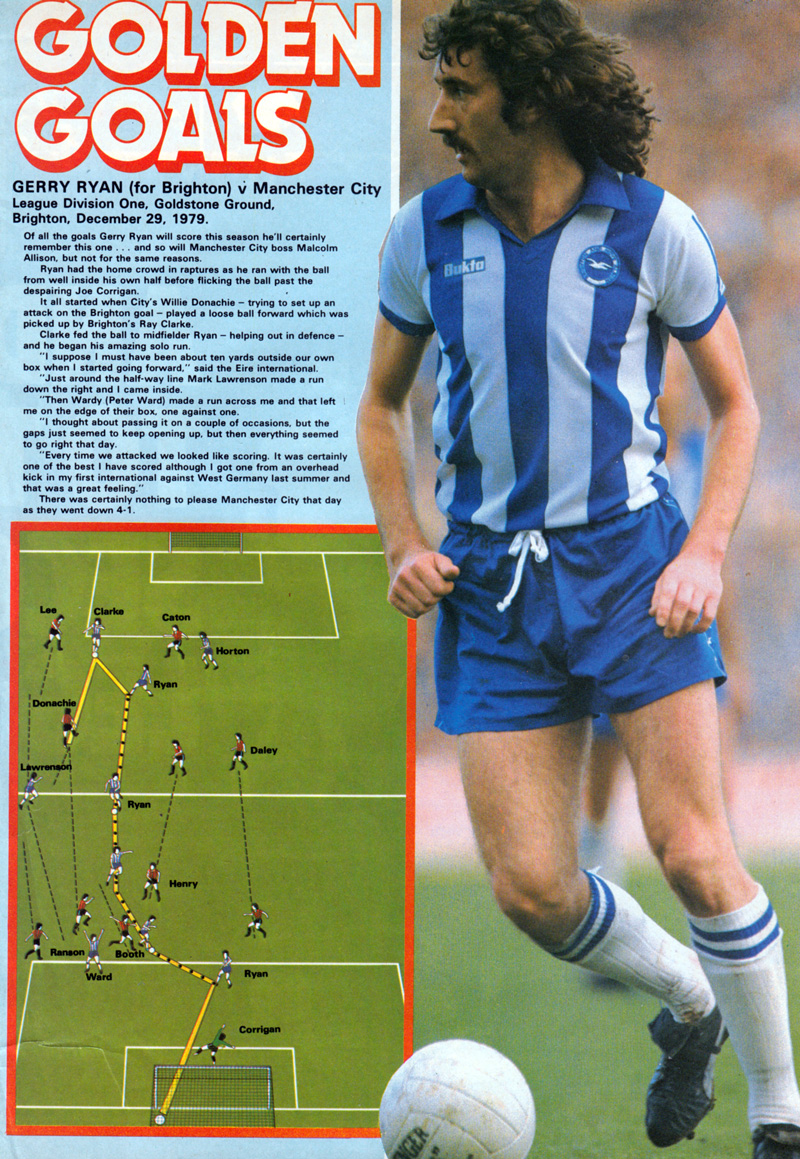
Beginning his dribble half-way in his own half, this wonderful solo goal by Gerry Ryan against Manchester City in December 1979 was given the Match Weekly magazine diagrammatical treatment.

The game was a 4-1 triumph and Ryan’s solo effort was Brighton last ever goal of the 1970s.

“I thought about passing it on a couple of occasions, but the gaps seemed to keep opening up.”

gerryryan-match

You can see the goal here…

Tagged

Tony Grealish (1956-2013), Rest in Peace

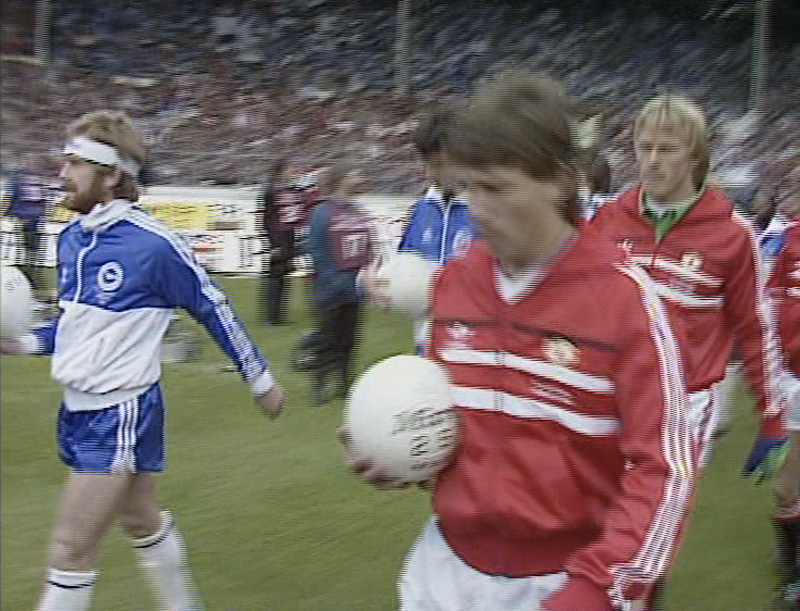
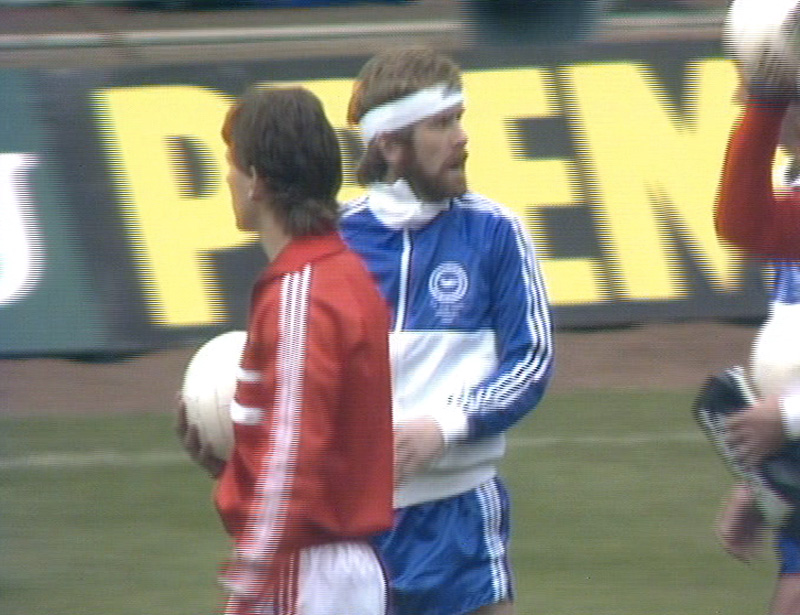
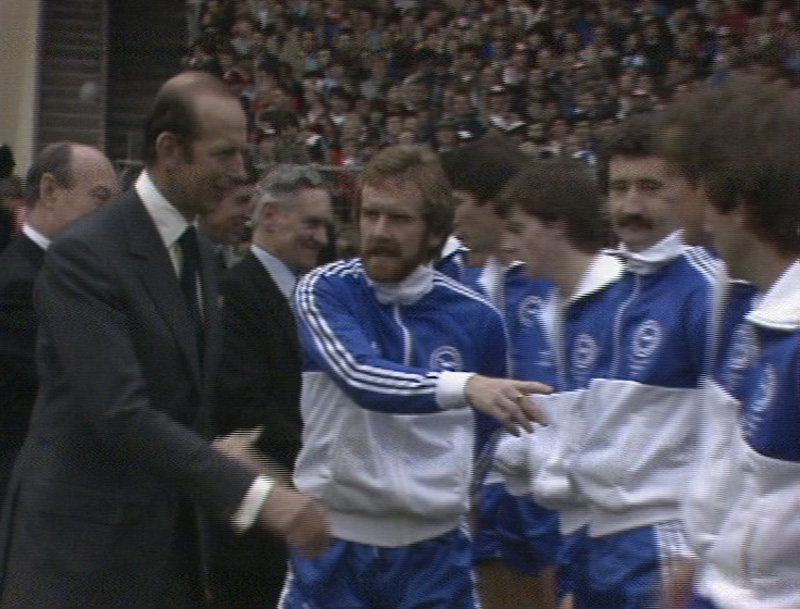
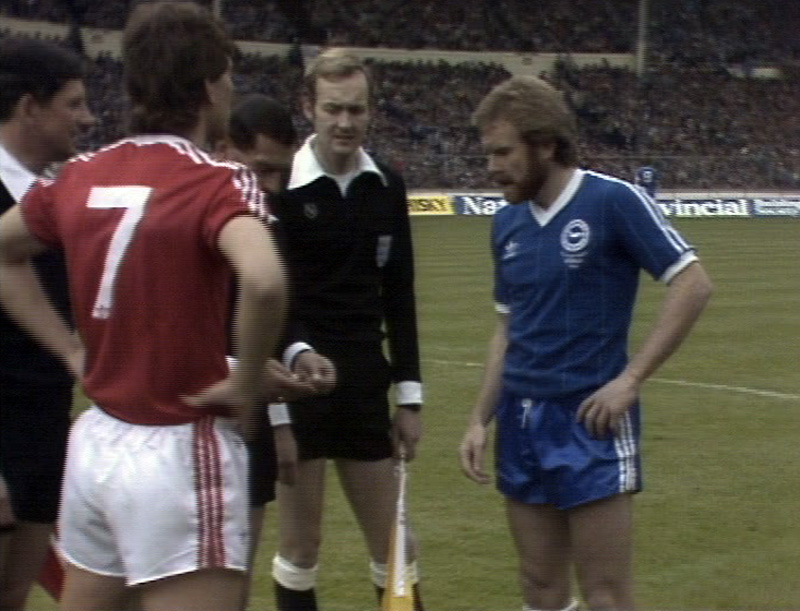
It’s very sad news to hear of a former Brighton & Hove Albion player who has died. It’s particularly regretful that the first Albion player from the glory years of 1976 to 1983 to no longer be with us is the man who captained the side at its first ever FA Cup Final, in May 1983.

Here, he delighted the watching millions by wearing a headband to show solidarity with the suspended Steve Foster:

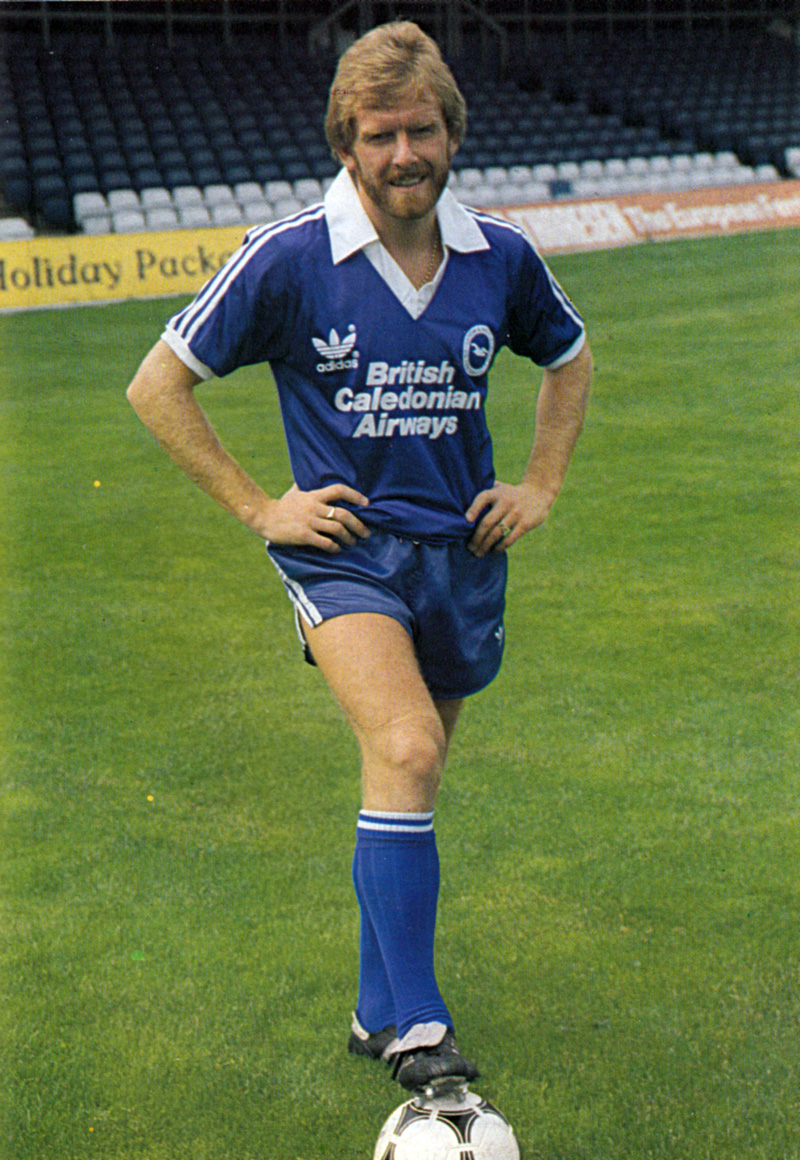
tonygrealish1

tonygrealish2

tonygrealish3

tonygrealish4

It’s fair to say that Tony Grealish was not so popular with fans when he was signed from Luton Town for more than £100,000 by new manager Mike Bailey in July 1981. The tenacious midfielder was not in the best of form in his first season, and he had the difficult job of replacing ex-skipper and crowd favourite Brian Horton who found his way to Tony’s previous employers, Luton.

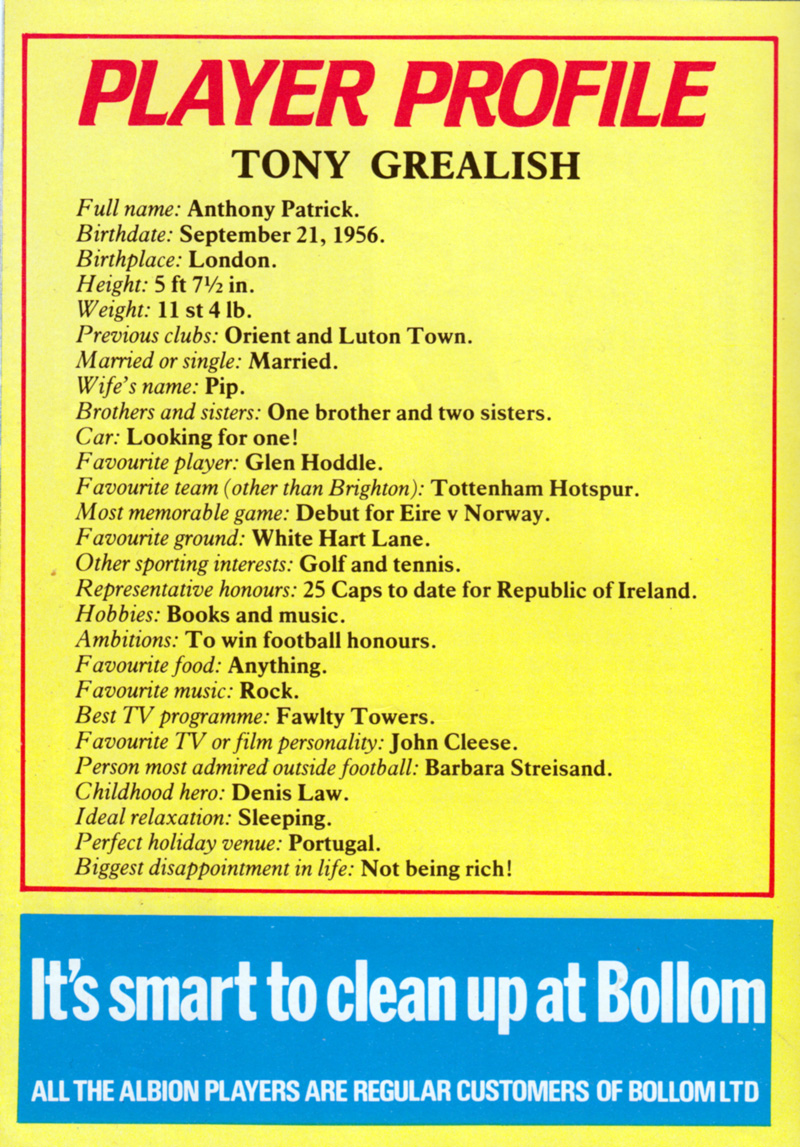
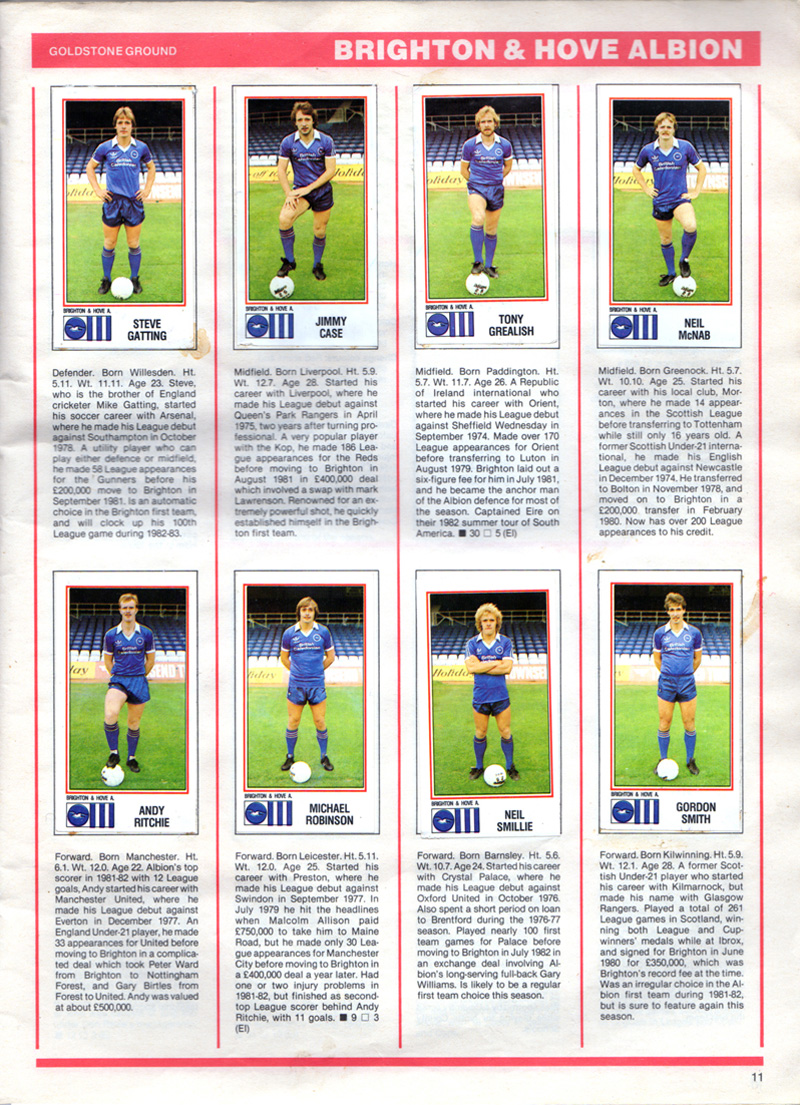
Even so, he seemed in good spirits in this pre-season photoshoot and player profile from the Brighton v Swansea match programme in 1981/82:

tonygrealish6

tonygrealish5

Over time, Grealish won over his detractors with his steely determination in breaking up opposition attacks, supplying colleagues with the ball and occasional forays upfield. He was the engine of the side. You can see a fine performance and goal from him from Brighton’s 3-1 win over Everton at the Goldstone in February 1982 (23 mins):

In total, he made 121 appearances for the Seagulls between 1981 and 1984. His contributions to the FA Cup run of 1983 are fondly remembered, such as this dribble past two Manchester City players before a defence splitting ball for the first of Michael Robinson’s double in the 4-0 win (2 mins):

He teed up Jimmy Case’s scorching goal in the FA Cup Semi-Final against Sheffield Wednesday with a cheeky backheeled free-kick (1 min).

As well as a characteristically wholehearted performance, the Seagulls’ number four was involved in the build-up of both of Brighton’s goals in the FA Cup final against Manchester United, switching the ball out wide for Gary Howlett to cross for Gordon Smith’s opener and then pushing the ball into the path of Gary Stevens. In the following season, Tony Grealish (and Danny Wilson) ran the Liverpool midfield ragged in another famous FA Cup game.

The industrious Republic of Ireland international eventually left in March 1984, signing for West Bromwich Albion in a £95,000 deal.

grealish

If not a player what job would you do? ‘Don’t know. In the current recession I wouldn’t have a lot of choice. Perhaps an airline pilot!’

That’s rather fitting, and not just because of his British Caledonian shirt! In the words of a North Stand Chat user called ‘rool’, Grealish now joins Alan Davies in the 1983 FA Cup Final reunion in the sky.

Tagged

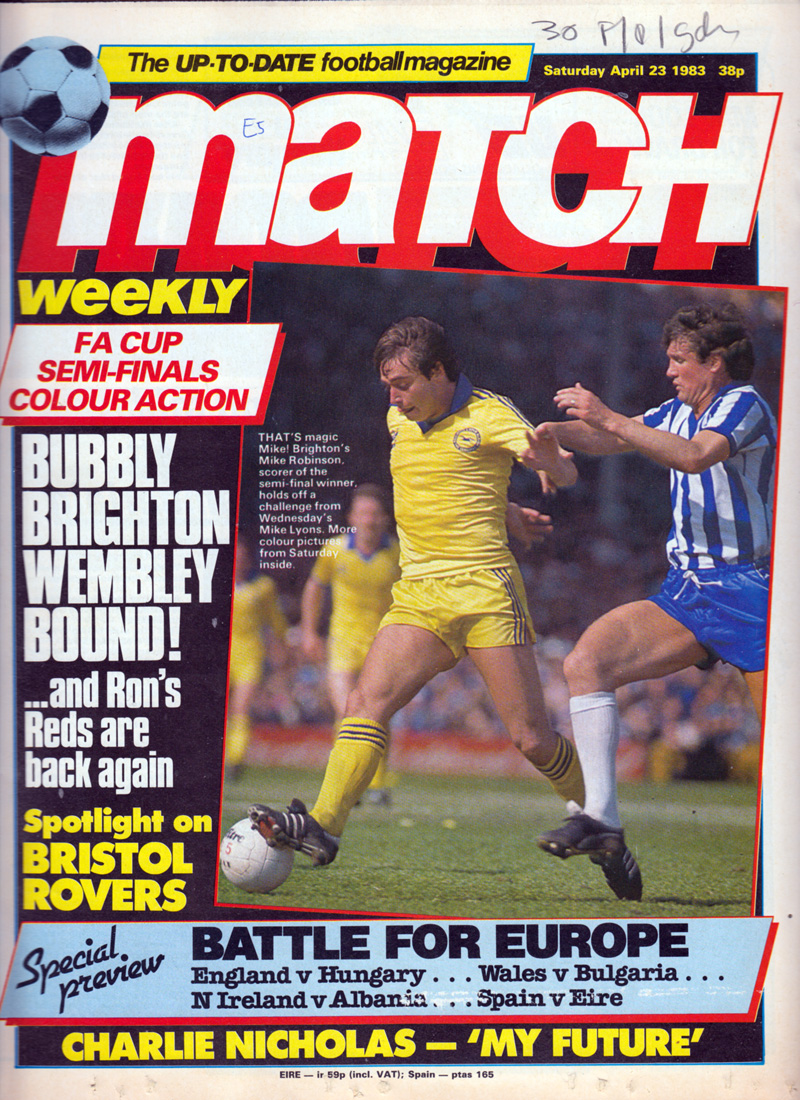
Match Cover: Michael Robinson (23 April 1983)

matchcover8

Marvellous colour images abound in Match Weekly, living up to its curious strap line ‘the up-to-date football magazine.’ Of particular interest here is the cover of the very popular Michael Robinson, scorer of the winner in the the FA Cup Semi-Final against Sheffield Wednesday in sunny Highbury.

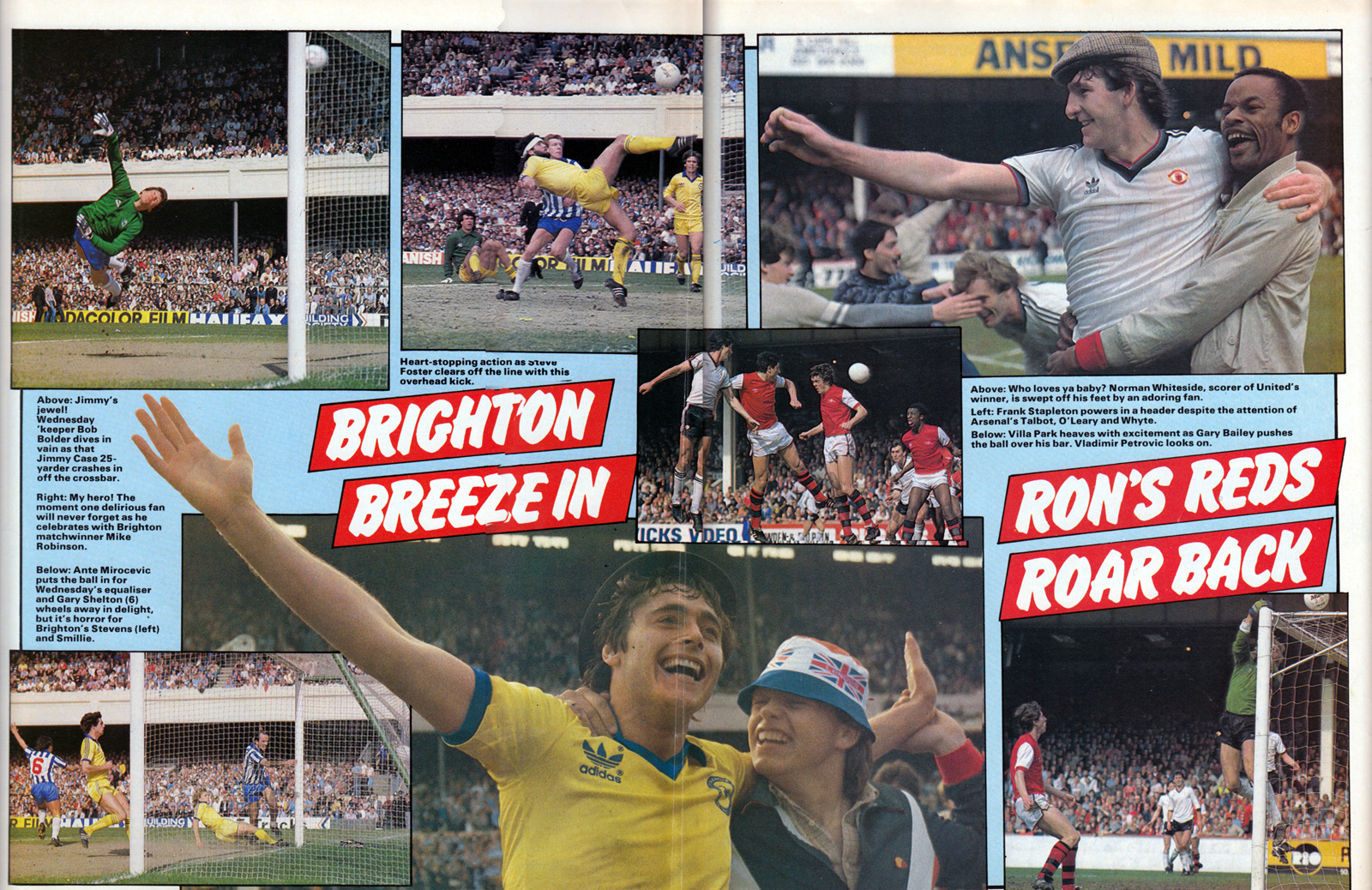
Inside there is this gorgeous centre-spread. Print it out and stick it on your bedroom wall for old time’s sake!

match-semifinal

Some photos from this….

Jimmy Case’s 35 year free-kick howitzer:
semifinal15

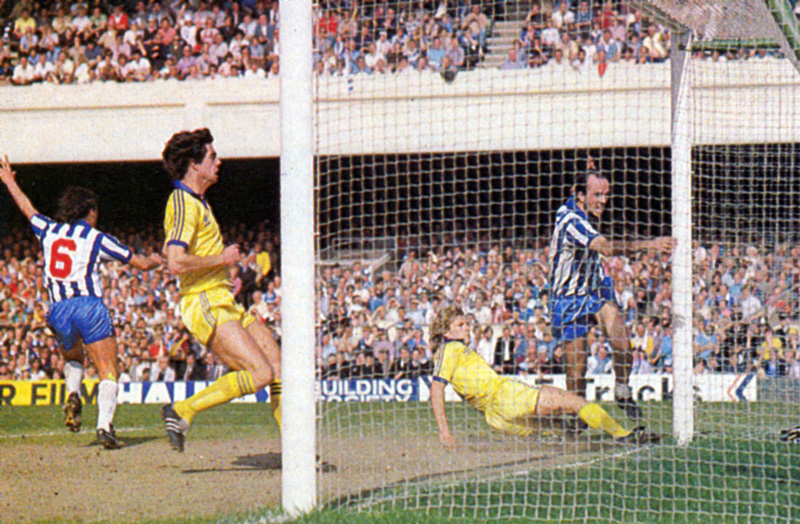
The Wednesday equaliser by Ante Mirocevic from a mere one yard:
semifinal19

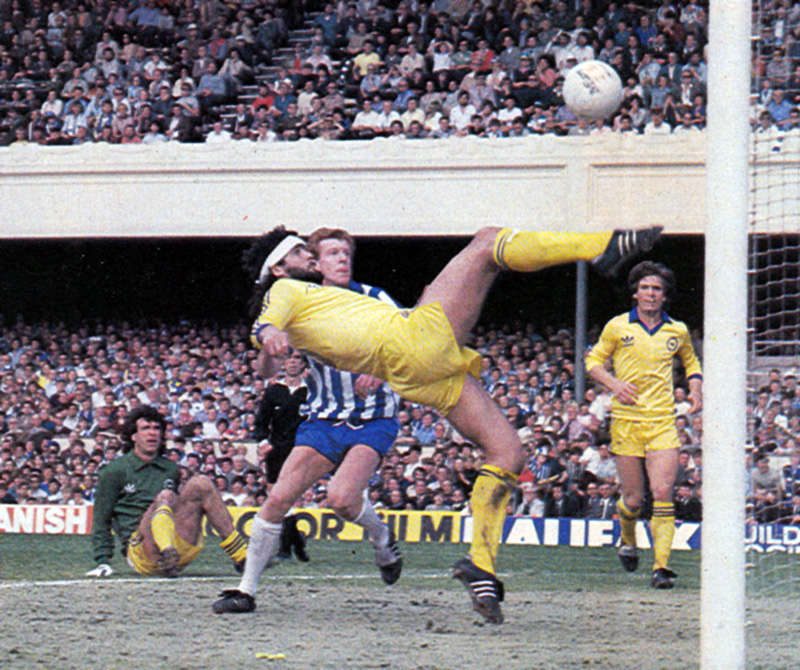
Steve Foster’s spectacular clearance:
semifinal18

Tagged

Mike Bailey: Brighton for the title!

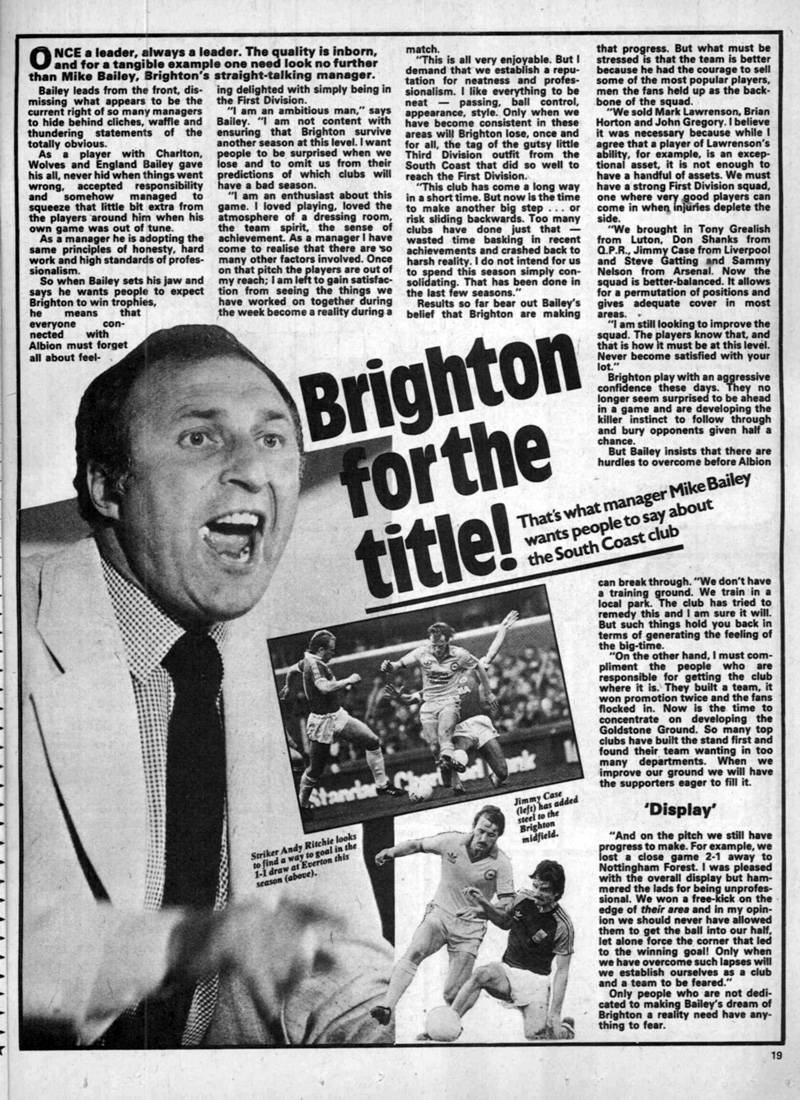
Many thanks to Chris Oakley from The Football Attic for scanning this article from Shoot! Magazine from November 1981:
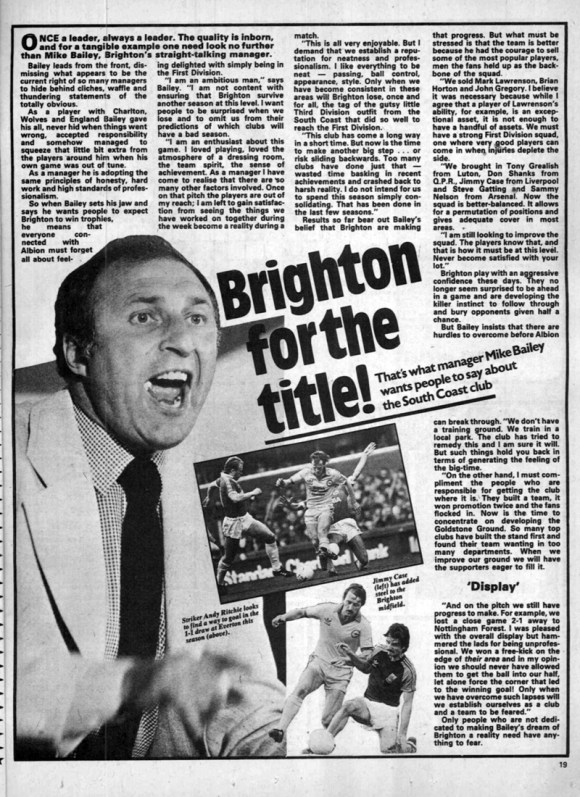
mikebailey

It may seem fanciful to talk about the title in relation to a club that eventually finished in 13th position but the club seemed to be in good shape in 1981/82. Brighton and Hove Albion were fifth in Division One in late September following Andy Ritchie’s winner at Wolves. It was the club’s highest ever league placing. In December, the Seagulls were still soaring high, getting to sixth spot after a 2-0 win against Southampton at The Dell. A place in Europe beckoned.

Said Bailey:

“I am an ambitious man. I am not content with ensuring that Brighton survive another season at this level. I want people to be surprised when we lose and to omit us from their predictions of which clubs will have a bad season.

I am an enthusiast about this game. I loved playing, loved the atmosphere of a dressing room, the team spirit, the sense of achievement. As a manager I have come to realise there are so many other factors involved. Once there on that pitch the players are out of my reach; I am left to gain satisfaction from seeing the things we have worked on together during the week become a reality during a match.

I like everything to be neat – passing, ball-control, appearance, style. Only when we have become consistent in these areas will Brighton lose, once and for all, the tag of the gutsy little Third Division outfit from the South Coast that did so well to reach the First Division.

We sold Mark Lawrenson, Brian Horton and John Gregory. I believe it was necessary because while I agree that a player of Lawrenson’s ability, for example, is an exceptional talent, it is not enough to have a handful of assets. We must have a strong First Division squad, one where very good players can come in when injuries deplete the side.

We brought in Tony Grealish from Luton, Don Shanks from QPR, Jimmy Case from Liverpool and Steve Gatting and Sammy Nelson from Arsenal. Now the squad is better balanced. It allows for a permutation of positions and gives adequate cover in most areas.”
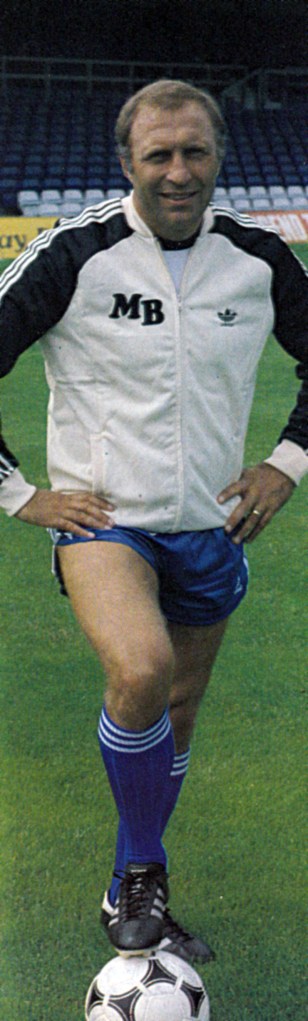
mikebailey2

In an unusual managerial swop of sorts, Bailey had been appointed at the Goldstone in June 1981 from Charlton Athletic, with ex-Brighton boss Alan Mullery eventually taking over the vacancy at Charlton.

The new Albion boss certainly made Brighton a hard team to beat by mid-November 1981, with only two League defeats by then. A surprise 1-0 victory was even recorded against Tottenham Hotspur at White Hart Lane in October, thanks to Michael Robinson’s goal.

‘Don’t concede away from home and try to nick a goal’, seemed to be the Bailey plan. The very cautious, defensive tactics he employed may have made the Albion a force to be reckoned with, but it bored many supporters who had been used to the free-flowing, attacking football played under his predecessor Alan Mullery. Only Liverpool attracted over 20,000 to the Goldstone before Christmas.

The return fixture against the Reds in March 1982 was the high noon of Bailey’s spell as Brighton manager. A backs to the wall display led to a famous 1-0 win at Anfield against the European Cup holders, with Andy Ritchie getting the decisive goal and Ian Rush’s goalbound shot getting stuck in the mud! The club stood eighth but the wheels came off thereafter with ten defeats in the last fourteen matches. With the club safe from relegation, Bailey had been persuaded by supporters at a fans forum to get the team playing a more open, attacking game.

And with that, the genie was out. The team was never the same solid, defensive force under Bailey’s reign, in this or the following campaign, and were never again lording it in the top half of the top division. If Bailey had stuck to his guns, and not listened to the fans, would the club have enjoyed a UEFA Cup place at the end of 1981/82?

What is clear is that it was important to keep the supporters on side, as gate receipts were the lifeblood of the club. The days of Sky Sports and big television money for top division clubs had not yet arrived. Falling attendances at the Goldstone had led to concern from the board. While many blamed the ‘boring football,’ in the Shoot! article, Bailey saw it more to do with a bigger problem, that of the club’s infrastructure:

“We don’t have a training ground. We train in a local park. The club have tried to remedy this and I’m sure they will. But such things hold you back in terms of generating the feeling of the big time. On the other hand, I must compliment the people who are responsible for getting the club where it is. They built a team, won promotion twice and the fans flocked in. Now is the time to concentrate on developing the Goldstone Ground. When we build our ground we will have the supporters eager to fill it.”

Tagged

Albion players on World of Sport

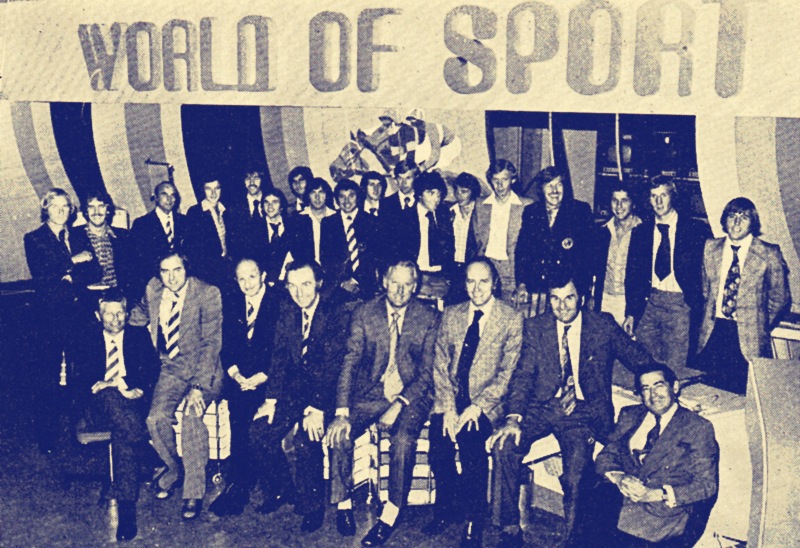
A very, very rarely seen picture:

worldofsport3a

The Albion team of 1975/76 lined-up for a different sort of team picture when they had a break from training and went behind the scenes at the World of Sport studio at London Weekend Television.

‘World of Sport’ was ITV’s answer to Grandstand, BBC’s flagship sports programme on Saturday afternoons. WoS ran from 1965 to 1985.

The visit was arranged by Eric Flackfield, a director of LWT who was a frequent visitor to Goldstone matches. He is seated on the right. At the studios on London’s South Bank, the party met Brian Moore, host and presenter on ITV’s On The Ball (which later evolved into ‘Saint and Greavsie) and London Weekend’s The Big Match.

The line up:

Back row (left to right): Phil Beal, Peter O’Sullivan, Glen Wilson (physiotherapist), Steve Piper, Barry Butlin, Tony Towner, Dennis Burnett, Ken Tiler, Ken Gutteridge (coach), Gerry Fell, Peter Grummitt, Joe Kinnear, Ian Mellor, Harry Wilson, Fred Binney, Andy Rollings, Robin Madden, Ernie Machin.

Front row: Brian Daykin (assistant manager), Dudley Sizen (director), Harry Bloom (vice-chairman), Mike Bamber (chairman), Peter Taylor (manager), Brian Moore, Tom Appleby (director), Eric Flackfield.

Tagged , ,

Panini’s Football ’83: The Last Ones Standing

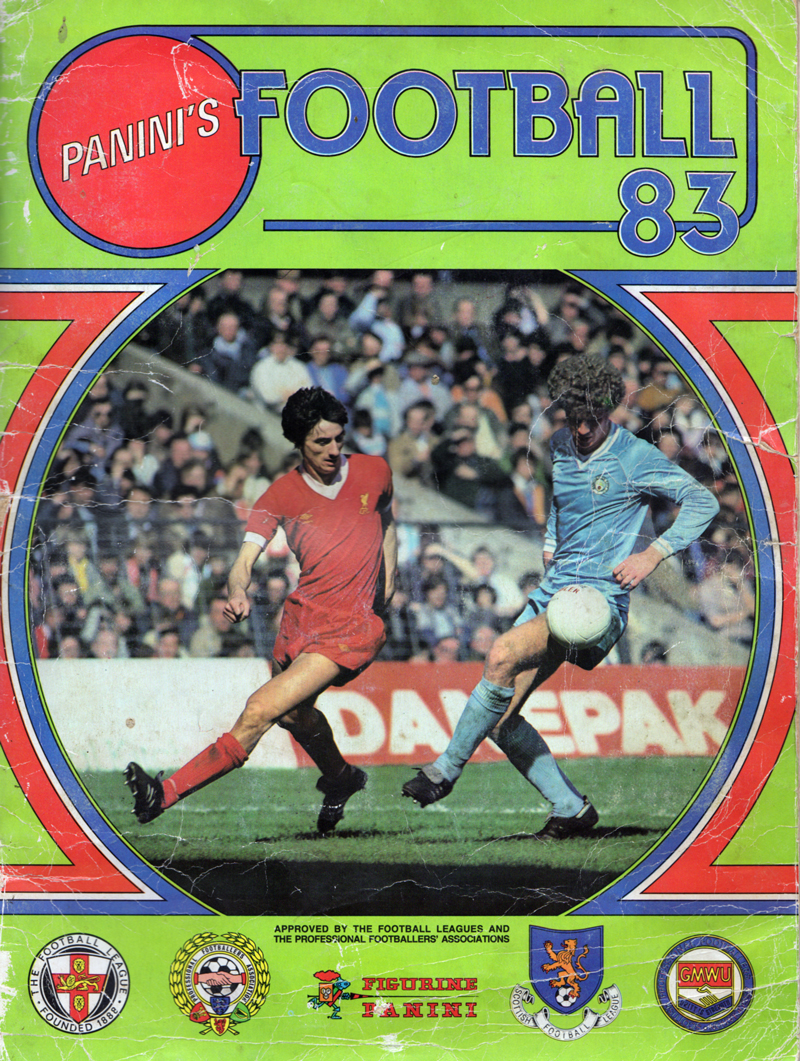
panini83-cover

After a four year spell of uphill struggle, punctuated by some occasional famous victories, the team of 1982/83 was the last Brighton side to take part in First Division football.

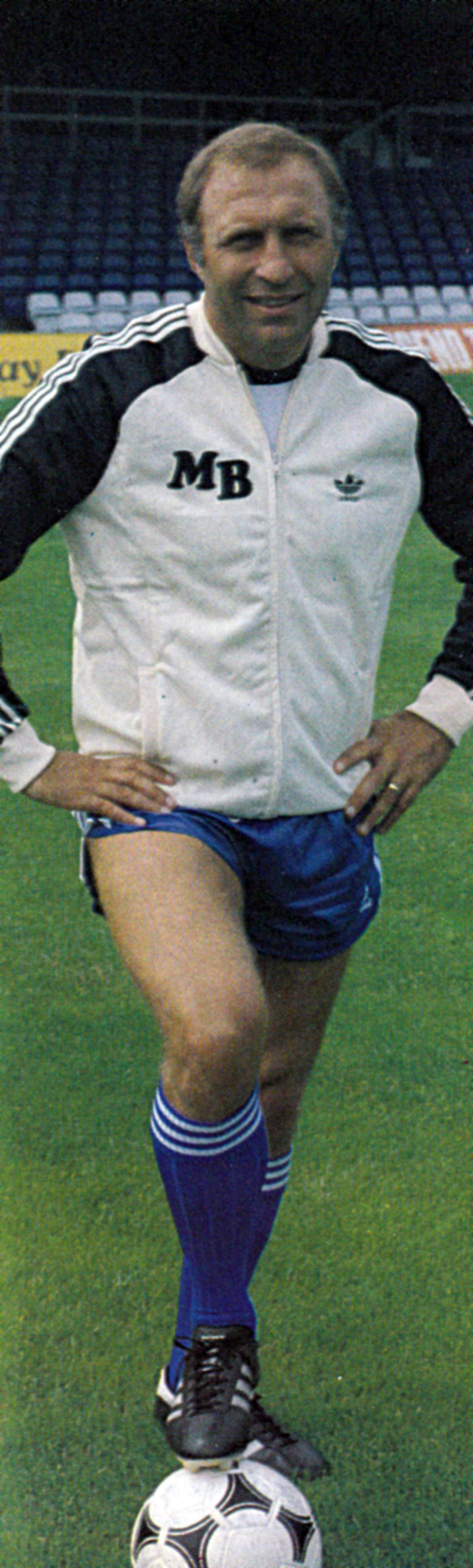
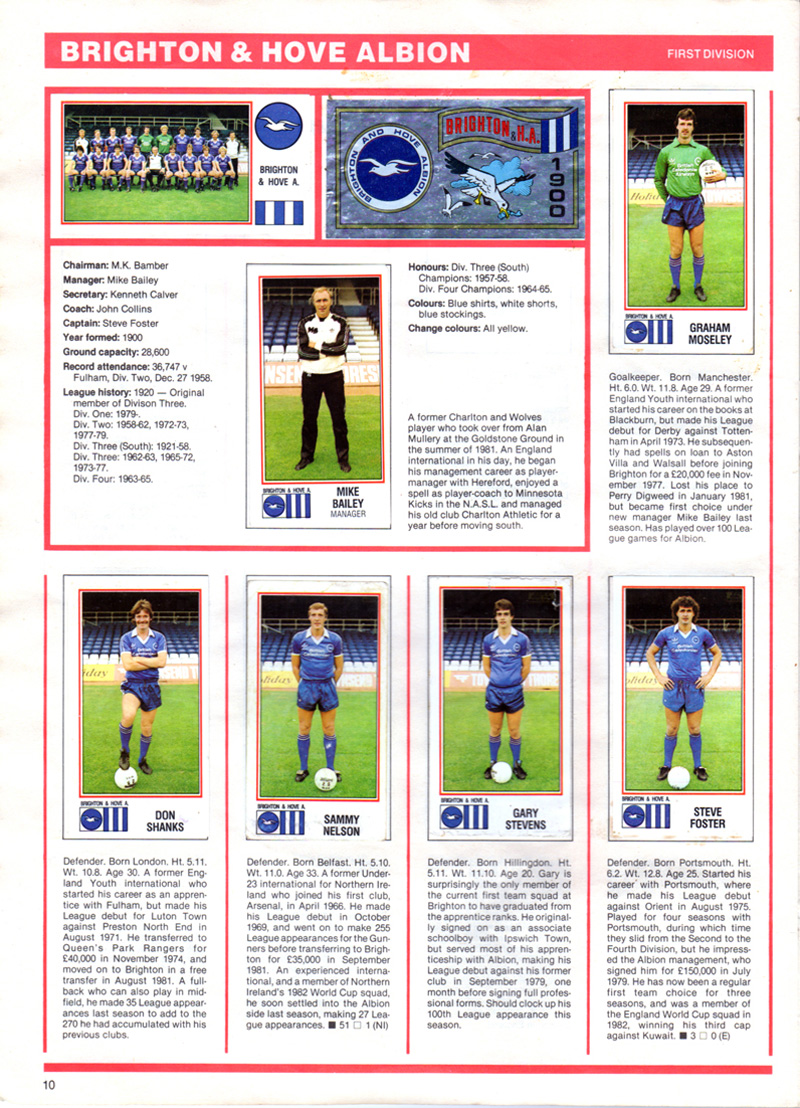
As you can see, the dour Mike Bailey was still in charge when these stickers were printed. He gave way to Jimmy Melia and George Aitken as joint-caretaker managers in December 1982 after some horrific away performances in the League. The Albion board clearly felt they could do with a change.

panini1983p1

And perhaps Panini also felt they could do with a change. The long, narrow stickers with a full-body pose marked a striking break from the tried-and-tested formula of head-and-body shots of previous Panini albums. Would have been interesting to see them trying to fit Melia and Aitken in the new sticker dimensions!

Graham Moseley, like all the other keepers in this album, was clearly instructed by the artistic director to hold the ball with his hands in some way, while the outfield players were possibly given the choice to put a foot on the ball or let it lay in front of them. Hands on hips / crossed in front / behind back also formed the orders of the day with only Jimmy Case ventured beyond the conventional to try some outlandish ‘both hands on one thigh’ combination. Elsewhere on the other pages of this album, you can see players with hands to protect their groin region or posing with socks but no boots on!

panini1983p2

However, it was back to the standard head-and-shoulders fare by Football ’84. Didn’t make much difference as far as Brighton & Hove Albion was concerned, as never again were we to enjoy a double page Panini sticker album spread of our side.

Notable other stickers in Football ’83 include future skipper Doug Rougvie and future Brighton manager Mark McGhee in the magnificent Aberdeen side that was to taste European Cup Winners’ Cup glory in the 1982/83 campaign.

Future Albion goalkeeping coach Tony Godden was West Brom’s goalie.

Tagged , ,

The Goldstone Staff Photo 1979

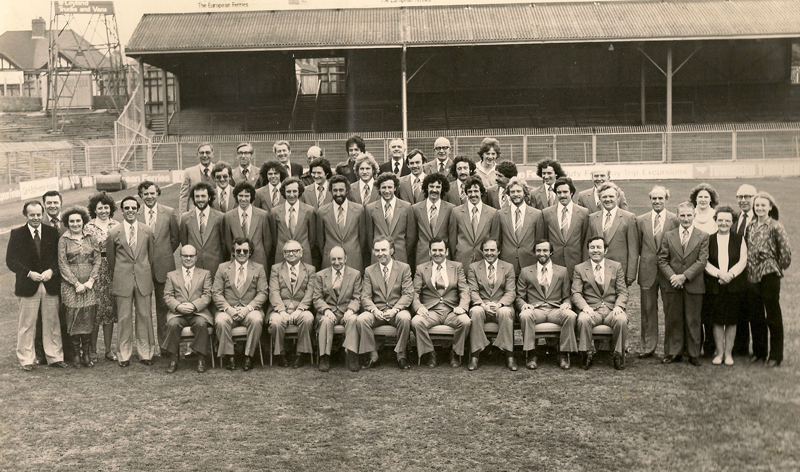
I received an email from the son of Fred Woolven with this intriguing photo attached:

staff1979

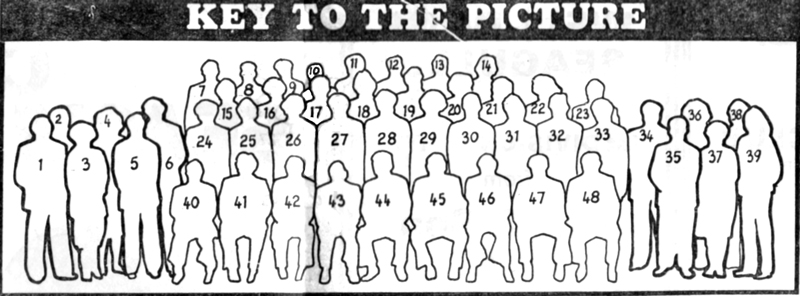
The photo also appears in the Argus supplement ‘Division One Here We Come’ from 1979, along with this useful key to the Albion family:

1979staffkey

The manager, the players, the board capture all the limelight as Albion soar to success. But there is more to the Goldstone than that. Many people work away, unnoticed, in the background, to ensure that the Seagulls take wing. Here we present the Goldstone team in full, from chairman Mike Bamber to tea lady and cleaner Hilda Bennett, who has been producing the match day cuppas for many a year now.

1. Tony Millard. Freelance journalist, Tony, became programme editor and announcer at the Goldstone this season.
2. John Shepherd. Ex-Albion player, John, is now the youth team manager, having had spells in local soccer management. He has also managed both the Sussex County FA side and Sussex County League Southwick.
3. Joan Shipp. She is promoter of the Seagull Lottery, which brings in £250,000 a year for the Albion. She came to the Goldstone five seasons ago from the Sussex Sunday League, along with commerical manager Ron Pavey.
4. Jeanne Carter. She has been with the Albion for about three years and is secretary to manager Alan Mullery and club secretary Ken Calver.
5. Mike Yaxley. Ex-Brighton, Hove and Sussex Grammar School teacher, Mike, is in his second spell with the Albion. He was on the coaching staff from 1968-73, became a sales rep, and managed Eastbourne united and is now physiotherapist.
6. Ken Craggs. Former teammate of manager Alan Mullery in Fulham days, Ken came from Craven Cottage early last year and is assistant manager.

Half-Million Pound Team
Here is the nucleus of the commercial staff who help with the Albion’s fund raising schemes which bring in about half-a-million pounds a year. They are:
7. Bill Phillips.
8. Fred Woolven.
9. John McNichol.
10. Ray Woodford.
12. Allan Williams
13. Bill Allfrey.

11. Duncan Perry. Assistant to groundsman Frankie Howard.
14. Paul Burton. Assistant to maintenance man Sam Capon.
15. Nigel Williams. Assistant secretary Nigel came to the Goldstone from Fulham 12 months ago.

Players:
16. Peter Ward.
17. Mick Kerslake.
18. Paul Clark.
19. Malcolm Poskett.
20. Gerry Ryan.
21. Peter O’Sullivan.
22. Peter Sayer.

23. Frankie Howard. Goldstone groundsman Frankie is an ex-Albion player who played in the 1958 promotion winning side.

Players:
24. Ken Tiler.
25. Gary Williams.
26. Chris Cattlin.
27. Martin Chivers.
28. Andy Rollings.
29. Graham Moseley.
30. Mark Lawrenson.
31. Teddy Maybank.
32. Eric Steele.

33. George Aitken. George hails from the North-East, having played for Middlesbrough and Workington and later managed Workington. He was brought to the Goldstone by Peter Taylor as coach.

34. Glen Wilson. He captained Albion’s promotion winning side of 1958 and is now kit man.

35. Sam Capon. Maintenance man Sam used to run is own business, but now he is the odd-job man who does what ever needs to be done.

36. Jackie Harriott. Has been with the commercial staff for 18 months assisting with fund-raising.

37. Hilda Barnett. She is the cleaner and on match days she is tea lady.

38. Arthur Mates. Latest addition to the fund-raising staff working on the new Wishbone Lottery.

39. Shirley Holland. Accountant and bookkeeper.

40. Ken Calver. Club secretary, Ken was previously with Charlton. The promotion celebrations saw him develop an unexpected talent for singing.

41. Alan Mullery. The ex-Fulham and England skipper who stepped into the Goldstone hot seat and despite having no managerial experience, has taken the club to its finest hour.

42. Herzi Sless. Club doctor.

43. Harry Bloom. The vice-chairman of Hove Motors and has now broadened his interests by becoming a hotelier.
44. Mike Bamber. The man who has masterminded Albion’s rise to glory, having made his money as a property developer.
45. Tom Appleby. Director Tom lives in Isfield. He is a farmer and a talented seven-handicap golfer.
46. Dudley Sizen. A director who runs a farm near Lindfield and has two plastics factories in Kent.
47. Brian Horton. The Albion skipper, whose initial attempt to get into professional football failed, has proved his abilities as a player and leader in the best possible way, with success.
48. Ron Pavey. Commercial manager, Ron has been the key to providing cash to carry Albion to success. He came to the Goldstone with experience of fund-raising as secretary to the Sussex Sunday League.

Out of the 48 here, Fred is the only one still employed by the club!

Tagged ,

Man Utd’s match in Brighton from 1985… according to The Simpsons!

Bizarrely, the Simpsons’ episode ‘Marge Gamer’ (Season 18 Episode 17) features a feisty scene from Manchester United’s match in Brighton.

“”Brighton, England. 1985. Manchester United play Sussexton Hamptonshire Unleaf (?), when a deadly riot breaks out in the stands. 22 years later, this riot is still going on.”

It wasn’t the only time that American depiction of the English game focused on hooliganism.

Tagged , ,

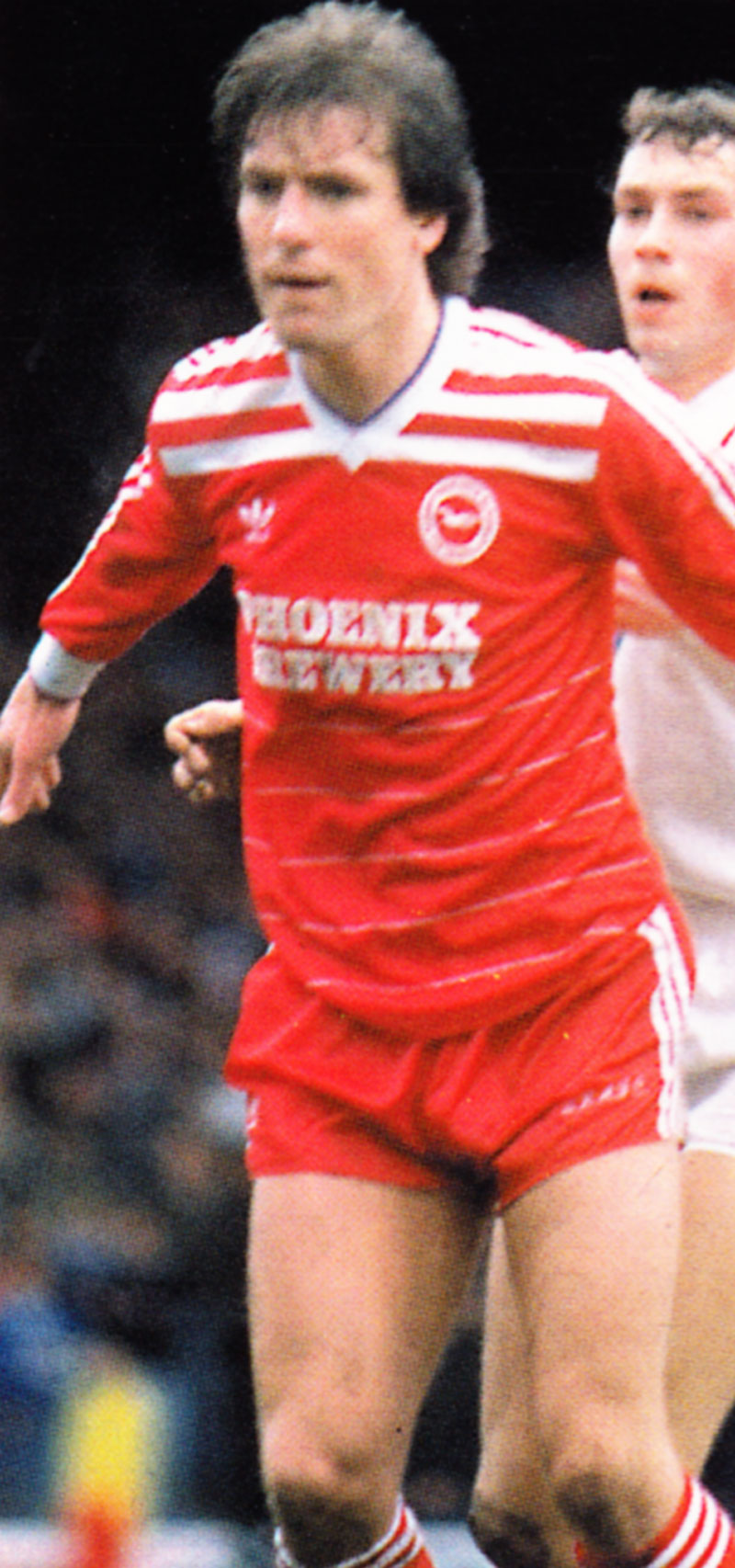
Great Albion kits: 1985/86 Away

stevegatting2

Worn in the famous snowy away tie in the FA Cup against Peterborough in February 1986, this striking kit is fondly remembered by Brighton fans of that time.

It had three large bold horizontal stripes on the side of the collar, a design that was unique to us despite all the other clubs that adidas manufactured shirts for at the time.

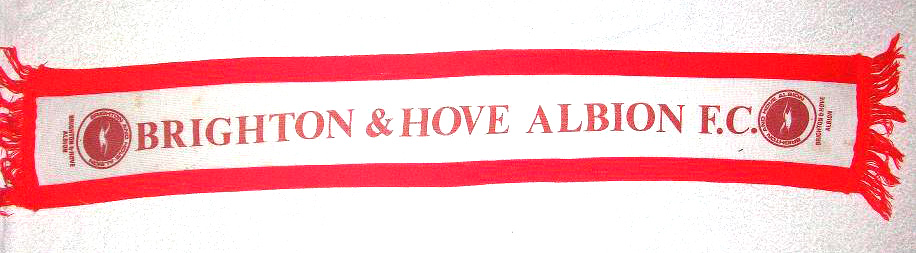
At the Peterborough game, the freezing Albion fans were given free red scarves. Brighton fan and North Stand Chat user Stat Brother has kept his in very good nick:

redscarf

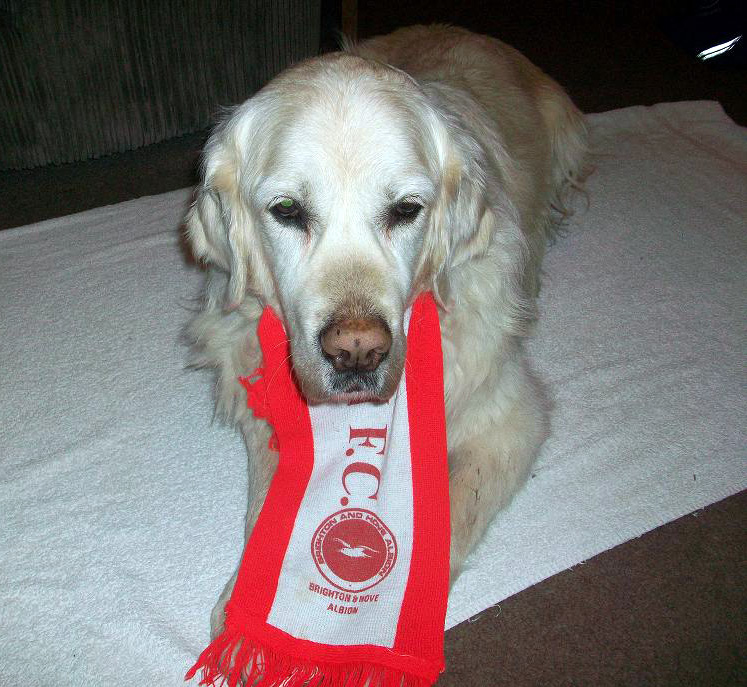
… although with Stat Brother’s six month old golden retriever Lionel around, it may not last forever!

redscarfdoglionel

A season later, NOBO replaced Phoenix Brewery as the sponsor for the Albion shirt.

As for Steve Gatting, he continued to serve well in whatever shirt he was asked to play in, red, blue, or even the green goalkeepers’ top:

stevegatting4

A retrospective piece in the Albion programme in 1994/95 stated:

It has not been often in modern times that a player has served Albion continuously for ten years – Steve did so in defence or midfield and battled back from a bad pelvic injury to play again when many might have thrown in the towel. He was, indeed, a versatile player but he never scored an FA Cup goal for Albion – in fact, he once played for much of a League Cup match in goal when, at the City Ground, he replaced the injured Perry Digweed between the posts for Albion and he didn’t do at all badly.

Tagged , , , ,

30 years today: Jimmy Case’s Semi-Final stunner

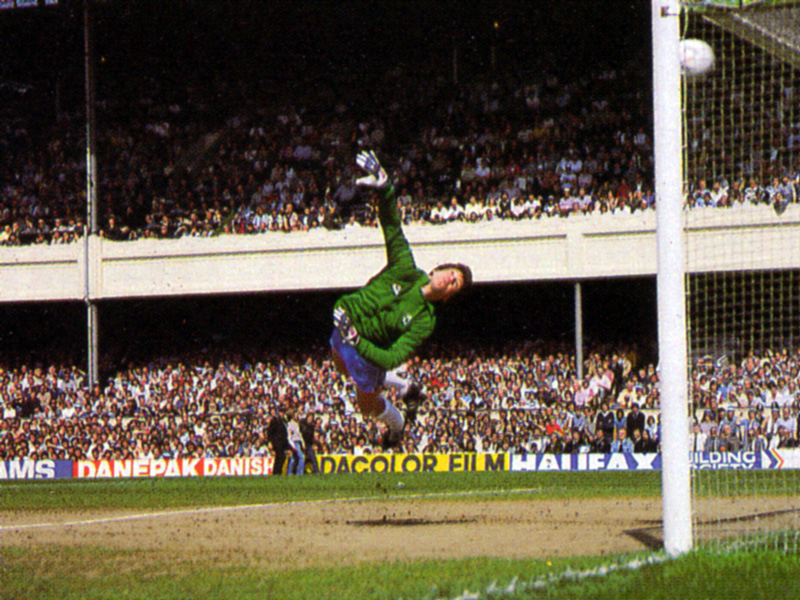
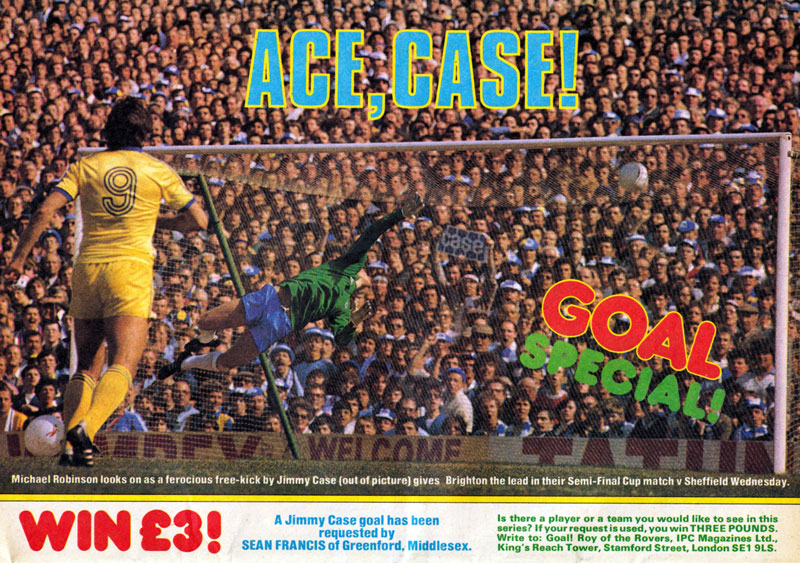
An FA Cup Semi-Final victory at Highbury in the sunshine. Great days. Sheffield Wednesday keeper Bob Bolder didn’t have a chance with this boulder (sorry!) flying through the air.

Quite fittingly, with a strike like this, the extract is from the back page of Roy of the Rovers magazine:

jimmycase2

Notice the Brighton fan holding the sign ‘Case’ behind the goal.

Michael Robinson (who is in the photo) got his moment later on in the game.

Tagged