Category Archives: Media Coverage

Now O’Sullivan is chasing glory

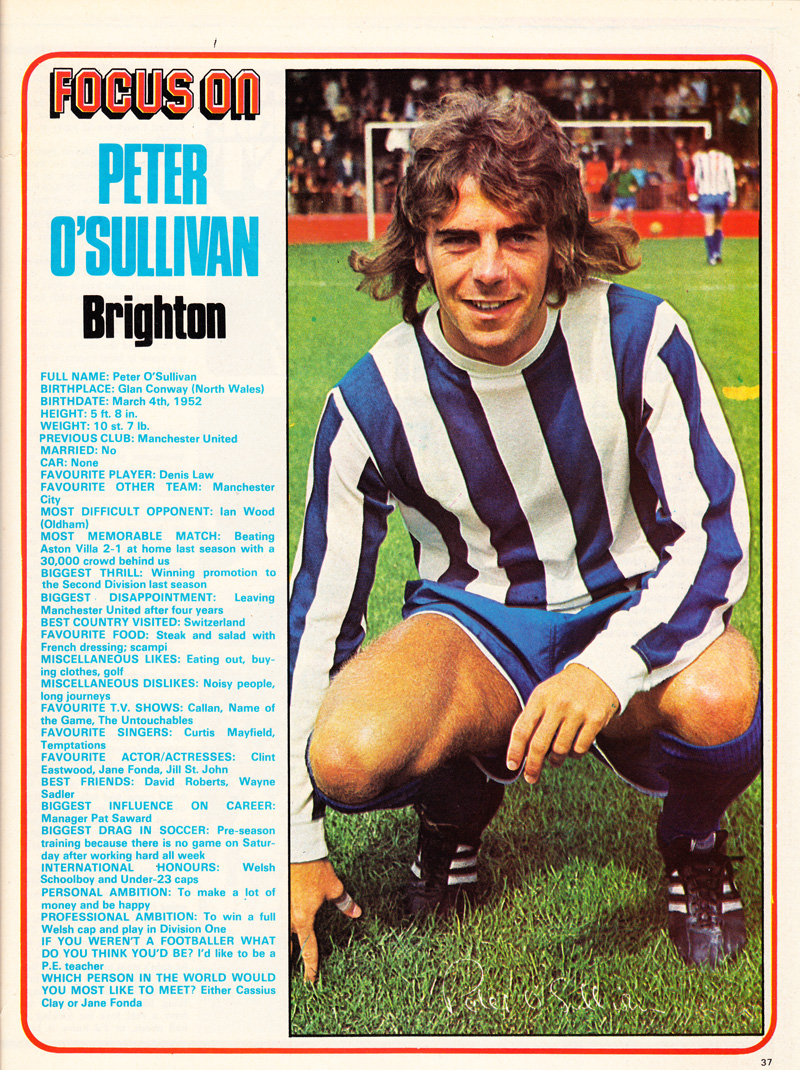
Here’s Peter O’Sullivan, brimming with confidence ahead of the 1972/73 season:

osullivan1973

Note his professional ambition was to ‘win a full Welsh cap and play in Division One.’ The latter happened much later in his career but getting full international honours was to come his way much earlier, in March 1973, despite the Albion making a pig’s ear of competing in the Second Division.

Shoot! magazine revisited Sully the following season, 1973/74, after Brighton had landed back with a bump in the Third Division. By the time of the interview, Pat Saward had made his exit, Brian Clough had arrived, and the Welsh winger and midfielder was buzzing with optimism about the new appointment:

Towards the end of last season, Peter O’Sullivan was on the verge of asking Brighton for a move. In three seasons with the club he had tasted the headed heights of success.

There was promotion from the Third Division, five Welsh Under-23 caps plus a full international against Scotland. But just as quickly, a dream of further success faded as Brighton surrendered their Second Division status after just one season.

“I was bitterly disappointed at that,” said 22-year-old O’Sullivan.

“It seemed at last I was getting over the depression of being in the Manchester United reserves for four years when life began to turn sour again.”

O’Sullivan, who hails from Colwyn Bay in North Wales, thought hard about his future, and after Brighton’s dismal start to the current campaign, wanted away. In these days when forward talent is so precious there would have been no lack of bidders for the young winger’s talents.

Then Brian Clough arrived.

“Suddenly the whole atmosphere down at Goldstone Road changed,” explained Peter. “And I am sure that under Mr Clough and Peter Taylor, Brighton can really do well again.

“I’ve been impressed with their ideas, and they have completely overhauled the set up down here.

Now I am more than happy to stay – that is if Mr. Clough still wants me and help Brighton back into the big time.

“The potential down here is enormous and I am sure we will realise it under Mr. Clough.”

Peter can have few worries about whether Brian Clough will keep him.

Peter also points to the huge crowds Brighton can draw when they are getting results as a sign that the club have all the ingredients of a top flight side.

“Some of our home games have been watched by 30,000 fans.

That is a marvellous total for the Third Division. It just shows what we can do if we are successful.

“Once that confidence comes flowing back we will give them something to cheer about. I can’t promise goals, but I can promise 100 per cent effort to get them.”

O’Sullivan was ever-present in 1973/74, hitting four goals, including Albion’s first goal in the infamous 8-2 home defeat to Bristol Rovers. His excellent dribble and drive brought the score back to 2-1 to the visitors. Not for the first or last time, Sully’s creativity with giving hope to the Albion.

Tagged ,

Graham Moseley’s yawn

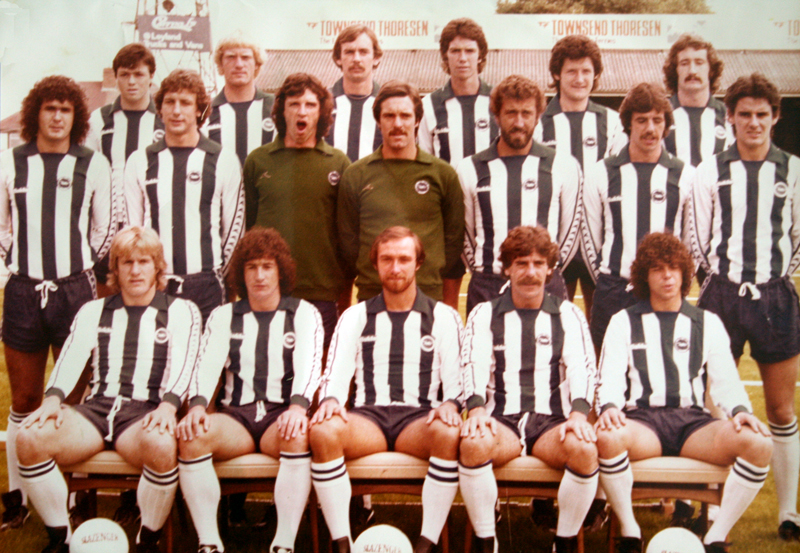
A rarely seen Albion team photo for 1979/80, but look who’s over yonder, there a-yawning?

moseleysyawn

Why it’s first choice keeper Graham Moseley!

This photo was sent by Kevin (thanks Kevin!) who said:

It was given to me by a family member who didn’t appreciate it, as he is a Chelsea fan. I took it to a far better place and now hopefully will be hung somewhere at home. This family member trained with albion at some point but never went on to play pro.

As Jimbo26 put it on North Stand Chat:

Looks like Moseley had been at the Hove Park Tavern the night before. Good lad!!

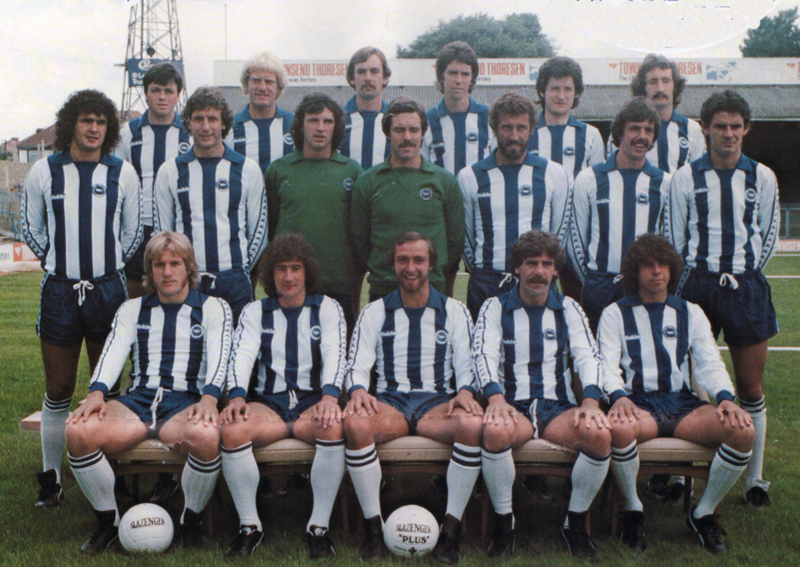
Thankfully, Mose perked up enough for this other snap to be taken:

79-80v8

Back row: Giles Stille, Teddy Maybank, Malcolm Poskett, Gary Williams, Mike Kerslake, Gerry Ryan.

Middle row: Steve Foster, Andy Rollings, Graham Moseley, Eric Steele, Martin Chivers, Mark Lawrenson, John Gregory.

Front row: Paul Clark, Peter Sayer, Brian Horton, Peter O’Sullivan, Peter Ward.

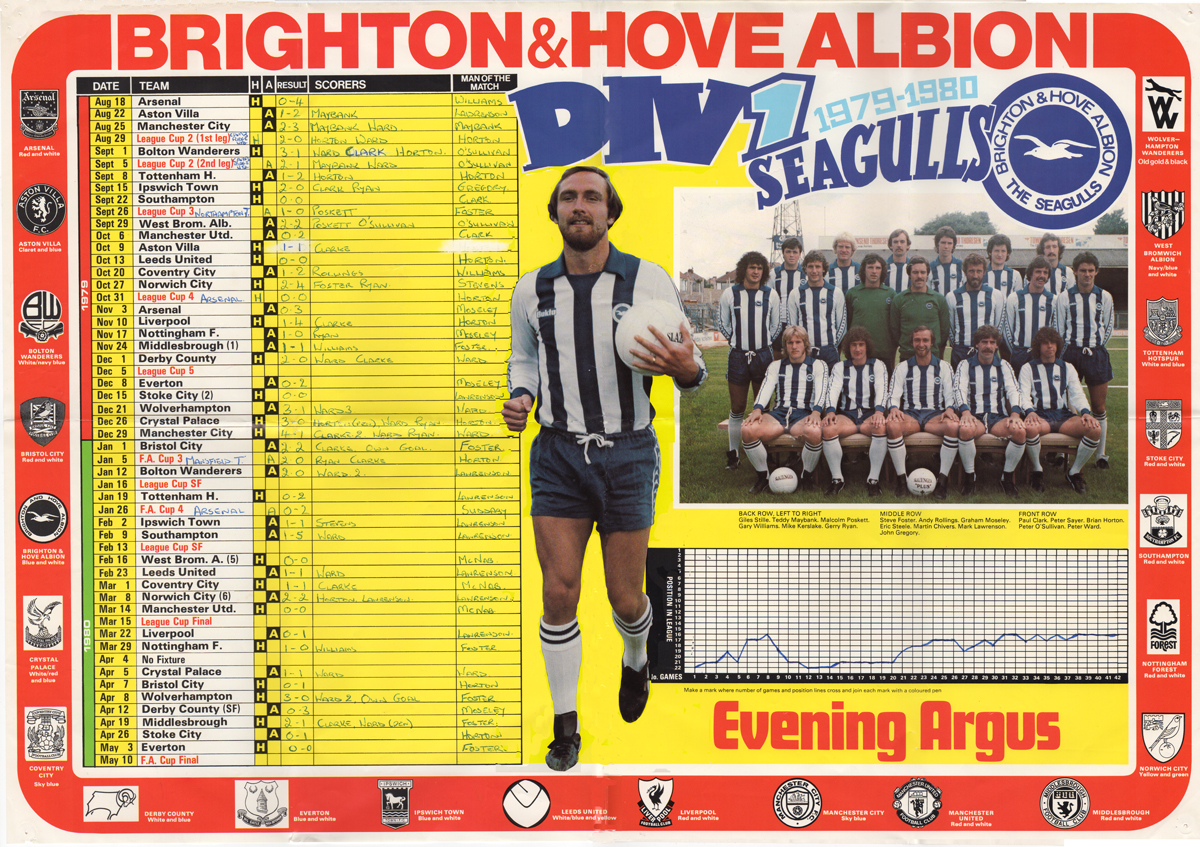
It was this version that made it in the quite spectacular Evening Argus wallchart that was given away to readers before the 1979/80 season:

79-80

Despite Moseley’s sleepiness here, it certainly wasn’t a boring season as Brighton proved themselves worthy competitors in their debut campaign in the First Division. By mid-September, many fans would have given up on filling in the results, especially with the Seagulls regularly getting beaten by this point. Credit to the original owner of the wallchart for taking the time to complete the stats to the season’s close!

Tagged

Thunderboots Robinson is a blast from the past

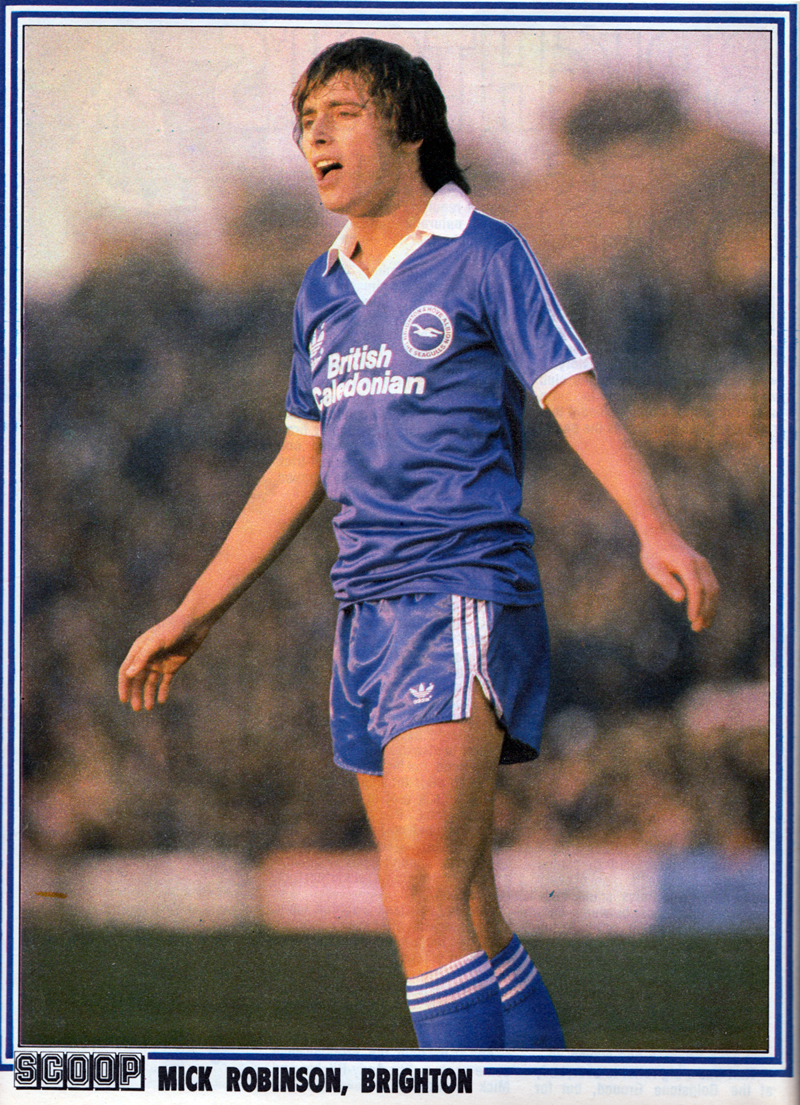
From Shoot! magazine:

Michael Robinson – he doesn’t like Mike and Mick, he says, “sounds like a dog food” won’t complain if you describe him as an old-fashioned centre-forward.

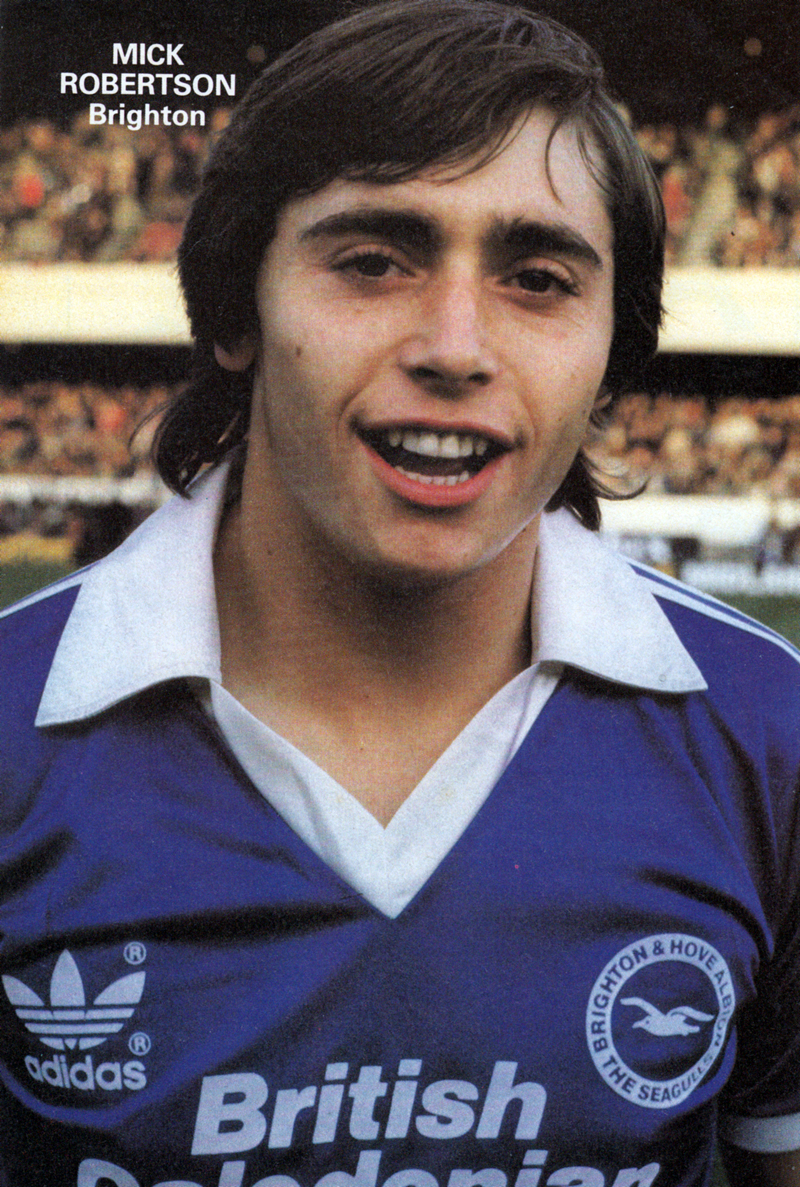
But surely he’d mind being called Mick ‘Robertson’!

michaelrobinson

The article continues:

He doesn’t go in for centre partings nor steel toe caps. Nor does he have a penchant for barging goalkeepers Into the back of their own nets. But as centre-forwards go, he’s definitely more a Thunderboots Bobby Smith than a Budgie Byrne.

Raw strength and courage are the attributes he takes on to a football field. Plus a powerful shot that he’s not afraid to exercise liberally.

As any schoolboy economist can tell you, supply and demand dictate price. And it’s because centre-forwards of Robinson’s type are in such limited supply and heavy demand that he cost Manchester City £750,000 in the summer of 1979.

Even so, it did seem a bit extravagant even for Malcolm Allison. He was shelling out what, at the time, was the third highest fee of all time for a player who’d had one full season in the Second Division.

In a season and a bit at Preston, Robinson scored a modest 15 goals in 43 League games. But he’d already shown enough to attract other clubs besides Manchester City.

As it turned out, last season was a bit of a disaster for Robinson, Allison and the rest of the City team. But down on Brighton’s South Coast this season, Robinson is proving that he can do the business in Division One.

He scored only eight goals in 29 appearances for Manchester City, but he blames that as much on his ever-changing role in an ever-changing team as anything else.

He says: “At times, I might as well have stood on the touchline or sat in the stands. City played me all over the place and I couldn’t understand why Malcolm Allison had paid all that money for me if he didn’t want me as an out and out striker.

“it was difficult playing in the City team, anyway. It always seemed to be an experimental side, rather than a settled formation.

“We attracted a lot of attention, too, because of all the money Malcolm spent and we’d find that some teams treated a game against us like the Cup Final.

“They’d get a big gate to see the game and it would lift them to play really well. At times, you’d stand around watching the other team buzz about thinking, ‘what on earth is going on here?’

“But the experience was good for all of us. I feel much more able to cope now and I’m sure the young lads I left behind at City feel the same way.”

He had other problems at Maine Road. The price tag itself was one of them. When you cost three-quarters of a million pounds, people feel free to be more critical than if you were a kid from the reserves and Robinson admits: “The fee did bother me.”

He was also cajoled into playing on occasions when he really wasn’t fit and that, too, brought more pressure on him. “I went out once when I had a temperature of over 100. I thought I was doing the manager a favour.

“But it’s silly because you are bound to play below par and then you’re open to criticism from the fans again. I would never do that again.”

For all his problems, Robinson didn’t exactly jump at the chance when City agreed to sell him to Bdghton for something less than half their original investmenL His friends and family mostly live in the North West and he also owns property there.

“It was a wrench to leave City as well because I enjoyed my time there, despite the problems. But Brighton manager Alan Mullery is a very persuasive man. He reminds me of Nobby Stiles, my former manager at Preston.”

Mullery’s tongue was one influentual factor. The other was the prospect of playing alongside Peter Ward. Robinson got his best view of Ward when playing for City at the Goldstone Ground last season.

“We got hammered 4-1 and Peter was brilliant. So the thought of playing alongside him was naturally tempting.” Robinson also likes having Mark Lawrenson and Gary Williams behind him in the Brighton defence. He describes them as “two of the best defenders in the country.”

The individual components may be impressive but as a whole, the Brighton side leaves something to be desired. After last season’s early struggles, they were hoping for a good start this time. But so far, they haven’t suggested that they’ll be anything other than an average First Division team, if that.

Taking the 'Mick' again

Taking the ‘Mick’ again

Robinson is already finding the goals a lot easier to come by than last season, and if he continues at the same rate, he could top 20 this season.

He feels confident enough to predict that “City will regret selling me. I intend to show them this season that they made a mistake letting me go.”

Even so, he has mixed feelings about Maine Road. Through all his troubles, the crowd gave him full support, and the exposure helped to attract Brighton to him.

And as Robinson says himself, It was a great education for him in Manchester. “I shall always think of my spell at City as the time when I grew up – both as a man and a player.”

City’s loss…

It certainly was. Robinson rebuilt his confidence and career by scoring 19 goals for Brighton in the First Division during that 1980/81 season. These including one at the Goldstone Ground against his former club City in October. Unfortunately for him, Albion went down 2-1.

Tagged ,

Moshe a winner!

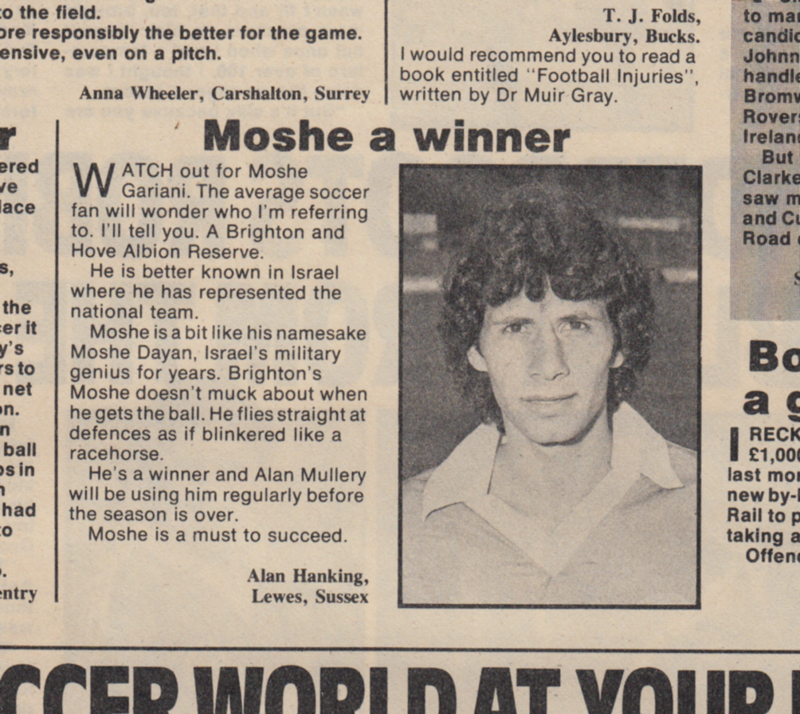
In Soccer Monthly magazine, Albion fan Alan Hanking from Lewes puts enormous faith in the abilities of Israeli international Moshe Gariani. Maybe he ought to invest in one of these t-shirts?

mosheawinner

Perhaps a footballer being ‘blinkered like a racehorse’ may give a reason as to why Moshe did not make it in First Division under Mullery or Bailey!

No matter, Moshe has cult hero status for Albion fans of the 1980s, not to mention this blog. One substitute appearance against Southampton, and that was it for Mr Enigma.

In a ceaseless search for the Israeli midfielder, one online interview for Gariani has been found. Apologies for the broken English:

1981-1982 season and he’s 23 years old, The little playmaker of Maccabi Netanya is taking a plane and lands in Brighton. It’s true, He didn’t see much pitch but 22 years ago it was something great for the Israeli football.

Q: Moshe, You are in cold and buttoned England?
A: You see what it’s like, Yes, me. In England, either you win or you loose – You finish the match day in the Pub, drinking and laughing. The score doesn’t matter. You went off of the pitch and that’s it! After a loose – You will not find a face of Av the 9th (a face of sadness cause Av the 9th is the day the Temple was ruined) like in Israel. In England they make a separation. You could see players, 45 minutes before the game, calling from the club to a gambling agent and put money on Horse Gambling. I also put money once and won 20 pounds.

Q: Hey, Listen. You actually have it.
A: Yes, eh? We were always together. Going to eat, playing Tennis,Golf, Squash, Horse racing and Billiard.

John Gregory was there, who became the manager of Aston Villa and Derby County after. You can be sure that it wasn’t boring, although in the end of the day everyone got back to their families and I was stuck alone, climbing on the walls.

Q: How is the English audience?
A: The audiance was alright. Not to much fanatical. Not once the fans met me on the street and told me that they don’t understand why the coach don’t let me play and that I deserve to play. In the newspaper there – I wasn’t to take an interest in so much cause they had only half a page of Sports and anyway, I didn’t know how to read the language so it didn’t interested me. But the Guys there were wonderfull.

There were couple of tricksters there, like the full back – Steve Foster. He had a very weak forehead. Every game he was getting on the pitch with a bandage on his head. He was also tricked in the runnings of the Cross Country and hiding behind the tree, till everybody came back. Those things remind me the things we used to do in Israel but the poor guy got fine on those things.

There was a great thing in Christmass. There is some kind of night there that everyone is getting masquerade. I was flow with that thing and put a costume of an American Indian and we got to couple of walks in Pubs and Discotheques, the guys went wild, ever place we left – we left chaos but we were forgive cause we were football players.

Q: In the end, You didn’t make it to the second season.
A: It could have been that if I was established I could have stayed but being alone drive me crazy. I was making pre season trainings in the second season and was in the reserves team. I remember we scored 9 goals to Dallas Texas, I scored 6 goals and the Americans offered me a contract of 150,000$ per season. Big money, but I was thinking at that time to go back home so I told them that I thank them for the money but I’m prefering to come back home.

Tagged ,

Freddie’s stars on the rise in 1969/70

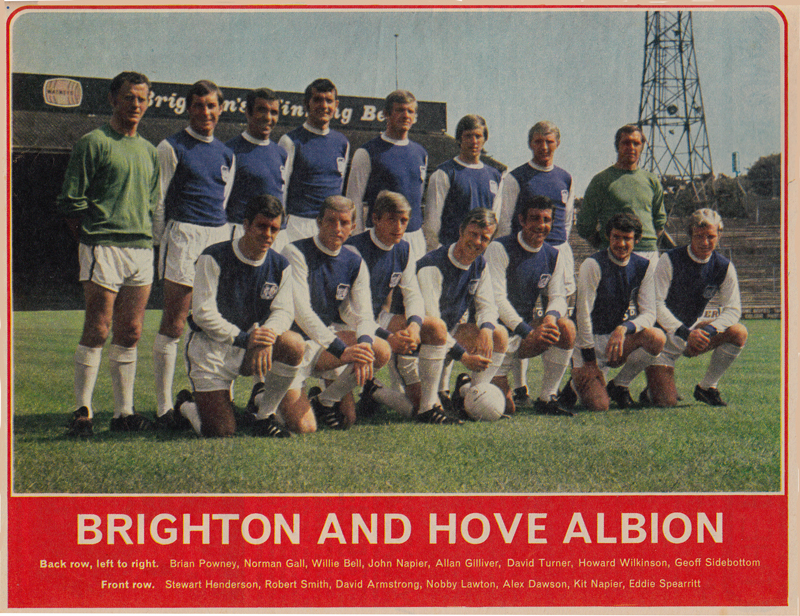
I hadn’t heard of Striker magazine until recently. However, besides weekly columns of Colin Bell and Peter Osgood (ghostwritten, presumably) they were kind enough to print a Brighton team photo on 13th June 1970 (Issue 23):

1969-70-brighton-striker-magazine

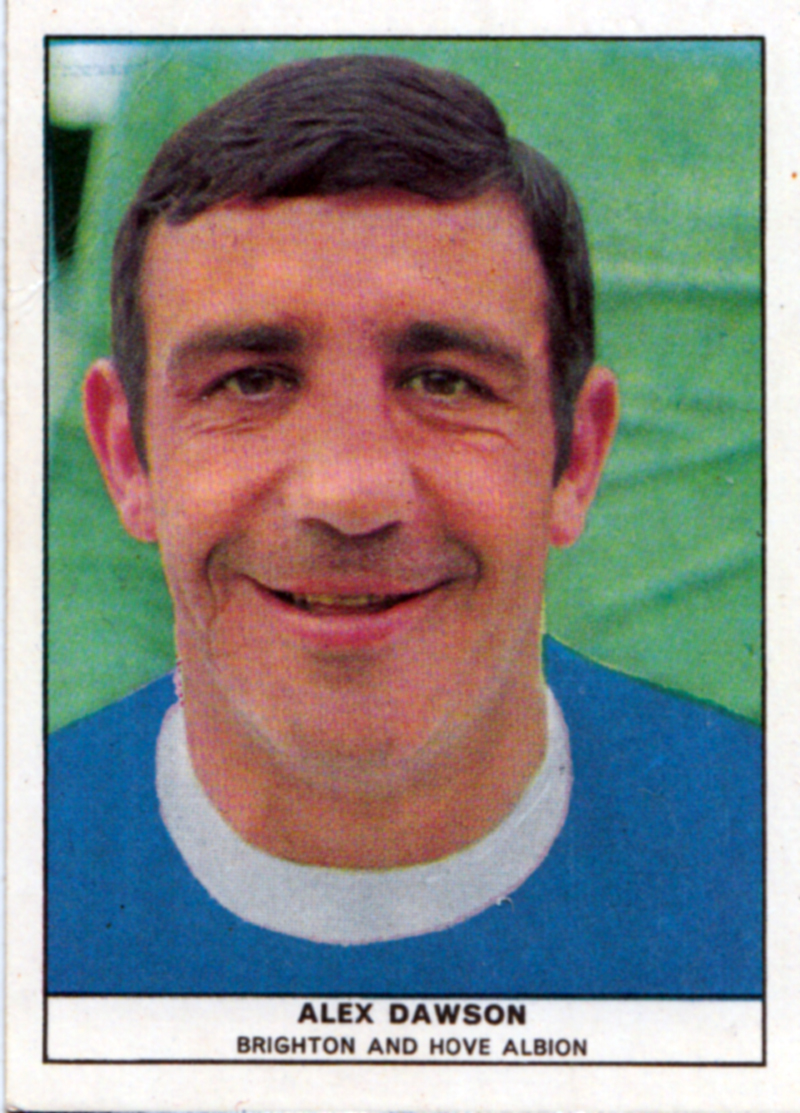
That was a fine Albion side in 1969/70, with Nobby Lawton, Kit Napier, Alex Dawson and Willie Bell at the heart of a team seeking promotion to the Second Division. Led by manager Freddie Goodwin, Brighton hit good form at the start of the campaign, winning six and drawing two of their opening eight matches. In Soccer Star magazine on 26th September 1969, Maurice Weedon found the Albion boss in a cautious mood:

Over the years managers have told me many things but never until I spoke to Fred Goodwin of Brighton had one told me he wishes he could dampen the enthusiasm of the club’s supporters. Don’t get me wrong, I’m not saying that Goodwin isn’t appreciative of the support Brighton is receiving and I hasten to add that he told me no club has a finer bunch of supporters “… they are the best in the country” he added.

The reason for Goodwin’s statement is that due to Brighton’s fine start in Division III’s promotion struggle and their first and second round wins in the Football League Cup when they defeated Portsmouth 1-0 through a goal by Alex Dawson and their 2-0 win [over Birmingham] (Alan Gilliver and Kit Napier). Brighton supporters are already counting the side as good as in Division II next April.

freddiegoodwin2

“We have a great chance,” Goodwin told me, “But I am not thinking about winning promotion. My immediate aim is always to win the next match, and if we can do that promotion will take care of itself”.

A wise outlook and one which is bringing results. It is worth recalling that their win over Birmingham came a few days after the Midlands club had thrashed Second Division Leaders Queens Park Rangers 3-0, Bert Murray grabbing a hat-trick within the first 15 minutes, yet for the match at Goldstone Ground Birmingham were never really in with a chance•.

The slick-moving Brighton side got their grip on the game when Gilliver gave them the lead in the seventh minute and Brighton were in command right to the finish. The fact that there was no going on defence is shown by the way Kit Napier, Dawson and John Napier went near before Kit Napier added the second near the close.

This is typical of Brighton. No holding on to a one-goal lead. They are always on the lookout for goals which is the reason why they are so well supported – for fans always respond to attractive football.

On the opening day of the season Brighton had an attendance of 11,250 (only Luton’s 12,800 was bigger in Division III) and this was 2,000 up on the first home game last season, and the trend has continued.

The second home game attracted 13,900, as against 11,600 last campaign. “Not only are the attendances up, but the cheering and encouragement means a lot to our players”, Goodwhi said.

This was followed by 14,000 for the visit of Rochdale and 20,000 for the game with Portsmouth and 24,000 when they defeated Birmingham City, and it is good to see the revival Goodwin has brought to the Sussex side attracting the fans in such increasing numbers.

“It’s wonderful the backing we are getting from local people. It is just that I want them to realise that there is a long way to go before the end of the season, and I don’t want anybody to underestimate the task before us”, explained Goodwin.

There are just two new players, this season left-back Willie Bell (from Leicester) and Alan Gilliver (from Rotherham). In answer to my question, how they are getting along Goodwin’s reply was that both players have fitted into the side perfectly.

“Both are the finest type of player”, he said. He added that Bell’s experience has brought strength to the defence, and has given a solidity; which never weakens under pressure, “…A really wonderful signing,” was the manager’s comment.

He said that the Sussex air must suit Gilliver, for last season he netted two goals in 22 League appearances with Rotherham while he passed this figure in just a couple of matches, and has not stopped banging in goals.• “Alan is a wonderful character, always full of life and he and Alex Dawson are a great pair of comedians off the field,” Goodwin told me.
alex-dawsonHe added that with Dawson being the danger man last season defences were beginning to make a set for him, “… but Gilliver is a big, strong player and takes some of the weight of Dawson”, said Goodwin. This gives more fluency to the attack and with goal-snatchers like Kit Napier, Nobby Lawton and Eddie Spearritt around they are giving opposing goalkeepers a busy time.

There has been much talk about Brighton having three captains Nobby Lawton, Willie Bell and Alex Dawson, and I asked Goodwin how this plan is working. “It isn’t correct to say we have three captains as some papers have reported, we have only one, Nobby” explained Goodwin He went on “The correct position is that as the state of the game can change in a flash, Bell makes on-the-spot decisions when we are under pressure, while when we are on the attack Dawson makes snap judgements.”

He said the scheme was devised by Lawton and himself before the season opened and is working very well. Goodwin said the success of the side – average age 26 – comes through team-work with every player giving all he has not only for the 90 minutes of a match, but in training sessions, practice games and tactical get-together, … “another example of what a grand bunch of players there are here,” Goodwin said, adding that the side is as full of confidence as any he has seen.

The club has four apprentice-professionals, a new venture, and there are some promising youngsters. If a team is to win promotion it is essential to have cover for all positions, and Goodwin told me the reserves are as promotion-minded as the first team and should injury hit the side there are good players ready to step into the team.

This season Brighton are running a reserve side, something which was lacking last season. They play in the London Midweek League and there is also a Sunday morning side for juniors and as Goodwin watches every match it means he sees at least three games a week.

This, plus supervising training and the 101 other jobs of a manager means Goodwin has little time for leisure, but he loves every minute of his job, • “…for to be in a town so football conscious as Brighton is very encouraging” he said.

Towards the end of last season I wrote that Brighton could be THE team of Division III this campaign and with around a quarter of the season gone I am more convinced than ever this can prove so, and I am writing this before Brighton play Wolverhampton at Goldstone Ground in the third round of the Football League Cup.

As Goodwin doesn’t like too much talk of promotion at stage of the season, I’ll just say I think they will win enough matches to finish higher than most teams and leave it at that.

The Albion certainly finished higher than the 12th position they mustered in 1968/69, reaching fifth spot, but a disappointing late run of four defeats in five led to their promotion hopes evaporating. The club had held top spot as late as March 28th.

Worse was to come when Freddie Goodwin left in the summer, taking coach Willie Bell and junior team coach George Dalton with him to Birmingham.

As the rest of the football world turned its attention to the World Cup in Mexico, Albion had to start again in finding a manager capable of leading the club into Division Two.

Tagged , , ,

90 Minutes Magazine asks Brighton fans: ‘Is football on TV a big turn-off?’

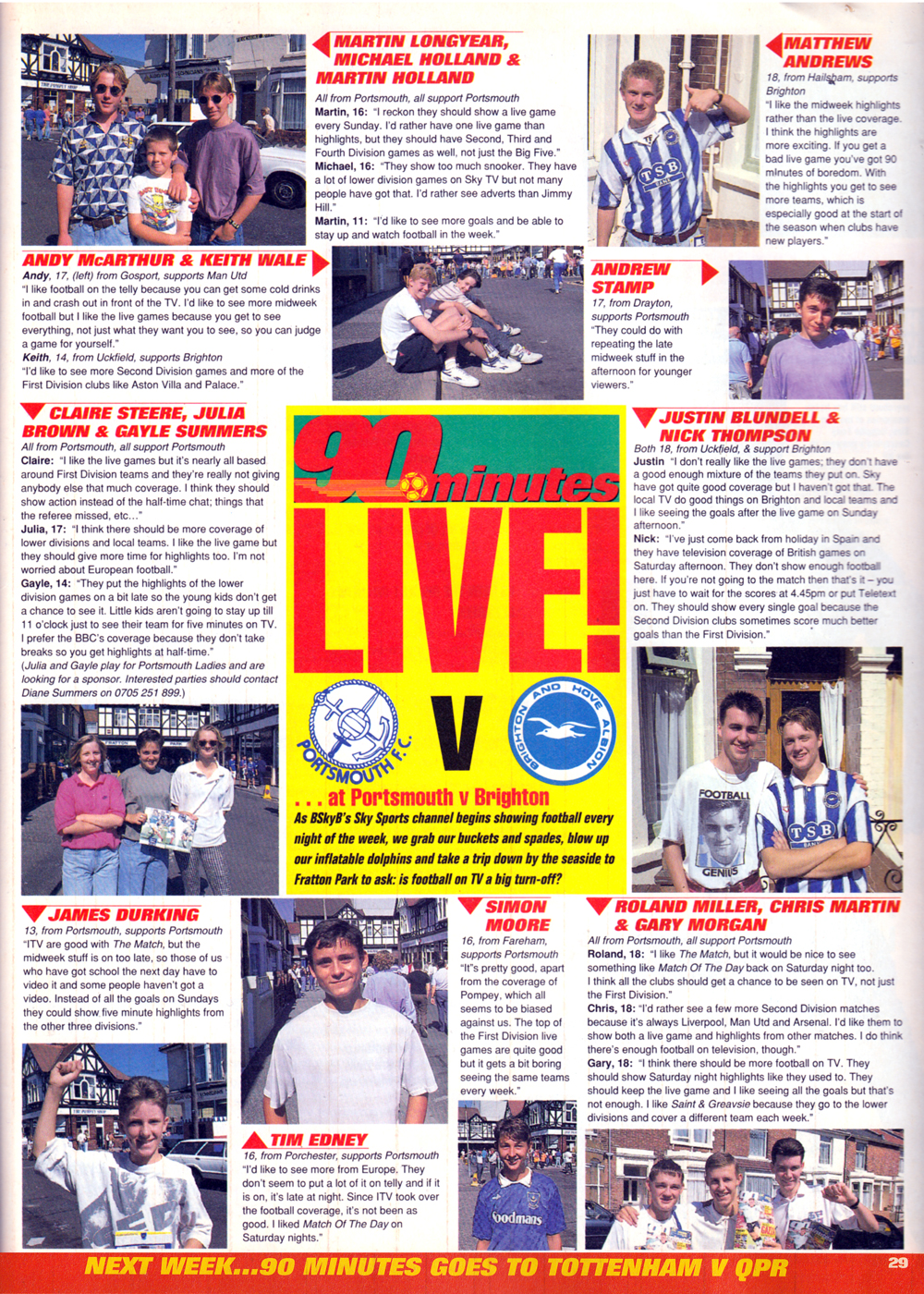
It’s the Portsmouth v Brighton fixture in September 1991. Armed with a camera and dictaphone, 90 Minutes Magazine (issue 70) asked supporters a hot topic of the day:

As BSkyB’s Sky Sports channel begins showing football every night of the week, we grab our buckets and spades, blow up our inflatable dolphins and take a trip down by the seaside to Fratton Park to ask: is football on TV a big turn-off?

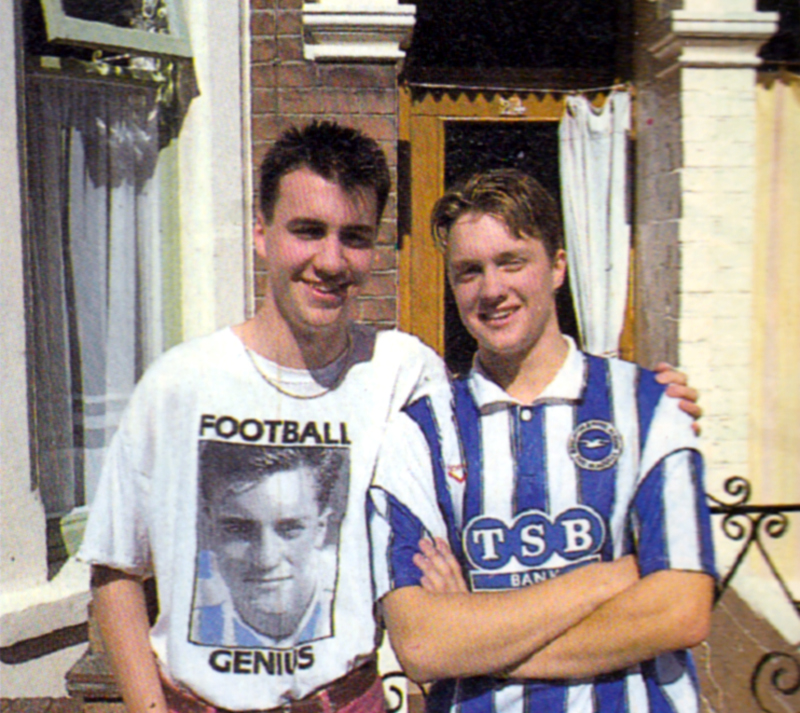
90minuteslive-justin-nick

Justin Blundell & Nick Thompson
Both 18, from Uckfield, & support Brighton
Justin “I don’t really like the live games; they don’t have a good enough mixture of the teams they put on. Sky have got quite good coverage but I haven’t got that. The local TV do good things on Brighton and local teams and I like seeing the goals after the live game on Sunday afternoon.”
Nick “I’ve just come back from holiday in Spain and they have television coverage of British games on Saturday afternoon. They don’t show enough football here. If you’re not going to the match then that’s it – you just have to wait for the scores at 4.45pm or put Teletext on. They should show every single goal because the Second Division clubs sometimes score much better goals than the First Division.”

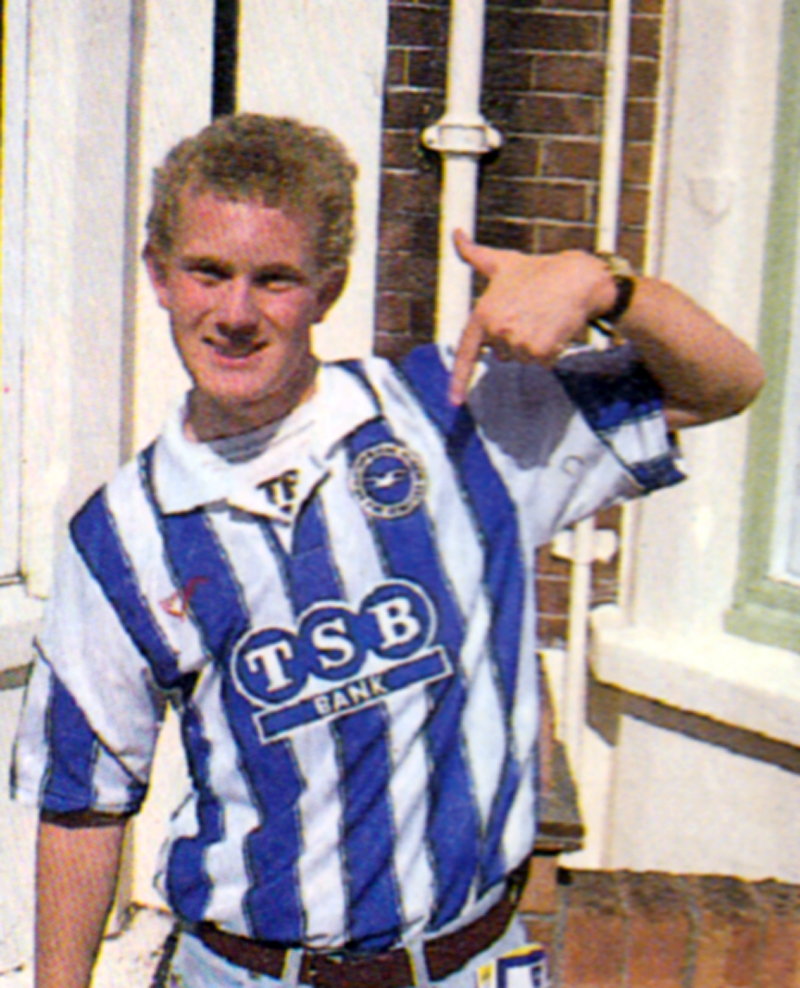
90minuteslive-matthewMatthew Andrews
18, from Hailsham, supports Brighton
“I like the midweek highlights rather than the live coverage. I think the highlights are more exciting. If you get a bad game you’ve got 90 minutes of boredom. With the highlights you get to see more teams, which is especially good at the start of the season when clubs have new players.”

Do you know Matthew, Justin or Nick? Please forward this article to them if you do.

(Click the image below to see the whole vox pops feature in all its glory).

90minuteslive

Tagged

John Gregory – happy by the sea

johngregory5

He may have blotted his copybook with Brighton fans years later, when seeking to sign Gareth Barry as Aston Villa manager without compensation, but there is little doubt that John Gregory provided sterling service to the Seagulls in those first two seasons in the First Division. A strong tackler, Gregory added steel and good positional play, as well as the ability to go on overlapping runs. His high transfer fee, then a club record, was worth every penny.

The £2S0,000 Brighton paid for Aston Villa defender John Gregory was almost chicken feed compared to some of the close season deals.

Says Gregory: “Once Trevor Francis went for a million pounds, everybody else’s price shot up by £50,000 to £100,000.

“Even so, the money I cost was •lot for Brighton, and you’ve got to put things into perspective. Costing that kind of money obviously causes a• little bit of burden but I hope not too much of one for me.

‘It took me •a long while to decide whether I would come here or not but that was nothing to do with the club or the terms they offered me. It’s just that my wife was brought up in the Midlands end had never travelled more then an hour away from there before. So her happiness, end that of our two children, had to be taken into account.

“They all like it down here though – and the kids love being by the sea. They’re treating it as •a permanent holiday.”

Gregory knows, though, that it won’t be any holiday for his team in the First Division during this crucial season of 1979-80. They’ll have to fight for their right to play in the top sphere.

“From what i’ve seen so far, I think we’ll certainly hold our own. We haven’t got many players with First Division experience but having seen how the other half lives in the lower regions of the Second and Third Divisions, I think our won’t went to give up life in the First too easily.

“I’ve probably got the most experience of the First Division. But Gerry Ryen’s been there, too. And we have Chris Cattlin end Graham Moseley, who know what it’s like.”

Gregory hopes that hell finally find himself a settled position at Brighton.
.
“At Villa, they seemed to regard me as a• player who could do •a job anywhere. I played full-back, central defender – even centre-forward. Now I’d like to settle at right-back.”

In his first season at the Albion in 1979/80, Gregory made 33 League appearances, all in the number two shirt, just the way he wanted.

Tagged

Captain Fantastic – Brian Horton

Loving the groovy graphic design of the 1970s? Me too!

brianhorton4

I’m unsure which football annual this article is from, but it’s a cracker. Alan Mullery talks glowingly about the qualities of his captain Brian Horton, surely the best ever skipper the club has ever had.

Try telling Alan Mullery that all you need a captain for these days is to trot out and choose ends.

For the Brighton manager’s achievement in taking the ambitious south coast club into the First Division for the first time in their 79-year history would have been much more difficult without his right hand man on the field – midfield general Brian Horton.

‘He’s got the same approach as I have,’ says the former Spurs and Fulham skipper who played 35 times himself in England’s midfield.

‘Brian’s a winner who can’t bear losing. He gets everyone else going.’

And Mullery admits that when he found Horton on the staff at the Goldstone Ground when he took over two years ago, he was happy to drop the priority item on his shopping list.

‘Before I went into management, I thought that having a good captain would be essential. Luckily Brighton had one in Brian Horton.’

As he has subsequently said, any thoughts that Mullery may have had of being a player-manager were quickly extinguished by the performances of Horton in 1976/77.

Mullery is quick to point out that it was his predecessor, Peter Taylor, who bought Horton, adding: ‘That’s just another example of the good judgment he’s brought to Nottingham Forest.’

The 29-year-old Horton was born and bred in the West Midlands at Hednesford and was inspired by watching the great Wolves sides of the 1950s from the Molineux terraces.

He’s still a fan and one of his schoolboy pals, Geoff Palmer, has played nearly 200 games for Wolves.

They will meet again in the First Division this season but while Palmer has been with Wolves since he was an apprentice, Horton’s route to the big time has been very different.

‘There were times I thought I’d never make it,’ he says. ‘My biggest fear was that I was too old.’

But after more than 200 games at unfashionable Port Vale, then in the Third Division, along came Peter Taylor to take him to Brighton for a modest £30,000.

And Brian has gone on to prove that there are as many late starters in football as in any other profession.

His goals last season were a vital factor in a promotion race which turned out to be a real cliff-hanger. But none was more important than the one which put Brighton ahead in that memorable end-of-season match at Newcastle.

The Seagulls had to win to be certain of going up and it was Brian’s goal which put them on the way when he showed typical determination and courage going in for a low diving header.

‘That was the clincher,’ he recalls. ‘It was doubly satisfying, too, because I don’t get many with my head.’

If anything pleased Brian as much as promotion last season, it was recognition by his fellow players by being named in the PFA’s Second Division side.

They weren’t asked to pick a captain but the betting is that Brian Horton would have topped the list in that category too.

brianhorton5b

Tagged ,

Why Malcolm Poskett asked Brighton for a transfer

With his gold chain, classic moustache and impressive goalscoring ability, the lanky marksman Malcolm Poskett became a favourite at the Goldstone in the late 1970s, following a £60,000 transfer from lowly Hartlepool in February 1978. All this despite competition from Peter Ward and Teddy Maybank.

malcolm_poskett

With Maybank facing a cartilage operation, Poskett scored on each of his first two matches for the Seagulls, against Hull and Burnley before a cherished hat-trick at Bristol Rovers in April 1978.

This article is from Shoot! magazine in 1978/79, when Maybank had a firmer grip of the number nine shirt:

poskett3a

Malcolm Poskett’s brilliant goalscoring has been one of the most important reasons for Brighton’s rise up the Second Division table after a poor start to the season.

Yet earlier this term, the £60,000 striker had wanted to leave the Goldstone Ground.

He explains: “I felt I was playing well enough to be in the first team, but I wasn’t getting a chance. Peter Ward and Teddy Maybank had the two striking roles and I couldn’t see how I was going to get into the team. The boss, you see, doesn’t think it works for all three of us to play in the same side. And I couldn’t see either of the other two being dropped. I asked for a transfer and I was actually on the list for a few weeks.”

But then Alan Mullery asked me to withdraw my request and a short time afterwards, I was in the first team,

“I don’t really mind who I play alongside in the forward line, but I do seem to get on particularly well with Teddy Maybank. I prefer playing with a big target man up-front. It’s the way I used to play at Hartlepool.”

“My strengths are my control on the deck, going past people to get into shooting positions.” Incredibly, Poskett is in only his second full season of League football. Having been turned down by Jack Charlton at Middlesbrough as a youngster, he got a job as a plater and played part-time for Whitby.

But he didn’t hesitate when he got another chance of League football in the 1976-77 season even though the club after him were struggling Hartlepool.

Poskett decided to give himself two years to make the grade.

His career was made, he says, by Hartlepool manager Billy Horner. “When I first went there I was a lazy player. At Whitby I just used to hang around goal and wait for the ball to come to me. But Billy made me work hard – almost to the point of exhaustion sometimes. And he told me I’d play in the First Division one day.”

If Brighton’s goal record had been a little better, Poskett would be there now, But they missed out last season because Tottenham had a slightly better margin, though the teams finished level on points.

Even so, Poskett thinks it will turn out to be only a temporary setback. He thinks this season, Brighton will prove good enough for promotion.

“I think we’re as good as anybody in the Second Division, although it’s so close, any of ten teams could go up. There’s been no outstanding side so far, but I reckon Palace will make it: “I just want to keep banging the goals in, so that I stay in the Brighton side. With three of us: competing for the two places, I never believe I’m in the side until I pull the shirt over my head on Saturday afternoon.

“I’ve set myself a target of 20 goals this season. I got 16 in the League last season — ten at Hartlepool and six in 11 full games at Brighton.

“So I don’t think 20 should be beyond me. And if the other front lads get the same, we’ll be pretty sure of a place in Division One.”

In the end, Ward, Maybank and Poskett each hit the target in the League ten times in the 1978/79 season, with Poskett’s hat-trick at Charlton in December showing him at his most prolific. Helped by Brian Horton’s magnificent tally of eleven strikes in Division Two, Albion’s goalscorers provided the perfect platform for Albion to build a successful promotion campaign to Division One.

Poskett did not experience much First Division football with the Seagulls, however. A substitute in the first two matches of 1979/80, he lost his place only to return in a League Cup clash with Northampton, where he hit the winner. Spurred on by this, and Maybank failing a fitness test, Poskett was recalled for the away Division One fixture at West Bromwich Albion, where (below) he nodded in Peter Ward’s cross after 83 minutes. One First Division start, one goal. This was a very impressive ratio.

poskettgoal2

With no more appearances due to the blossoming Peter Ward-Ray Clarke partnership, Poskett was sold to Watford for £120,000 in January 1980. According to John Vinicombe, ‘Poskett went like a shot to Vicarage Road.’ There, he played his part in the Hornets’ eventual promotion to the top flight in 1982, hitting seventeen goals in 63 League games.

Poskett later had spells with Carlisle, Darlington, Stockport, and Carlisle and Hartlepool again before hanging up his boots. For a man who took a pay cut of £50 a week to play for Hartlepool in his first spell at the club, the striker had certainly grabbed his chance to play professional football.

(And if you wish to relive your days as a, erm, Posketteer, a Malcolm T-shirt could be yours from Cult Zeros).

Tagged , ,

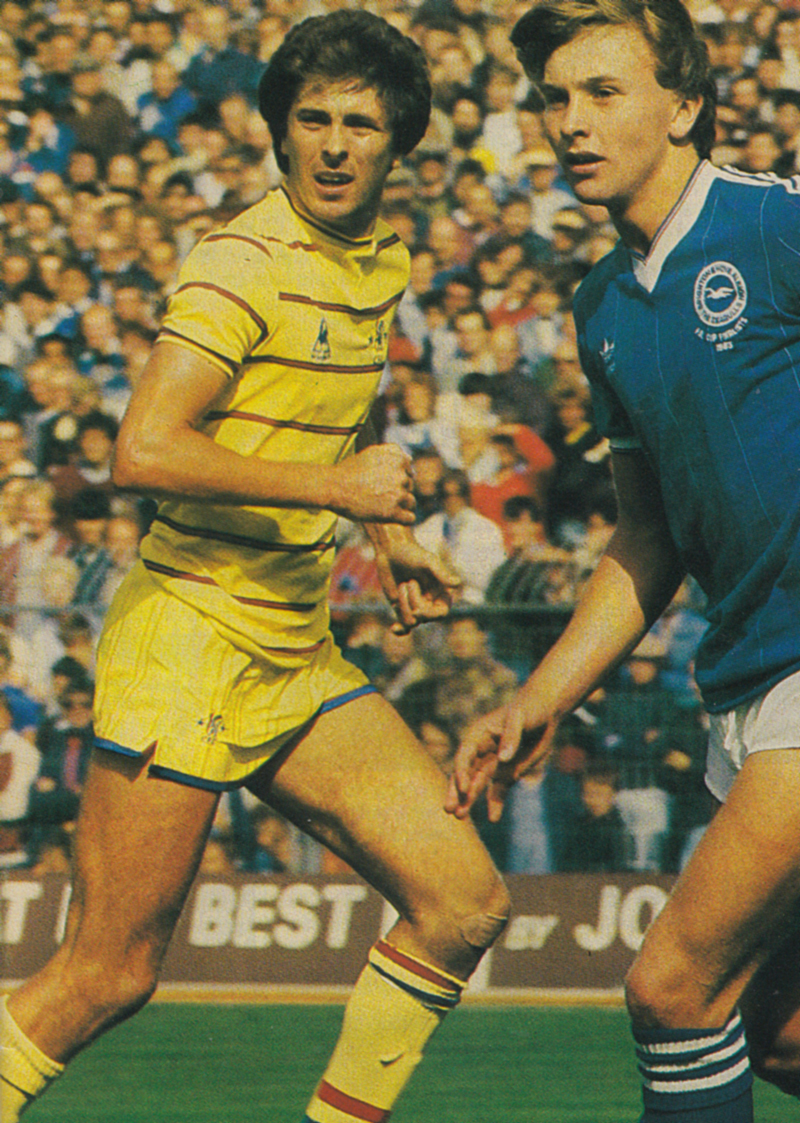
Black day at the Goldstone Ground: Brighton v Chelsea 1983

chelsea5

According to Tim Carder and Roger Harris’ ‘Seagulls!’ book, discussing the 1983/84 season:

An anonymous supporter took out a four-page advert in the Evening Argus on 2 September, appealing for more support and, in particular, for more vocal support; he wanted the game the following day to be a fun afternoon for everyone. He should not have wasted his money – it was the Chelsea match!’

Thirty years to the day, it certainly seemed like a match to savour, the first ever Football League encounter between recent FA Cup Finalists Brighton against a resurgent Chelsea, with rising stars such as Kerry Dixon, David Speedie, Pat Nevin, Colin Pates and Nigel Spackman firing all cylinders alongside very experienced players such as John Hollins and Colin Lee (below):

chelsea4

The Blues had trounced Derby County 5-0 on the opening day of the season. However, the spectre of football hooliganism was to mar the Albion v Chelsea game. As authors Carder and Harris went on to say:

Friday night saw running battles between Chelsea followers, police and local youths; and the game was played in a brooding atmosphere before 20,874 people, 8,000 of them from London.

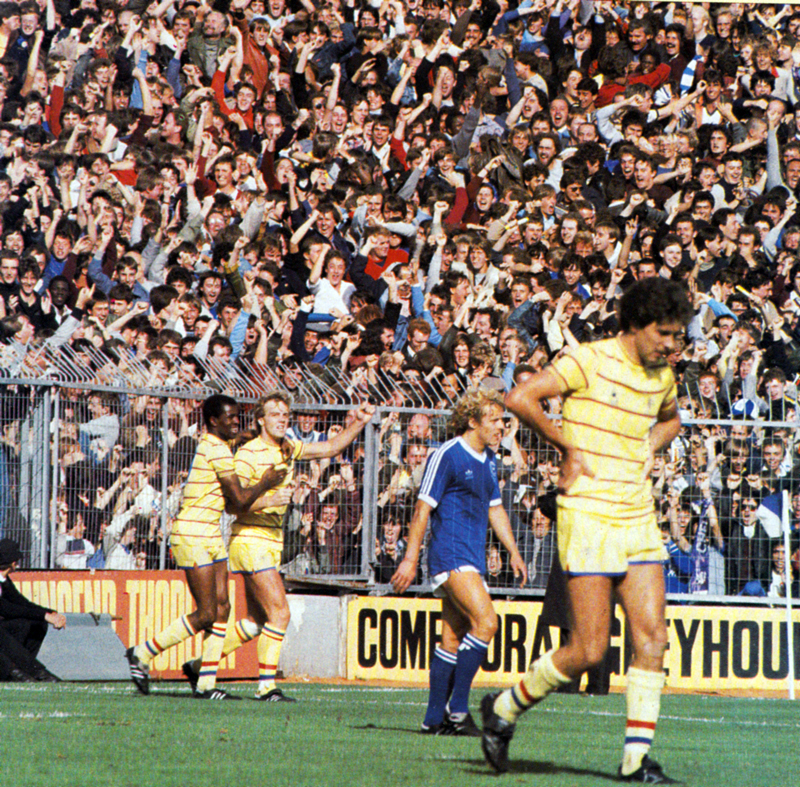
Played out in the sunshine, the highlight of the match for Brighton supporters was Alan Young’s spectacular banana shot after 76 minutes. Reporting in the Sunday Mirror, Pat Garrow wrote:

Chelsea were quickly in their stride and when the hapless Steve Foster handled in the box, Dixon gave the visitors the lead.

…a shaken Brighton stormed back. It started when Jimmy Case took a free kick that Niedzwiecki failed to hold and Young did the rest with a spectacular overhead kick.

Brighton’s joy was short-lived. A minute later Chelsea scored the winner. This time it was the consistent Clive Walker who squared the ball almost from the byeline across goal.

‘Keeper Digweed could only get his left hand to it and he pulled it down for Dixon to volley into the net.

chelsea1

The game was far from rough but referee Ken Baker kept bringing out his notebook.

Indeed, he showed the red card to one of the Chelsea players, which surprisingly drew fierce criticism from Brighton boss Jimmy Melia who said: “The referee was diabolical. The decision to send Canoville off for retaliation was terrible.”

But the drama did not end there. As Carder and Harris explained:

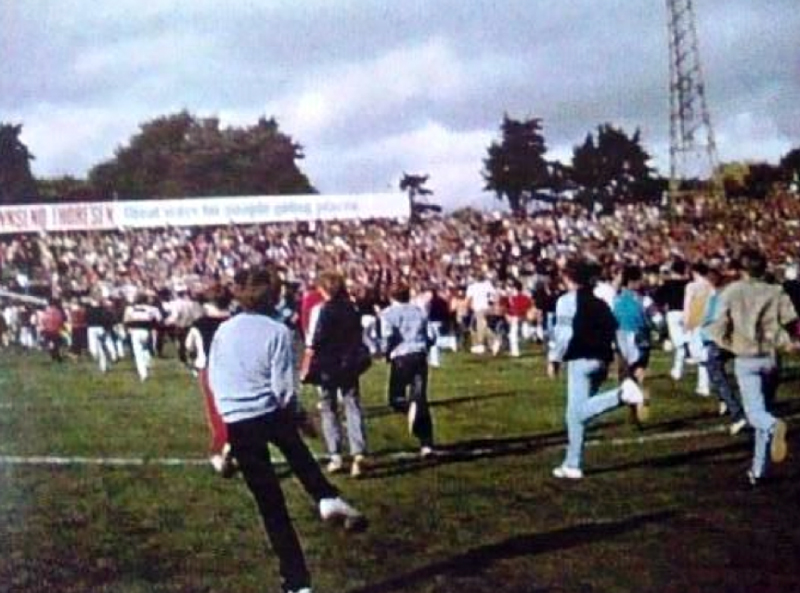
Chelsea supporters infiltrated all parts of the ground, and at the final whistle the hooligans invaded the pitch from all unfenced areas to launch a vicious attack on the hopelessly outnumbered police. By the time a police horse had managed to clear the pitch, seven constables were injured and the north goal was broken. It was the worst outbreak of violence ever seen at the Goldstone.

chelsea2a

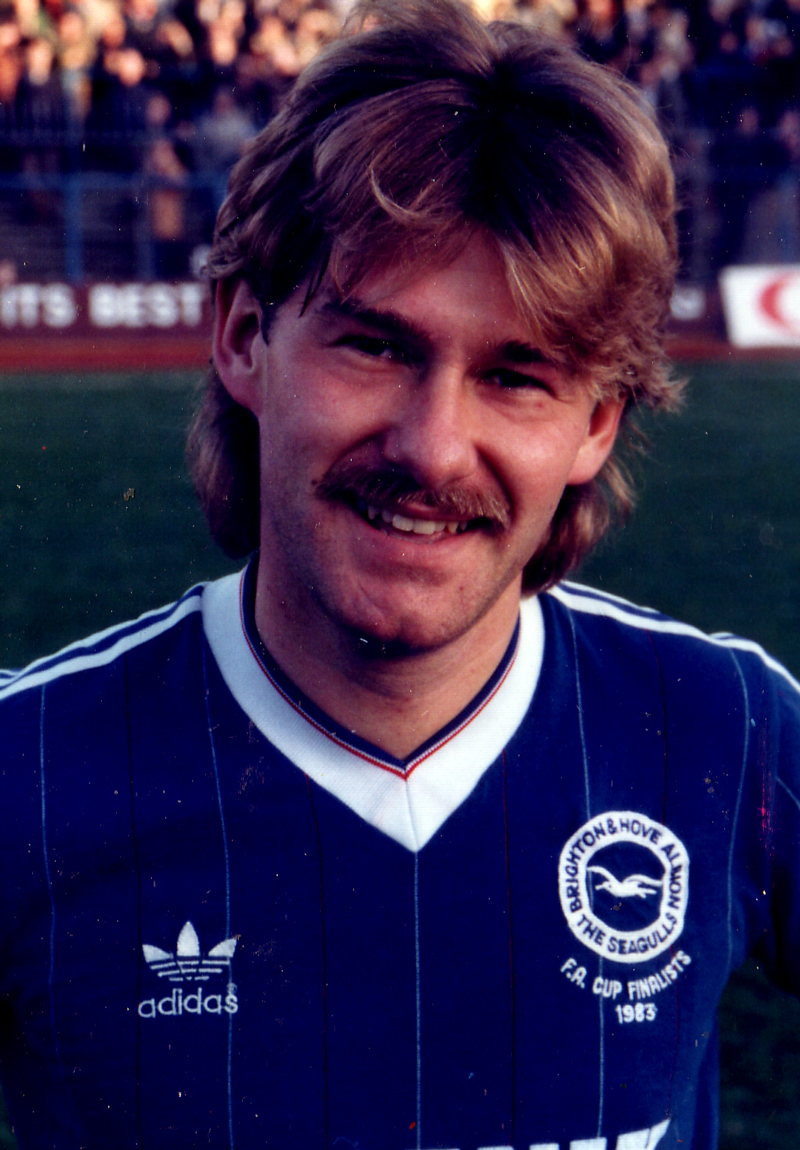
Chelsea’s left-back Chris Hutchings even got in on the act, and was charged with threatening and abusive behaviour for swearing at police trying to clear the pitch. According to an article by Spencer Vignes in the Brighton v Sheffield Wednesday programme in 2012/13, it started when he applauded the visiting support after the match, an act interpreted by a policeman as inciting further crowd trouble. As Hutchings said:

“All I did was clap them and this copper comes over and says ‘Get off the pitch at me.’ I said ‘No’ so he said ‘get off the pitch’ again and tried to help me on my way, and I told him to ‘Fuck off’ and ran down the tunnel. Next thing I know he’s nicking me!’

By the time the case was heard at Hove Magistrates Court, Chris Hutchings the Chelsea player had become an Albion player, signing for the Seagulls in a £50,000 deal in November 1983. I’m sure his signing on fee covered the £250 fine he received!

hutchings

With Hutchings a fixture at left-back, Brighton were eager to avenge the defeat in the corresponding fixture at Stamford Bridge on the last day of 1983. It was not to be as the sharpshooting David Speedie grabbed the winner to complete the League double over the Albion.

chelsea3

Tagged , ,