Category Archives: Media Coverage

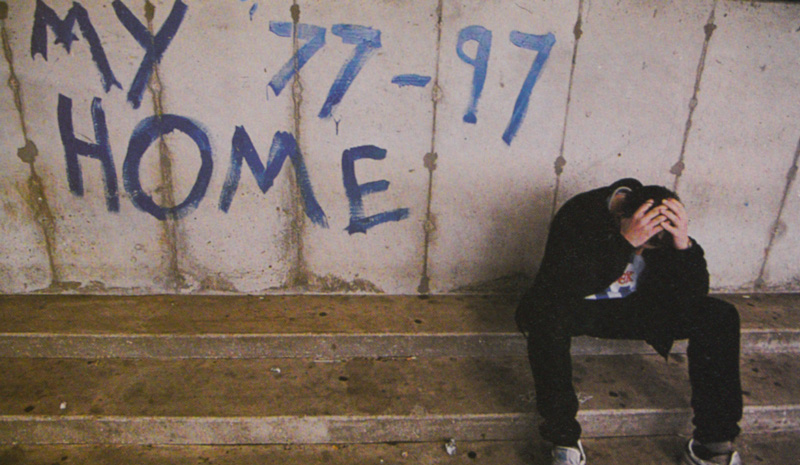
My 77-97 home

At the end of the 1996/97 season, Brighton wasn’t the only Football League club to lose their home. Bolton left Burnden Road, Derby County vacated the Baseball Ground, and Oxford, Stoke and Sunderland saw the last of their respective stadiums.

A fan and the terracing Bill Archer sold from under him.

A fan and the terracing Bill Archer sold from under him.

The big difference was that all those other clubs had a spanking new stadium to move into. The Albion had nowhere.

Here’s Total Football (July 1997)’s fact file on Brighton’s state of flux:

Old ground: Goldstone Ground
Final capacity: 11,500
Record gate: 36,747
Last game: Doncaster, April 26, 1997
New stadium: TBA
New capacity: TBA
Location: Who knows?

Background to move: The sale of the Goldstone to pay off debts of £6m sparked two years of protests. A month or so of groundsharing can’t be ruled out while a temporary location, either at the nearby Corals greyhound stadium, or perhaps Crawley Town’s new gaff, 20 miles north but still in Sussex, is organised. The consortium who wrested power from the old board include a representative of McAlpine’s, so when plans for The Seagulls’ new nest are revealed, expect something worth the wait.

We certainly got a great stadium in the end, but what a wait it turned out to be…

Tagged ,

Evening Argus: Next Stop Wembley!

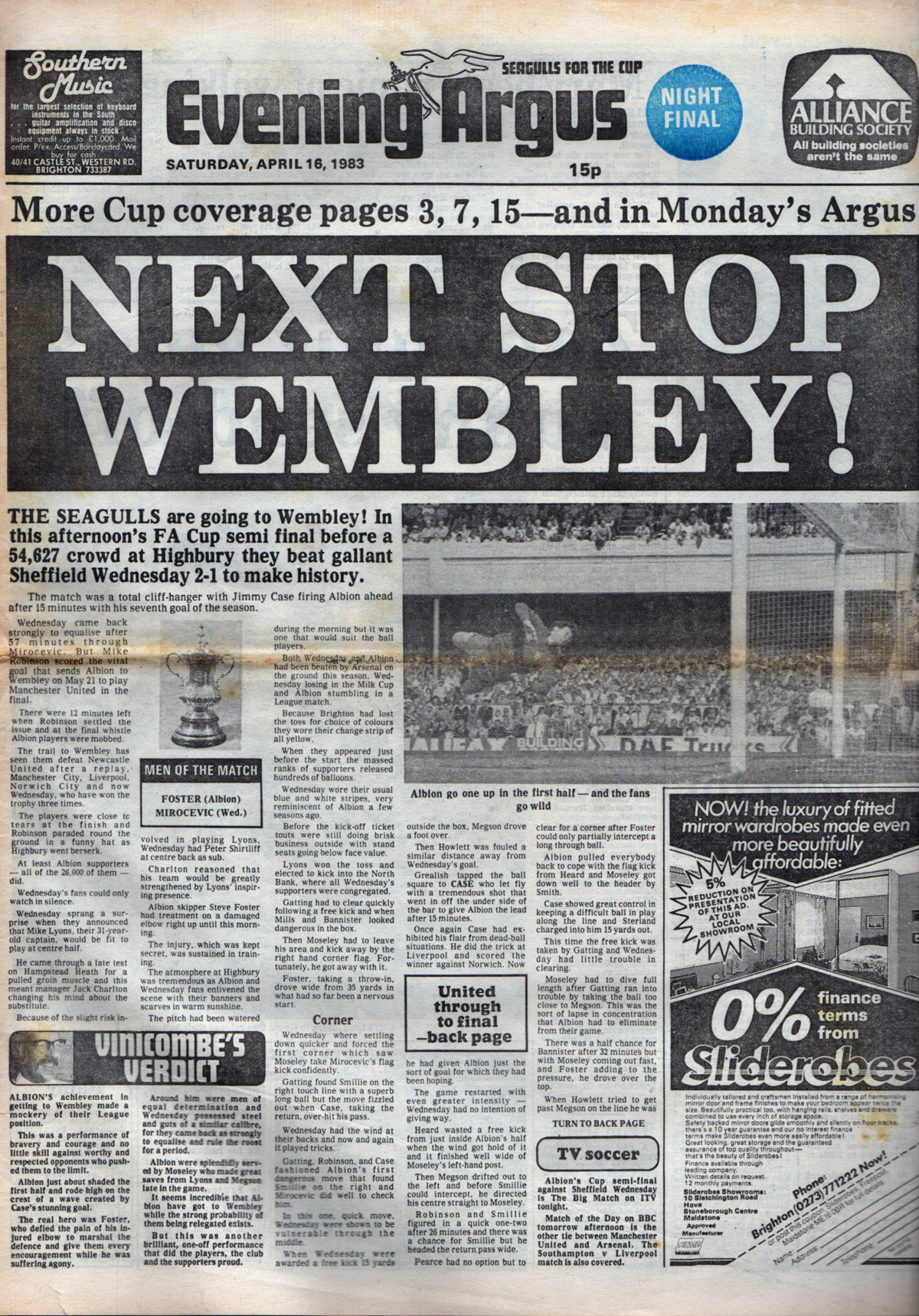
Here’s the Evening Argus headline for its Night Final on Saturday 16th April 1983:

arguscupsemifinal

I imagine most of us know in minuscule detail what happened on the pitch on that famous day of the FA Cup Semi-Final over Sheffield Wednesday at Highbury.

Inside, though, there is a story of how Gordon Smith’s parents Bill and Edith Smith travelled 500 miles from Ayrshire to see the game, and will be looking after the player’s three year old son Grant and daughter Lyagh-Ann, 12 months.

Meanwhile, Joan Shipp, secretary to the club’s commercial manager, Ron Pavey, tied up her stockings with a special lace garter made from yellow and blue ribbons. Decency prevents me from reprinting the shocking image of Joan flashing her thighs for the Argus here.

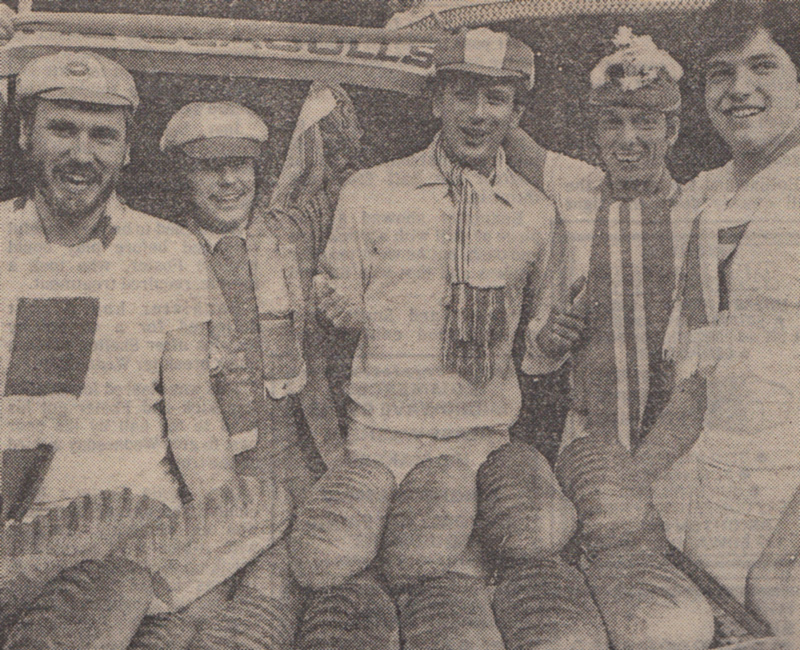
Elsewhere, at Forfars, work on Saturday kicked off early at midnight for some of its 45 workers, so they could all watch the game. Tim Cutress, the production director, said: “We have pushed everything out so we can all get up to London. Some came in at midnight and everyone started two hours earlier.”

Putting their dough on an Albion victory are Tim Cutress, John Joyce, Matthew Cutress, Graham Taylor (no, not that one) and Chris Budd.

Putting their dough on an Albion victory are Tim Cutress, John Joyce, Matthew Cutress, Graham Taylor (no, not that one) and Chris Budd.

Finally, we end with a story of …lurrrrve.

love

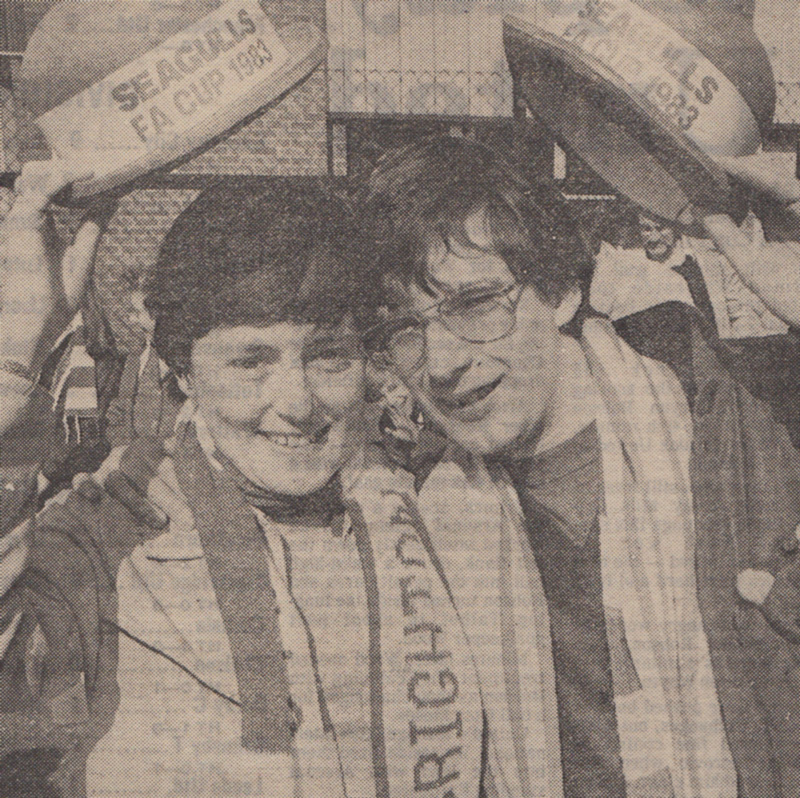
This couple in love set off for Highbury knowing it was their last chance to cheer Albion in this year’s cup.

“We are getting married on Final day so we know we would not be going to Wembley,” said communications engineer David Lewin, 22, a dedicated fan.

His marriage to 21-year-old Deborah Locke, of Devonshire Place, Brighton, was arranged before the team started its FA Cup charge.

“There is no way we can re-arrange the date,” said David of Eastbourne Road, Brighton. “But we will really enjoy today.”

Deboroah added: “We do not get married until 4pm so we can watch the first half of the Final on TV.

So, with Albion 1-0 up at half-time against Manchester United at 3.50pm, if you ever wanted to know why the soccer gods turned against the Seagulls, it’s because these ‘dedicated’ supporters David and Deborah turned off the telly at that moment. Bad fans!

Tagged

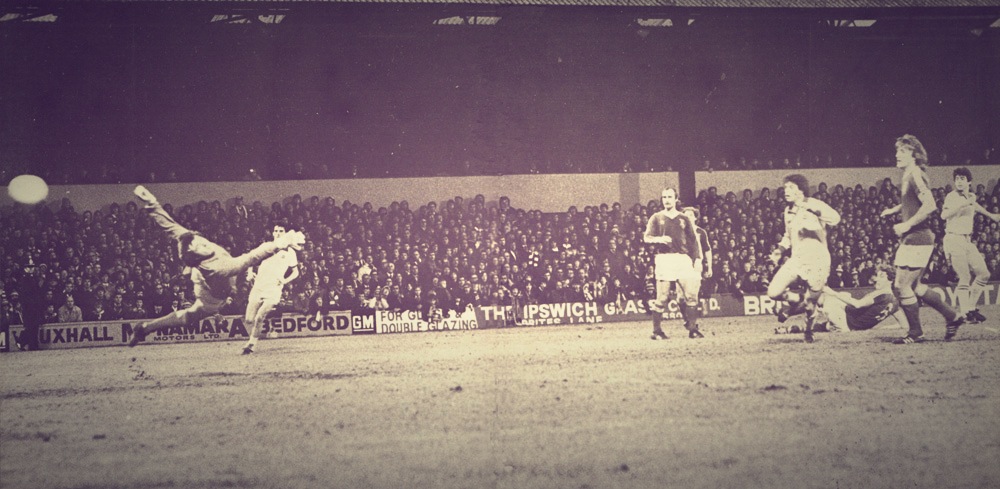
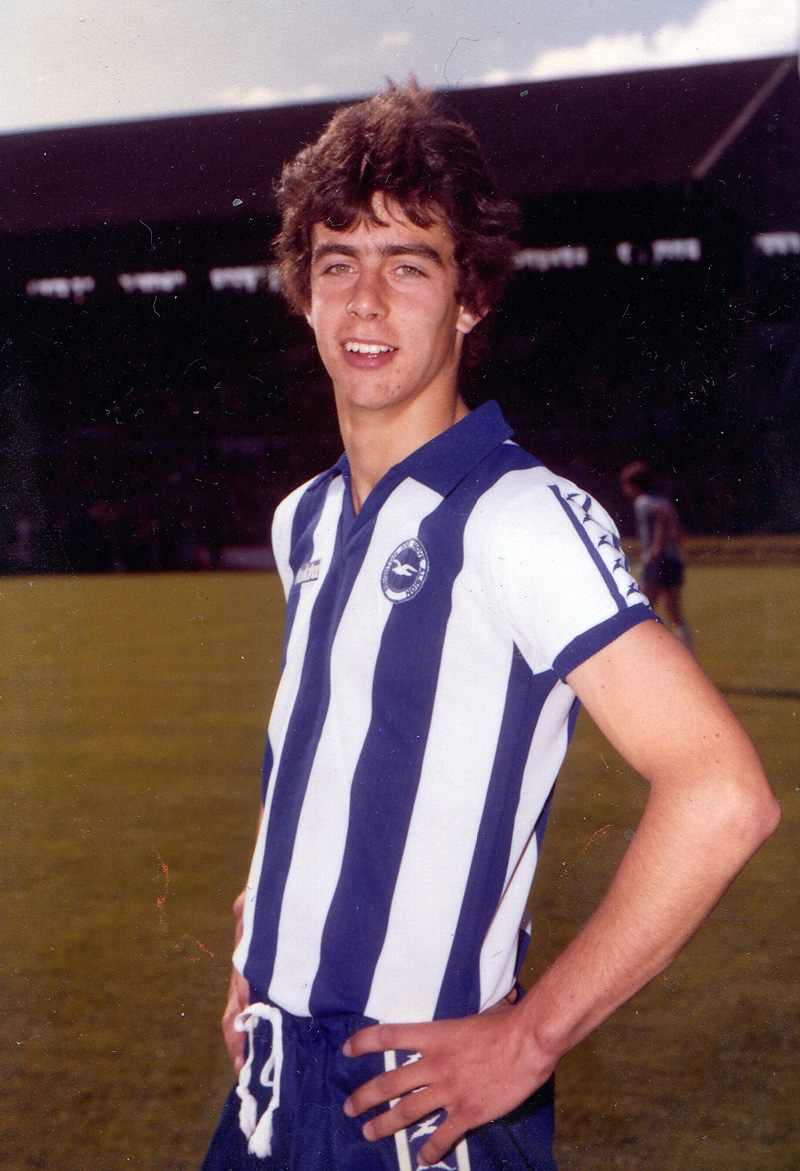
Ipswich 1-1 Brighton 1979/80 – Gary Stevens’ V-sign

ipswich2

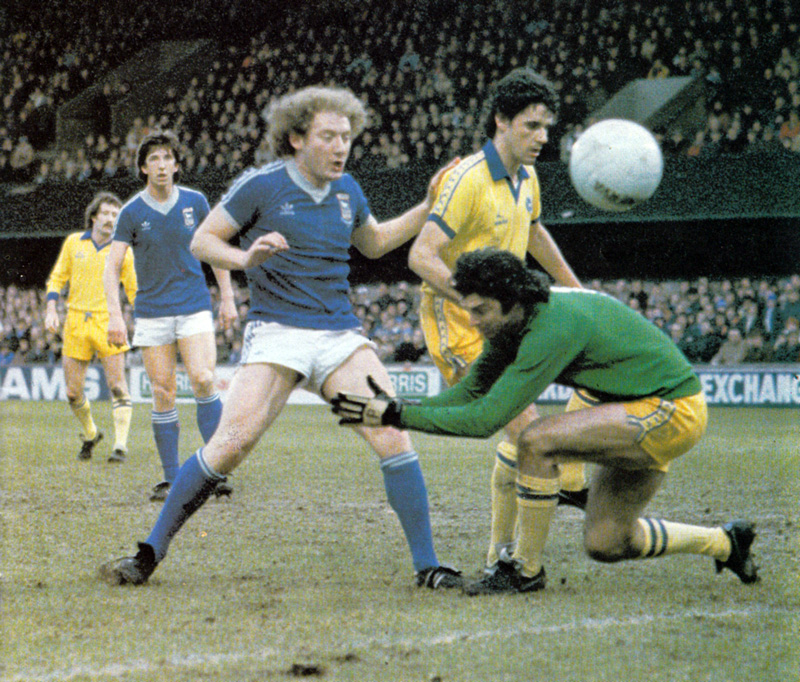
Gary Stevens made the headlines as Brighton held high-flying Ipswich to a 1-1 draw at Portman Road, and not just because he scored against his former club. From a match report by Philip Osborn in February 1980:

Brighton manager Alan Mullery leaped from the dug-out when the final whistle sounded to acclaim the spirit and perseverance of his men which magnificently maintained their recent League revival. A last-minute equaliser by 17-year-old substitute Gary Stevens earned Brighton their sixth point in their last four away games.

More significantly, it demonstrated that they have the character to withstand a series of cruel blows. Everything seemed to be going wrong for Brighton in a fierce game in which three men from each side were booked. They fell behind to a controversial 28th minute penalty and even saw a possible chance to equalise accidently blocked by referee Jeff Bray.

And to cap it all Gerry Ryan was carried off with an ankle injury after 68 minutes and looks likely to miss Eire’s match against England on Wednesday.

But despite the set-backs Brighton continued to dominate with Peter Ward leading the attack in sizzling fashion and Steve Foster superbly marshalling the defence.

‘To fight back after all that has happened and get a point away from home against a side that has been in such great form recently was marvellous,’ said Mullery. ‘It confirms that we have the skill and application to do well in the First Division.’

The penalty row came when Frans Thijssen drove the ball into the Brighton area and it struck Peter O’Sullivan on the hand.

The Brighton winger could hardly have evaded the ball as he was only two or three yards away, but the referee astonishingly awarded the spot-kick and John Wark hit the ball home. The referee was surrounded by angry Brighton players and he booked skipper Brian Horton for protesting too strongly. Mullery said later: ‘It’s got to be harsh when the ball is blasted at you from close range.’

Brighton, who had provided some excellent football, were furious again in the 60th minute.

Peter Ward, a constant danger with his sharp running and turning, was brought down just outside the Ipswich area. Horton and O’Sullivan combined to find a promising gap for Williams to aim at but as the Brighton man was about to shoot he found the referee blocking his way.

However, Brighton were not to be denied. Gerry Ryan’s injury led to a substitution, as John Vincombe, in the Evening Argus, reported:

Into the fray stepped Stevens, who two years ago was on schoolboy forms at Ipswich only to be rejected by manager Bobby Robson. At the parting, he wished Stevens well. Robson had been perfectly fair. In his opinion there was no future for Stevens, particularly with George Burley a permanent fixture in the League side. He also doubted Stevens’ physical qualities were enough for the pro game.

By sheer coincidence, Stevens, then an apprentice, made his League debut in the 2-0 defeat of Ipswich at the Goldstone on September 15.

He was subsequently offered and accepted full pro terms by Alan Mullery, and shortly before the return match both managers and Stevens met in the tunnel.

Young Gary and his former boss shook hands, and Robson again wished him well.

Once on the field, he went to right back. John Gregory moving up, and Albion started to push Ipswich back once more. Then, with referee Jeff Bray looking at his watch, Brian Horton clipped a short ball to Gregory who promptly knocked it inside for Stevens.

By this time, he was on the edge of the box, and without more ado he hit a right-footed shot that corkscrewed away from Paul Cooper.

As the ball hit the net, Stevens leapt and gave a jubilant V-sign to the crowd. No disrespect was intended. It was his first league goal, and over in the opposite stand his mum and dad went wild.

So did a few hundred Albion fans, who had seen their side claw a way back into an evil-tempered but rousing match. For Stevens, it was a story-book finish. He won’t be 18 until the end of next month, and to score in such circumstances bordered on fantasy.

‘I thought the keeper was going to save it,’ he said. ‘It’s funny, but when it went in I instinctively turned to the part of the ground where I used to watch with my old friends.’

ipswich3a

Recalling the incident years later, he told Spencer Vignes in ‘A Few Good Men’:

‘I’d come on late, got the ball on the edge of the box, controlled it with my left and hit it with my right into the net. The following day it hit the papers that I had run towards the directors’ box in celebration and stuck two fingers up in the air, supposedly because the club had let me go. I went into the training on the Monday and all the lads were taking the mickey out of my sticking two fingers up at Bobby Robson. I don’t remember doing that at all. It’s not in my nature to do something like that anyway. I’ve not seen any photographic evidence that I did, and I doubt that there were any cameras there either.’

gary-stevens

Whatever happened, Robson was full of praise for Stevens:

‘There was too much competition for him here but he had a lovely time today and good luck to him. He showed our right-back the way to hit cross shots.’

It certainly didn’t hurt the defender’s international prospects as six years later, Bobby Robson, then England boss, chose Stevens to be part of his World Cup squad for Mexico ’86.

Tagged

‘Skilful Soccer’ by Stephen Ford and Colin Woffinden

woffinden1

Stephen Ford was the Football Development Officer at Brighton & Hove Albion. He later become joint managing director of Albion In The Community, before stepping down in summer 2013.

Colin Woffinden was an ex-Albion player who became the club’s youth coach. His claim to fame was being part of both the Walton & Hersham and the Leatherhead sides that pulled off FA Cup shocks over Brighton in the 1970s.

Between them, they co-wrote this little-known book ‘The Guinness Book of Skilful Soccer’ in 1991, which, according to its back page:

‘breaks the mould of traditional manuals by going a step beyond their emphasis on soccer techniques – such as how to kick a ball – and developing these techniques into skills – such as passing and shooting – to be used under match conditions.’

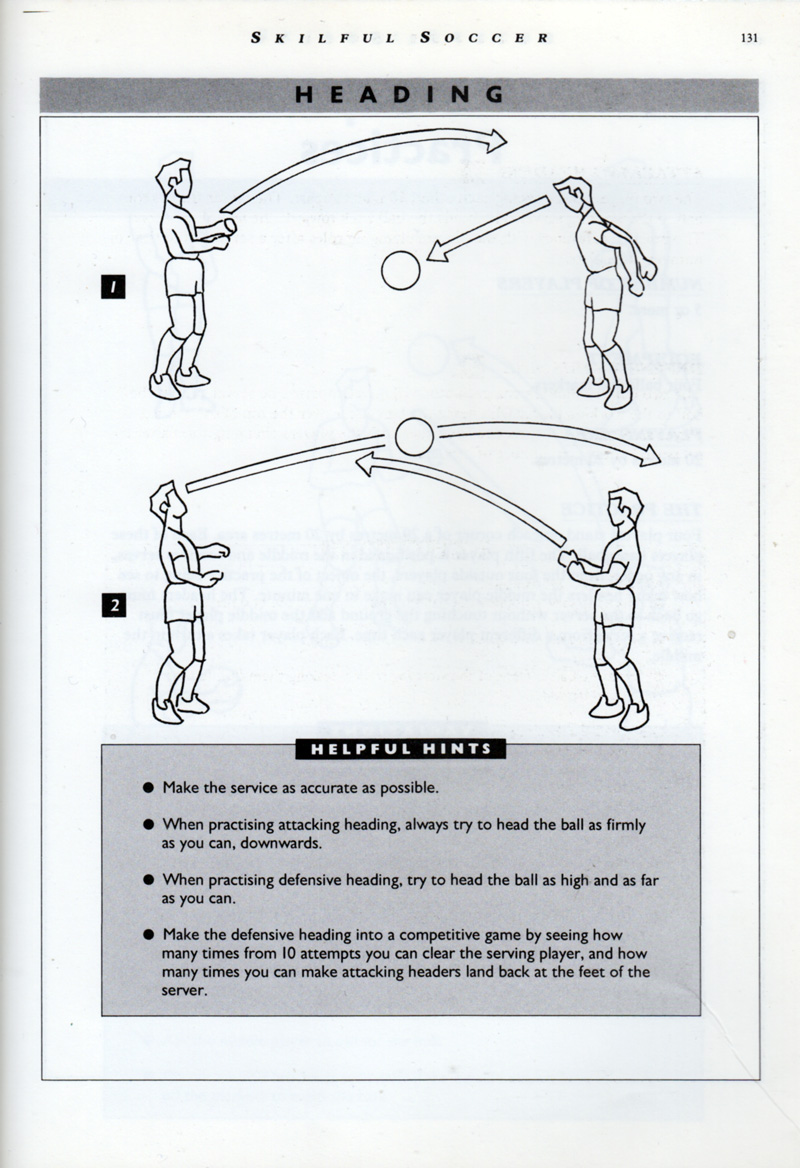
Here’s a sample page from the manual:

woffinden2

Although the graphics aren’t particularly cutting edge, the drills look decent enough. Anyway, it’s good to see two servants of the club so connected with the development of players sharing their football expertise in this way.

Tagged ,

No cash – but Brady’s aim is promotion

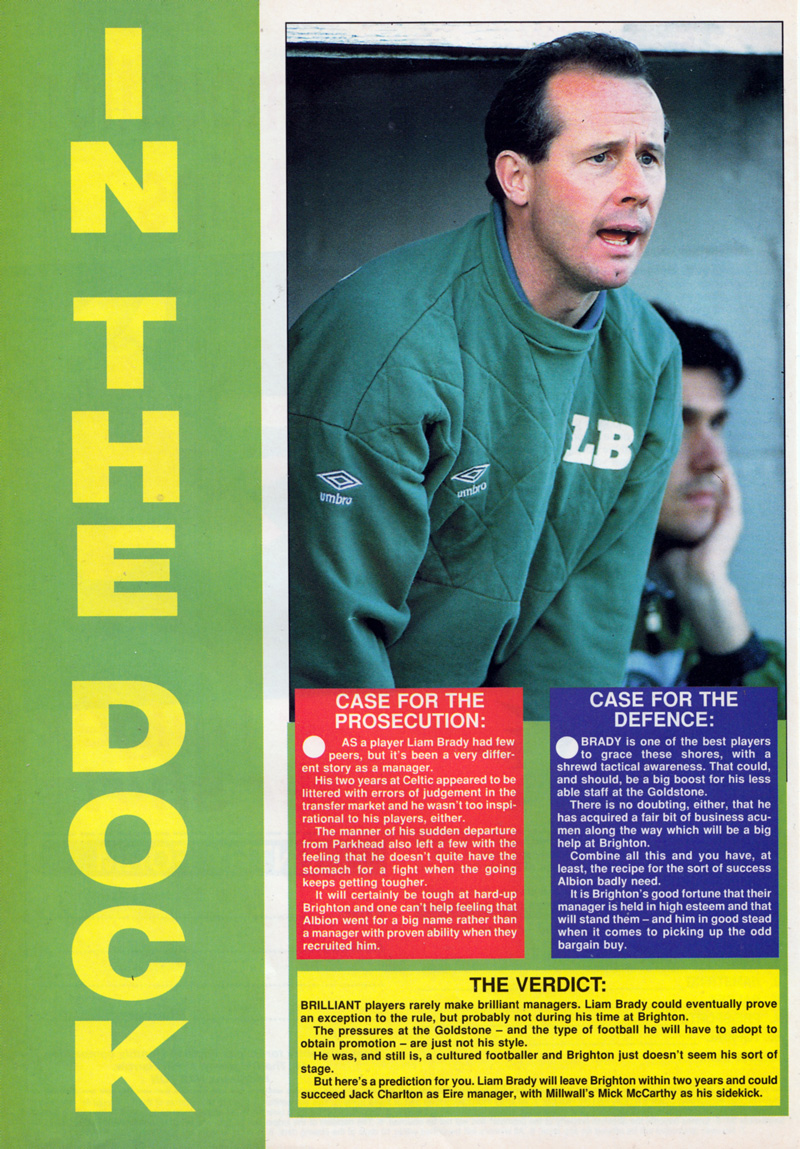
Football Monthly ran this interesting piece discussing the merits of Liam Brady’s managerial skills and his prospects at Brighton:

liambrady1

Colin Mafham’s excellent piece effectively captures the disparity between Brady the international superstar player and the unproven manager with barely two pennies to rub together at the Goldstone:

You couldn’t blame Liam Brady for wondering what might have been when he commentated on the World Cup finals in America.

There he was, the man who won 72 Ireland caps and also graced the soccer fields of England and Italy, rubbing shoulders with the sort of super stars he once mixed with regularly.

But any daydreams he may have had of returning to the high-life were abruptly ended.

He was brought down to earth with a thud when he flew back home to Brighton. Waiting to greet him there were a group of more humble pros and the prospect of a financial crisis.

For the seasiders, who won the imagination of the country 11 years ago in an FA Cup final clash against Manchester United and with a flamboyant manager called Jimmy Melia in white dancing shoes, are in real deep water again.

Brady, who took over the reins last season days after Albion escaped being folded up, returned to the fear that there might be no money to pay his players’ wages.

As it was they received their July salaries two days late.

It’s been one heck of a culture shock for the former stylish mid-fielder. One minute he was watching the likes of Baggio and Romario; the next he was trying to scratch together a few quid to keep less romantic heroes like Dean Wilkins, Kurt Nogan and Paul McCarthy.

As Brighton’s optimistic owner David Bellotti looks for a magic wand to keep the club afloat, so Brady searches for a miracle that will help lift his honest journeymen into the First Division [second tier] next season.

It is quite an astonishing turnaround for a man who was one of the highest paid players in the world when he was in Italy with Inter Milan and Juventus and splashed out more than £5 million trying to restore Celtic in his two ill-fated years as manager at Parkhead.

But he was honest enough to admit when he breezed into the Goldstone Ground last December: “1 have much to prove, haven’t I? I want to do it, otherwise I wouldn’t be here.” Liam signed a two year contract then with an undisclosed option at the end of it. And he remains confident. He reflects: “It was pretty hard deciding to leave Celtic. It was my first job in management and I will use the experience. The pressures are just as great here.

‘I’ve had 25 years in the game so far and I would like another 25; so I won’t be giving up without a fight, no matter what the hurdles are.

I plan to stay at Brighton rather longer than Brian Clough did” (42 days for those without long memories).

He’s already well ahead of that target – but can’t be certain how much longer the club will be around.

Despite promises from Mr Bellotti last season of a more stable future the edifice crumbled again at about the time Brady was returning from America. The club, the players were told, just didn’t have the readies to pay their wages on time.

But, and once again this is all new to Brady, the money was found and he kept his job – and his team.

The cause was, of course helped by a preseason visit from Spurs that attracted an 11,000-plus crowd – a couple of thousand more than Brighton need every week to break even.

Whether they get that depends on Brady’s ability to lift players of considerably less ability than himself, to heights that will take them into the First Division – and something more like the company the Irishman is used to keeping.

Brady couldn’t hide his yearnings after that Spurs match: “It was nice to play quality opposition again,” he said.

Well, if the bookies are any judge, there’s a fair chance he’ll be doing that NEXT season. Most rate Brighton’s odds of promotion at 12-1, with Birmingham, Stockport and Plymouth the only teams more fancied than the South coast club in the pre-season betting.

But even Liam Brady has to admit he’ll need a bit more luck than he’s had so far in his managerial career to lift Brighton.

Money – or the lack of it – has decreed that he has to make do with what he inherited. There have been no Celtic-style buys this close season.

The only new faces have arrived on free transfers – striker Junior McDougald and Jeffrey Minton, a midfielder, both from Spurs, plus Peter Smith, a youngster from non-League Swanley Town.

So, for the moment at any rate, Brady will have to live with his memories of Highbury, Juventus and the last World Cup.

But if he does get the breaks and Brighton do respond to his promptings there is the prospect of a brand new stadium to which he can look forward.

Money permitting, Brighton hope to move into that by the 1997/98 season. Whether Mr Brady will be with the team then remains to be seen.

Of course, predictions of Albion moving into their new stadium by 1997/98 were wildly over-optimistic, as were the pre-season dreams of promotion, although Brighton showed excellent form at the start of the 1994/95 campaign. Brady won the divisional Manager of the Month award in September 1994, before that famous 2-0 victory at Filbert Street over Premier League Leicester City.

The wheels came off thereafter as star striker Kurt Nogan once again went through a long goal drought and Albion faded badly that season, ending in 16th position. By 1995/96, the turmoil of the disastrous sale of the Goldstone and the disharmony at the club took their toll, not least on the players who found themselves in a relegation battle. Brady even found himself in the frontline to end a supporters’ half-time pitch protest. Despite retaining the backing of fans, he resigned in November 1995.

While it was almost an impossible job, Brady did not manage to disprove the dictum in the Football Monthly article’s verdict: ‘Brilliant managers rarely make brilliant managers.’

Tagged

Brighton v Bolton, 1979: our first ever top flight victory

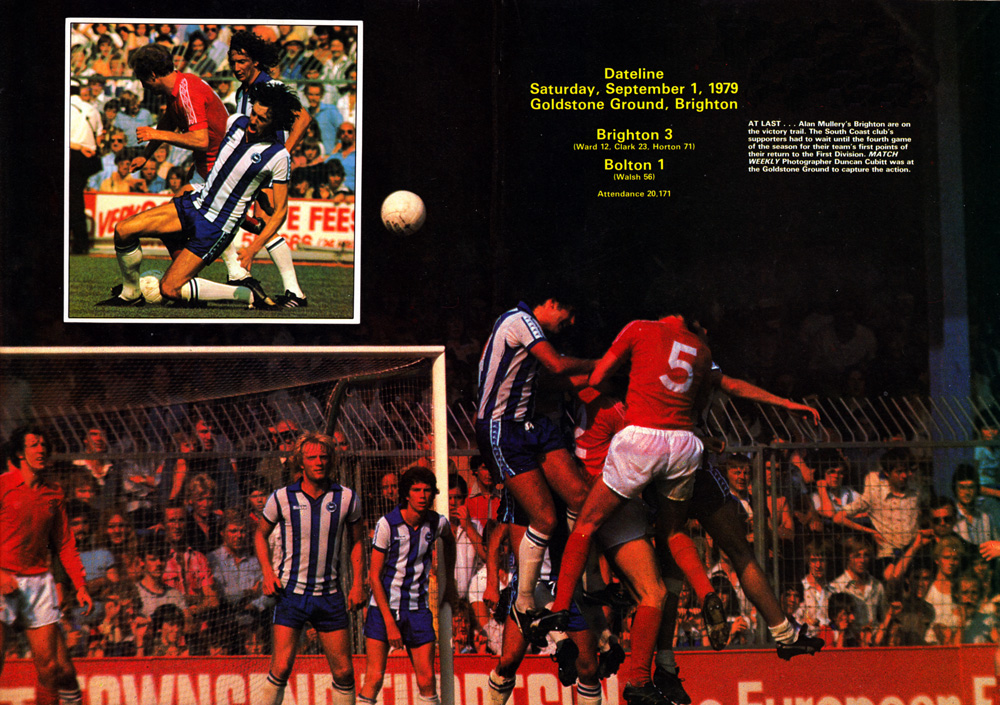
Match magazine published a double-spread photo-feature to commemorate the Seagulls’ first ever win in the First Division:

bolton

After defeats to Arsenal, Aston Villa and Manchester City, the taste of victory was most welcome. And it was surprisingly easy to obtain. From the Evening Argus, entitled ‘Real hot win for Seagulls’:

At their fourth attempt, Albion gained their first Division One win this afternoon, beating Bolton 3-1 before a 20,171 Goldstone crowd.

Albion were easily the better side and well deserved to beat unbeaten Bolton, who had previously drawn with Aston Villa and Liverpool and beaten Southampton.

Albion got off to a cracking start with a Peter Ward goal after 12 minutes. Paul Clark increased the lead ten minutes later.

After dominating the first half, Albion conceded a soft goal at 56 minutes when Mike Walsh sneaked in to head home following a corner.

Any doubts that Albion would be involved in a cliff-hanger finished were dispelled when skipper Brian Horton scored their third goal with 20 minutes remaining.

The disappointing crowd had full value for money as Albion triumphed with an all round team effort. They left the pitch to warm applause.

After defeat to Arsenal, Aston Villa and Manchester City, this was a satisfactory breaking of the ice – and on a day when the temperatures soared!

Albion fielded an unchanged side with Ryan as sub while Bolton dropped Nicholson and introduced Burke for only his second League game. It was Foster’s First Division debut.

Horton shot over after four minutes following a strong run by Sayer, but already Bolton looked a well organised side.

When Bolton attacked down the left and then hit long balls through the middle, Foster got up each time to head vigorously away.

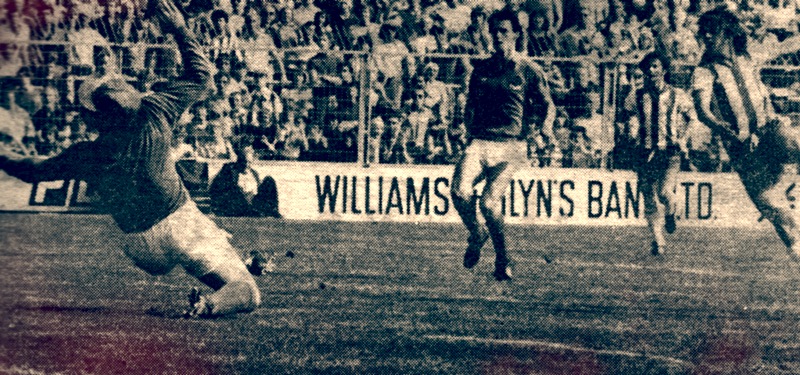
After only 12 minutes Worthington, who has returned to Bolton on Tuesday after playing in the United States, was spoken to be the referee for a foul. And from the free kick Albion took the lead through Ward following a neat one-two with Clark. The return pass found Ward moving into space and his finish was quite deadly to give Albion their first Division One goal at the Goldstone.

Brighton's first ever Division One goal at the Goldstone... by Magic!

Brighton’s first ever Division One goal at the Goldstone… by Magic!

Back came Bolton and Horton did well to block a long range drive from McNab.

Next it was Lawrenson’s turn to snatch the ball off Gowling’s foot and Albion’s answer was to slow down the tempo with O’Sullivan dictating the tactics from midfield.

Maybank got his head to a long through ball by Lawrenson and it touched Walsh’s head and went for another corner. This time Foster went up for Gregory’s cross only for Bolton to clear.

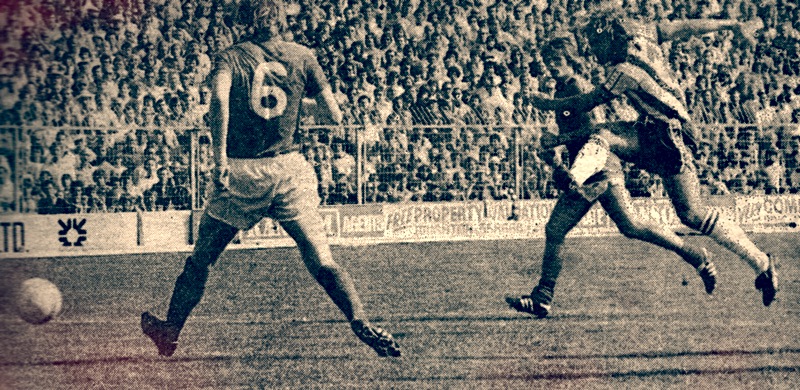
The non-stop pressure paid off when Clark drove Albion further ahead at 22 minutes. Maybank pressed the ball down to him and Clark, belting in from the edge of the box, gave it everything and his shot kept low and sped very fast past McDonagh’s right hand.

Easy Tiger... Clark doubles the lead

Easy Tiger… Clark doubles the lead

It was the first time this season that Bolton had had two goals scored against them in a League match. They could not have complaint at being behind at this stage as Albion had struck a purple patch and were tearing them apart.

When Maybank was tripped he angrily demanded a foul, but the referee waved play-on. When Maybank persisted he was booked.

Horton headed just over the top at the half-hour from Williams’ cross. The move was surely worth another goal but Horton got up a fraction too high with his final effort.

The ease with which Albion were getting their crosses in was giving them a great deal of power and Gregory, in particular, was behind most of the pressure down the right. Also, Horton was winning his midfield battle with McNab.

When Ward put Sayer through, Bolton’s defence was in a terrible tangle and between them Burke and McDonagh were happy to scramble the ball away for a corner.

Only weight of numbers kept Ward out as another scramble took place by the near post as McDonagh was caught in two minds.

Albion’s work rate in the half had been tremendous considering the heat which made conditions all against good football.

Ward, receiving from O’Sullivan, had a shot charged down as the half-time whistle blew. Albion left the field to a standing ovation.

After 53 minutes Jones was booked for a foul on Ward. Before the free kick could be taken Nowak replaced Worthington. Foster moved smartly to get his head to a long through ball but could not avoid conceding a corner. The flag kick was taken by Greaves. When it swung out Walsh rushed from the edge of the area, got his head to it sharply and headed low past Moseley and a crowd of players from a good ten yards.

Now Bolton had something to fight for. Nowak had gone to the right wing and they looked to his pace to split Albion.

Bolton were coming much more into the game with 30 minutes remaining, and McNab was allowed to run 25 yards without a challenge. Luckily for Albion his final effort went past the final post.

Walsh was booked for a foul on Gregory at 65 minutes. Then came a tremendous mix up in Bolton’s goalmouth when McDonagh succeeded in grabbing the ball from Maybank on the line.

And at 70 minutes Horton eased Albion’s anxiety with a spectacular 25-yard goal. A free-kick by O’Sullivan found Horton unmarked and when he saw McDonagh off his line, he placed his shot perfectly over his head and into the back of the net.

A minute later Clark was replaced by Ryan.

In the last five minutes Williams had a tremendous run down the left, but when the pass came through Ward ballooned over the top.

Although the next Division One match was lost narrowly, away to Spurs, Brighton and Hove Albion’s fine September continued as they beat a very experienced Ipswich Town side in the next League fixture at the Goldstone. By the time the side stormed back from 2-0 down to snatch a point against West Bromwich Albion towards the end of the month, the side stood 16th in the table. Could it be that this top flight survival business was looking like a doddle?

Tagged , ,

It Was Magic!

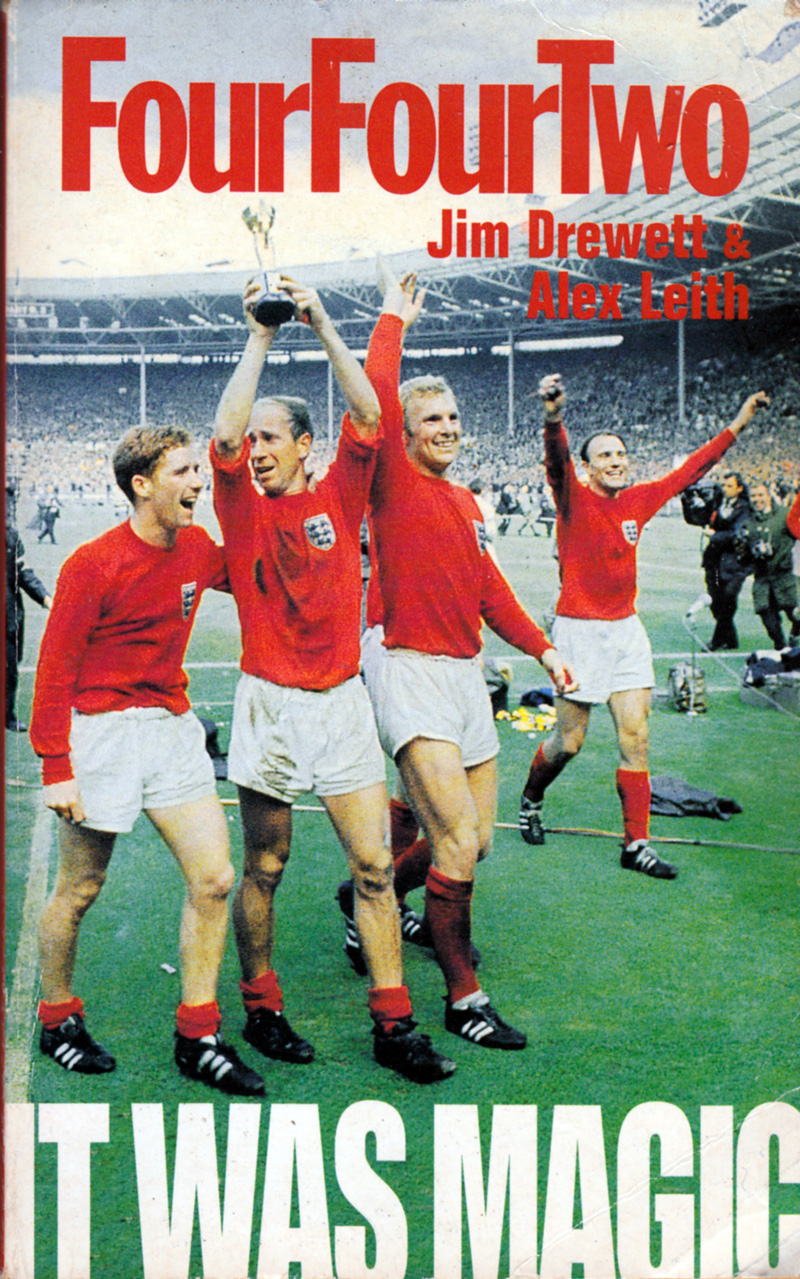
I found this fascinating book in a second-hand shop years ago for just 99p. Published in 1997, and written by Jim Drewett and Alex Leith:

itwasmagic

It’s a compilation of the best ever 100 football matches. As the back cover says:

“Hundreds of football stars from Sir Stanley Matthews, Gordon Banks and Glenn Hoddle to Steve Ogrozovic, Bob Wilson and Sepp Blatter voted for their favourite games of all time.”

It’s a stirring synopsis of some quite marvellous matches from football history. From England’s 3-6 humbling by Hungary in 1953, Brazil 4-1 Italy in 1970, to Charlton beating Huddersfield 7-6 in 1957. Others include Second Division Watford responding to a 4-0 defeat in the first leg of a League Cup tie against Southampton by thrashing the First Division side 7-1 in the return leg in 1980. Oh, and Crystal Palace 4-3 Liverpool in 1990.

Besides these highly appealing inclusions (even the Palace one), for Seagulls fans, there was added interest as in his introduction, Jim Drewett stated:

The inevitable British bias meant Brighton and Hove Albion looked like making an astonishing three appearances in the top one hundred (which has more to do with Alan Mullery’s choices than my co-author’s loyalties, honest!)

Brighton’s 3-2 victory over Sheffield Wednesday at the Goldstone Ground in 1976/77 made it in at number 67 in the book’s list. It was a result which guaranteed promotion from Division Three. Drewett’s co-author Alex Leith wrote:

peterward76

Peter Ward was the darling of the Brighton fans in the 1976/7, and a quick burst of acceleration and a lethal shot made him the most feared striker in the division. Every time he got the ball he looked like scoring, which he did thirty-six times that season. But he nearly blew it for Brighton in this vital end-of-season match.

Ward was backed by a gutsy team, with Ian ‘Spider’ Mellor alongside him up front, Brian ‘Nobby’ Horton running midfield, and Irish international Peter O’Sullivan on the flank. But Jack Charlton’s Wednesday, in seventh position, did their best to spoil the party on the night, scoring in the first minute, and holding out to go into the interval 1-0 up. Just after the restart the nervous crowd could afford to relax slightly when Brighton were awarded a penalty, and Ward stepped up to take it. Everyone was confident. He was deadly in the box… until he missed. But Ward made amends with a fifty-seventh minute equaliser, and on seventy-one minutes he won another penalty for Brighton. A season’s toil rested on one kick.

brianhorton

Skipper Brian Horton took it this time, and made no mistake.

steve_piper

Local boy Steve Piper slammed home a third goal four minutes from time which meant that Wednesday’s second goal, scored in the last minutes, served only to add to the tension.

1977

The referee’s final whistle signalled a celebratory crowd invasion, and Brighton were on a roll that eventually took them to the First Division and the FA Cup Final.

A cracking piece, and it’s followed by the 1983 FA Cup Final coming in at number 92 and the Newcastle v Brighton match in 1979 featuring at number 97. That last game must have been of particular interest to Alex Leith as in the author notes in this book he is described as:

Born in Newcastle and brought up just outside Brighton, which means his heart is split in two between United and Albion. He became a sports journalist after the lure of the lira saw him spend four seasons in Italy.

Purely by fluke, I was in contact with Alex on Twitter and realised he was one of the authors of this book I had read. I asked him his thoughts on putting together ‘It Was Magic’, sixteen years on:

Difficult book to write! We did a survey of 100s of people in the game. It was before the internet was a useful research tool, so we relied on books and word of mouth and programmes and suchlike. Labour of love. An Albion bias because of the people we asked. Mullers etc. Got interviewed on Radio 5 by John Inverdale but it got cut short because it was the day Dolly the Sheep was announced!

Alex is now editor of Viva Brighton which has done some superb interviews with some Albion greats from yesteryear such as Brian Powney, Peter Ward, Alan Mullery and Brian Horton.

Tagged , ,

Handball!

handball

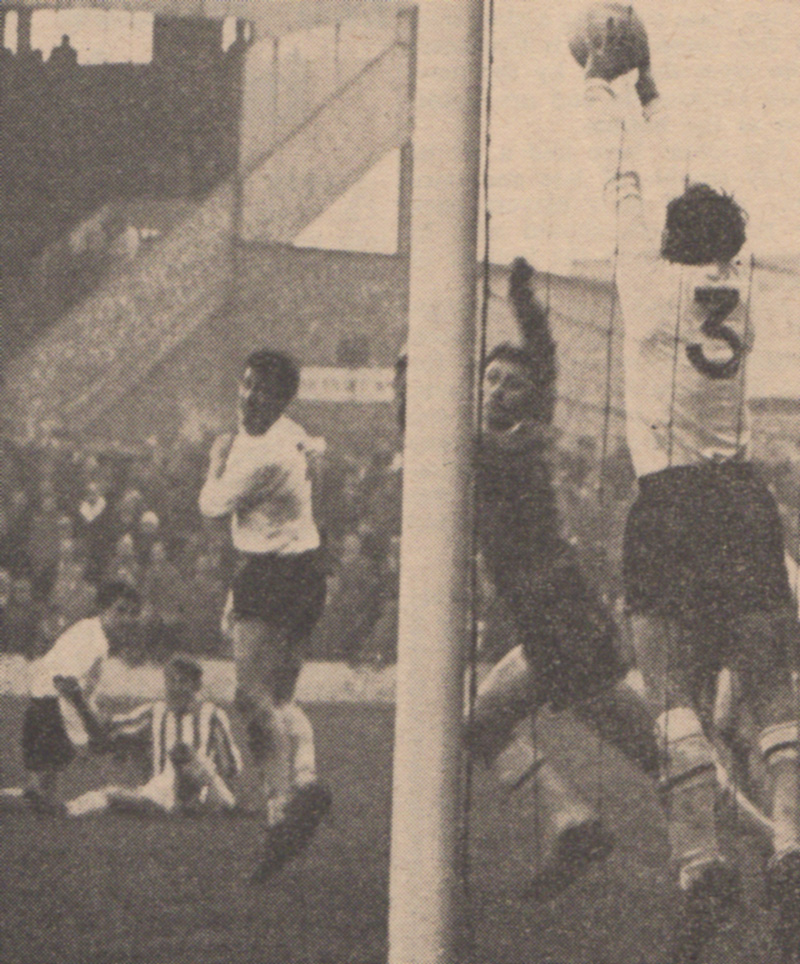
Brighton forward John Goodchild (striped shirt) may be floored, but he succeeded in beating Darlington goalkeeper Keith Hird only for left-back Brian Henderson to save in expert fashion. At the time, he would not have faced a red card for this offence. For a team nicknamed the Quakers, Henderson’s actions were hardly in keeping with the ethos of this religious movement!

This photo was taken in 1963/64 when Brighton did the League double over Darlington in Division Four. If, as was likely, a penalty was awarded to the Albion, it certainly wasn’t scored. No matter, Goodchild got the winner in the 2-1 away win in April 1964.

Goodchild eventually played 176 games for the Albion after signing from Sunderland in May 1961, scoring 46 goals. After a magnificent season as a left-winger for Brighton in the Fourth Division Championship side of 1964/65, he left the Goldstone to join York City in June 1966. By that point, he must have forgiven Darlington as he joined their side a year later before hanging up his boots.

johngoodchilda

Tagged

Boycott Focus DIY, urges 90 Minutes magazine

It may have been founded by a Crystal Palace fan, Dan Goldstein, yet 90 Minutes magazine was not averse to giving coverage to Brighton throughout the seven years of the publication’s existence. Indeed, the diversity of the paper suggested that the concerns of fans of lower league clubs were every bit as important as those of the big clubs.

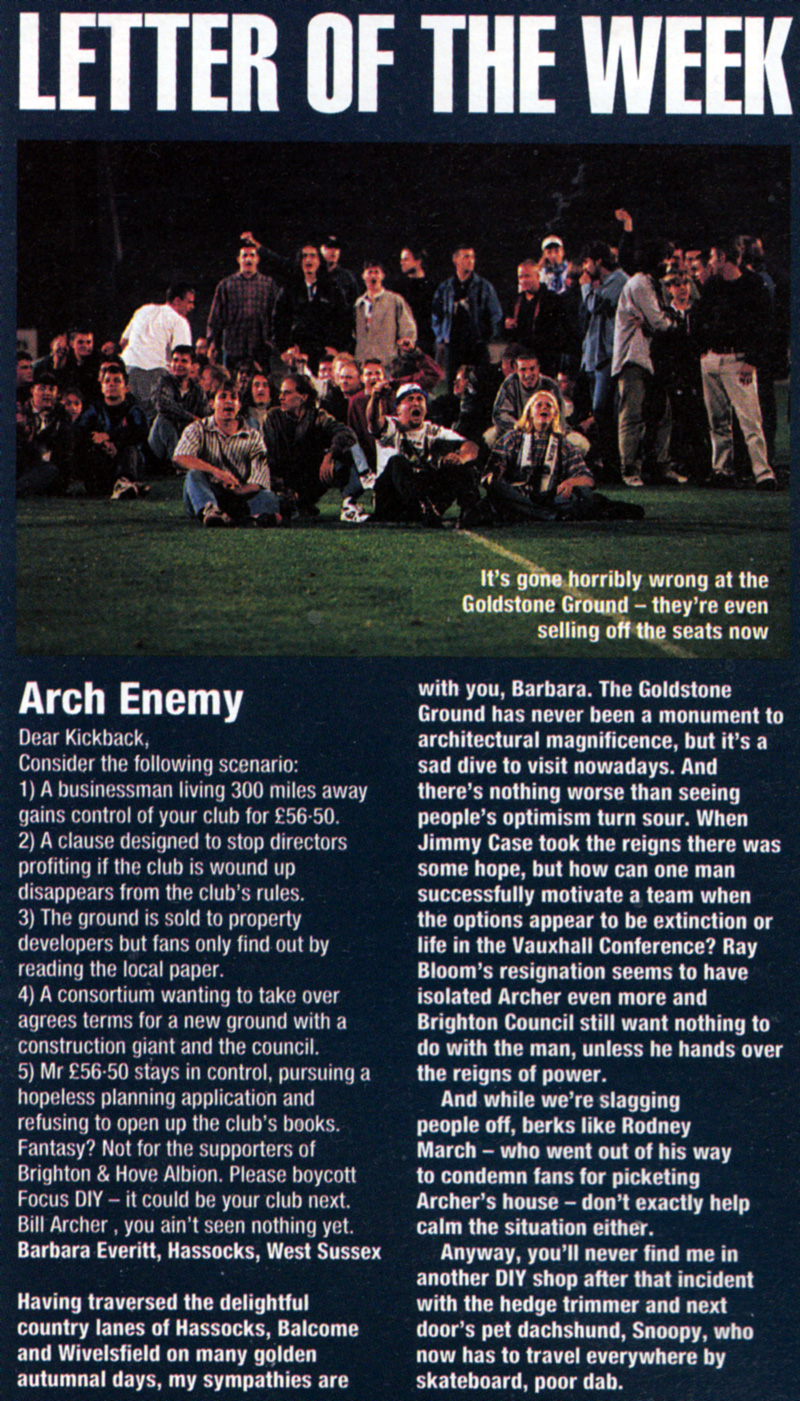
By 1996/97, the turmoil surrounding the Albion was reaching epic proportions. In 19 October 1996 (Issue 330), Barbara Everitt of Hassocks won the Letter of the Week award (£10) with this finely penned call to football fans:

letteroftheweek

iestyngeorge The excellent, sensitive response is by Iestyn George (Twitter @iestyngeorge), the senior staff writer at the time. He now lives in Brighton, and is a Lecturer at Solent University in Southampton.

As we all know, Brighton & Hove Albion did survive despite the traumatic events at the club. Less fortunate was 90 Minutes magazine, which folded with its 17th May edition, a fortnight after the Hereford match.

Tagged ,

QPR’s Shanks risked the dole queue to join Brighton

With Brighton visiting Queens Park Rangers tomorrow night, it’s time to revisit the career of footballer who played for both clubs:

shanks

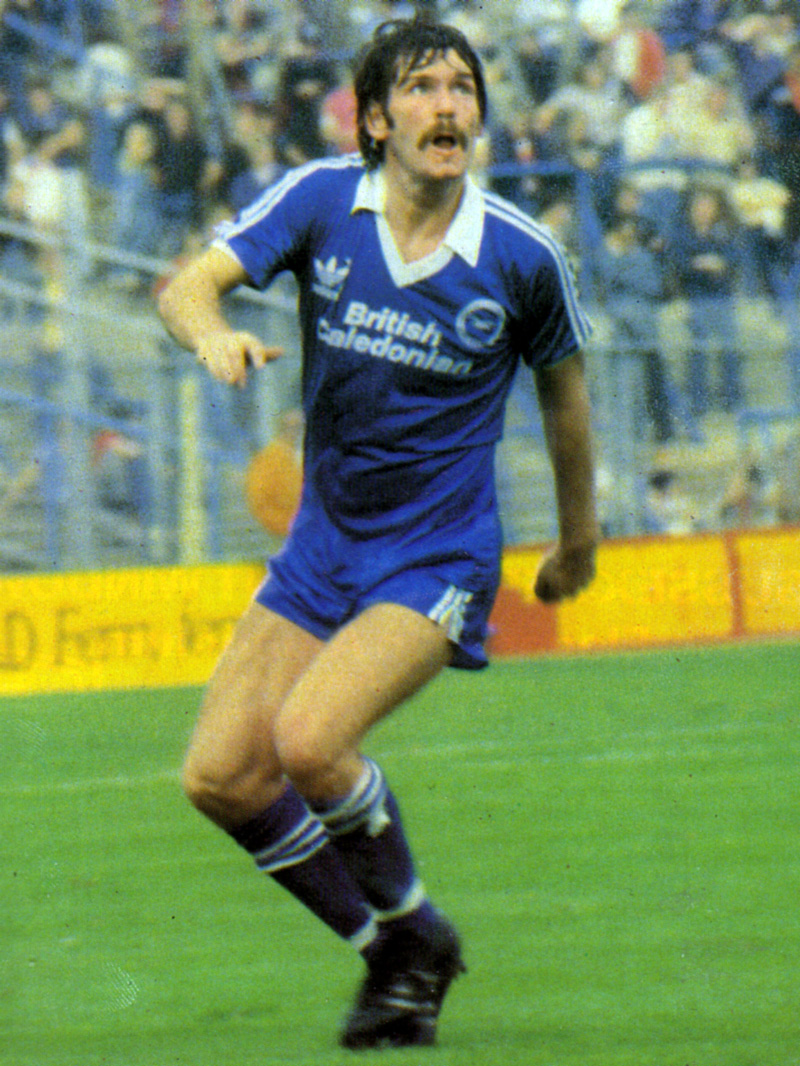
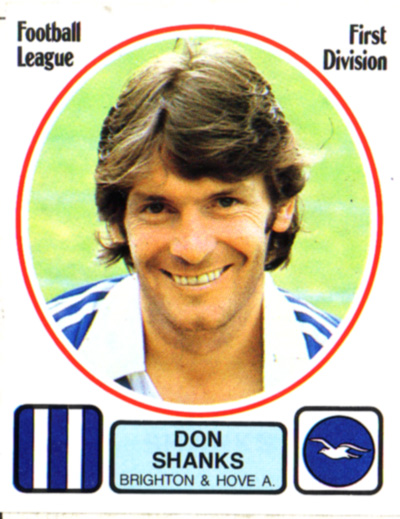
There was an average of two and a half million people unemployed in the UK in 1981. Don Shanks, a very experienced and stylish right-back, was one of them. He had played his part in the celebrated QPR side that finished runners-up in Division One in 1975/76, but now had fallen on harder times. Instead of signing for the DHSS, he arrived at the Goldstone Ground in 1981/82, proving a worthy successor to John Gregory who had joined the Loftus Road club. Shoot! magazine reports:

Don Shanks risked four months without pay and the threat of the dole to regain First Division football. At 28, the former Q.P.R. defender gambled for high stakes by cancelling his contract by mutual consent, and getting, in exchange, a free transfer from the West London club. When he quit, Shanks still had two years to run on his present contract.

Shanks’ risky move came about because Rangers rejected his claims for a loyalty bonus and better contract. I had been there over seven years and believed I should have been rewarded,” said Shanks. “They wouldn’t agree but they offered me a free transfer. I had to take the chance as well, by agreeing to have my contract cancelled.”

What followed was a hair-raising time for the player. “Going four months without any wages isn’t easy, as far as I’m concerned,” said Shanks. “I wondered whether I was as useful a player as I’d thought, when no one came in for me. Suddenly, you begin to doubt your own ability.”

But then came one offer, from Brighton. Yet Shanks’ problems were by no means at an end. He went on pre-season tour with the club to Holland, yet things didn’t work out well even though Shanks played fairly well.

“Then Millwall invited me to play a couple of games for them and offered me a contract. But, in the meantime, Brighton sold Lawrenson so on the day I was going to sign for Millwall and Third Division football, Brighton came in end offered me a one-year contract. It was disappointing for Millwall, but for me it was a shot in the arm.

“Getting First Division football again was tremendous and made all those agonising summer months worthwhile.

“When I was without a club and had no job, I suppose I was being proved wrong by what I did at Rangers. But now, I believe my decision was the correct one.”

Now, Shanks has this season to impress Brighton and particularly manager Mike Bailey sufficiently to earn a !onger contract, by next June. It’s up to me and I believe I can persuade them I’m good enough,” he says. “We didn’t make a great start to the season but we have a good side here, and I think we will improve.”

shanks2Shanks says he hasn’t found it that difficult to switch from the Second Division to the First. “The main difference is that you have to be positive here. If you decide to go for a ball, you have to commit yourself totally so that you make sure you get it,” he says. “I know one thing – the atmosphere helps. It’s marvellous to be back in Division One because it is another world. You have to be on top of your game all the time.

“My future is very much in my hands. If I play well and impress the management and the club does reasonably well, I hope I can win a longer contract. It is a trial period for me and I would have like to have signed a longer contract.

“But I gambled coming here. But I have confidence in my own ability and that is the most important factor.”

Brighton manager Mike Bailey is delighted with his new partnership of Shanks and Jimmy Case down the right hand side.

“I can’t see us being taken apart down the right,” he says. “Jim is a strong tackler as well as a good passer, a player who never knows he’s beaten.

“He has something to prove and I think he’ll do it.”

Brighton have made a reasonably solid, if unspectacular start to the season, but Bailey is happy.

“The new lads have settled in well and I can feel a nice atmosphere building up at the club.” The First Division must seem • long way from the dole queue for Don Shanks.

Shanks won over the Seagulls’ fans with some excellent displays in 1981/82, as he made 42 appearances in all competitions. Not only did he strengthen the defence, he is fondly remembered for his two late forays down the right-flank which precipitated a grandstand finish against Liverpool in October 1981, with Brighton drawing level after being 3-1 down at the Goldstone Ground.

He did win an extension to his contract, playing twelve matches at the start of the 1982/83. However, the former Luton and QPR man lost his place in favour of the far less experienced Chris Ramsey when boss Mike Bailey was replaced in December 1982. Shanks then had spells with Eastern club in Hong Kong and Wimbledon.

Tagged