Tag Archives: mark lawrenson

The class of Lawrenson shuts out Dalglish and Francis

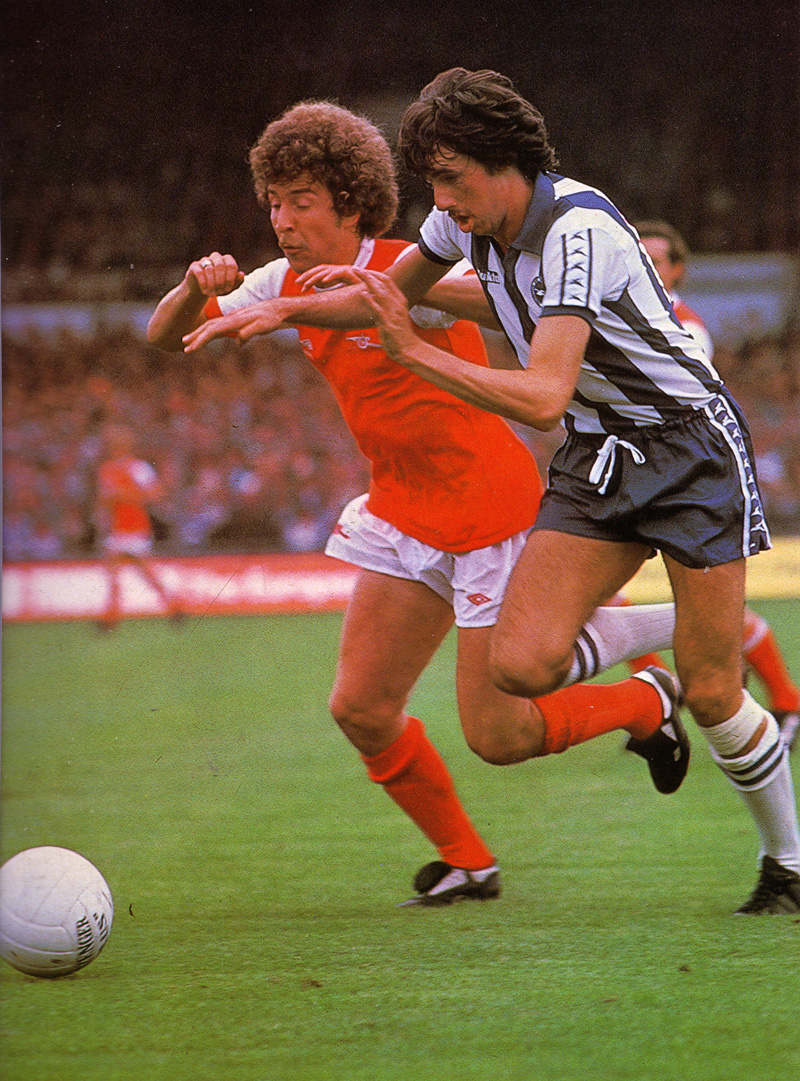
Below, Mark Lawrenson vies for the ball with Arsenal’s Alan Sunderland:
lawrenson6

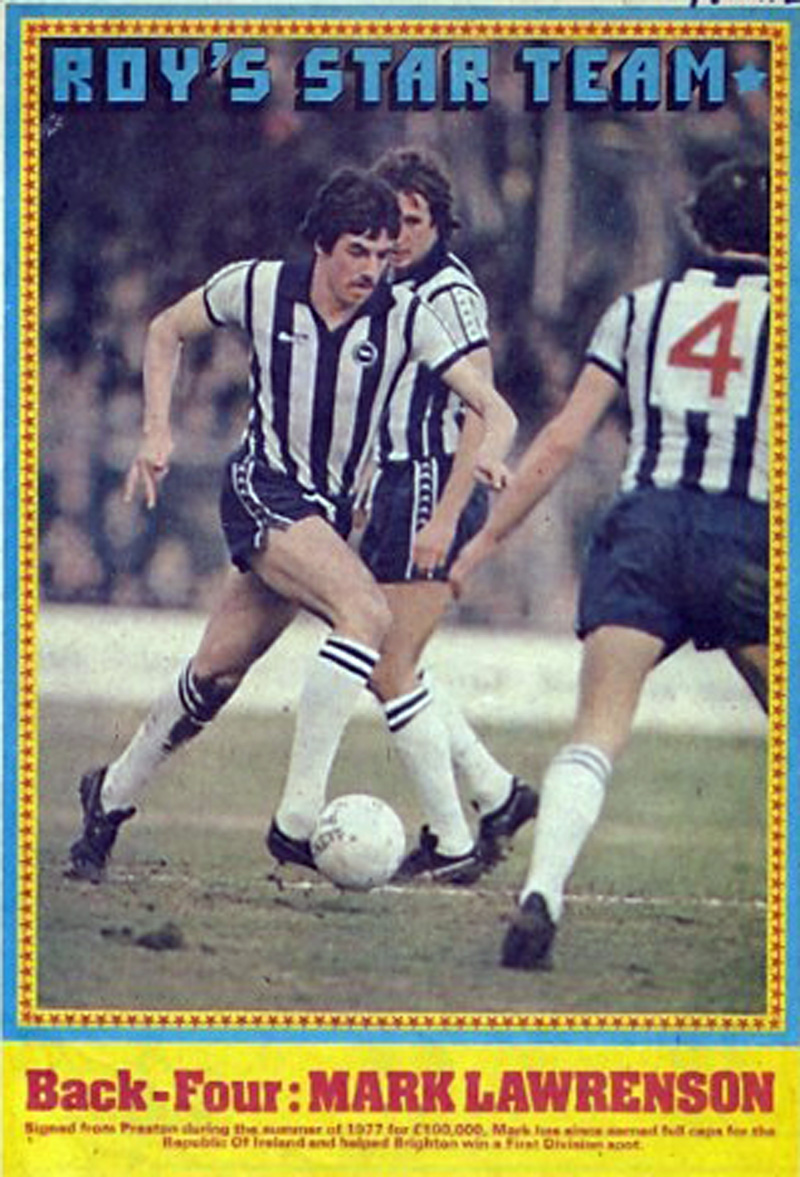
In 1979/80, Mark Lawrenson gets interviewed by Keir Radnedge in Football Weekly News (April 9–15, 1980). As the season draws to a close, he reflects on his growing reputation. The ex-Preston star also discusses his surprising switch to midfield that played a significant role in Brighton’s revival in their debut campaign in Division One:

I bet Ron Greenwood and his coterie of England aides regret Mark Lawrenson’s decision to play for the Republic of Ireland. When you hear Brighton manager Alan Mullery describing his player as world class among sweepers – not once, but several times over on repeated visits to the south coast – you start to wonder what rare talent England have missed out on.

Lawrenson is a player of obvious class, shows the sort of accuracy and control whether he plays in defence or midfield which will light up the First Division for a long time to come. And yet he chose to play for the Republic because of his parents’ birth qualifications, even though he was born in good old Preston. But Lawrenson has no such second thoughts on the subject.

“Already I’ve been all over Europe,” he says, “and won 10 caps. I’ve really enjoyed my international football. I don’t sit at home and think: ‘I wish I’d waited. To be quite honest, I never thought I’d be good enough to play for England. When the chance came along to play for Ireland I was glad to take it.

“I know people say that with England I’d have a far better chance of one day playing in the World Cup Finals. But I’m not so sure I’d be all that better off with England – apart from whether I’d get in the team.

“I think we have a pretty good chance in our group. And it didn’t do us any harm the other week to start with a win in Cyprus.”

Yet, it’s to an England World Cup hero of 1966 that Lawrenson looks first when he traces back the steps of his career, and considers the varied influences which have made him the popular player he is. Preston was always going to be his club. Not just because of his birthplace but because of family connections past and present, and it was Bobby Charlton who signed him professional. However, it’s not Charlton whom Lawrenson recalls with gratitude for guidance, but Nobby Stiles.

“He’s been the biggest influence on my career,” says Lawrenson. “Bigger even than Alan Mullery – at least so far. I was a winger when I joined Preston, while he was coach, and he was the one who converted me to my present position – in the middle of the back four, that is. Nobby was very good with the youngsters. He was almost like a father-figure. He commanded respect not only because of what he’d achieved himself but because of the way he’d help iron out your faults.”

There could hardly appear a greater contrast in playing manners, but those who remember Stiles as a mere terrier in the tackle might now care to consider him in a new light, if they haven’t done so already for his work in charge at Deepdale.

The one thing he couldn’t do was keep Lawrenson. Preston needed the money and the player had ambitions. So for little more than £100,000 – the figure seems ludicrous now – he travelled to the south coast to join Brighton, little dreaming that in two years he’d be in the First Division.

“I didn’t think about it when I moved. People said to me that Brighton were a good club, a club who were going places. That they had a forward-thinking attitude with a good crowd and used their money to buy players to keep strengthening the team. But I didn’t join because I thought this was the quickest way into the First Division.”

Lawrenson’s career was, in fact, to progress by leaps and bounds. He’d won his first cap at 19. Then, in his first season on the south coast, Brighton missed promotion on goal difference. The next year … up they went. Lawrenson hasn’t found a great deal of difference between divisions. “The only thing is that in the Second Division, where most teams have six or seven very good players, in the First Division it’s at least nine,” he feels.

More’s the pity then that Brighton had, as Lawrenson described it “a nightmare start to the season. “We were wondering when we’d ever pick up a point. If we’d made a reasonable start, got a few points, then we could have played a bit of football, relaxed a bit and it would have been much easier. Still, I like to think the worst is behind us now. Next season we’ll be that much better adjusted. And, hopefully the pitch will have been sorted out. The groundsman has put in more hours this season than almost anyone at the club,” said Lawrenson. “He’s just had to keep sanding it. But during the summer something will be done and that’ll make it so much easier for us next season.”

As for his own career, he adds: “I haven’t had much in the way of setbacks. It’s all gone so fast, everything that happened has helped me progress.”

Lawrenson’s favourite position is in the centre of defence, as sweeper. But he doesn’t complain about the recent switch to midfield to help out manager Mullery. “It was a bit awkward going into midfield, but I enjoyed it. I still think though that the middle of defence is my best position. That’s where I see myself playing the rest of my career.

“At Brighton? Yes, why not? It’s a good club. Good management. Alan Mullery’s been great. I pay him pretty well for those nice things he’s said about me! Seriously, he’s given me a lot of encouragement.”

When you consider he’s still in his early 20s, then the man who’s been called “Brighton’s Beckenbauer” clearly has a long way to go. It’s reasonable to assume that as he progresses so will Brighton. Already they’ve surprised a lot of people by holding on in the First Division, their determination and will to survive exemplified by the seasonal double over European champions Nottingham Forest.

The home game was the one in which Lawrenson snuffed out the threat of Trevor Francis. The previous week he’d dealt similarly with Kenny Dalglish – whom Lawrenson freely acknowledges as the best forward in English football.

The way Mark Lawrenson is going, a lot more fine forwards will find themselves shuffled up the back alleys of play in seasons to come.

Lawrenson went on to play one more season at Brighton, and was briefly made captain, before his big transfer to Liverpool in August 1981, for £900,000.
Tagged ,

Topps Footballer Card Collector’s Album, 1981/82

Just like FKS by the early 1980s, Topps was on the decline. The chewing gum firm’s garish bubblegum cards were a big part of many childhood memories from the 1970s, but its position was now under increasing threat. It was certainly slow get in on the sticker market that Panini was sewing up. In addition, perhaps Topps had also over-stretched itself trying to cover the whole of the Football League rather than focus on the more lucrative First Division. For instance, in 1978/79, it had rather delightfully issued eight playing card-sized ones for Brighton & Hove Albion, who were still a Second Division side. Although, for that, I will always retain a soft spot for Topps!

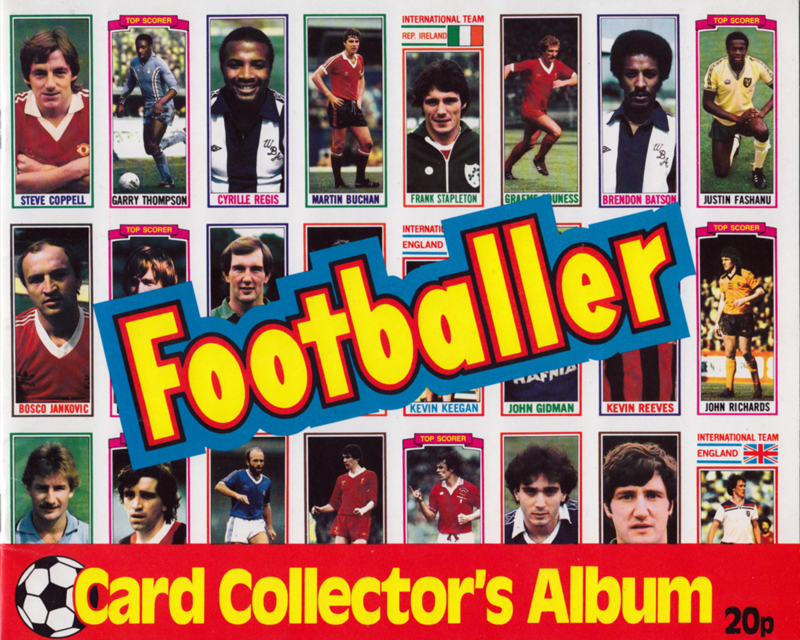
Fast-forward three seasons, and perhaps to counter the threat from Panini, Topps issued an actual album that you could glue on your cards. Here is the eye-catching cover:

topps1981

As you can see, all cards were now shrunk to cigarette card size. If you were a supporter of Arsenal, champions Aston Villa, Ipswich, Liverpool or Manchester United, you were given a full page of eleven player cards of your favourite side to stick in.

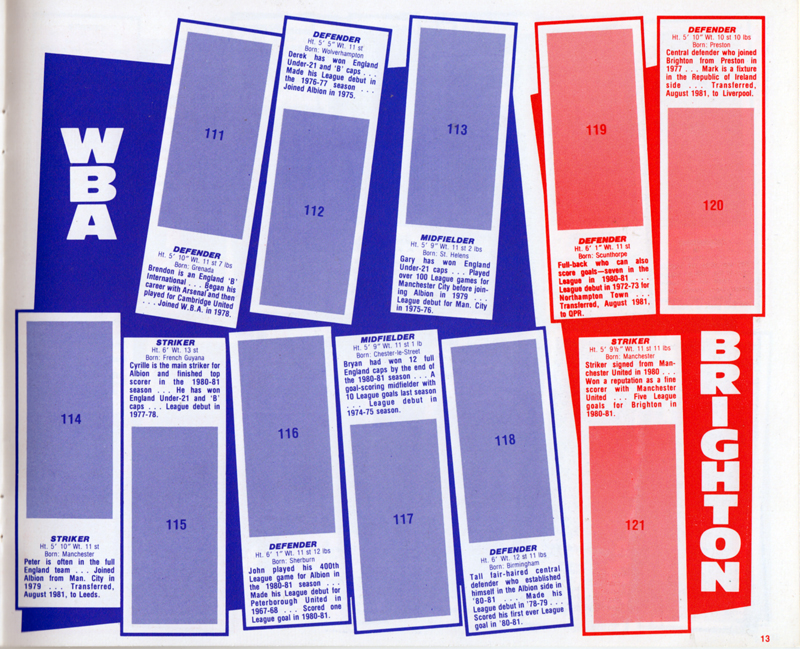
Disappointingly, as Brighton who were one of the smaller fish in the top flight, the Seagulls were only allocated three cards, and had to share their page with the ‘other Albion’, West Brom:

topps1981p3

But spare a thought for Norwich City, who were only issued with one card, of Justin Fashanu! (Actually, they were issued with another, on a 1980/81 top scorers page of all the top flight clubs. And yes, that was also Justin Fashanu!)

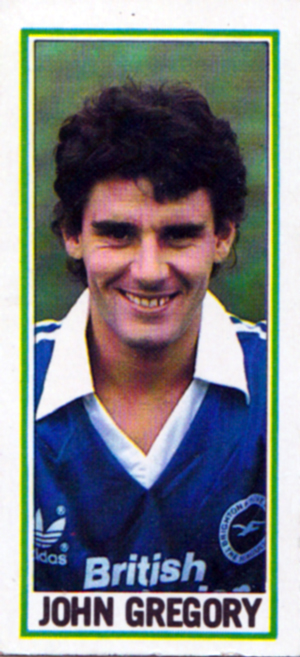
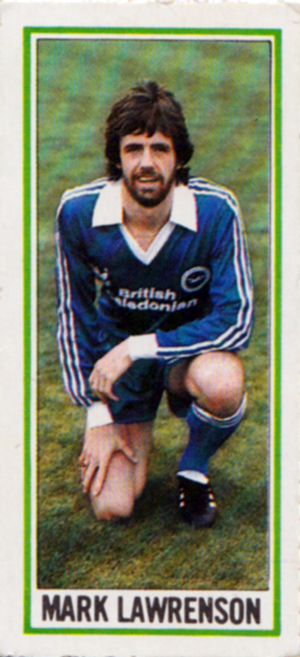
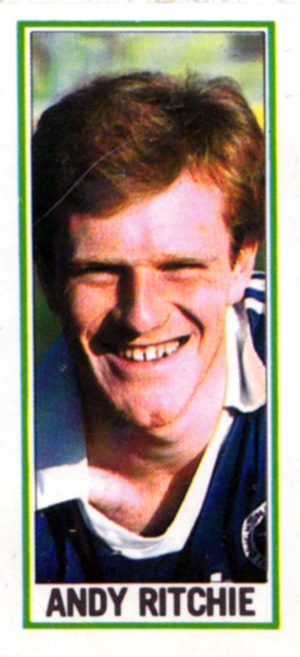
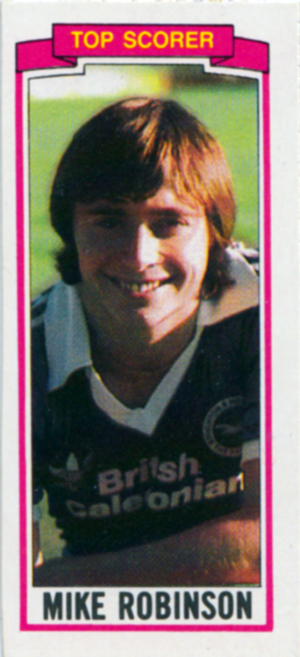
As for the actual cards, themselves, the cardboard quality was quite poor (think cereal box card) and the borders often uneven. Here are the Brighton ones. Gregory and Lawrenson both left the Albion before the season, but here they are along with Michael Robinson’s from the aforementioned 1980-81 top scorer page:

topps81-gregory

topps81-lawrenson

topps81-ritchie

topps81-robinson

Tagged , , , , ,

Steve Foster joins exclusive 10-year club

stevefoster9

No wonder he’s smiling. He’s signed for a club that would later ensure he’d never run out of money for headbands. This is from Football Weekly News, 9-16 July 1980:

Brighton defender Steve Foster has joined an exclusive 10-year club at the Goldstone Ground.

Last week the 22-year-old former Portsmouth centre-back signed the long-term contract which will keep him on the south coast for a decade.

“We want all our best players to spend their whole careers with this club,” said manager Alan Mullery, who purchased the player from Pompey for £150,000 last summer.

“Steve, added the boss, “is an outstanding prospect and could go to the very top of the tree.”

Republic of Ireland star Mark Lawrenson is already serving a similar 10-year stint with Brighton while Young England striker Peter Ward has signed on for eight years.

In addition, Michael Robinson signed a 10 year deal about twelve months later.

But so much for these eye-wateringly long contracts! Ward was gone within three months, Lawrenson after a year while Foster played three more seasons for the Seagulls. Even so, Foster did return, to great acclaim to the Goldstone in the 1990s, once again becoming one of the key players in the team. By then, of course, much shorter contracts were the order of the day for a financially impoverished Albion.

Tagged , , ,

New arrivals hold the key in 1980/81

newsigning1980v2

The 1980/81 Albion squad was probably the strongest in the club’s history. At least on paper. With their first season of top flight football behind them, Brighton looked to build on their experience, and were bolstered by Michael Robinson and Gordon Smith, two £400,000 captures. The Robinson-Ward striking partnership appeared to promise an avalanche of goals while Mark Lawrenson and Steve Foster seemed likely to keep things solid at the back.

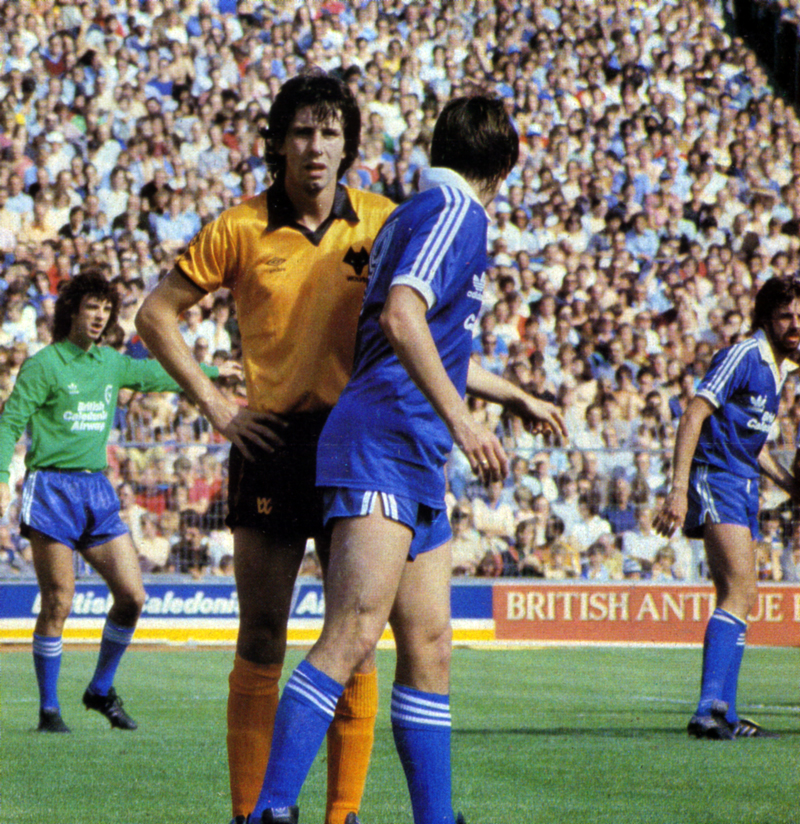
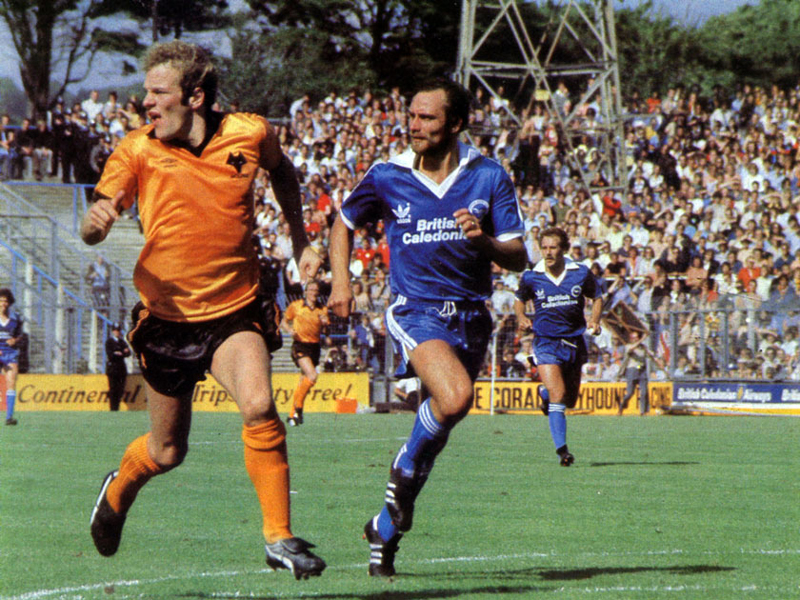
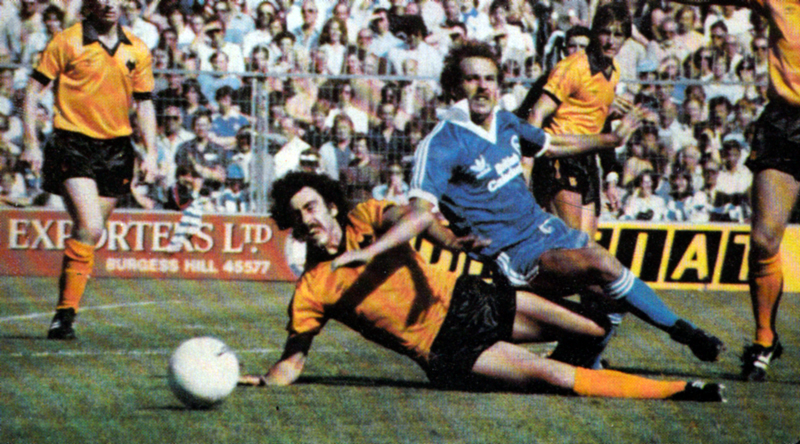
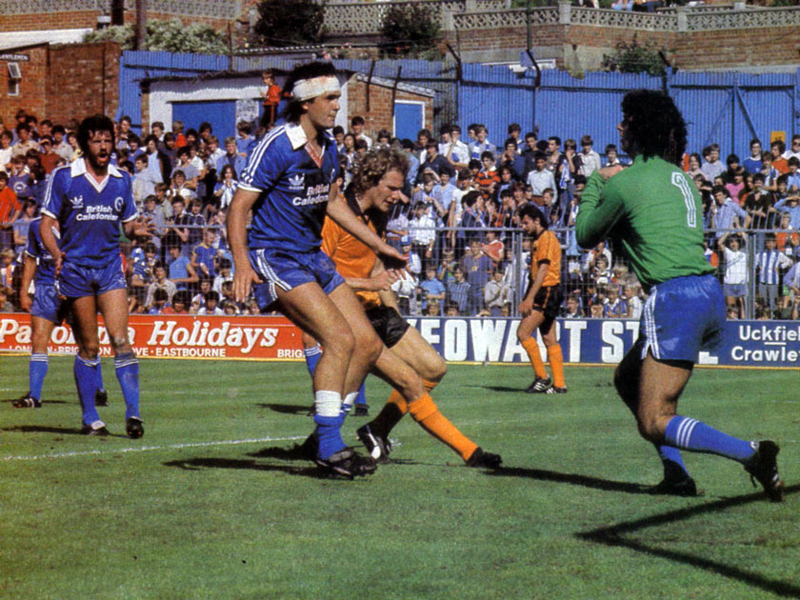
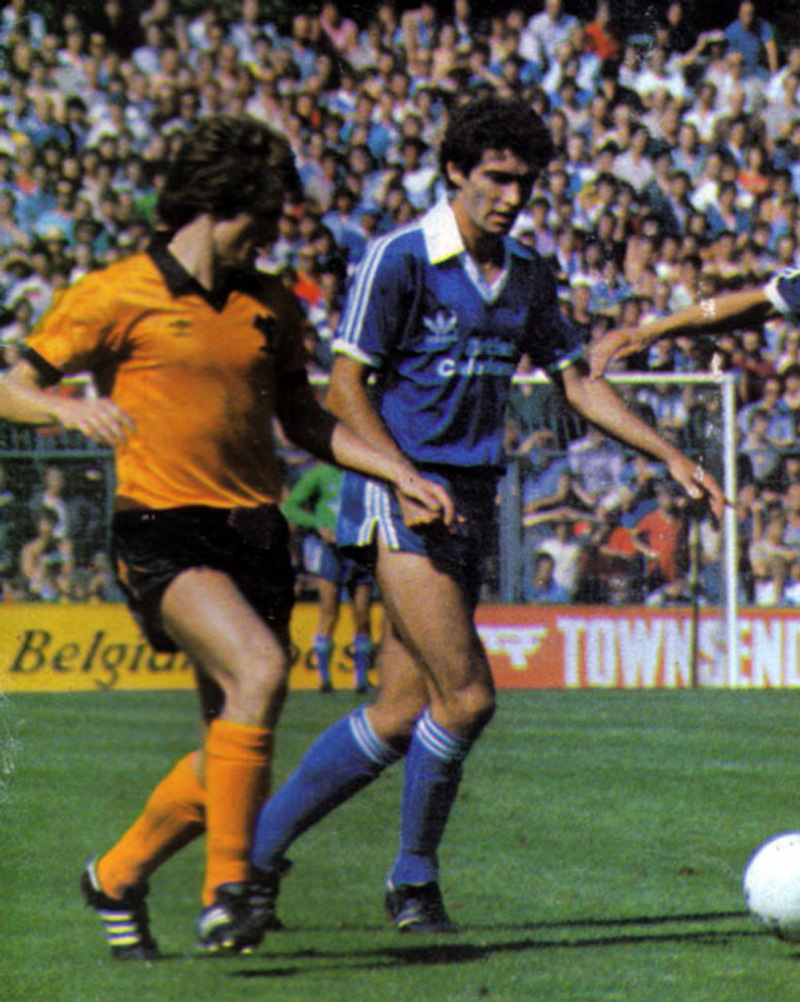
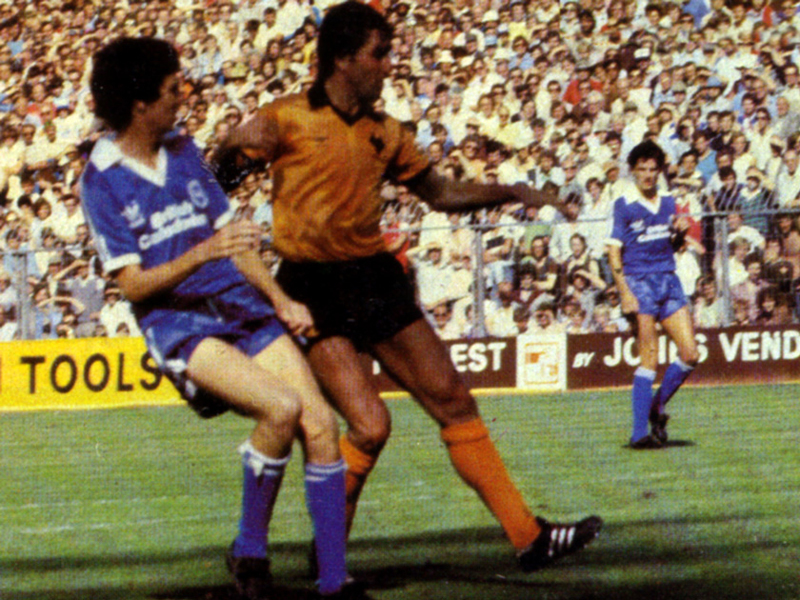
It certainly didn’t pan out that way, which is perhaps testament to the outstanding contributions that Ray Clarke and Peter Suddaby made to the Brighton side. They both had a profound effect on Albion’s season when they joined mid-way in 1979/80. Their departures certainly coincided with a downturn in Albion fortunes, despite the opening day success, a comfortable 2-0 victory over Wolverhampton Wanderers in the sunshine at the Goldstone in August 1980.

An outstanding article by Dave Spurdens dissects the functioning of the Brighton team at the time:

Last season the First Division induced in Brighton the sort of timorous insecurity common to squatters awaiting removal from their borrowed abode.

No mean appraiser of life’s realities in the big league, Alan Mullery saw clearly that reinforcements would have to be moved up if Brighton was to grow from a rather crotchety tenant to an established mortgagee.

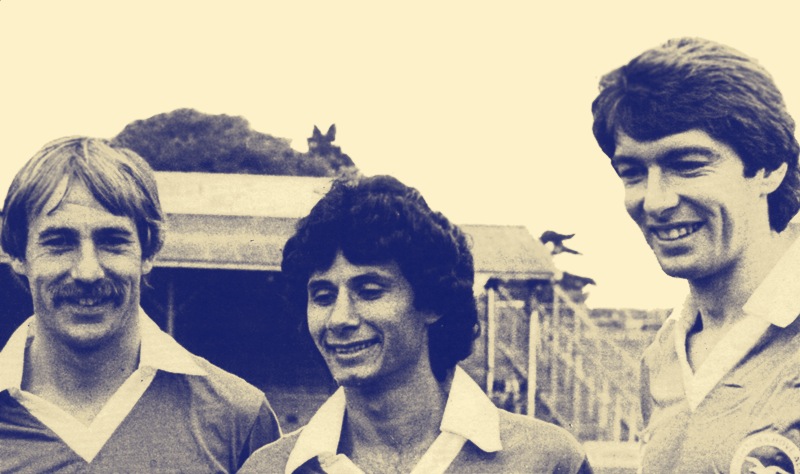
The departures of Ray Clarke, Peter Suddaby and Andy Rollings to pastures new heralded the expected re-jig and after a series of wrangles Mullery forked out a million pounds and came up with Gordon Smith, signed from Rangers, Ray McHale, the generator behind Swindon’s surge, Moshe Gariani, spotted in Israel during a club trip and finally, after much ado, Michael Robinson (below, middle), the Manchester City reject, unloaded by Malcolm Allison in a cut price deal.

wolves3

Robinson went to the Goldstone Ground hopefully to prove that Allison had been right to buy him in the first place, but hopefully remiss in sending him packing after one short season.

Apart from those four it’s the same Brighton and at the end of the day success will depend on these players being better than those they have replaced, coupled with the experience of more prolonged First Division status.

Mullery’s prognostications that Brighton will cause a few surprises started off with a bang when Wolves, the team many tip to challenge the leaders, were reminded that the supposed no-hopers from the south would certainly not help them in their aspirations and were duly beaten by them 2-0.

The blend looked good. Smith, everybody in Brighton averred, was another Trevor Brooking. McHale’s industry was commendable and Robinson, if nothing else, confirmed that he was unlikely in the next few years to halve his value again. Robinson, whom nobody apart from Malcolm Allison thought a near million-pound player, now has to prove that he is a near half-million player.

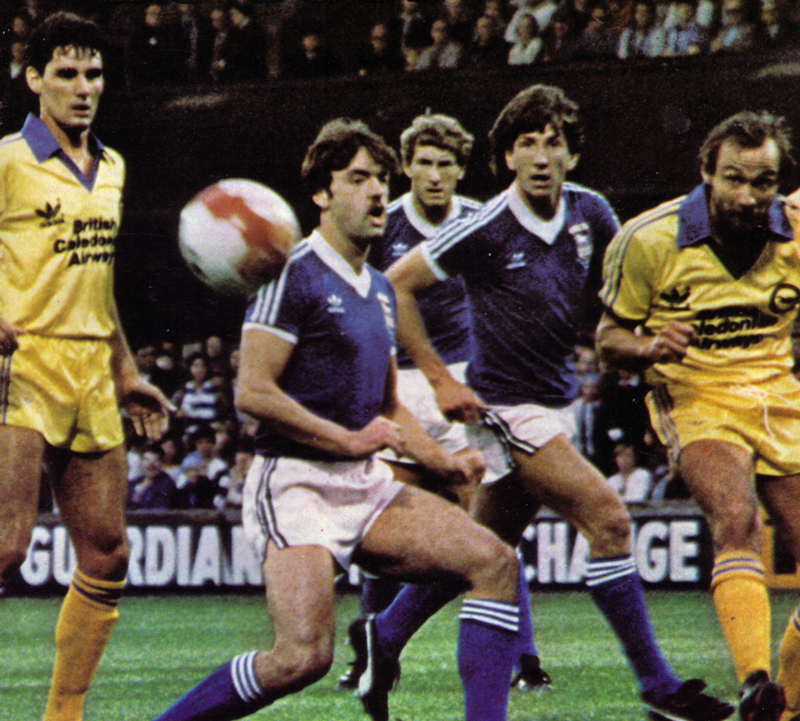
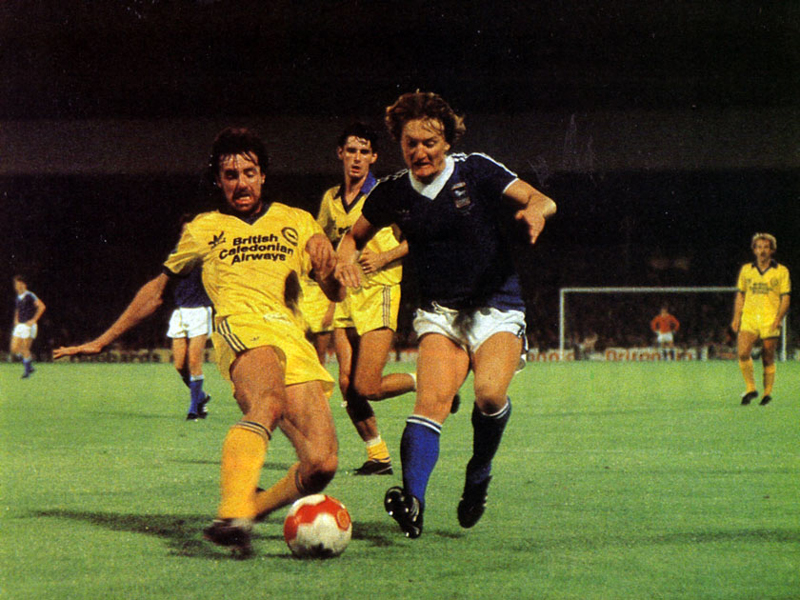
The next game was not so auspicious but nevertheless, despite defeat, demonstrated Brighton’s senior status against another of this year’s tips for the great ‘Nick the title off Liverpool’ campaign, Ipswich.

Taken all round in victory and defeat, this new-look Brighton is a tight outfit with a very solid back four, a midfield that is directed by skipper Brian Horton and a front line that once gets to know itself could produce problems for even the best.

wolves7

Horton (above), a ubiquitous character, has an influence in the three lines slotting into the back whenever Mark Lawrenson takes off for advanced territory, running the midfield and going on occasional forays behind his front three whenever the opportunity presents itself.

In four seasons at Brighton, since he arrived from Port Vale, he has matured into an integrating force with a strong sense of how to exploit time and space. His influence gives Brighton a varied tempo and a less predictable pattern of advance.

ipswich

Horton (above) plays a complete midfield role and his defensive work is tenacious and very professional.

Unlike his two midfield colleagues, who allow players to steal goalside oblivious of the pressure it puts on the back four players, Horton is an expert tracker and uses his experience to transfer marking responsibilities when he feels he is being pulled too far away from crucial zones.

raymchale

McHale (above), though he operated well forward, is an industrious player busily looking for possession from the man with the ball, but he is not so aware of the damage those without the ball can do.

Neil McNab falls into the same trap of being less than attentive to those who ghost behind his area of concentration. On the ball, he has the look of threatening competence as he moves forward with control. The final pass is often less incisive than anticipated, and some of his forward probes are too easily read by those who should be troubled by them.

Brighton’s build-up when started by Horton or full-back John Gregory is patient and constructive, but tends to be a fifteen-yard game which is easily closed down by good defenders or by teams that fall off and vacate the midfield space.

With a build-up like this, one waits frustratingly for the breakthrough from the back or the run into space which has been created by the diagonal drift of their build up.

So often play develops from the right to left, dragging opposition players with it and leaving large spaces into which back or midfield players should be running in order to exploit opportunities on the blind side.

Even when they are developing their game around the midfield, and where the opposition is turned minimally, there is still a great need for play to be switched once the options have closed down on one flank or the other.

If there was a major reason, in their second game, why their opponents could sit reasonably comfortably it was this tendency to attack in straight lines.

ipswich1

It has been generally accepted by the Seasiders that (above) Lawrenson’s best role is at the centre of the back four.

Certainly with he and Steve Foster at the heart of the defence there is a solidarity that will stand them in good stead whenever they play.

Brighton’s resources probably dictate this policy, lacking the luxury of being able to use players in their perfect role.

I thought Lawrenson playing in front of the two centre-backs last season was more effective because of the strength of his forward runs, and he didn’t have the worry of leaving gaps at the back.

wolves5

Foster (above) is playing better than ever alongside Lawrenson, with tireless courage and aggression.

There are those who feel him to be one of the best young centre-backs in the country. Against Ipswich, it was interesting to see him with the two favourite contenders for the spots currently held so securely by Thompson and Watson.

Under far greater pressure, Foster made several early errors – especially when it came to picking up high balls on the edge of the box. But once he settled down, he looked the equal to anybody aspiring to international status.

wolves4

At full back, Gregory (above) turn in his usually immaculate performance both defensively and creatively when he plays the ball forward, but his energy in getting forward into good space seems seriously curtailed. Whether through disinclination or orders, only the player and his manager can know.

wolves1

On the other flank, young Gary Williams (above) gives the impression that, unless he tightens up on his jockeying to players who run at him withthe ball, he could be in for a skinning before the season gets much older.

The rest of his game seems to be developing well and the way he linked up with the centre-back in the middle when his partner had been pulled out wide suggests he is learning his craft quickly.

wolves2

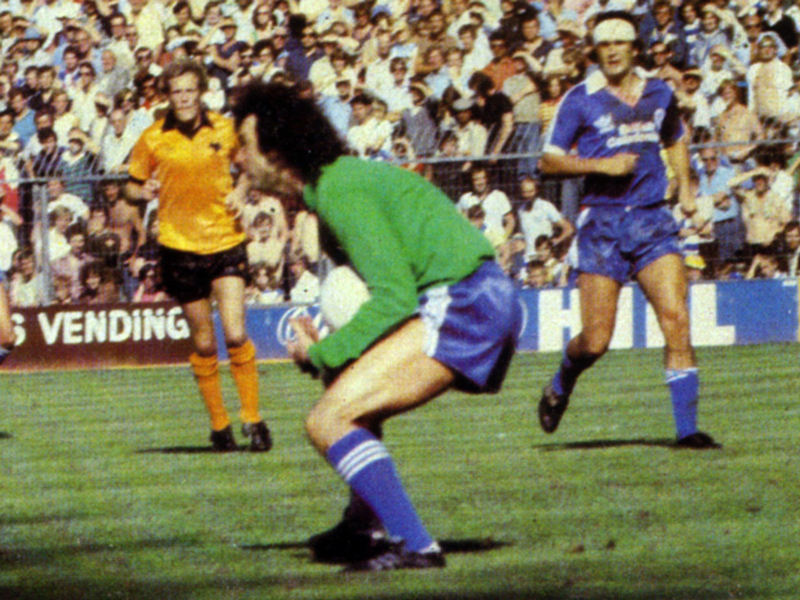
Behind this promising back four Graham Moseley (above) looks quick and agile, enjoying the confidence of those in front of him.

There are times when he could be more positive in his communication but I suspect his diffidence may be prompted by the perpetual dialogue conducted by Foster just in front of him.

The 1980/81 season turned out to be another one of struggle as Brighton’s reshaped side blew hot and cold in the First Division. After the opening day victory over Wolves, it took another six games to record another League victory. Peter Ward left for Nottingham Forest in the middle of a ten match winless spell from late September that saw Brighton vacate the League Cup and marooned at the bottom of Division One by mid-November. Then, a surprise 1-0 win over League leaders Ipswich Town kick-started a brief run of good form. After another slump in the New Year, when Brighton won just twice in fifteen matches, the Seagulls saved themselves with a miraculous spell of four wins in four matches at the end of the season.

This late form showed what Mullery’s most accomplished looking side was capable of. However, it was not without its flaws, as journalist Dave Spurdens capably showed. Although Michael Robinson came good with 22 goals, this did not fully paper over the cracks. When Mike Bailey took over in the summer of 1981, another re-jig of the squad was in the pipeline.

Tagged , , , , , , , , , ,

Getting to Division One: Alan Mullery’s budget

mullerysignings

The wheeling and dealing side of being a football manager was something that certainly appealed a lot to Alan Mullery. Luckily for him, he had far more cash to play with than, say, Pat Saward, at the start of the 1970s. It’s often commented that Mullery had a massive transfer budget. Trying to get beyond the opinion, I wanted to see to what extent this was true and have (to the best of my ability) tried to collate all the incomings and outcomings from 1976/77 to the end of 1978/79:

In
Steele £19,000
Lawrenson £112,000
Ruggiero £30,000
Potts £14,000
Williams swop
Clark £30,000
Maybank £238,000
Poskett £60,000
Sayer £100,000
Ryan £80,000
Chivers £15,000

Total: £700,000

Out
Beal free
Kinnear free
Morgan £15,000
Cross Swop
Wilson Swop
Binney Free
Towner £65,000
Ruggiero Free
Potts £37,000
Mellor £30,000
Fell Swop

Total 147,000

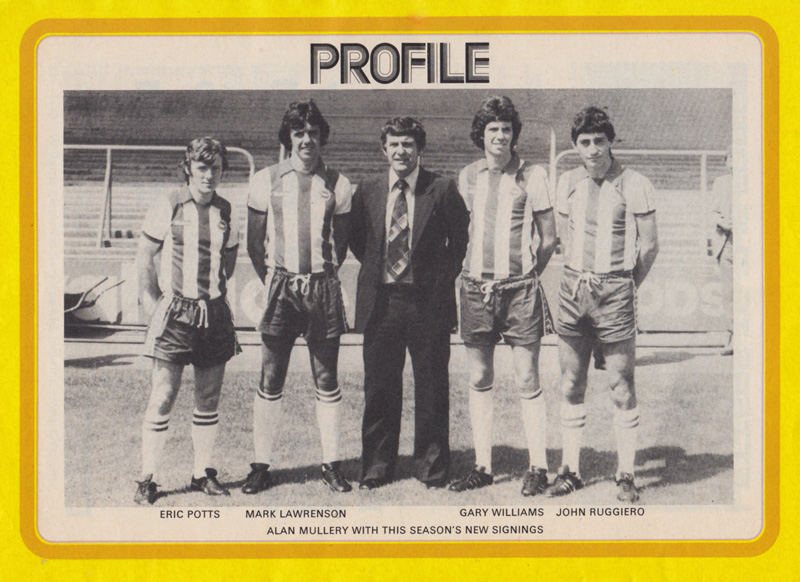
To my eyes, despite the over-inflated price for Teddy Maybank, a deficit of £553,000 at late 1970s prices seems a reasonable price to pay for a club going from the Third Division into the top flight. Still, it wasn’t me writing the cheques! Undoubtedly, the Albion boss’ best capture of the time was Preston defender Mark Lawrenson. In this article from Shoot! magazine, the Brighton manager explains how he tried to balance the budget in the summer of 1977 after a big outlay:

Brighton caused a bit of a stir in the close-season when they splashed out a club record £112,000 to buy unknown defender Mark Lawrenson from Preston. It was a bold move from a progressive club who are determined to make a big success of life now they have been promoted to the Second Division.

And manager Alan Mullery is the first to admit they had no intention of spending that sort of cash when they first decided to go into the market. Mullery – who capped his first season as a manager by steering Brighton to the Third Division top two – explains:

“At first all we were going was a standby for Graham Cross – someone to play in the reserves and come into the first team when necessary. “But clubs were asking a ridiculous amount for this type of player. They were demanding £40,000 or £50,000 – and there was no way we were going to pay that for reserves. So then we decided to change our tactics and go in and spend big on a player who could come straight into the first team. I called all the staff together to discuss names of likely prospects. And they all came up with the same one – Mark Lawrenson.

“My chairman, Mike Bamber, and my coaching staff had all seen the lad play and were all impressed. And I thought he was tremendous on the three occasions I had seen him last season – twice against us, once at Crystal Palace. With so many people raving about him, it was obvious he was the man we wanted – so we moved in and did the deal. I know a lot of people have not heard to much about him yet. But they all will – believe me, they will.

“He is only 20, is big and strong and will make his mark in a big way. he settled down as soon as he joined us for pre-season training and seemed to be enjoying life on the South Coast. The thought of spending that sort of money on an unknown does not frighten me. A football manager has got to be prepared to back his judgement and I’m sure Mark will turn out to be a huge success.”

Mullery’s only regret is the enforced change of deal brought Cross’s time at the Goldstone Ground to an end. Soon after Lawrenson arrived, Cross and full-back Harry Wilson moved to Preston as part of a deal that brought another defender, Gary Williams, to Brighton from Deepdale. “Graham had an absolutely tremendous 1976-77 season for us and I can’t speak too highly of him,” said Mullery. “When I started planning for the new term I reckoned on having him in the side for our step up into the Second Division. Then events overtook us as I have explained, and things worked out differently. I wish him well at Preston and can assure their supporters they are getting one of the most honest lads in the game in Graham.”

Tagged , , , , ,

Sponsorship heaven & hell: Oxford v Brighton 1988/89

oxford1

The gloriously manly Wang Computers are quite rightly hailed by The Football Attic as the greatest shirt sponsor of all time. Man, I wish Brighton & Hove Albion had the US computer company as our shirt sponsor in the 1980s. Instead, we wound up with the thoroughly embarrassing NOBO. I’m sorry, but boasting you are ‘Top of the First Division For Display and Training Aids’ cuts no ice with me.

When Wang Computer became the sponsor of Oxford United, a Division One club for the first time, in summer 1985, Brighton were still plying their trade in the Second Division. When the U’s, who had triumphed in the League Cup Final against QPR 3-0, won by the same score over Arsenal on the final day of the 1985/86 season, it inconveniently preserved the side’s top flight status. Their home kit, incidentally, looked strikingly similar to Brighton’s away kit for the forthcoming 2013/14 season.

oxford2

Hopes of a mirth-making Wang v NOBO football match were dashed by that Arsenal result, and frustrated again the following season when both Oxford and Brighton went down, preserving the league gulf between them.

It took until September 1988 for newly promoted Brighton to play in their NOBO-emblazoned shirts against the team in Wang.

Brighton lost 3-2 to Oxford in a Second Division fixture as part of a depressing start to the 1988/89 campaign where they lost their first eight matches. Oxford manager at the time was ex-Seagulls favourite Mark Lawrenson. His programme notes explode the myth that he has never acknowledged his time at Brighton since leaving the Goldstone. Instead, he wrote warmly:

“Welcome today to Brighton and Hove Albion, the players and officials and everyone connected with the club. Brian Horton and myself spent many happy years at the club and we have a great affinity for the club from the good times we had there. Indeed Brighton’s result is one of the first we look for on a Saturday night. Dean Saunders too, I am sure will wish to have a good game today as he had a successful time at the Goldstone Ground.”

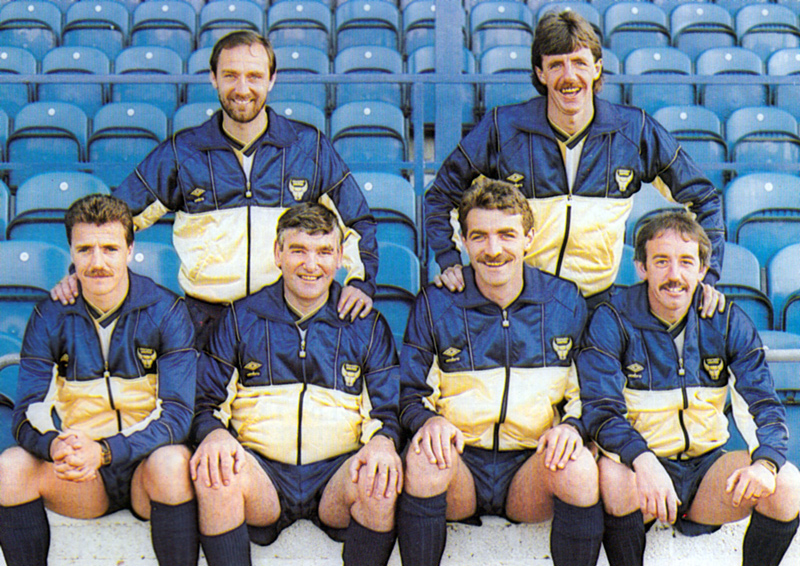
Due to the financial woes at Brighton, Saunders had been signed for a ludicrously low fee of £60,000 in March 1987. Sometimes, it is said by Brighton fans that Lawrenson took advantage of the difficulties at his former club to ‘steal’ Saunders from us, but the Oxford manager at the time was Maurice Evans (bottom row, second from left, in the image below), not Lawrenson.

oxford

Mark Lawrenson didn’t last long as manager, however. He was sacked the following month after making critical comments when Saunders was sold to Derby County against his manager’s will. The future complacent BBC armchair pundit was replaced by Brian Horton.

By the time of the return fixture, in late March 1989, Brighton had hauled themselves off the bottom of the table to 21st place, one place above the relegation trapdoor. They helped their cause even more by coming from behind to beat Oxford 2-1 at the Goldstone Ground.

The Seagulls eventually finished 19th, two places behind Oxford.

Tagged ,

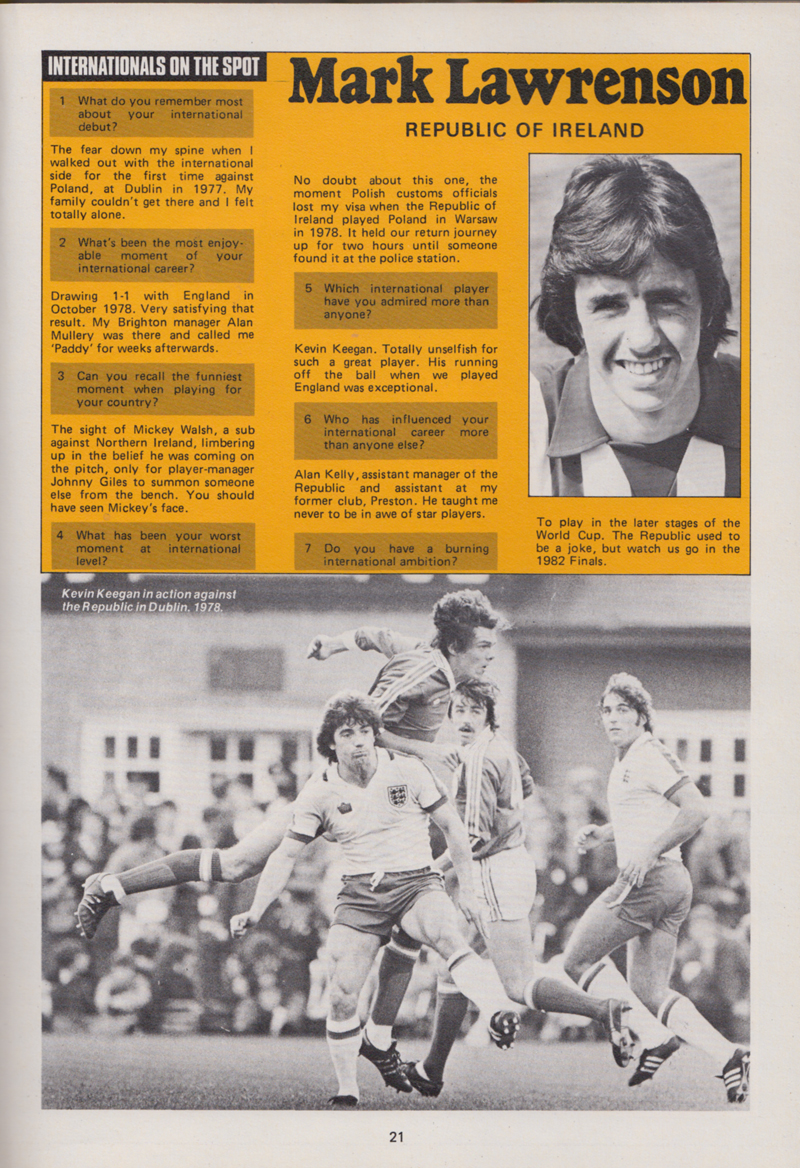
Internationals On The Spot: with Mark Lawrenson

Taken from the pages of Shoot! Annual 1980:

lawrenson

What do you remember most about your international debut?
The fear down my spine when I walked out with the international side for the first time against Poland, at Dublin in 1977. My family couldn’t get there and I felt totally alone.

Cripes!

His first cap was while with Preston North End. Hopefully, Brighton would have looked after him better. Although Mark was born in Preston, his mother was from Eire. The defender (and sometime midfielder) went on to make 39 appearances for the Republic of Ireland, scoring five goals from 1977 to 1987.

lawrensonpic

Tagged

The legend of Robin Friday

robinfriday

The recent consternation over excrement being used to write the words ‘We Hate Palace’ in the Crystal Palace changing room at the recent play-off match at the Amex stadium echoes some stories often told about the last-but-one match of maverick footballer Robin Friday, who played for Reading and Cardiff City.

Friday, the forward seen by some as one of the most gifted footballers of the 1970s, was involved in Reading’s epic League Cup 1st round tussle with Peter Taylor’s Brighton in August and September 1974. It stretched to three replays. Eventually, the Royals triumphed 3-2 at the Goldstone despite Ricky Marlowe hitting two goals for the Albion. In the Reading Evening Post, it was reported:

“When Murray’s shot hit the post, this time jubilant Robin Friday was there, sliding on his back to push it in the goal. When it was all over Friday lay stretched out on the turf…”

The performances of this colourful character helped Reading win promotion from the Fourth Division in 1975/76. In 1976/77, Reading made a great start to the campaign, reaching 3rd spot by early October, but began to falter and were eventually relegated. Friday played in Reading’s 3-1 home defeat to Alan Mullery’s Albion side in November 1976, with the Royals failing to make the most of their very good chances. As his dip in form and disciplinary problems continued, however, Friday joined Second Division Cardiff City in December 1976.

His star burned brightly at times at Cardiff but he suffered a mystery virus that laid him low for several months. His return match, his penultimate game for the Bluebirds, came against Brighton in October 1977. However, it was another Welshman who won the rave reviews. In the Daily Mirror:

Cardiff hit by Welsh wizard
Brighton 4-0 Cardiff

This was a case of a Welsh side torn apart by a Welsh international. Brighton’s Peter O’Sullivan scored twice and tormented a Cardiff team which looked to have big problems. To make things worse, Robin Friday, the striker Cardiff hoped would lift them on his return after a long illness, was sent off after 55 minutes. He clashed with Brighton’s Mark Lawrenson in midfield and got the red card from referee Alan Robinson after kicking out in retaliation. Alan Campbell, Cardiff’s most effective player, was booked for protesting. Said manager Alan Mullery: “Sully was brilliant – surely there is no midfield man in the country playing better.” Brighton’s other scorers were Peter Ward and Ian Mellor.

Friday had been sent off for kicking Mark Lawrenson in the face. From Bluebirds Banter:

Robin Friday was fed up. He’d been sent off after falling out with Brighton’s Mark Lawrenson at their old Goldstone Road ground in 1977 – and took it out on his own team-mates! They returned to the away dressing room after the final whistle and discovered that Friday had thrown all of their clothes, everything he could find, into the team bath.

“There had been quite a battle between Robin and Brighton’s Lawrenson,” said David Giles, who was in the Bluebirds squad. “I was on the bench and went on for Steve Grapes when we were 2-0 down in front of nearly 23,000 spectators.

“It all flared up just after half-time when Lawrenson tackled Robin and he didn’t like the challenge. So he kicked out and was sent off.

“We lost 4-0 and when we got back to the dressing room we knew Jimmy Andrews would have something to say. One of the lads went into the shower room to get out of the way and he shouted ‘Robin’s thrown all our clothes into the bath’.

“Brighton had a big plunge bath and all our gear was floating in it. We wrung our underwear out and had to put that on. The rest of our stuff was soaked and we borrowed tracksuits from Brighton to wear home.

“Robin got a club suspension for that.”

Legend also has it that Friday broke into Brighton’s dressing room and defecated in Mark Lawrenson’s bag! (See The Bleacher Report: Robin Friday.

Surprisngly, in Paolo Hewitt and Paul McGuigan’s book about Friday, ‘The Greatest Footballer You Never Saw,’ there is no mention of the incidents in the home dressing room and the away one.

Perhaps it’s because it didn’t happen. Roger Titford has put together a very wonderful 50-page photo-essay called ‘The Legend of Robin Friday’ which traces exactly how the legend of ‘the greatest footballer you never saw’ came about and where it’s turning into pure myth. Well worth the £3 price for the digital read. It says:

“It’s the mainly anti-hero charisma that drives the legend nowadays. Just as a terrorist of one generation becomes a politician of the next so today’s football world takes just the bits it wants from the legend of Robin Friday. This is where the legend takes its wings and flies into the world of myth, exaggeration and putting together incidents that happened separately. The thing with Bobby Moore – over in a moment. No, he didn’t kiss the policeman after the wonder goal, as it says on YouTube. And no, despite what it says on some punk football T-shirt website, he didn’t crap in Mark Lawrenson’s kit-bag after being sent off. Dishonourably, arguably out of character, he kicked the young Brighton centre-half in the face as he lay on the ground. No one then knew that Lawrenson would turn into an establishment BBC pundit of somewhat complacent and annoying nature – so maybe that’s what makes it ‘funny’ for some today.”

And yes, it mentions him doing a poo in the Mansfield bath but not in the Brighton bath in the game above.

Clearly, though, Mullery was not at all impressed with Friday:

“The foul by Friday was one of the worst I have ever seen. He kicked my player in the face when he was on the ground! How can you defend that sort of behaviour?”

But he was impressed by the performance of another Welsh Bluebird, Peter Sayer, who the Albion signed four months later. In April 1978, finishing fourth, Albion missed out on promotion out of Division Two by goal difference despite beating Blackpool on the last day of the season. The result relegated Blackpool, helping Cardiff to beat the drop by a single point.

buktabag

Tagged , ,

A trophy at last – The Jewish Chronicle Cup

jewish chronicle cup

Who says the Albion have not triumphed in international club competitions?

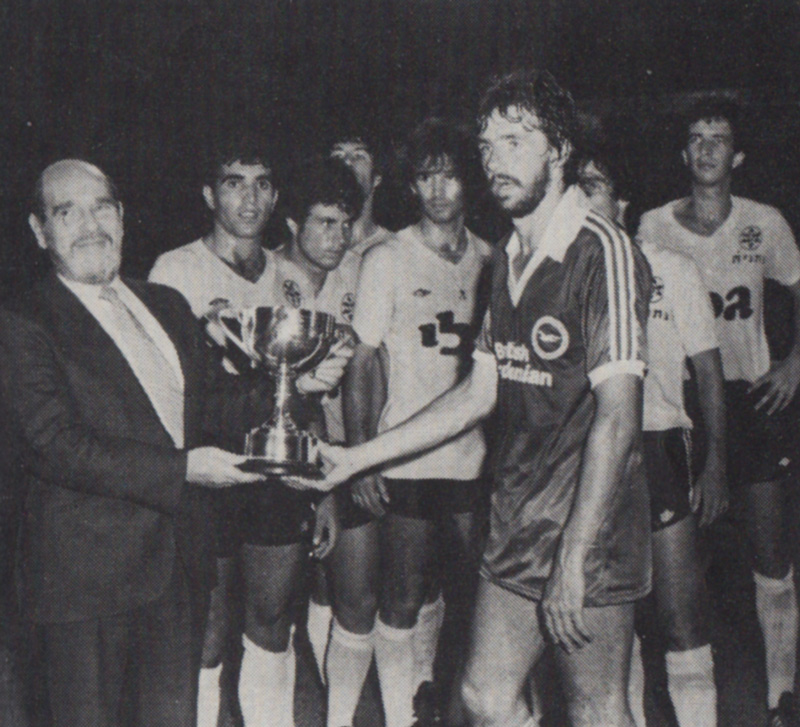
A magnificent Albion performance leads to Brighton triumphing 2-0 against mighty Maccabi Netanya in the Jewish Chronicle Cup at the Goldstone in 1980, thanks to goals by Ray McHale and Peter Sayer.

Mark Lawrenson is presented with the trophy by newspaper editor Geoffrey Paul.

Two seasons on, the Cup maintains pride of place at the Goldstone. Until Fred Dineage breaks it!

Tagged , ,

How it was then: Alan Mullery leaves Brighton in June 1981

At the end of ‘Up, Up And Away,’ John Vinicombe’s account of Brighton’s promotion to the First Division, he paints a rosy picture of the relationship between chairman and manager in 1979:

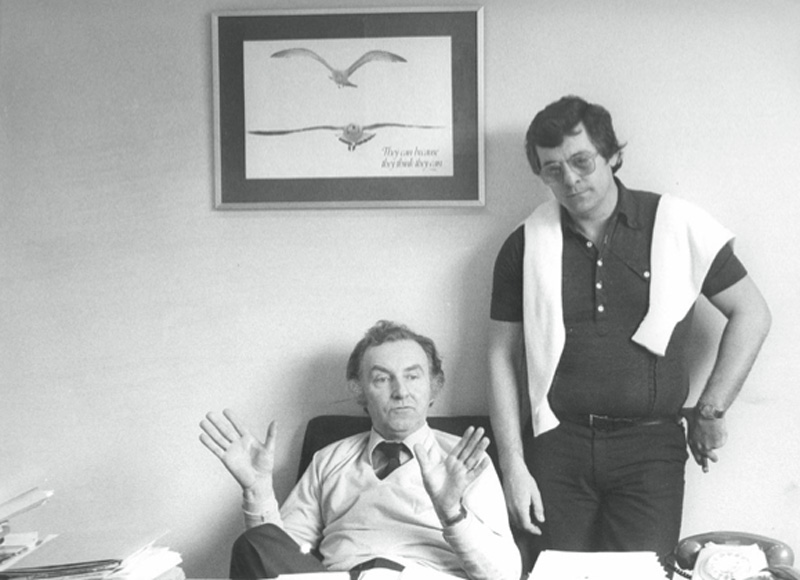
It took the arrival of Mike Bamber to bring about a new era, for, without Bamber, there would have been no Mullery – no promotion. They are twin architects of Albion’s success and the key to their thinking can be seen in Bamber’s motto on the wall of his Goldstone office – “they can, because they think they can”:

bambermullery

(In the photo above, from ‘Through Open Doors’ by Brian Radford, you can just about see the slogan).

However, by 1981, things had turned for the worse. Manager Alan Mullery resigned after disagreeing with Mike Bamber about the chairman’s plans to reduce the size of the coaching staff and how to resolve the Mark Lawrenson transfer saga. Mullery had cut a deal with Manchester United that involved cash plus a part exchange of a player, but Bamber had already set his sights on a money only £900,000 deal with Liverpool. Mullery decided it was time Bamber found a new club manager.

From Alan Mullery – ‘The Autobiography’ (2007):

Angry.

That’s how I felt in the days after I left Brighton. I thought I’d achieved more than any previous manager at the club. I’d started with a decent Third Division team and developed it into a Division One side filed with top-level players – Mark Lawrenson, one of the best defenders of modern times; John Gregory, Steve Foster and Gary Stevens, all of whom went on to play for England; Michael Robinson of Eire; Neil McNab and Gordon Smith, both Scottish internationals.

Plenty of that calibre would never have dreamed of joining Brighton and Hove Albion before I took over. My credibility helped me to sign them. I’m not saying I deserve all the praise for the rapid rise the club enjoyed during my five-year stay, but I sure as hell played my part. Our two seasons in the top flight were tough, there’s no denying that, but any club should expect a similar period of transition.

If I had continued to enjoy the backing I’d received while Harry Bloom was alive, I’m sure we could have consolidated our position as a First Division club. Instead I was out of the cold and Brighton went on to be relegated just two seasons later.

Did I regret walking out after my confrontation with Mike Bamber? Was I too headstrong? The honest answer is yes, I was fiery and prone to rush into emotional decisions. I should have taken my time to think things through before resigning, but it wouldn’t have changed anything in the long term. If I had backed down over the Lawrenson transfer, I believe Bamber would have walked all over me from that moment on. And my pride was too strong to allow that. Our split was inevitable.

As Mullery departed from Brighton & Hove Albion that summer, “the truth was,” he later wrote, “my best days as a manager were already behind me.”

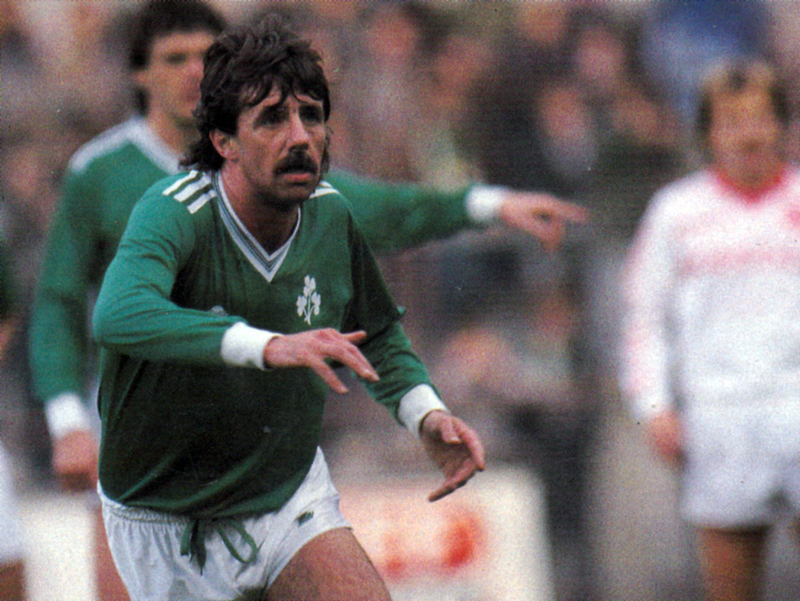
lawrensonv2

Tagged , ,