Tag Archives: brian horton

Van-ity Fair!

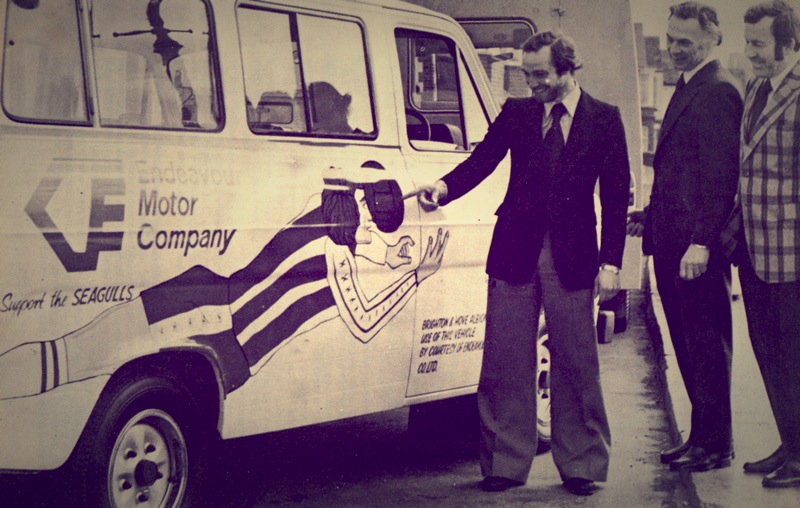
Having your own van must have been a big deal in the 1970s. The Endeavour Motor Company of Brighton kindly provided the Albion with a transit van for the Seagull Lottery. Here you can see Commercial Manager Ron Pavey and skipper Brian Horton taking delivery of the vehicle in 1978:

endeavourvans1

A year later, Caffyns got in on the act.

caffyns1

As the Brighton v Cambridge match programme puts it:

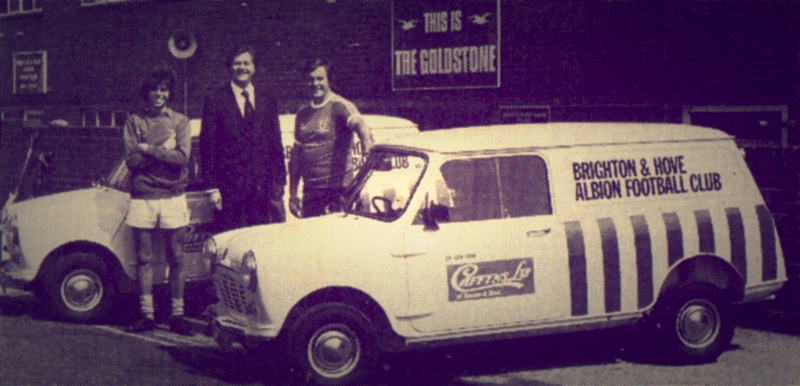
During the next week or so Albion fans will have a chance to see vans in Seagulls’ colours around the area as a result of the generosity of Caffyns. Our local British Leyland dealers have supplied the club with two minivans for use by the lottery staff who cover many miles distributing tickets which help to keep finances straight.

Caffyns have also supplied cars for manager Alan Mullery and for Peter Ward and it is these two who took delivery last week of the vans at the ground.

The manager and striker are seen in the picture together in the sunshine with Caffyns Group Commercial Venture Sales Manager Steve Hoy.

Seems a little unfair, if you ask me. If you were in the Albion first team at the time and not a pint-sized striker with a bubble perm, you’d be quite within your rights to ask why you weren’t getting your own car too. Hopefully, the other Brighton players protested. And if they did, it wouldn’t have been the first time that British Leyland was associated with industrial strife in the 1970s!

Tagged , , ,

Brighton v Bolton, 1979: our first ever top flight victory

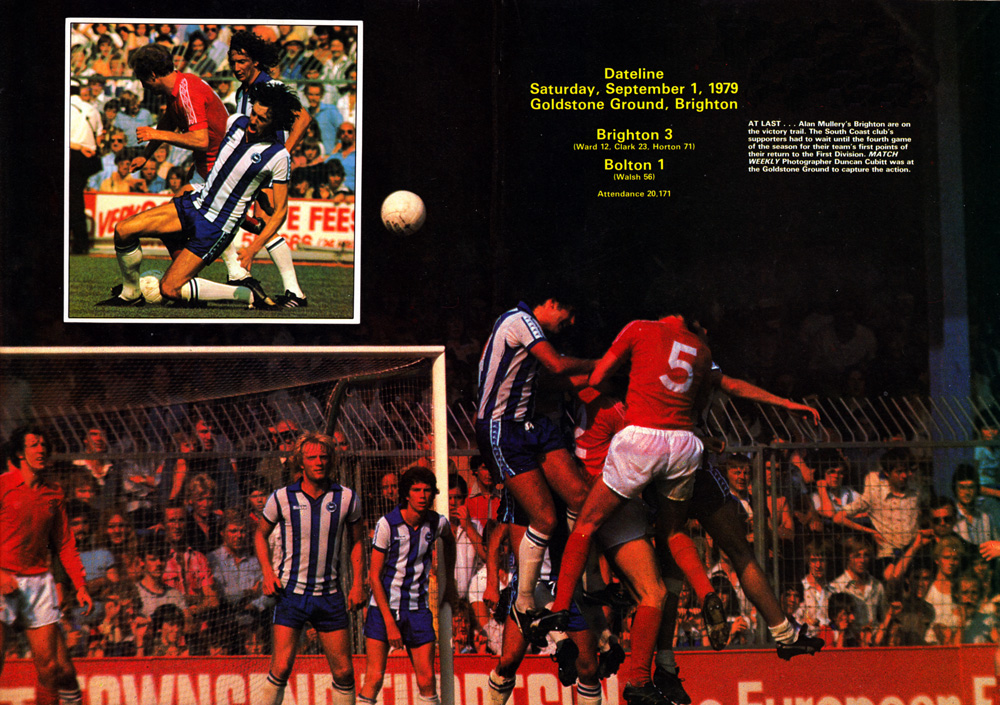
Match magazine published a double-spread photo-feature to commemorate the Seagulls’ first ever win in the First Division:

bolton

After defeats to Arsenal, Aston Villa and Manchester City, the taste of victory was most welcome. And it was surprisingly easy to obtain. From the Evening Argus, entitled ‘Real hot win for Seagulls’:

At their fourth attempt, Albion gained their first Division One win this afternoon, beating Bolton 3-1 before a 20,171 Goldstone crowd.

Albion were easily the better side and well deserved to beat unbeaten Bolton, who had previously drawn with Aston Villa and Liverpool and beaten Southampton.

Albion got off to a cracking start with a Peter Ward goal after 12 minutes. Paul Clark increased the lead ten minutes later.

After dominating the first half, Albion conceded a soft goal at 56 minutes when Mike Walsh sneaked in to head home following a corner.

Any doubts that Albion would be involved in a cliff-hanger finished were dispelled when skipper Brian Horton scored their third goal with 20 minutes remaining.

The disappointing crowd had full value for money as Albion triumphed with an all round team effort. They left the pitch to warm applause.

After defeat to Arsenal, Aston Villa and Manchester City, this was a satisfactory breaking of the ice – and on a day when the temperatures soared!

Albion fielded an unchanged side with Ryan as sub while Bolton dropped Nicholson and introduced Burke for only his second League game. It was Foster’s First Division debut.

Horton shot over after four minutes following a strong run by Sayer, but already Bolton looked a well organised side.

When Bolton attacked down the left and then hit long balls through the middle, Foster got up each time to head vigorously away.

After only 12 minutes Worthington, who has returned to Bolton on Tuesday after playing in the United States, was spoken to be the referee for a foul. And from the free kick Albion took the lead through Ward following a neat one-two with Clark. The return pass found Ward moving into space and his finish was quite deadly to give Albion their first Division One goal at the Goldstone.

Brighton's first ever Division One goal at the Goldstone... by Magic!

Brighton’s first ever Division One goal at the Goldstone… by Magic!

Back came Bolton and Horton did well to block a long range drive from McNab.

Next it was Lawrenson’s turn to snatch the ball off Gowling’s foot and Albion’s answer was to slow down the tempo with O’Sullivan dictating the tactics from midfield.

Maybank got his head to a long through ball by Lawrenson and it touched Walsh’s head and went for another corner. This time Foster went up for Gregory’s cross only for Bolton to clear.

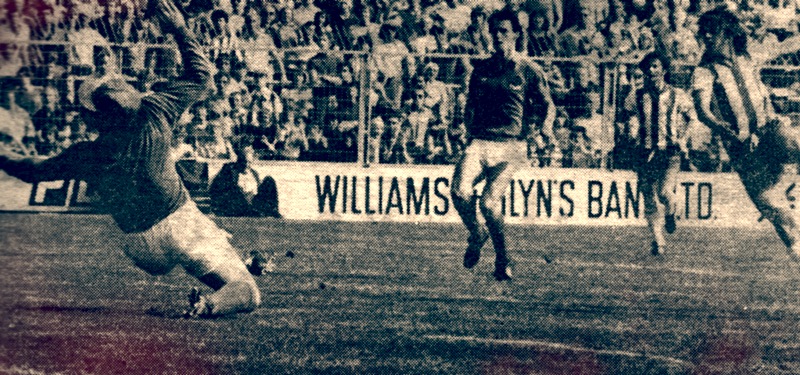
The non-stop pressure paid off when Clark drove Albion further ahead at 22 minutes. Maybank pressed the ball down to him and Clark, belting in from the edge of the box, gave it everything and his shot kept low and sped very fast past McDonagh’s right hand.

Easy Tiger... Clark doubles the lead

Easy Tiger… Clark doubles the lead

It was the first time this season that Bolton had had two goals scored against them in a League match. They could not have complaint at being behind at this stage as Albion had struck a purple patch and were tearing them apart.

When Maybank was tripped he angrily demanded a foul, but the referee waved play-on. When Maybank persisted he was booked.

Horton headed just over the top at the half-hour from Williams’ cross. The move was surely worth another goal but Horton got up a fraction too high with his final effort.

The ease with which Albion were getting their crosses in was giving them a great deal of power and Gregory, in particular, was behind most of the pressure down the right. Also, Horton was winning his midfield battle with McNab.

When Ward put Sayer through, Bolton’s defence was in a terrible tangle and between them Burke and McDonagh were happy to scramble the ball away for a corner.

Only weight of numbers kept Ward out as another scramble took place by the near post as McDonagh was caught in two minds.

Albion’s work rate in the half had been tremendous considering the heat which made conditions all against good football.

Ward, receiving from O’Sullivan, had a shot charged down as the half-time whistle blew. Albion left the field to a standing ovation.

After 53 minutes Jones was booked for a foul on Ward. Before the free kick could be taken Nowak replaced Worthington. Foster moved smartly to get his head to a long through ball but could not avoid conceding a corner. The flag kick was taken by Greaves. When it swung out Walsh rushed from the edge of the area, got his head to it sharply and headed low past Moseley and a crowd of players from a good ten yards.

Now Bolton had something to fight for. Nowak had gone to the right wing and they looked to his pace to split Albion.

Bolton were coming much more into the game with 30 minutes remaining, and McNab was allowed to run 25 yards without a challenge. Luckily for Albion his final effort went past the final post.

Walsh was booked for a foul on Gregory at 65 minutes. Then came a tremendous mix up in Bolton’s goalmouth when McDonagh succeeded in grabbing the ball from Maybank on the line.

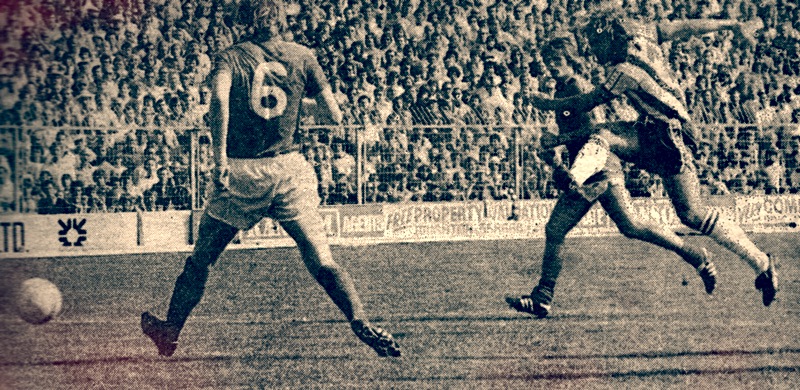
And at 70 minutes Horton eased Albion’s anxiety with a spectacular 25-yard goal. A free-kick by O’Sullivan found Horton unmarked and when he saw McDonagh off his line, he placed his shot perfectly over his head and into the back of the net.

A minute later Clark was replaced by Ryan.

In the last five minutes Williams had a tremendous run down the left, but when the pass came through Ward ballooned over the top.

Although the next Division One match was lost narrowly, away to Spurs, Brighton and Hove Albion’s fine September continued as they beat a very experienced Ipswich Town side in the next League fixture at the Goldstone. By the time the side stormed back from 2-0 down to snatch a point against West Bromwich Albion towards the end of the month, the side stood 16th in the table. Could it be that this top flight survival business was looking like a doddle?

Tagged , ,

It Was Magic!

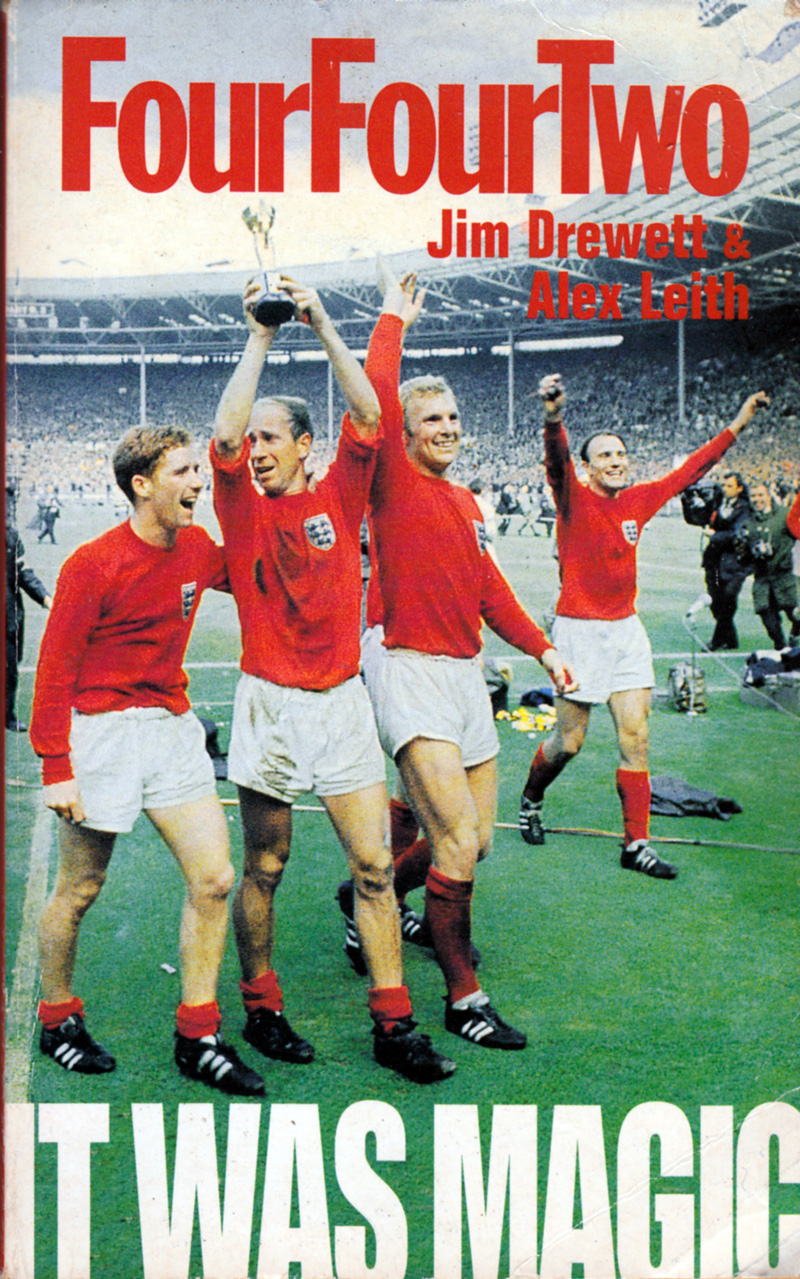
I found this fascinating book in a second-hand shop years ago for just 99p. Published in 1997, and written by Jim Drewett and Alex Leith:

itwasmagic

It’s a compilation of the best ever 100 football matches. As the back cover says:

“Hundreds of football stars from Sir Stanley Matthews, Gordon Banks and Glenn Hoddle to Steve Ogrozovic, Bob Wilson and Sepp Blatter voted for their favourite games of all time.”

It’s a stirring synopsis of some quite marvellous matches from football history. From England’s 3-6 humbling by Hungary in 1953, Brazil 4-1 Italy in 1970, to Charlton beating Huddersfield 7-6 in 1957. Others include Second Division Watford responding to a 4-0 defeat in the first leg of a League Cup tie against Southampton by thrashing the First Division side 7-1 in the return leg in 1980. Oh, and Crystal Palace 4-3 Liverpool in 1990.

Besides these highly appealing inclusions (even the Palace one), for Seagulls fans, there was added interest as in his introduction, Jim Drewett stated:

The inevitable British bias meant Brighton and Hove Albion looked like making an astonishing three appearances in the top one hundred (which has more to do with Alan Mullery’s choices than my co-author’s loyalties, honest!)

Brighton’s 3-2 victory over Sheffield Wednesday at the Goldstone Ground in 1976/77 made it in at number 67 in the book’s list. It was a result which guaranteed promotion from Division Three. Drewett’s co-author Alex Leith wrote:

peterward76

Peter Ward was the darling of the Brighton fans in the 1976/7, and a quick burst of acceleration and a lethal shot made him the most feared striker in the division. Every time he got the ball he looked like scoring, which he did thirty-six times that season. But he nearly blew it for Brighton in this vital end-of-season match.

Ward was backed by a gutsy team, with Ian ‘Spider’ Mellor alongside him up front, Brian ‘Nobby’ Horton running midfield, and Irish international Peter O’Sullivan on the flank. But Jack Charlton’s Wednesday, in seventh position, did their best to spoil the party on the night, scoring in the first minute, and holding out to go into the interval 1-0 up. Just after the restart the nervous crowd could afford to relax slightly when Brighton were awarded a penalty, and Ward stepped up to take it. Everyone was confident. He was deadly in the box… until he missed. But Ward made amends with a fifty-seventh minute equaliser, and on seventy-one minutes he won another penalty for Brighton. A season’s toil rested on one kick.

brianhorton

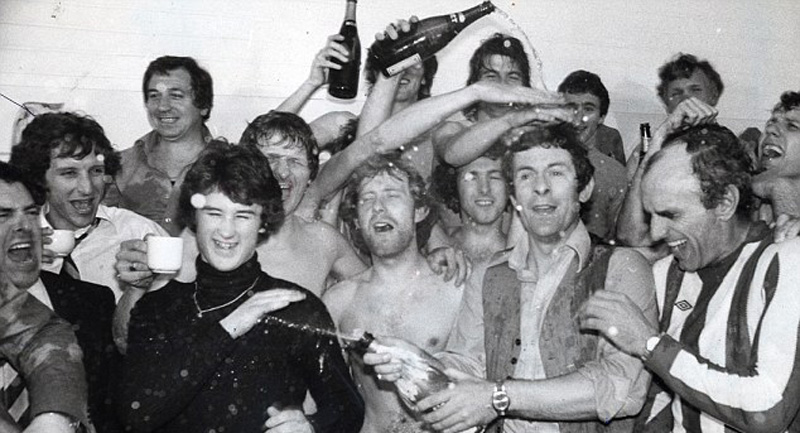
Skipper Brian Horton took it this time, and made no mistake.

steve_piper

Local boy Steve Piper slammed home a third goal four minutes from time which meant that Wednesday’s second goal, scored in the last minutes, served only to add to the tension.

1977

The referee’s final whistle signalled a celebratory crowd invasion, and Brighton were on a roll that eventually took them to the First Division and the FA Cup Final.

A cracking piece, and it’s followed by the 1983 FA Cup Final coming in at number 92 and the Newcastle v Brighton match in 1979 featuring at number 97. That last game must have been of particular interest to Alex Leith as in the author notes in this book he is described as:

Born in Newcastle and brought up just outside Brighton, which means his heart is split in two between United and Albion. He became a sports journalist after the lure of the lira saw him spend four seasons in Italy.

Purely by fluke, I was in contact with Alex on Twitter and realised he was one of the authors of this book I had read. I asked him his thoughts on putting together ‘It Was Magic’, sixteen years on:

Difficult book to write! We did a survey of 100s of people in the game. It was before the internet was a useful research tool, so we relied on books and word of mouth and programmes and suchlike. Labour of love. An Albion bias because of the people we asked. Mullers etc. Got interviewed on Radio 5 by John Inverdale but it got cut short because it was the day Dolly the Sheep was announced!

Alex is now editor of Viva Brighton which has done some superb interviews with some Albion greats from yesteryear such as Brian Powney, Peter Ward, Alan Mullery and Brian Horton.

Tagged , ,

Captain Fantastic – Brian Horton

Loving the groovy graphic design of the 1970s? Me too!

brianhorton4

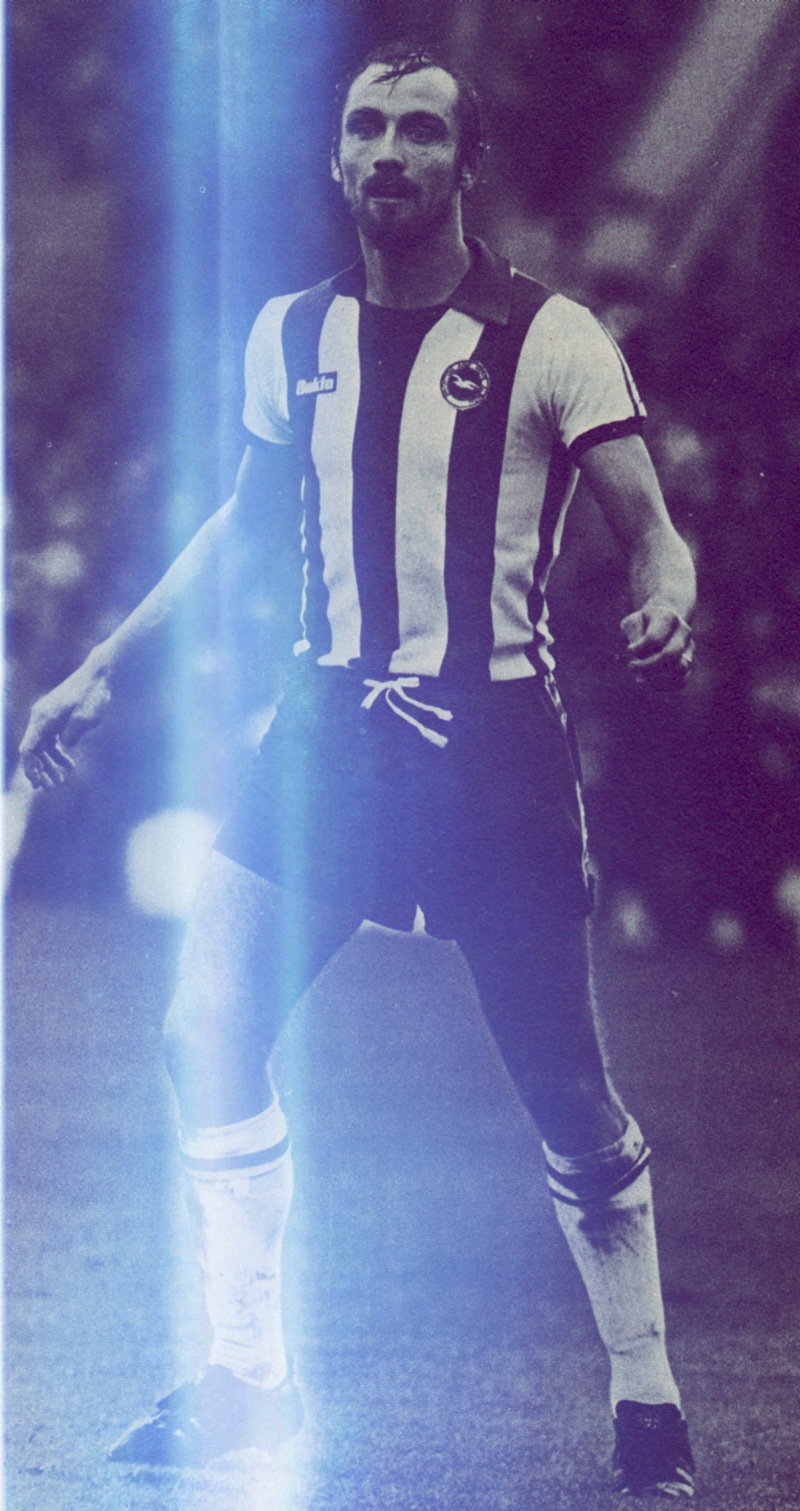
I’m unsure which football annual this article is from, but it’s a cracker. Alan Mullery talks glowingly about the qualities of his captain Brian Horton, surely the best ever skipper the club has ever had.

Try telling Alan Mullery that all you need a captain for these days is to trot out and choose ends.

For the Brighton manager’s achievement in taking the ambitious south coast club into the First Division for the first time in their 79-year history would have been much more difficult without his right hand man on the field – midfield general Brian Horton.

‘He’s got the same approach as I have,’ says the former Spurs and Fulham skipper who played 35 times himself in England’s midfield.

‘Brian’s a winner who can’t bear losing. He gets everyone else going.’

And Mullery admits that when he found Horton on the staff at the Goldstone Ground when he took over two years ago, he was happy to drop the priority item on his shopping list.

‘Before I went into management, I thought that having a good captain would be essential. Luckily Brighton had one in Brian Horton.’

As he has subsequently said, any thoughts that Mullery may have had of being a player-manager were quickly extinguished by the performances of Horton in 1976/77.

Mullery is quick to point out that it was his predecessor, Peter Taylor, who bought Horton, adding: ‘That’s just another example of the good judgment he’s brought to Nottingham Forest.’

The 29-year-old Horton was born and bred in the West Midlands at Hednesford and was inspired by watching the great Wolves sides of the 1950s from the Molineux terraces.

He’s still a fan and one of his schoolboy pals, Geoff Palmer, has played nearly 200 games for Wolves.

They will meet again in the First Division this season but while Palmer has been with Wolves since he was an apprentice, Horton’s route to the big time has been very different.

‘There were times I thought I’d never make it,’ he says. ‘My biggest fear was that I was too old.’

But after more than 200 games at unfashionable Port Vale, then in the Third Division, along came Peter Taylor to take him to Brighton for a modest £30,000.

And Brian has gone on to prove that there are as many late starters in football as in any other profession.

His goals last season were a vital factor in a promotion race which turned out to be a real cliff-hanger. But none was more important than the one which put Brighton ahead in that memorable end-of-season match at Newcastle.

The Seagulls had to win to be certain of going up and it was Brian’s goal which put them on the way when he showed typical determination and courage going in for a low diving header.

‘That was the clincher,’ he recalls. ‘It was doubly satisfying, too, because I don’t get many with my head.’

If anything pleased Brian as much as promotion last season, it was recognition by his fellow players by being named in the PFA’s Second Division side.

They weren’t asked to pick a captain but the betting is that Brian Horton would have topped the list in that category too.

brianhorton5b

Tagged ,

New arrivals hold the key in 1980/81

newsigning1980v2

The 1980/81 Albion squad was probably the strongest in the club’s history. At least on paper. With their first season of top flight football behind them, Brighton looked to build on their experience, and were bolstered by Michael Robinson and Gordon Smith, two £400,000 captures. The Robinson-Ward striking partnership appeared to promise an avalanche of goals while Mark Lawrenson and Steve Foster seemed likely to keep things solid at the back.

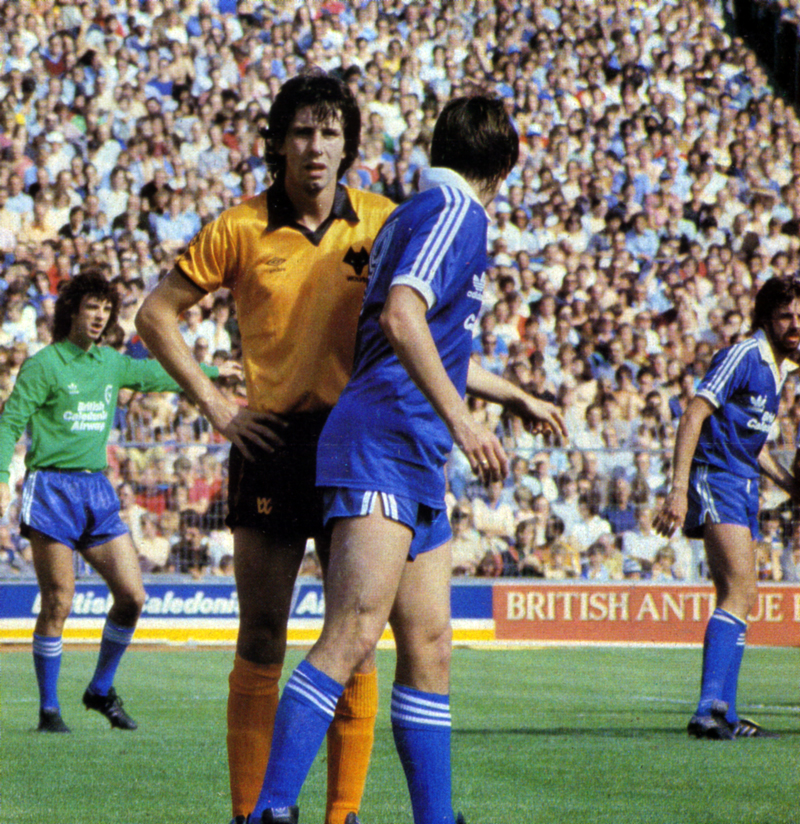
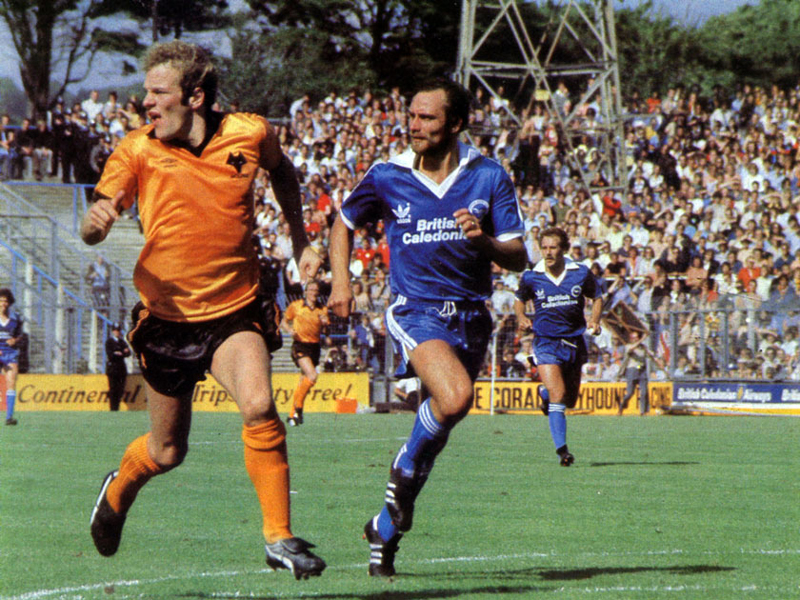
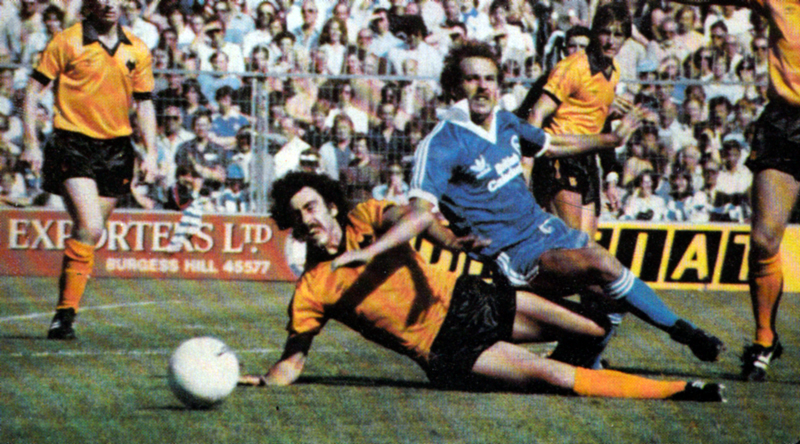
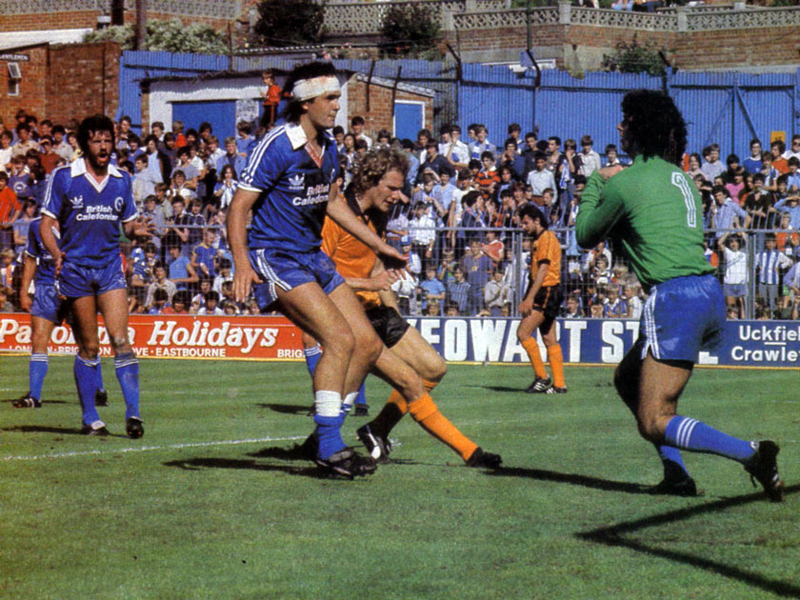
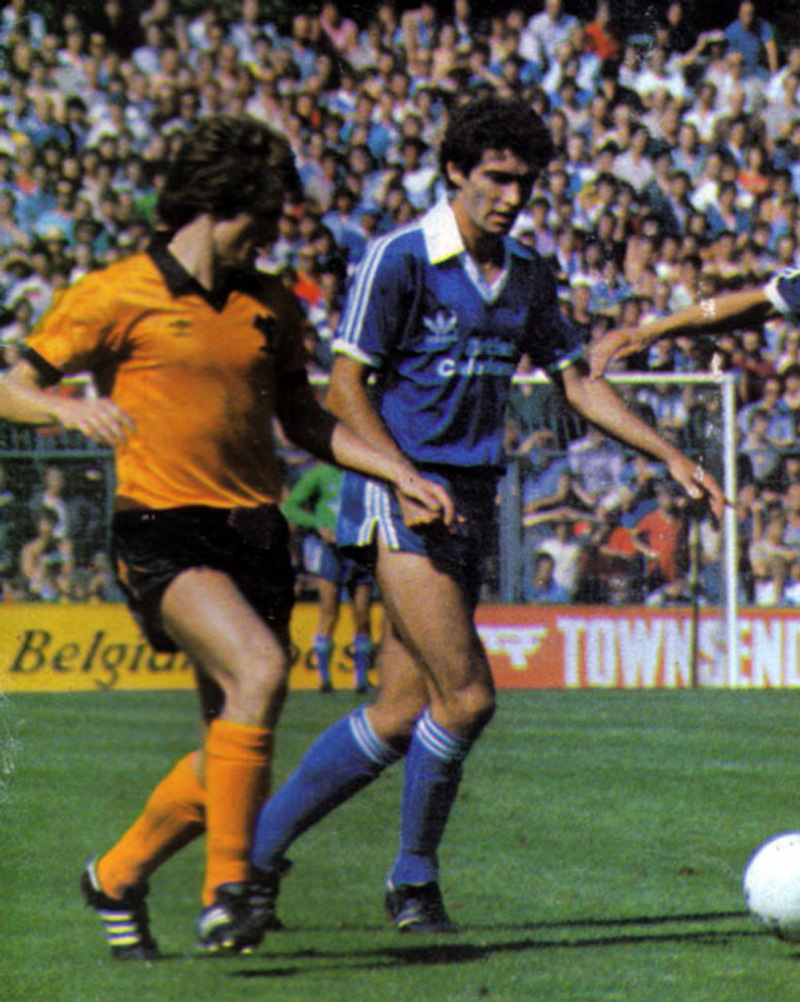
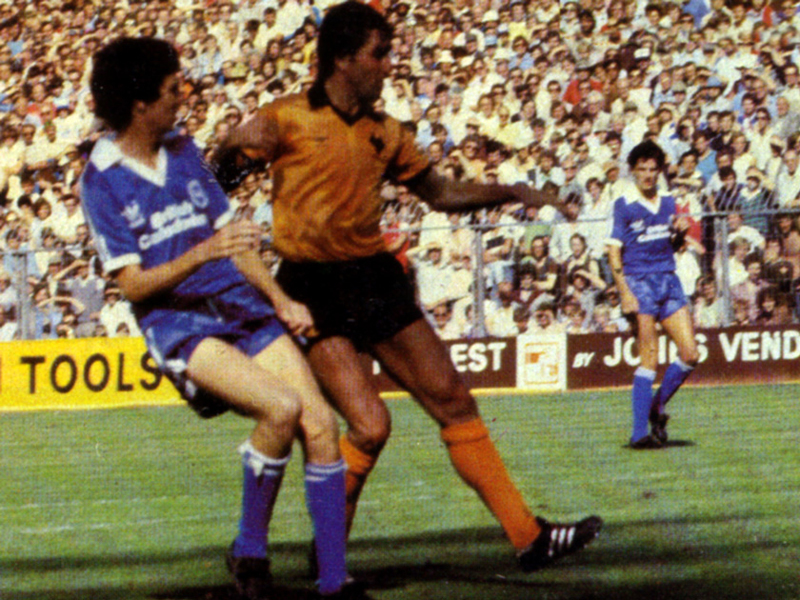
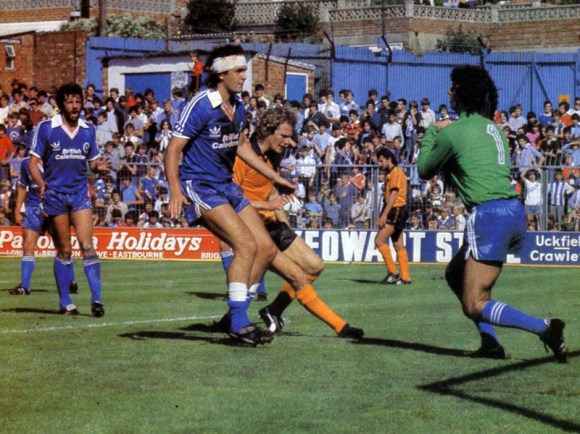
It certainly didn’t pan out that way, which is perhaps testament to the outstanding contributions that Ray Clarke and Peter Suddaby made to the Brighton side. They both had a profound effect on Albion’s season when they joined mid-way in 1979/80. Their departures certainly coincided with a downturn in Albion fortunes, despite the opening day success, a comfortable 2-0 victory over Wolverhampton Wanderers in the sunshine at the Goldstone in August 1980.

An outstanding article by Dave Spurdens dissects the functioning of the Brighton team at the time:

Last season the First Division induced in Brighton the sort of timorous insecurity common to squatters awaiting removal from their borrowed abode.

No mean appraiser of life’s realities in the big league, Alan Mullery saw clearly that reinforcements would have to be moved up if Brighton was to grow from a rather crotchety tenant to an established mortgagee.

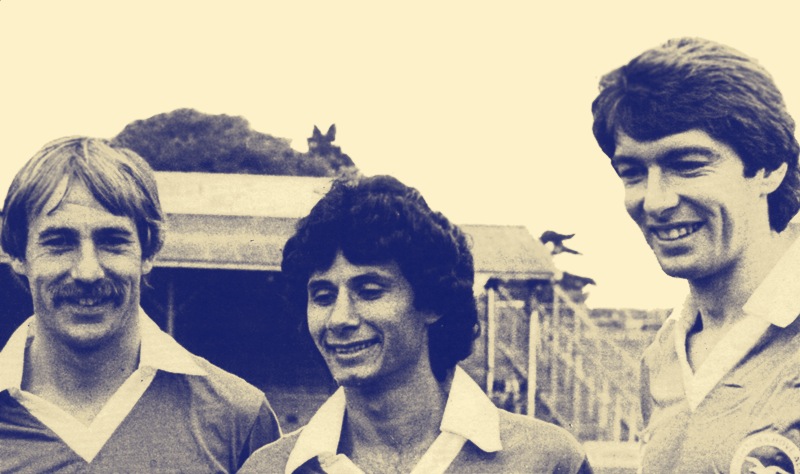
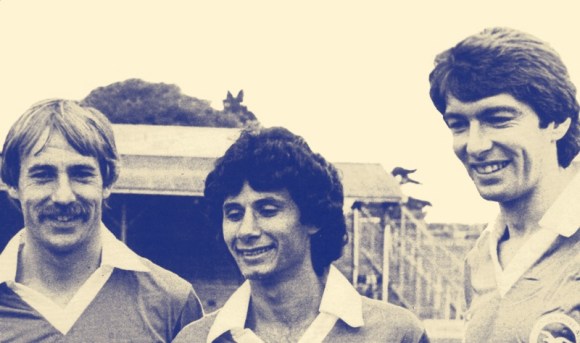
The departures of Ray Clarke, Peter Suddaby and Andy Rollings to pastures new heralded the expected re-jig and after a series of wrangles Mullery forked out a million pounds and came up with Gordon Smith, signed from Rangers, Ray McHale, the generator behind Swindon’s surge, Moshe Gariani, spotted in Israel during a club trip and finally, after much ado, Michael Robinson (below, middle), the Manchester City reject, unloaded by Malcolm Allison in a cut price deal.
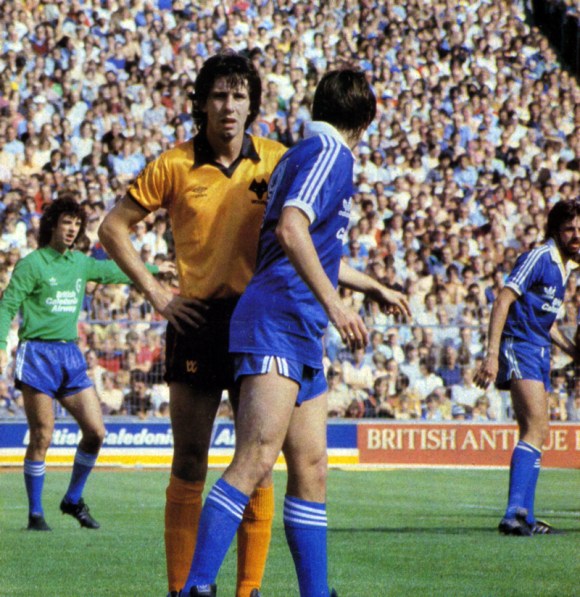
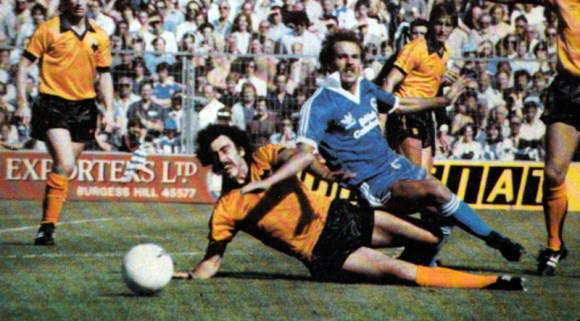
wolves3

Robinson went to the Goldstone Ground hopefully to prove that Allison had been right to buy him in the first place, but hopefully remiss in sending him packing after one short season.

Apart from those four it’s the same Brighton and at the end of the day success will depend on these players being better than those they have replaced, coupled with the experience of more prolonged First Division status.

Mullery’s prognostications that Brighton will cause a few surprises started off with a bang when Wolves, the team many tip to challenge the leaders, were reminded that the supposed no-hopers from the south would certainly not help them in their aspirations and were duly beaten by them 2-0.

The blend looked good. Smith, everybody in Brighton averred, was another Trevor Brooking. McHale’s industry was commendable and Robinson, if nothing else, confirmed that he was unlikely in the next few years to halve his value again. Robinson, whom nobody apart from Malcolm Allison thought a near million-pound player, now has to prove that he is a near half-million player.

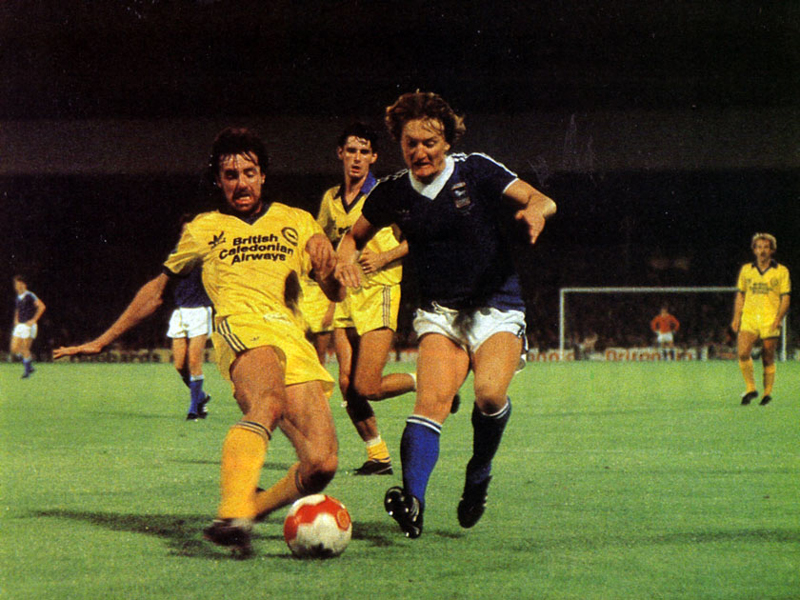
The next game was not so auspicious but nevertheless, despite defeat, demonstrated Brighton’s senior status against another of this year’s tips for the great ‘Nick the title off Liverpool’ campaign, Ipswich.

Taken all round in victory and defeat, this new-look Brighton is a tight outfit with a very solid back four, a midfield that is directed by skipper Brian Horton and a front line that once gets to know itself could produce problems for even the best.
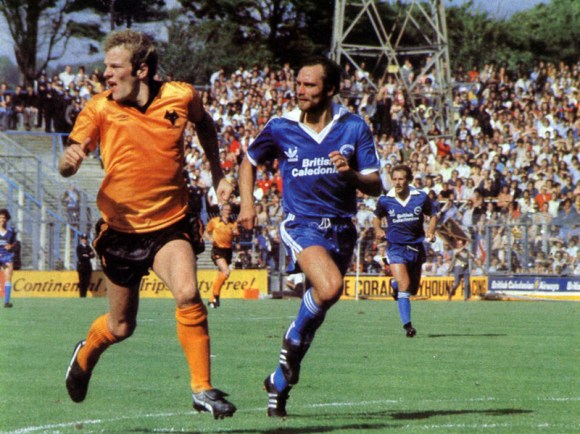
wolves7

Horton (above), a ubiquitous character, has an influence in the three lines slotting into the back whenever Mark Lawrenson takes off for advanced territory, running the midfield and going on occasional forays behind his front three whenever the opportunity presents itself.

In four seasons at Brighton, since he arrived from Port Vale, he has matured into an integrating force with a strong sense of how to exploit time and space. His influence gives Brighton a varied tempo and a less predictable pattern of advance.
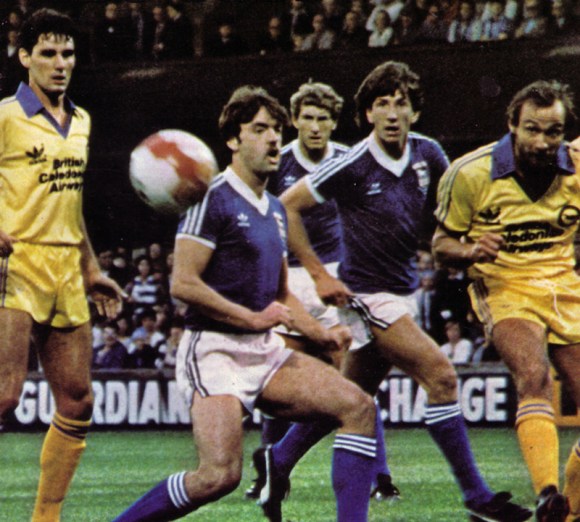
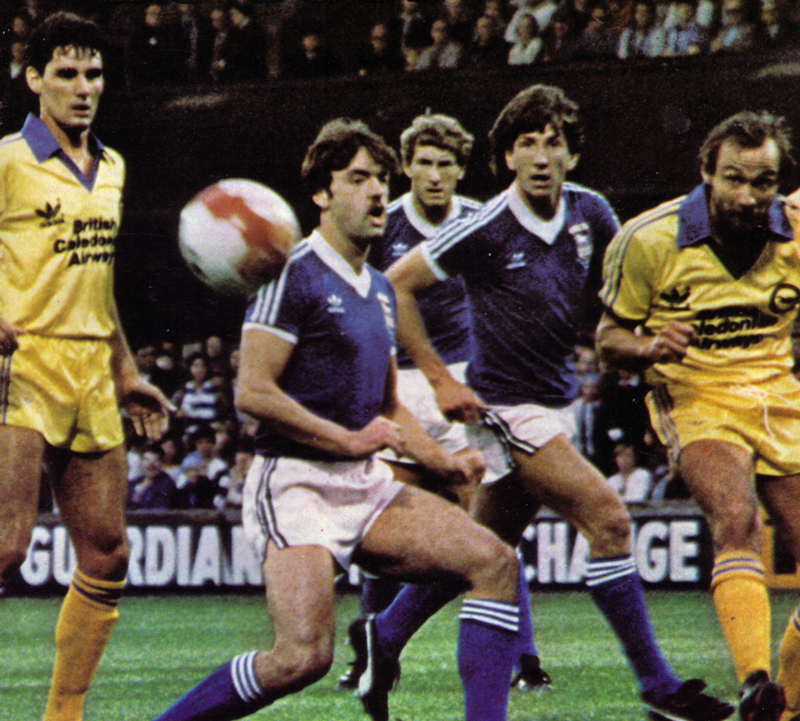
ipswich

Horton (above) plays a complete midfield role and his defensive work is tenacious and very professional.

Unlike his two midfield colleagues, who allow players to steal goalside oblivious of the pressure it puts on the back four players, Horton is an expert tracker and uses his experience to transfer marking responsibilities when he feels he is being pulled too far away from crucial zones.
raymchale

McHale (above), though he operated well forward, is an industrious player busily looking for possession from the man with the ball, but he is not so aware of the damage those without the ball can do.

Neil McNab falls into the same trap of being less than attentive to those who ghost behind his area of concentration. On the ball, he has the look of threatening competence as he moves forward with control. The final pass is often less incisive than anticipated, and some of his forward probes are too easily read by those who should be troubled by them.

Brighton’s build-up when started by Horton or full-back John Gregory is patient and constructive, but tends to be a fifteen-yard game which is easily closed down by good defenders or by teams that fall off and vacate the midfield space.

With a build-up like this, one waits frustratingly for the breakthrough from the back or the run into space which has been created by the diagonal drift of their build up.

So often play develops from the right to left, dragging opposition players with it and leaving large spaces into which back or midfield players should be running in order to exploit opportunities on the blind side.

Even when they are developing their game around the midfield, and where the opposition is turned minimally, there is still a great need for play to be switched once the options have closed down on one flank or the other.

If there was a major reason, in their second game, why their opponents could sit reasonably comfortably it was this tendency to attack in straight lines.
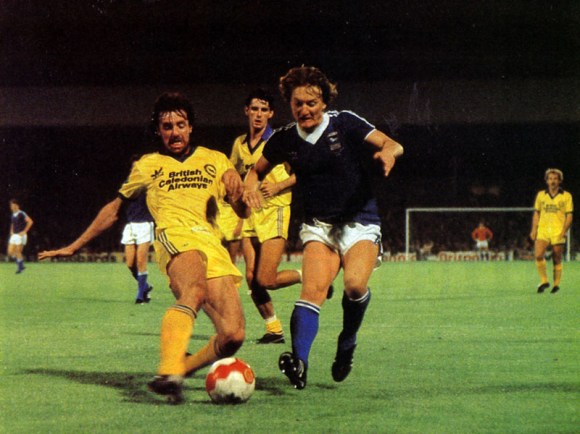
ipswich1

It has been generally accepted by the Seasiders that (above) Lawrenson’s best role is at the centre of the back four.

Certainly with he and Steve Foster at the heart of the defence there is a solidarity that will stand them in good stead whenever they play.

Brighton’s resources probably dictate this policy, lacking the luxury of being able to use players in their perfect role.

I thought Lawrenson playing in front of the two centre-backs last season was more effective because of the strength of his forward runs, and he didn’t have the worry of leaving gaps at the back.
wolves5

Foster (above) is playing better than ever alongside Lawrenson, with tireless courage and aggression.

There are those who feel him to be one of the best young centre-backs in the country. Against Ipswich, it was interesting to see him with the two favourite contenders for the spots currently held so securely by Thompson and Watson.

Under far greater pressure, Foster made several early errors – especially when it came to picking up high balls on the edge of the box. But once he settled down, he looked the equal to anybody aspiring to international status.
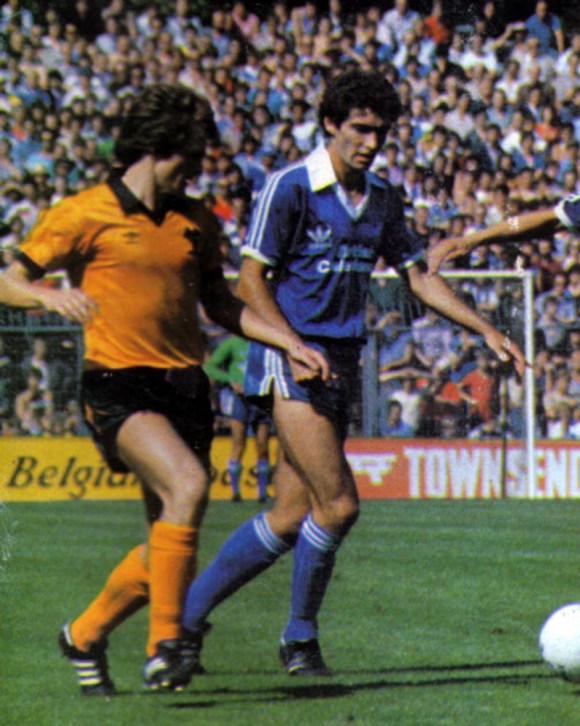
wolves4

At full back, Gregory (above) turn in his usually immaculate performance both defensively and creatively when he plays the ball forward, but his energy in getting forward into good space seems seriously curtailed. Whether through disinclination or orders, only the player and his manager can know.
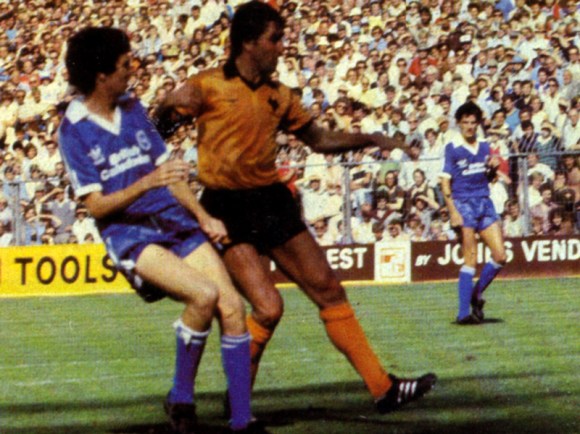
wolves1

On the other flank, young Gary Williams (above) gives the impression that, unless he tightens up on his jockeying to players who run at him withthe ball, he could be in for a skinning before the season gets much older.

The rest of his game seems to be developing well and the way he linked up with the centre-back in the middle when his partner had been pulled out wide suggests he is learning his craft quickly.
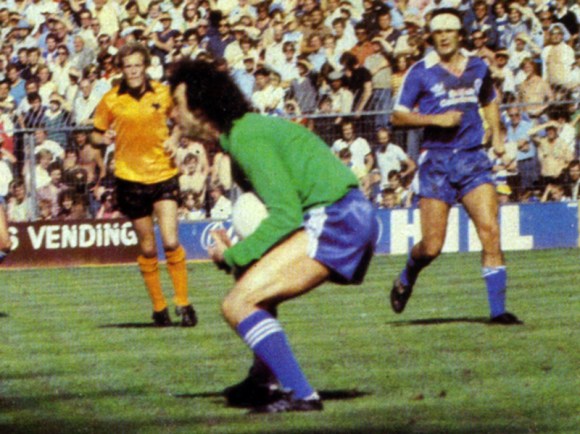
wolves2

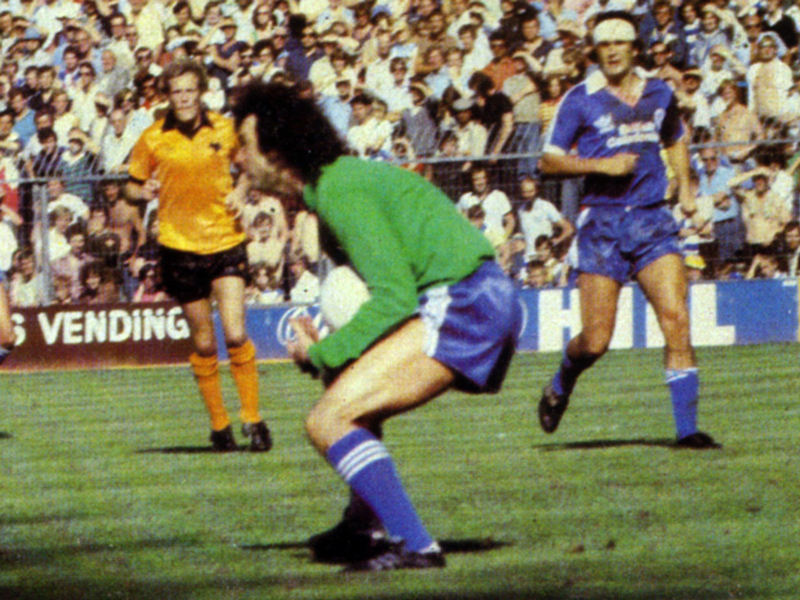
Behind this promising back four Graham Moseley (above) looks quick and agile, enjoying the confidence of those in front of him.

There are times when he could be more positive in his communication but I suspect his diffidence may be prompted by the perpetual dialogue conducted by Foster just in front of him.

The 1980/81 season turned out to be another one of struggle as Brighton’s reshaped side blew hot and cold in the First Division. After the opening day victory over Wolves, it took another six games to record another League victory. Peter Ward left for Nottingham Forest in the middle of a ten match winless spell from late September that saw Brighton vacate the League Cup and marooned at the bottom of Division One by mid-November. Then, a surprise 1-0 win over League leaders Ipswich Town kick-started a brief run of good form. After another slump in the New Year, when Brighton won just twice in fifteen matches, the Seagulls saved themselves with a miraculous spell of four wins in four matches at the end of the season.

This late form showed what Mullery’s most accomplished looking side was capable of. However, it was not without its flaws, as journalist Dave Spurdens capably showed. Although Michael Robinson came good with 22 goals, this did not fully paper over the cracks. When Mike Bailey took over in the summer of 1981, another re-jig of the squad was in the pipeline.

Tagged , , , , , , , , , ,

Shoot Cover: Brian Horton (15 July 1980)

shoot cover 1

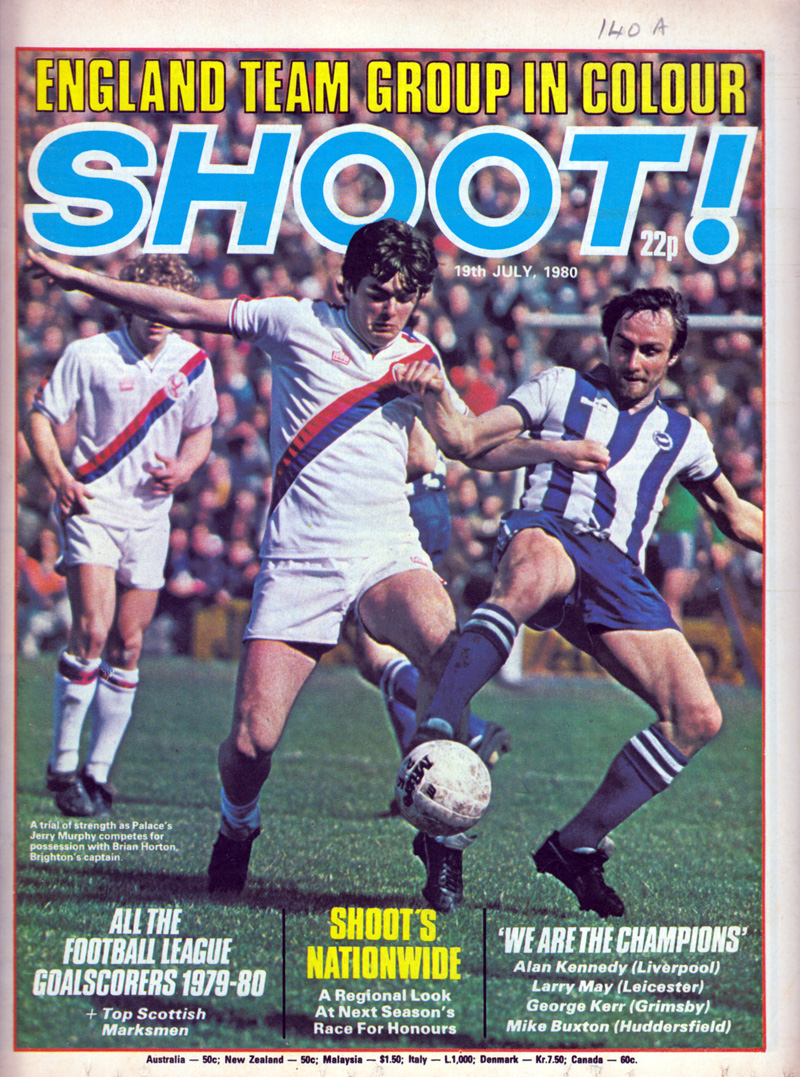
An excellent photo of ‘Nobby’, so-called because of the uncompromising nature of his play when he appeared for Hednesford. Here, he competes for the ball with Crystal Palace’s young midfielder Jerry Murphy in April 1980, during Brighton’s first season in the top flight. The game ended 1-1.

What isn’t known by many Albion fans, however, is how Horton could have signed for Crystal Palace, not Brighton & Hove Albion, in 1976.

In an article in Backpass magazine (issue 26), Horton talks fondly of his time at Port Vale:

We had a fantastic spirit because we were all free-transfer lads brought in by Gordon Lee and, later, Roy Sproson. In 1976, we played at Crystal Palace just before transfer-deadline day. Terry Venables (Palace’s player-coach and soon-to-be manager) got a message to me beforehand saying, ‘Don’t sign for anyone, I’ll sign you in the summer’. We drew 2-2 and afterwards Sproey said, ‘I’m sorry but we’re selling you to Brighton for 30 grand. We need the money.’ The deal was already done and everyone knew but me.

Next day I went to Brighton and met (manager) Peter Taylor in the Metropole hotel. He offered me a deal and my then-wife came down to look around. We watched them play Shrewsbury that night and the next morning I tried it on over wages – there were no agents then – but he called my bluff. He said, ‘Take it or leave it. But if you sign I’ll look after you.’

Horton duly signed.

After a few games for Brighton, Horton was handed the captaincy by Taylor and retained the position when Alan Mullery succeeded Taylor as Albion boss in June 1976. In the season that followed, the tough-tackling skipper was involved in a controversial incident against Palace, the club he almost signed for, in the famous FA Cup 1st Round 2nd Replay at Stamford Bridge.

Horton slotted home a penalty but referee Ron Challis ordered a retake after encroachment by Palace players. Yes, you heard that right, by Palace players. When Horton retook it, Eagles keeper Paul Hammond saved it and Brighton lost 1-0.

Horton did get on the scoresheet in the away match against Crystal Palace in October 1978, but his fine goal proved a consolation goal. Very small consolation, indeed, as Brighton lost painfully, 3-1, as part of a spell where the Albion did not beat Palace in any of Horton’s first nine matches involving the two sides.

It took until that 1979/80 for Brighton to lift the Crystal Palace hoodoo. Horton tucked home a penalty after five minutes to set the Seagulls on the road to a comprehensive 3-0 thrashing of their rivals. After that, Horton never lost again while playing for Brighton against Palace, and played both matches when the Seagulls did the double over the Eagles in 1980/81.

Tagged ,

A greyhound called ‘Seagulls’

greyhound

From the Brighton v Norwich programme in October 1979:

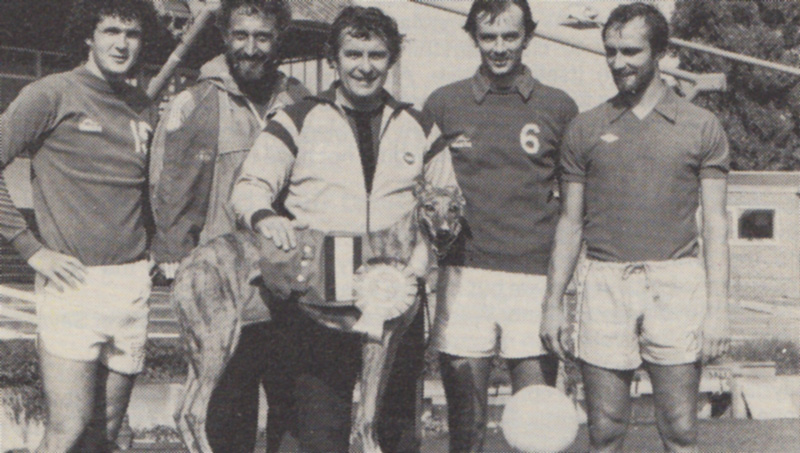
The greyhound recently adopted by the Albion and renamed ‘Seagulls’ has, since taking the Albion’s colours, been pretty successful. Despite being just about the youngest dog in the Grand Prix field she won her heat, came second in her quarter-final and then third in the semi-final to reach last Saturday’s final at Walthamstow.

Tagged , , , , ,

Sponsorship heaven & hell: Oxford v Brighton 1988/89

oxford1

The gloriously manly Wang Computers are quite rightly hailed by The Football Attic as the greatest shirt sponsor of all time. Man, I wish Brighton & Hove Albion had the US computer company as our shirt sponsor in the 1980s. Instead, we wound up with the thoroughly embarrassing NOBO. I’m sorry, but boasting you are ‘Top of the First Division For Display and Training Aids’ cuts no ice with me.

When Wang Computer became the sponsor of Oxford United, a Division One club for the first time, in summer 1985, Brighton were still plying their trade in the Second Division. When the U’s, who had triumphed in the League Cup Final against QPR 3-0, won by the same score over Arsenal on the final day of the 1985/86 season, it inconveniently preserved the side’s top flight status. Their home kit, incidentally, looked strikingly similar to Brighton’s away kit for the forthcoming 2013/14 season.

oxford2

Hopes of a mirth-making Wang v NOBO football match were dashed by that Arsenal result, and frustrated again the following season when both Oxford and Brighton went down, preserving the league gulf between them.

It took until September 1988 for newly promoted Brighton to play in their NOBO-emblazoned shirts against the team in Wang.

Brighton lost 3-2 to Oxford in a Second Division fixture as part of a depressing start to the 1988/89 campaign where they lost their first eight matches. Oxford manager at the time was ex-Seagulls favourite Mark Lawrenson. His programme notes explode the myth that he has never acknowledged his time at Brighton since leaving the Goldstone. Instead, he wrote warmly:

“Welcome today to Brighton and Hove Albion, the players and officials and everyone connected with the club. Brian Horton and myself spent many happy years at the club and we have a great affinity for the club from the good times we had there. Indeed Brighton’s result is one of the first we look for on a Saturday night. Dean Saunders too, I am sure will wish to have a good game today as he had a successful time at the Goldstone Ground.”

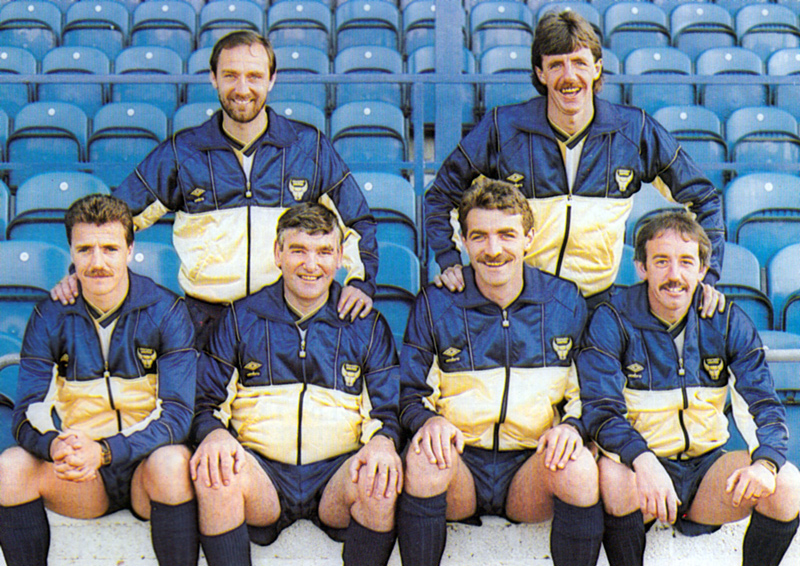
Due to the financial woes at Brighton, Saunders had been signed for a ludicrously low fee of £60,000 in March 1987. Sometimes, it is said by Brighton fans that Lawrenson took advantage of the difficulties at his former club to ‘steal’ Saunders from us, but the Oxford manager at the time was Maurice Evans (bottom row, second from left, in the image below), not Lawrenson.

oxford

Mark Lawrenson didn’t last long as manager, however. He was sacked the following month after making critical comments when Saunders was sold to Derby County against his manager’s will. The future complacent BBC armchair pundit was replaced by Brian Horton.

By the time of the return fixture, in late March 1989, Brighton had hauled themselves off the bottom of the table to 21st place, one place above the relegation trapdoor. They helped their cause even more by coming from behind to beat Oxford 2-1 at the Goldstone Ground.

The Seagulls eventually finished 19th, two places behind Oxford.

Tagged ,

The video age arrives at the Goldstone

john king films

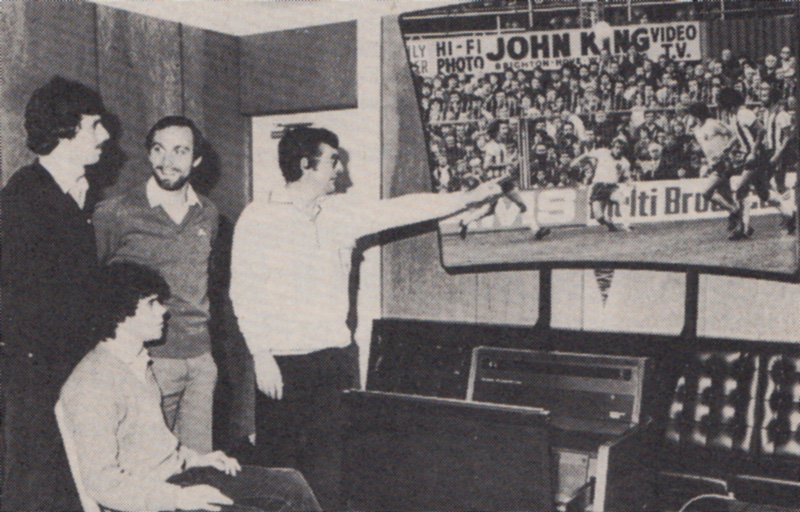
In a scene befitting a ’70s sci-fi movie, Alan Mullery goes over footage of a recent match with some of his star players. As the Brighton v Nottingham Forest programme from 1979/80 reports:

Every home game at the Goldstone is recorded on video by John King Films and Manager Alan Mullery spends a considerable time looking through the replays for tactical purposes.

John King are now marketing a brand new form of television. It is the biggest screen on the market operating on a sophisticated projection system. Our picture shows Alan with players Mark Lawrenson, Peter Ward and Brian Horton viewing the action of a recent match and envying the chance of such a set at him.

If the picture quality was really as good as that, JKF were really ahead of their time. And whatever happened to all the video footage from Albion’s first in the top flight? If only it still survived…

Tagged , , ,

Opening of the Seagull Tavern

seagull tavern

Taken from the Brighton v Crystal Palace programme of December 1979:

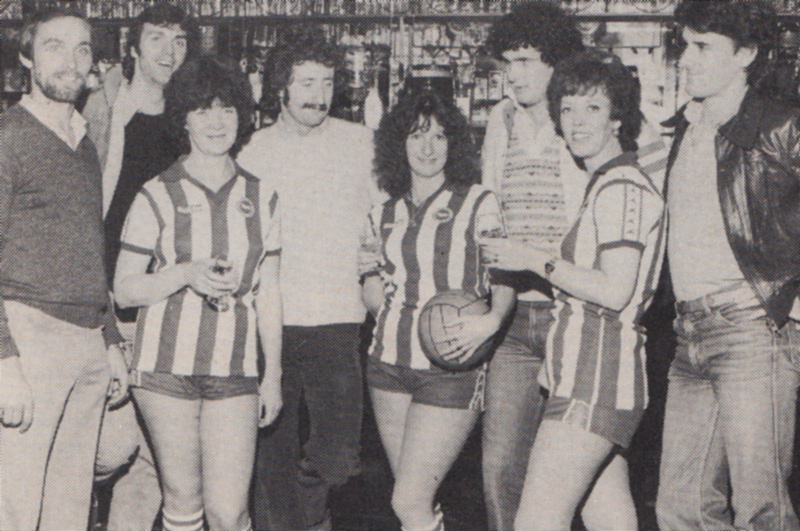
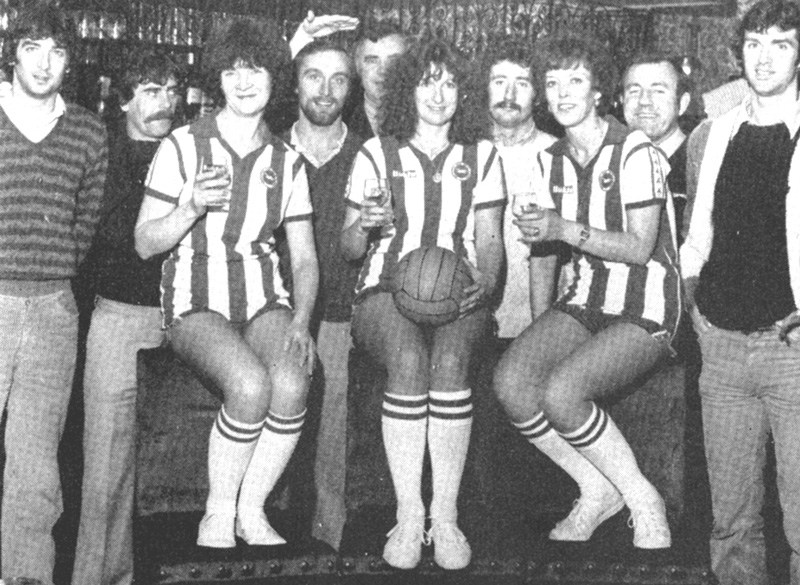
Two weeks ago the nearest hostelry to the Goldstone took on a new name. The former Sackville pub on the corner of Old Shoreham Road and Sackville Road was renamed the ‘Seagull Tavern’ and there for the opening were a number of Albion players to wish landlord John Sainsbury well. Our photo shows the lads together with some ‘Seagulls’ lovelies.

Anyone who owned a replica of that Bukta shirt can vouch for its nipple-scratching effects of the sandpaper-like material. I hope the, ahem, ‘lovelies’ weren’t too discomforted. Gerry Ryan appears to be somewhat distracted by the young lady with Peter Sayer’s perm!

And a few drinks later, things get a bit more cosy…

seagulls tavern 2

(from Brighton v Southampton, Peter O’Sullivan testimonial programme, April 1980)

Tagged , , , ,