Category Archives: Around The Goldstone

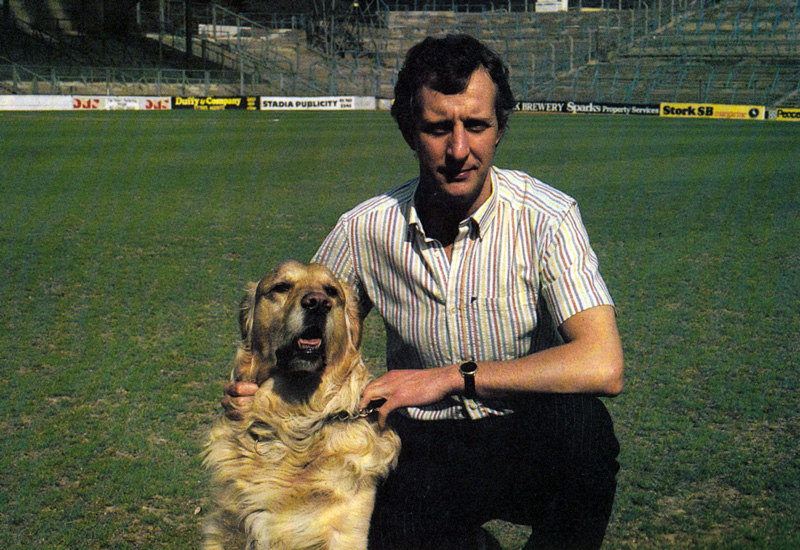
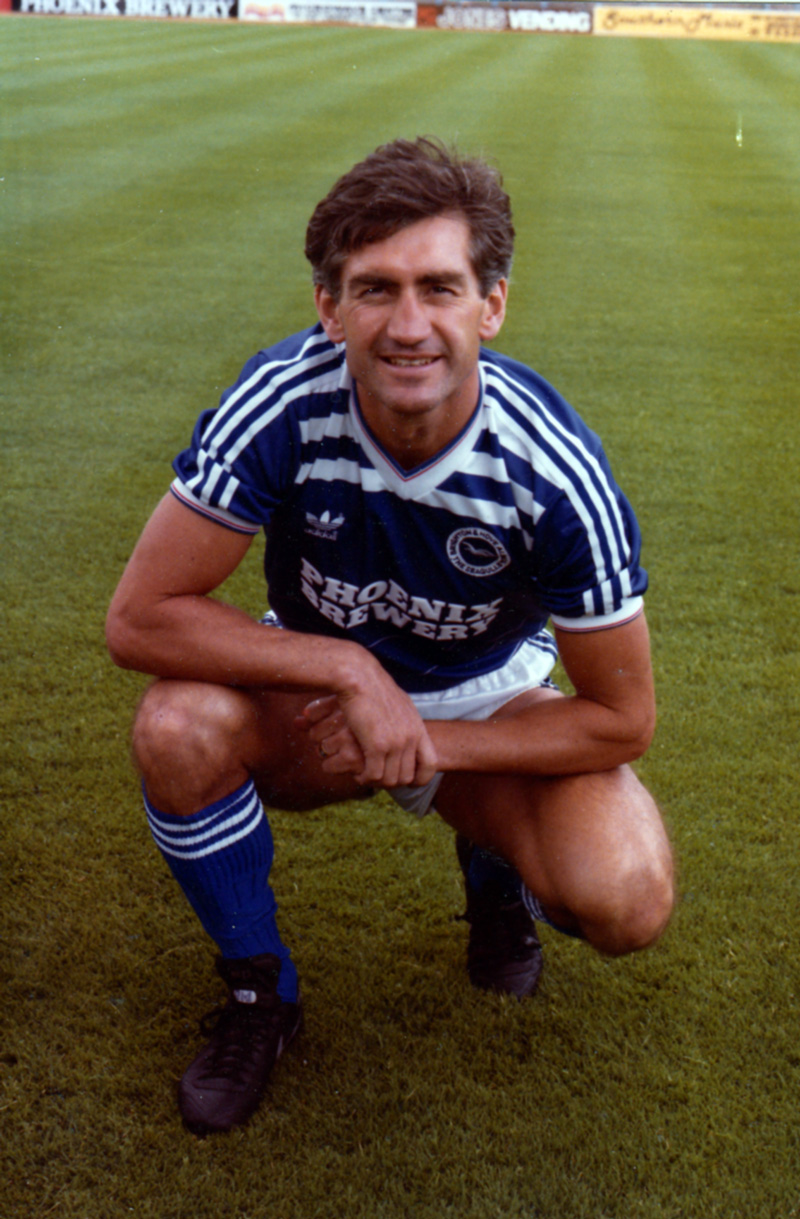
Trading places: Gary Williams and Neil Smillie

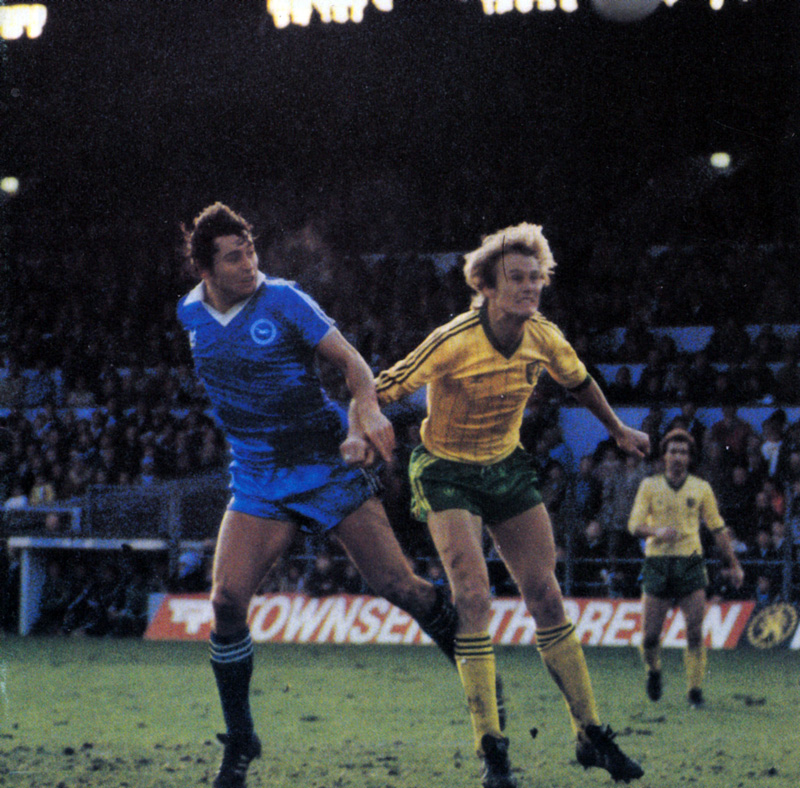
Before the 1982/83 season, Brighton completed a swop with arch rivals Crystal Palace. With Sammy Nelson and newcomer Graham Pearce competing for the number three shirt, Gary Williams, Albion’s popular left-back for the previous five years, departed for Selhurst Park, having been out in the cold since November 1981:
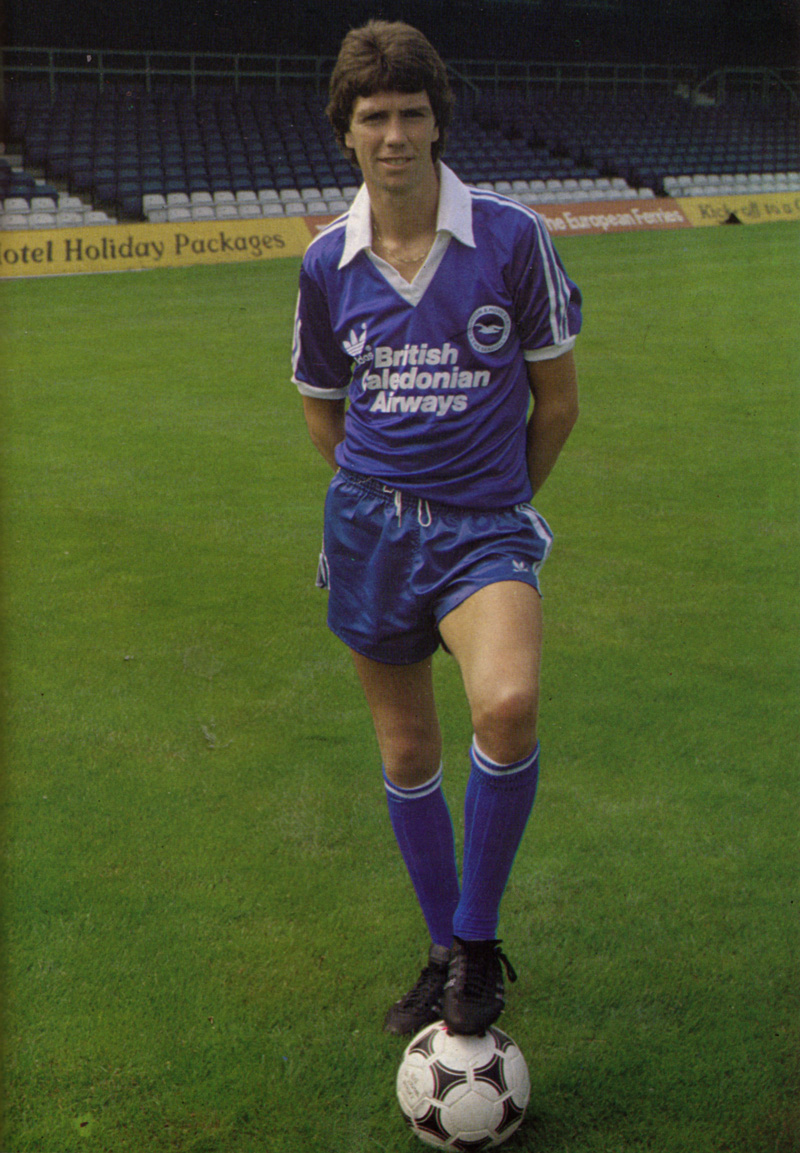
garywilliams81

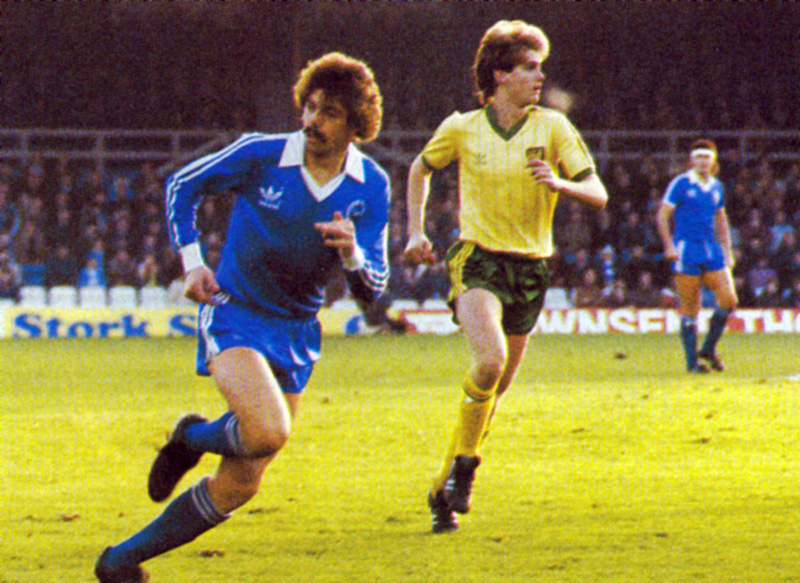
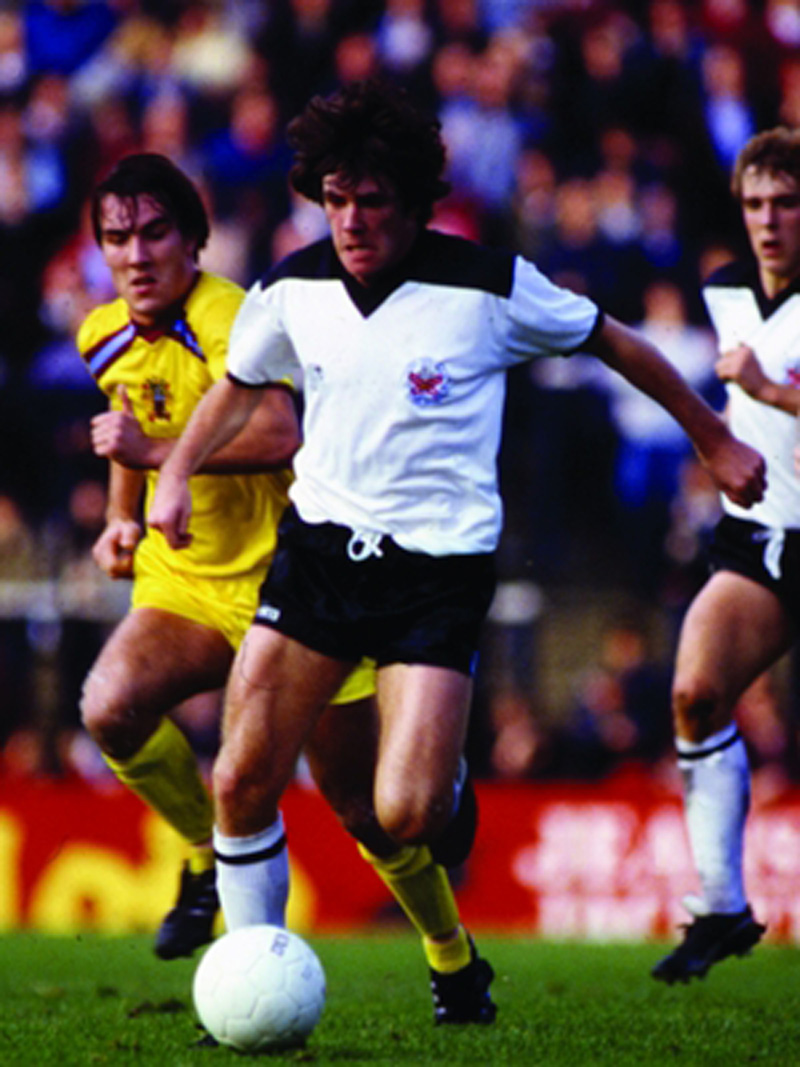
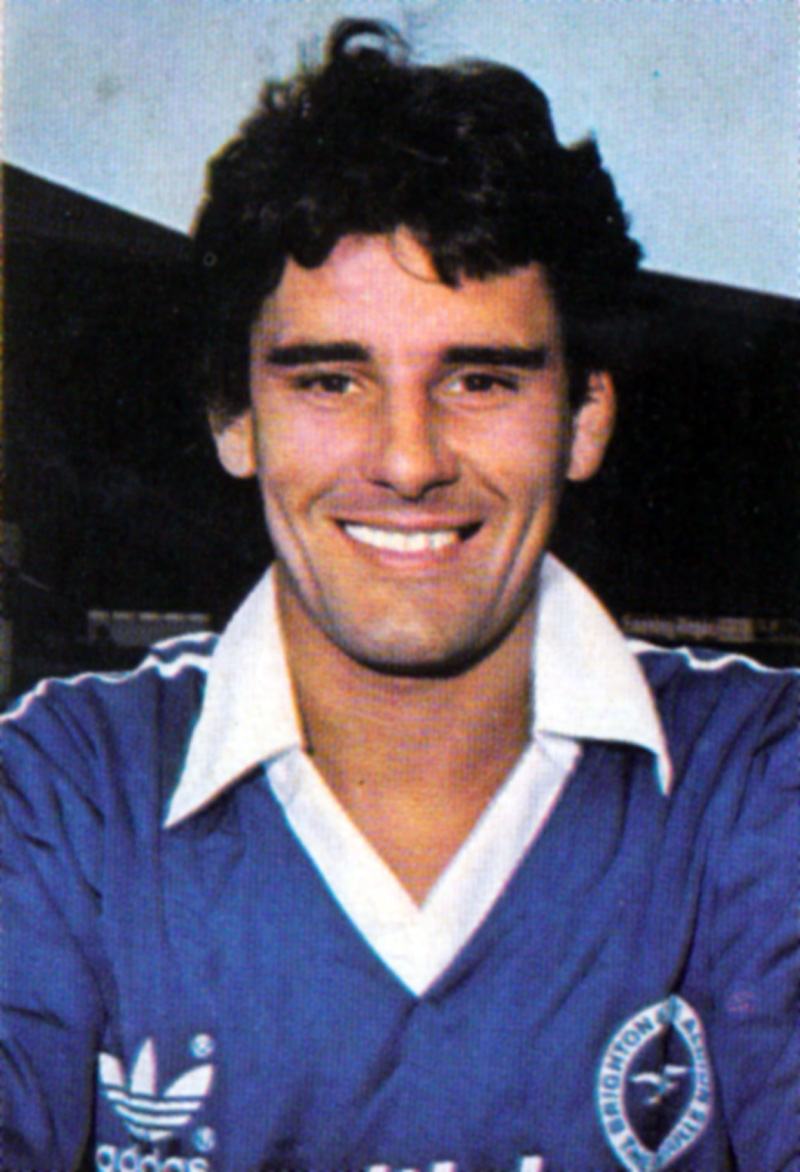
In came the speedy, tricky wide man with the curly locks, Neil Smillie:

neilsmillie

Despite being a recent buy, Smillie then found himself dropped by Mike Bailey on two occasions. However, he established himself as a first-choice player once Jimmy Melia took over in December 1982. By the time of the FA Cup Final later on in the season, such was the cutting edge he provided, he could be sure of a starting place:

The buzz went up from the Notts County fans as Brighton’s pacy winger exploded down theJine, beating two defenders en route and whipped over a precise cross that turned the penalty-area into a zone of undisguised panic.

Nell Smillie appreciated the generous applause from the home fans as he pounded back to take up a workmanlike position, letting it seep into his body to fuel his growing confidence as a First Division player of considerable note, and one just a dream away from the FA Cup Final.

Last summer he was packing his bags after a football lifetime with Crystal Palace that fizzled and spluttered, threatening to catch alight only to be extinguished repeatedly by managerial changes.
After a spell in the United States, Smillie discovered that his expired contract at Selhurst Park left him with an offer worth not one penny more than he got before. It was all beginning to depress the 24-year-old Barnsley-born winger… until Brighton stepped in.

“The deal was an exchange between me and Gary Williams, one which went through after talks. That was last July and I was glad because I’d begun to feel in a rut at Palace.

“I played in the first two games: of this season, but we lost the second, 5-0 to West Bromwich Albion, and Mike Bailey dropped me. Then it was the bench followed by the reserves until October 26, the Milk Cup replay against Spurs.

“We lost 1-0 and out I went again until November 20 at Watford where we took a 4-1 drubbing. Bailey went soon after that and I found myself back on the outside looking in when Jimmy Melia took over.

“I was sub when we played Newcastle at home in the Third Round of the F.A. Cup and came on at St James’ Park in the replay, on January 12. I’ve kept myself in the side since then and my confidence has grown with every game,” Smiilie probably needed nothing more than that boost to his confidence; and despite Albion’s tough relegation battles, he has continued to provide Melia with just the type of player his style of football requires, a player capable of playing wide.

“Yes, I give the side width. They know I’m out there and when things get too tight in the middle I can take the ball and take men on. I have the confidence to take on any full-back in the League. I give them their due respect, but that’s all.

“In our situation you have to work hard defensively as well. I agree with Steve Coppell who said that a winger is a barometer of his team. When things are going well the winger will get forward, attack the line, get the ball across and make things happen. But when you are up against it the winger is often working back in his own half, covering, tackling and grafting.

“What excites me is that Jimmy Melia has made it clear to us that there will be no change in his attitude for the Final. We will go out to attack with three men up front, going for the win… and United’s throat.

“I anticipate a tremendous battle with Arthur Aibiston, against whom I’ve played twice before. He does a lot on the ball as well as good work defensively, but he holds no fears for me.

“i’m the winger he has to stop, and if he fails then Mike Robinson and the lads will see as much of that ball as I get supply.”

As for Gary Williams, although delighted to rejoin Alan Mullery, he didn’t enjoy his time at Crystal Palace. When I met him in the pub about a year ago, Gary described his playing career there as ‘just a job’, never developing any great feeling for the club. By contrast, he remembers the camaraderie and team spirit of his Albion days with far greater fondness.

His Palace career did not last long either, as injury meant he retired from the professional game with just ten League appearances for the Eagles in 1982/83. Because of his transfer from the Goldstone Ground, he missed the FA Cup Final of 1983, of course. However, he can be proud of the fact he was never in an Albion relegation season.

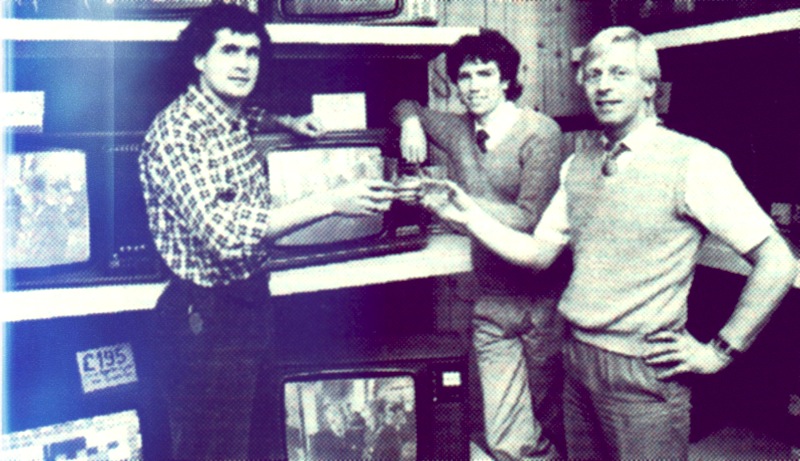
He played some games with Saltdean in the summer of 1983 before spending the following season with Whitehawk in the Sussex County League. At that time, he also began to explore business opportunities outside the game, as this snippet from a matchday programme from 1983/84 indicates:
garywilliamstv2

Last Wednesday several first team players made a special visit to a TV and video shop in George Street in •Brighten, just off St James’ Street.

The lads had a special reason for going along there, as a partner in the firm is former Albion favourite Gary Williams, now playing for Whitehawk. The shop specialises in sales service and rentals of sets, but as Gary points out, they are not a video film library.

Gary is pretty fully occupied these days, because he’s playing regularly for Whitehawk who are involved in Cup games and League matches at the moment at a rate of at least two a week. Our picture shows Steve Foster toasting success to Gary and his partner Pete Renvoize.

In other words, Gary Williams was busy selling TVs enabling football fans to watch Neil Smillie tear Liverpool apart in January 1984.

Nowadays, Gary works for Blakes Wholesale and Catering Butchers. As for Neil Smillie, he left Brighton for Watford in 1985 and later had managerial spells with Gillingham and Wycombe. An article in the Daily Mail in January 2010 suggested that Smillie ‘lives in Reading. Works with Nike on their sponsorship of youngsters.’
Tagged ,

Video: Brighton 3-0 Norwich – a flying start for Jimmy Melia’s circus

It's Jimmy Media!

It’s Jimmy Melia – but no disco shoes here

It was boss Mike Bailey out, Jimmy Melia and George Aitken in, come December 1982. Having previously served as chief scout and chief coach, Brighton’s temporary managers helped to lift the gloom over the Goldstone Ground, caused by poor results, falling crowds and growing disharmony within the side:

Brighton are fighting for First Division survival after the departure of manager Mike Bailey. What hope for the club that brought football glory to Sussex by climbing from the Third Division to the First in three years but have since fought desperately to avoid relegation. SHOOT investigates Brighton’s catalogue of problems and turns the spotlight on Mike Bamber, the chairman who wants to be manager as well.

When Brighton were promoted to the First Division three seasons ago it seemed like a Iicence for the club to print money.

They had been magnificently supported, but the crowds melted away as two gritty battles against relegation were fought by Alan Mullery.

Then, last season under Mike Bailey, Brighton appeared to have turned the corner in finishing a respectable 13th, the highest position in their history.

Now, following Bailey’s departure early last month, Brighton, amid falling gates, are fighting all over again to establish themselves.

Alarmingly, there are cracks appearing in the Goldstone structure, and some disgruntled fans have even said they’d be better off in the Third Division.

It is a fact that Brighton have never attracted 30,000 crowd since they went up, yet there is well-heeled catchment area that hasn’t been visibly hit by the recession.

The season was only a few weeks old when two key international players, Steve Foster and Michael Robinson, asked for transfers. Then Nell McNab said the chairman’s involvement extended too far. McNab alleged that he picked the team.

Foster - staying for now

Foster – staying for now

The fuss died down, and Foster and Robinson later said they were willing to stay. McNab, who is also on a lengthy contract, turned down a move sending him to Newcastle on loan, and has since joined Leeds United on a temporary transfer.

While the basis of Foster’s gripe was money he considered a rise was due after getting into England’s World Cup squad, Robinson’s quarrel, besides being financial, raised other questions.

He accused the club of lacking ambition, and this was triggered when Bamber refused to back Bailey up in giving Charlie George a month’s trial.

Robinson: Want-away striker

Robinson: Want-away striker

It was Robinson’s opinion that the chairman should also have given Bailey a contract. After putting his cards on the table, it looked as though Robinson would leave.

But he declined a berth at Sunderland, and was later wooed by Arsenal and QPR.

Foster’s dispute had been settled previously, and he did not identify with Robinson all the way. But McNab’s bluntness in challenging his chairman was a blockbuster.

Ward returns

Ward returns, replacing the Ward-replacement Andy Ritchie

Bamber brought about the return of Peter Ward, Brighton’s former record scorer, on loan from Nottingham Forest.

He saw him as not only a vital crowd-puller, but the man to link-up best with Robinson.

Brighton have only got him until the end of next month, but he did the business by scoring the winner against Manchester United on November 6 when the gate was a satisfying 18,398 – an increase of 8,000. The inclusion of Ward put Andy Ritchie’s nose temporarily out of joint, Brighton’s most expensive signing at £500,000 from Old Trafford stayed in the reserves for six weeks and only re-appeared when Bailey left.

And another big-money player, Gordon Smith, who cost £400,000 from Rangers, went back to Glasgow on a temporary transfer.

The principal reason was to help Rangers in the Scottish League Cup Final against Celtic. But all Smith got was a runners-up medal that was stolen the same night when his car was vandalised.

Smith, like most Brighton players, is also on a long engagement. But he’s in a whirl.

“When I get back to Brighton, I’ll have to introduce myself as a new signing.”

Perhaps Brighton’s biggest mistake was signing Mickey Thomas from Everton. Over £400,000 was involved, and the Wales international couldn’t put a foot right.

He gave domestic reasons for several acts of truancy that held Brighton up to ridicule. Fines and suspensions didn’t bring him into line. But once transferred to Stoke, Thomas showed his real worth.

Then he relaxed, and said: “Joining Brighton was the worst period of my life. Last season was just a horror story for me. I felt trapped there. They were in such a hurry to sign me, and soon everything got me down. And the system they played was so defensive that I got bored. I admit I was out of order in taking time off, but I should never have gone there in the first place.”

Brighton cannot afford another mistake like that, and it is very doubtful they will be able to recoup anything comparable to the fee paid for Smith.

Bamber disclaims responsibility, saying the down-turn in the market has put many clubs in trouble, and Brighton are no exception.

He is hoping that Jimmy Melia, in temporary charge, can lift the side…

The Melia era got off to a glorious start with an emphatic 3-0 victory over Norwich City on 11th December 1982, a win that suggested the side, now more attacking, had turned over a new leaf in the League. Here you can enjoy highlights from this match, Albion’s biggest victory in Division One that season:

Enjoy Jimmy Case’s rocket with his left foot, the close control and creative play of Peter Ward, and Andy Ritchie’s curling free-kick.

Unfortunately, it proved a false dawn. Albion failed to win their next ten League matches, a poor run that plunged the club from 18th to bottom of the division by the start of March. By then the media circus over the FA Cup run gripped the club and First Division survival became of secondary importance.

Tagged , , , , , ,

Brighton have got it right this time!

Brighton are on their way back to the First Division – and when they get there this time, they mean to stay there.

So says journalist Tony Pullein, writing for ‘Football Monthly’, the world’s greatest soccer magazine, according to its strap line, in February 1986. He was convinced of this view after speaking with Albion chairman Bryan Bedson and manager Chris Cattlin, as the season entered spring and the Sussex club dreamed of promotion.

Bedson thinks the future's so bright he'll be wearing shades

Bedson thinks the future’s so bright he’ll be wearing shades

“All our planning over the past couple of years has been geared to putting Brighton into the First Division and establishing the club at that level,” explained chairman Bryan Bedson.

“When the club previously reached the top, they did it with quite a few expensive signings. But those players grew old and were worth very little in the transfer market.That was one of the reasons why the club was so heavily in debt. When I took over, we had 32 players on our books, many of them being paid far too much.I can tell you that I took over enormous debts. We had to take care of these and now, they are being carried by the directors. We had to trim the staff and get the housekeeping right. We have spent a lot of energy on our lottery scheme, which is now one of the most successful in the country. We have new completely restructured the club financially and are very optimistic for the future.”

Brighton have a good chance of winning promotion this season but, should they miss, there is little doubt they will make it next term.

Visiting the Goldstone Ground recently, I could sense the feeling of optimism around the place. With five wins in their previous six games including that fine 2-0 F.A. Cup success at Newcastle – the feeling was that they have got it right this time.

Smudge, with Chris Cattlin

Smudge, with Chris Cattlin

“The pleasing thing for me,” smiled manager Chris Cattlin, “is that we have won four of our last five away games.” That was no surprise to Brighton’s travelling supporters, who have become accustomed to seeing their side attack the opposition both at home and away.

“My policy is to go at the opposition right from the start,” explained Cattlin.”I don’t care whether we are home or away. Our tactics are the same. The important thing for us all is that the game is made entertaining. We have to put the game before individual club ambitions. Football has had many problems. One of the reasons is that it has not been marketed in the right way. We have got to make people want to come to the ground to see a good game. There is too much talk about sponsors. As far as I’m concerned, the only sponsors I want to see are fans pouring in through our turnstiles. That’s what the professional game is all about,” added Cattlin.

Certainly, there has been a tremendous transformation at the Goldstone Ground since Cattlin took over as manager in November, 1983. The Seagulls were third from bottom of the Second Division at the time. Though few people realised it, the club was on the verge of closure.

“That’s right,” shrugged Cattlin. “If we had gone down again, we might have become another Swansea or Bristol City. It was as serious as that.” “Brighton were saddled with too many old players, many earning far too much money for what they were contributing. I sold an old team and have bought a new team of my own. I had to pick them up from the lower divisions and from reserve teams. But I chose players with the right attitude and players who would be proud to play for Brighton.

“I set myself two targets. One was to ensure the club survived. The other was to set up a youth policy that would provide players for the future.”

The latter will probably prove to be the most important contribution made by Brighton’s live-wire manager in the long term. Few local-born players have made the first-team in modern times and the whole of the current first-team squad came from other clubs.

George Petchey was brought in as youth development officer to set the scheme in motion and is still in charge of recruitment, though he is also coach to the first-team. John Shepherd, the former Millwall, Brighton and Gillingham player, runs the yeuth team on a part-time basis.

“Of course, it will be some time before we see real results,” says Cattlin. “But I am hopeful that we shall find many first-team players from this source in the future.”

At the moment, Cattlin still has to find his players elsewhere. Last summer, he sold Nell Smillie to Watford for £ 110,000 and bought Justin Fashanu from Notts County for a similar fee.

mortimer

“I also signed my old Coventry friend Dennis Mortimer on a free transfer. He is such a fine player with the right attitude,” said the Seagulls boss.

Ray Houghton - one that got away

Ray Houghton – one that got away

“I got Dean Saunders from Swansea on a free, so my summer dealings cost the club nothing. I would dearly have liked to have signed John Gregory from Q.P.R. and Fulham’s Ray Houghton. But the fact was, we couldn’t afford them,” shrugged Cattlin.

“I was disappointed because, at the moment, I am £300,000 in credit on my transfer transactions. But, besides being a football manager, I am also a businessman and I accept that the board has had to make cuts – just like the Government!”

Cattlin spent his distinguished playing career With Burnley, Huddersfield, Coventry and Brighton. A leftback, he also won England Under-23 honours. When he retired in 1979, he left the club to go into business locally. He later returned to the Goldstone Ground as coach and in November, 1983, he became manager.

“It has been difficult at times,” he admits. “In the old days when the club went through a lowspell, they would spend £400,000 on a new player. I can’t do that. This season, we have been crippled by injuries. Strikers Gerry Ryan and Terry Conner both broke a leg. Fashanu had a knee operation, Steve Gatting a pelvic injury. Chris Hutchings broke an arm and now he’s out with a cartilage injury. In the circumstances, it’s not suprising we received a few set-backs during the early weeks.”

At the turn of the year, Brighton were fielding a settled team for the first time. And it showed in results.

Of the game generally, Cattlin feels football needs to take a good look at itself.

“We have got to market the game and we needed TV to help. We’ve got to run our clubs on a businesslike basis and, most important of all, we have to examine the product we are selling football. I’m absolutely convinced that football has a great future. We have to stop being too cautious. Here at Brighton, we are all willing to have a go. To take chances. All right, we shall make mistakes. But the game is about winning and that means you have to attack.”

The Seagulls’ boss is confident his side can succeed this season. “In the Second Division, we want to win the Championship,” he emphasises. “We enter the F.A. Cup because we want to win it. We are going for both this season.”

Cattlin concedes that Portsmouth and Norwich seem likely to take two of the promotion places. “It looks that way at the moment, but there’s a long way to go. I’m proud of my team. They are all playing for Brighton. Playing to win every game. Of course we can win promotion.”

Will the current side be good enough to hold its place if it does go up this year? Cattlin is realistic: “I think we would have to spend a bit to strengthen it. The youth policy has not been going long enough yet to provide First Division players. But if you look at the First Division, there are about seven really outstanding clubs. I’m sure we can survive among the others when we first go up. It’s really a question of organisation, of using your assets to the best advantage.”

It seems clear that when Brighton do regain their First Division status, they will not again have to live on a clay-today basis, hoping for survival.

Now, they know their future is in good hands.

1986

In the end, Brighton did not achieve promotion and Cattlin got the sack in the summer of 1986.

Tagged , ,

New executive boxes in the North Stand!

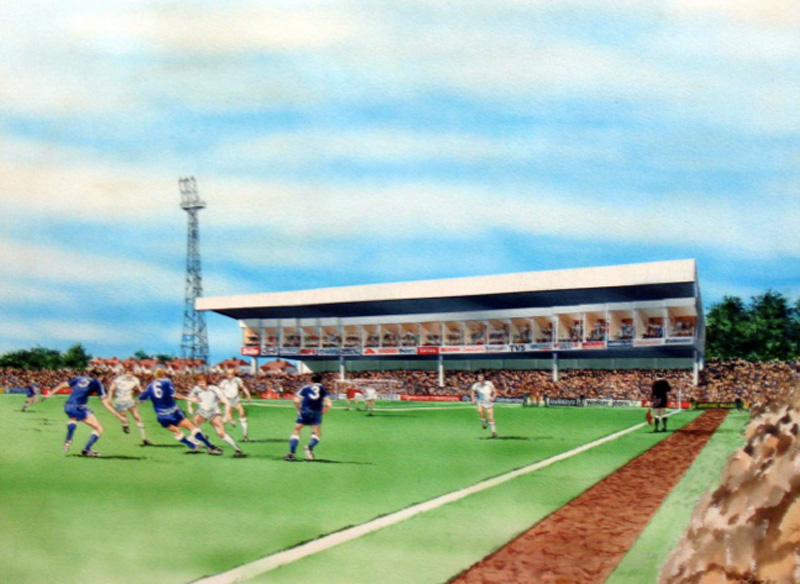
At the Goldstone Ground, the old North Stand was demolished in 1980 as it was deemed structurally unsafe by East Sussex County Council. This image is from a watercolour painting saved from a house clearance of ex-Albion chairman Bryan Bedson. It gives a fascinating artist’s impression of how the old structure’s replacement might have looked:

goldstoneredeveloped

If you study it carefully, you can see twenty executive boxes above advertising boards for companies such as TVS and Caffyns.

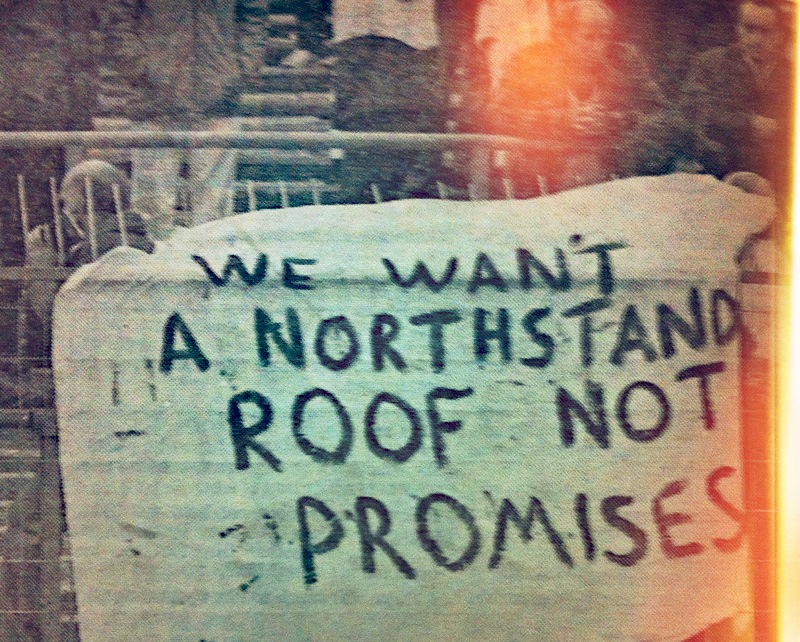
I’m not sure how public this image was at the time. It might have seemed all a bit ‘pie in the sky’ as this protest banner suggested. The banner was seen draped over the railings in 1982/83, as Brighton departed the top flight:

northstandroof3

In the end, a plain roof was built over the North Stand. But for those still dreaming of executive boxes in the North Stand: the drawing board went that-a-way!

Tagged ,

Colour photo from 1969: Brighton v Barnsley

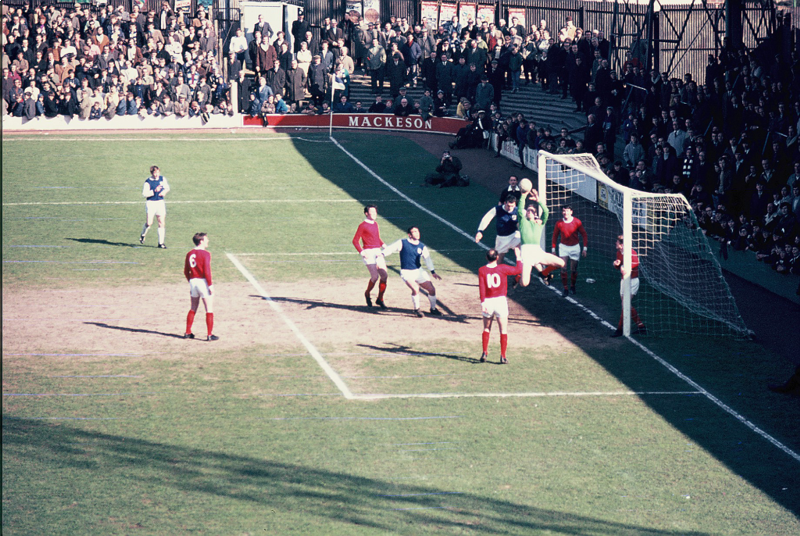
Here’s a stunning photo from 5th April 1969 in match with Barnsley at the Goldstone Ground, with an excellent view of the South East corner:

brighton barnsley 1969

The photo is from QueenSpark’s Brighton & Hove Photographic Collection

With a Tykes player on each post, it looks like the Yorkshiremen are defending a corner. Unlike what is common practice nowadays, it seems that back in the 1960s the attacking side did not throw that many players forward for this set-piece. At least from this photo, anyway. From left to right, The Albion players are Dave Armstrong, Alex Dawson and John Napier.

Dawson looks ready to pounce on any indecision. Legend has it that this is a scenario that would often lead to ball and goalkeeper in the back of the net!

The match ended in a 4-1 victory for the Albion in front of 11,410 supporters. Armstrong, Spearritt, Turner and Dawson scored. Having stood in 23rd position on 14th December 1968, the win took Freddie Goodwin’s side to sixth position in Division Three. However, poor form in the last three matches, and other teams having games in hand, meant that Albion eventually finished 12th.

Tagged , , ,

Future journalist writes to Mike Bamber

Over the years, Nick Szczepanik has established himself as a respected sports writer for The Guardian, The Times and Sunday Times. He now mainly contributes to The Independent. However in November 1980, before he had made his name as a journalist, this Brighton & Hove Albion supporter was out of work. It gave him time to write this passionate piece to Mike Bamber, the Albion chairman, about the sharp drop in attendances at the Goldstone during the 1980/81 campaign. The letter later appeared in the Brighton v Sunderland programme on 6th December:

Dear Mr Bamber,
The people of this area have been accused in the past of being negative – but now it seems to me that people are making ridiculous excuses to justify their own apathy and defeatism; thankfully, not everyone feels the same way, but having read today’s Evening Argus, I felt I had to let you know that SOME people remain, and intend to remain, loyal Albion supporters.

I have followed the club since the late 60s – even then, in my early teens and with the value of money as it was, if anyone had promised me Division One soccer at the Goldstone for £2.00 per match, I (and others no doubt) would have considered it cheap at the price – but how some people can forget how far we have come so soon baffles me as I’m sure it baffles you.

Although currently unemployed, I managed to afford a Terrace Season Ticket this year, and have no difficulties or worries about taking my eight-year-old godson along when he wants to come. Those people who are full of excuses about inflation, hooliganism and other largely mythical evils, are in my opinion, beneath the contempt of genuine supporters -and there are 12,000 of us at least. Obviously we’ll have a moan sometimes (unlike many of the team’s and manager’s stay-away critics, we’ll have earned the right with our £2.00) but we’ll BE THERE and probably as frustrated as you at all the people who aren’t.

johngregory11

While I am writing, perhaps you could convey the best wishes and appreciation of my friends and myself to John Gregory. His decision to stay with the Albion was a great thing for the club and we hope he will play for us for many seasons to come; unlike some so-called supporters on the SW Terraces we think we recognise a player of First Division class and quality when we see one! (And the next Captain, perhaps?) Keep up the good work.

Yours sincerely,
Nick Szczepanik

The novelty of First Division football had appeared to wear off for many Albion supporters in 1980/81 as they faced up to the reality that Brighton were no longer almost invincible at home.

The drop in attendances at the Goldstone was sharp. For example, in 1979/80, when Brighton played Middlesbrough, Ipswich and Manchester United at home, the gates were 20,427, 23,608 and 29,670. When they played the same opponents in 1980/81, in November, home attendances fell to 12,112, 17,055 and 23,277 respectively.

As if to add credence to the issue, just 13,903 supporters watched Michael Robinson score the opener in Brighton’s 2-1 victory over Sunderland in early December:

With such a massive decline in gate receipts, it was no surprise that Albion could not hold on to players of the calibre of John Gregory for much longer. This was especially after the substantial outlay at the start of the season. The financial bubble was about to burst, and Albion would need all the loyal and resilient supporters it could get.

Tagged ,

The Goldstone gets ready for Division Two in 1972

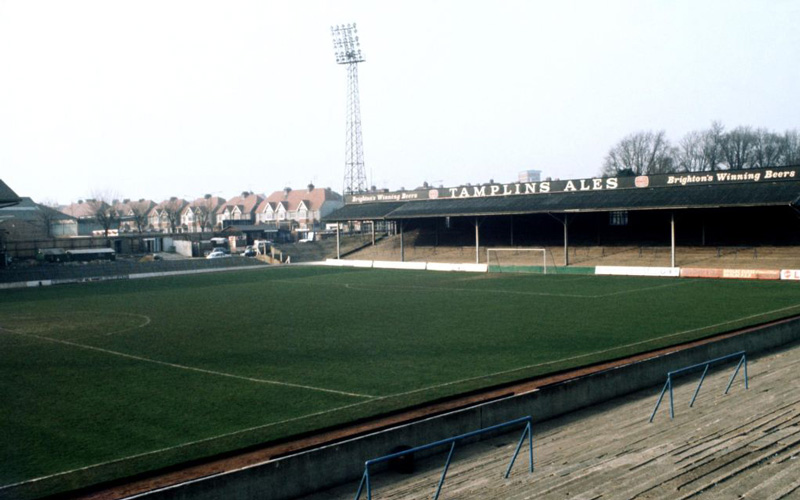
With its rather jolly looking Tamplin’s brewery advert and clear view of many people’s homes and gardens, the Goldstone Ground in 1972 may not look like an intimidating sight. However, it is where Brighton & Hove Albion showed sufficient form to clinch promotion from the Third Division in 1971/72. Pat Saward’s men won an impressive fifteen home league matches out of 23, with the Goldstone roaring the side on in the decisive 1-1 draw with Rochdale in May.

goldstoneground1972

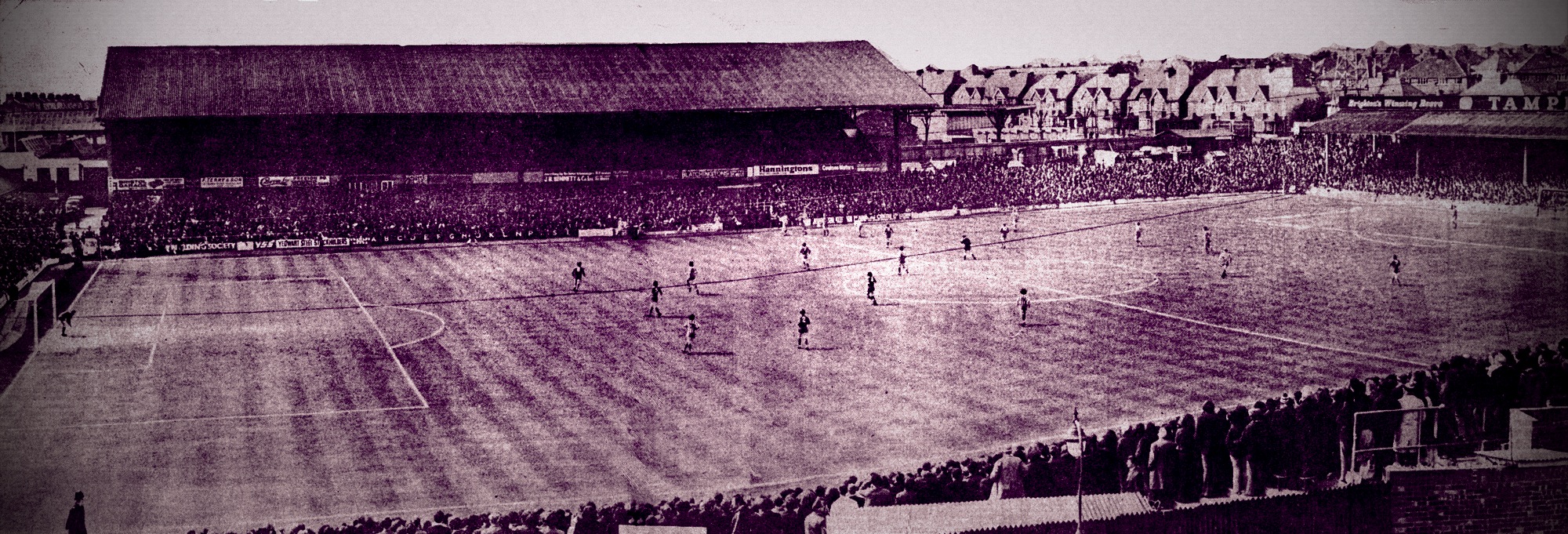
An Evening Argus supplement was issued to celebrate the newly won Division Two status. Its centre-spread featured a magnificent image of three stands of the Goldstone. I’m not sure if this image below does it justice. Click on it to get an enlarged version to see a lot more detail:

goldstoneground5a

If you look closely, you can see that the club kept supporters up-to-date with the alphabetised half-time scores on the side of the pitch.

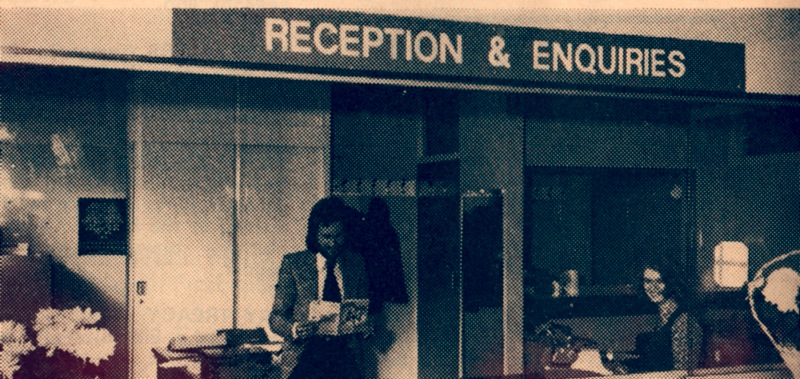
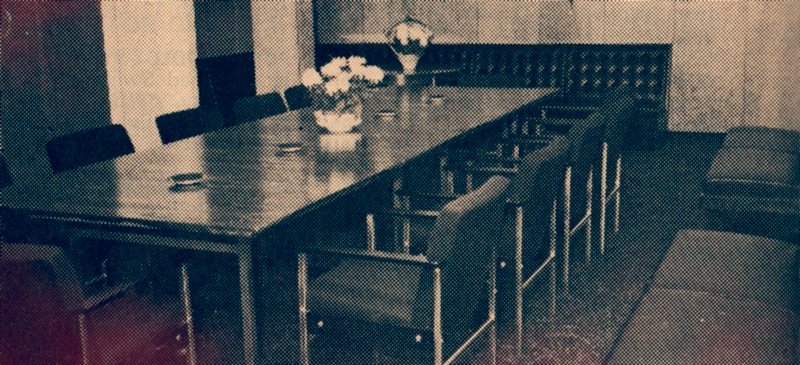
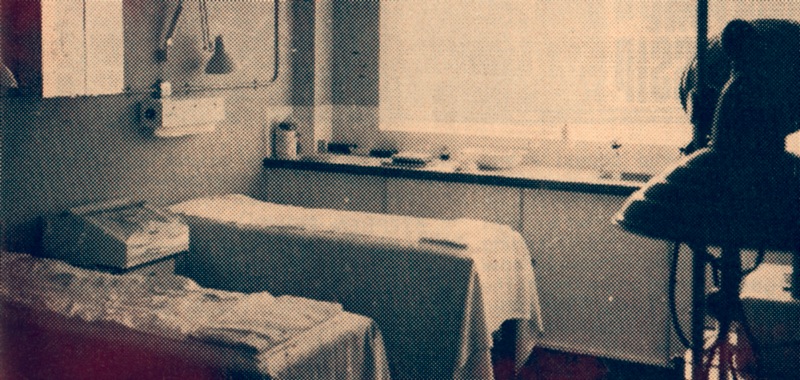
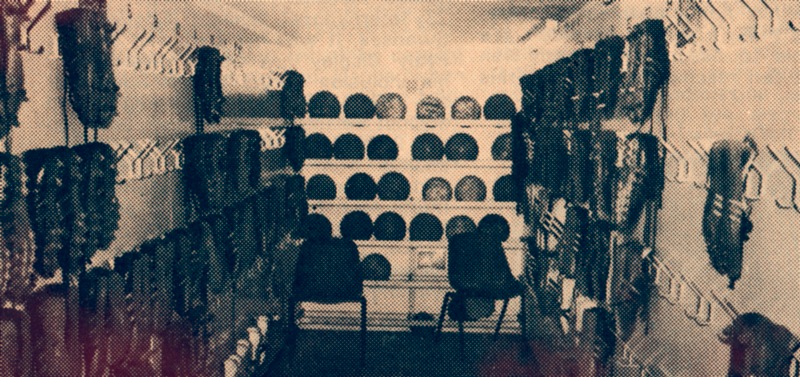
Promotion in 1971/72 was a shock to many at the Albion. Considerable money was spent and much building work was done in the summer to ensure that the spartan facilities were not an embarrassment in the Second Division:

Reception and general office

Reception and general office

Board room

Board room

Treatment room

Treatment room

Players' boot room

Players’ boot room

I don’t know about you, but these renovations don’t look that impressive!

Still, it was probably the best that could be done. There was a lot less money to play about with at the club compared to later on in the decade.

Tagged

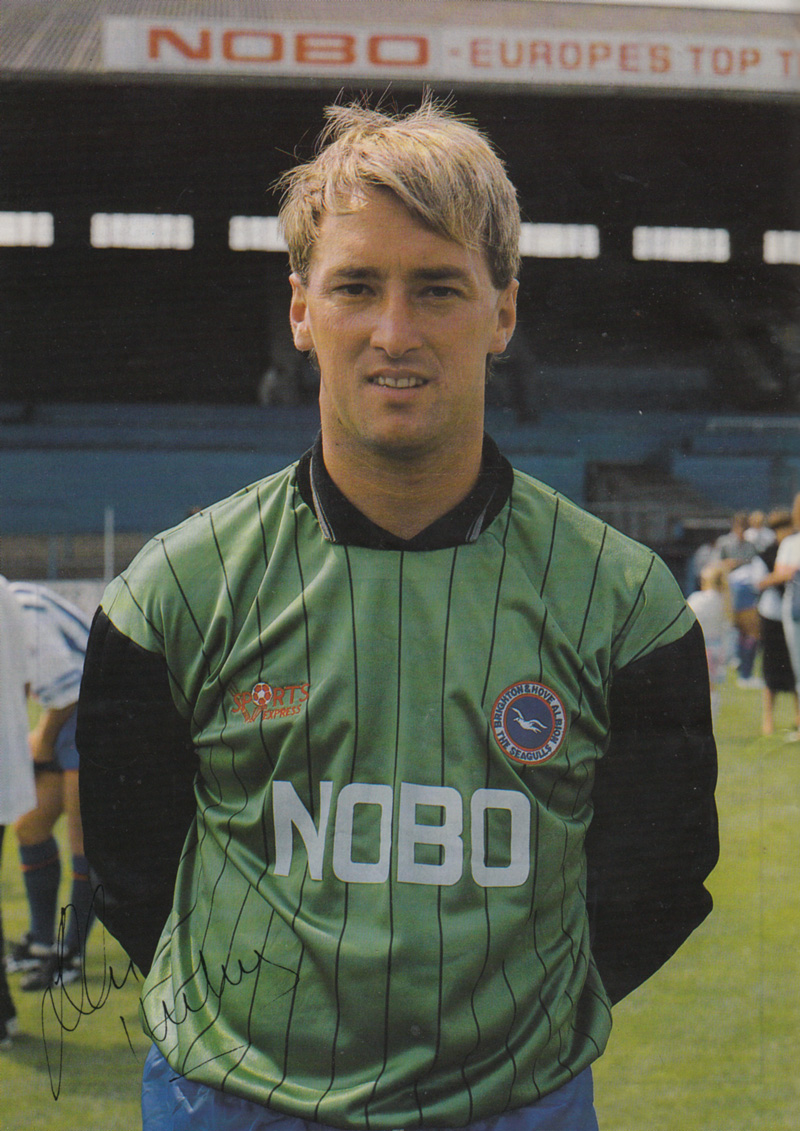
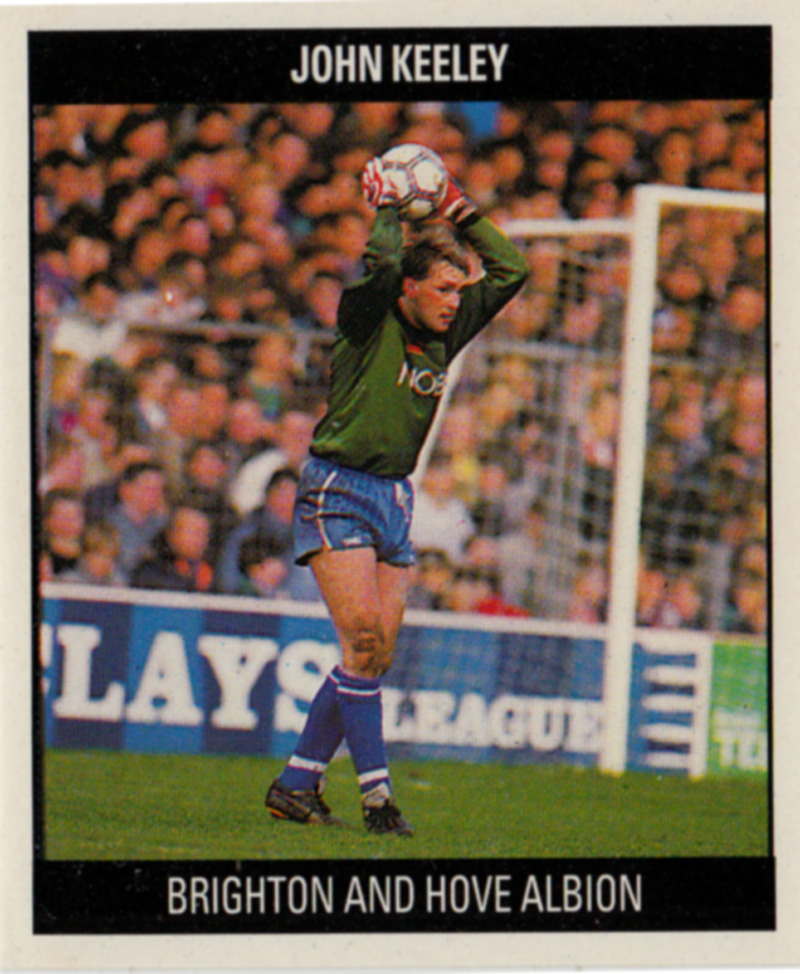
Many happy returns for Keeley

johnkeeley

John Keeley is Blackburn Rovers’ current goalkeeping coach and will almost certainly be at the Amex today. Hopefully, he’ll receive a warm welcome from Brighton supporters. He’s already been at the stadium in Falmer before, having served in the same capacity for Portsmouth after stepping up from being Pompey’s academy goalkeeping coach in 2010. Before that, he had a stint as Albion goalkeeping coach in the Withdean years.

However, it’s as Brighton’s number one in the 1980s that he is most fondly remembered in Sussex. The 6ft shotstopper began his League career with Southend but quit in December 1984 after falling out with manager Bobby Moore. After becoming a taxi driver, Keeley impressed Albion scout Terry Gill while playing for Maldon Town and Chelmsford City.

Costing just £1,500 in 1986 (which was roughly the same price as a home computer with monitor at the time!) he won rave reviews at the Goldstone with his stunning reflexes and good handling. In 1987/88, he was a key player in the Brighton side that won promotion from Division Three. In an interview with Dave Beckett from the Albion match programme v Bradford in August 1988, he spoke openly about his unconventional journey as a professional footballer:

‘I suppose if I had the chance to start all over again I probably would do things a bit differently second time around – I certainly wouldn’t have given up football when I did although, of course, it’s easy to say that now!’

At twenty seven years old it seems that Albion goalkeeper John Keeley is at last getting something back from the game which in the past has been harsh on him.

Promotion to the Second Division was undoubtedly the highlight of his career so far, and a happy change in fortunes for a man who found League soccer with Southend so depressing that he quit the sport with no intention of ever coming back. Instead John took up taxi-driving in Canvey Island, a job he had little enthusiasm for but at the same time is glad to have experienced. ‘When you take a couple of years out and work like that you appreciate the sort of success Albion had last season all the more. Although I’d have stayed in soccer if I was doing it all over again that doesn’t mean I regret what’s happened to me. My view is that it might not have been fun sometimes, but at least it paid the bills and I was glad for that.

Maybe it’s because of that background that the fans adopted me quite quickly – I’ve never really thought about it like that before to be honest. I just don’t see that I’m any different from anyone on the terraces. I’d hate it if I ever thought that people were going to treat me differently from anyone else, I hope I’m really just as down-to-earth as I was back in Canvey Island.’

Of course, no matter how approachable a player is off the field (and Keeley ranks •highly in that department), there will be little sympathy if he does not produce the goods on the pitch. No problems there though either. Last season John was one of just two ever-presents in the side, turning out 57 times and letting in only 47 goals one of the best records in the division.

johnkeeley4The return to Division Two in 1988/89 proved to be bumpy as Albion got off to a disastrous start of eight successive defeats. Keeley’s record of 63 consecutive appearances was broken when he ruptured thumb ligaments and missed the 1-0 home defeat to West Bromwich Albion in September 1988 (the match where Digweed was also injured). The ex-taxi driver returned to complete 37 League appearances by the season’s end and was voted Player of the Season. He was sold to Oldham Athletic for £240,000 in 1990 but rarely got a sniff of first team action at Boundary Park. After spells at Colchester, Chelmsford, Stockport County, Peterborough United and Chelmsford (again), he was back as a taxi driver and ended up playing for Isthmian League side Canvey Island.

There, he was part of a great FA Cup fairytale when his non-league side forced a replay with Brighton in November 1995:

Keeley was able to make a return to the Goldstone Ground later that month, to a great reception, where his side was defeated 4-1 by the Seagulls thanks to goals from John Byrne (2), Junior McDougald and Peter Smith, in Jimmy Case’s first game in charge:

Tagged

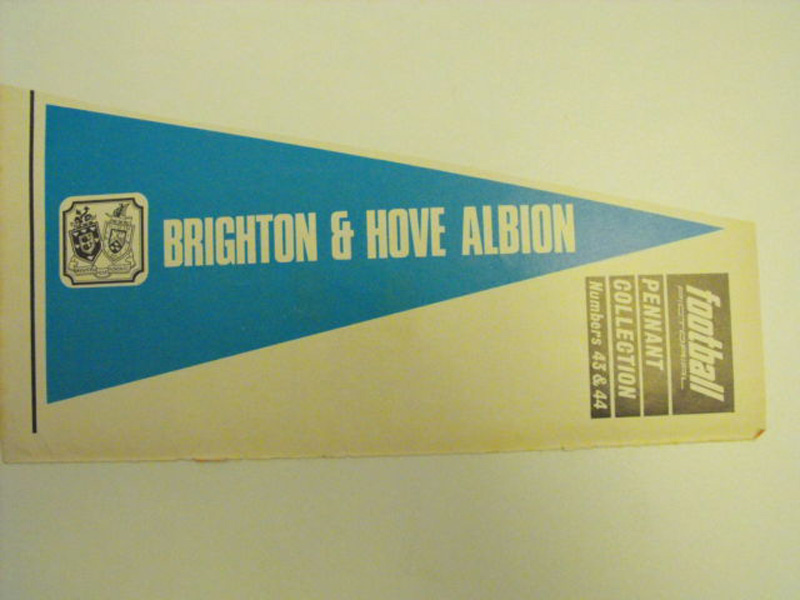
Football Pictorial Pennant from 1970/71

Fix your eyes on this Albion pennant from the Football Pictorial Pennant Collection, cut out from the magazine. Yes, it’s a cheapo paper one and it doesn’t come with any tassels:

pennant

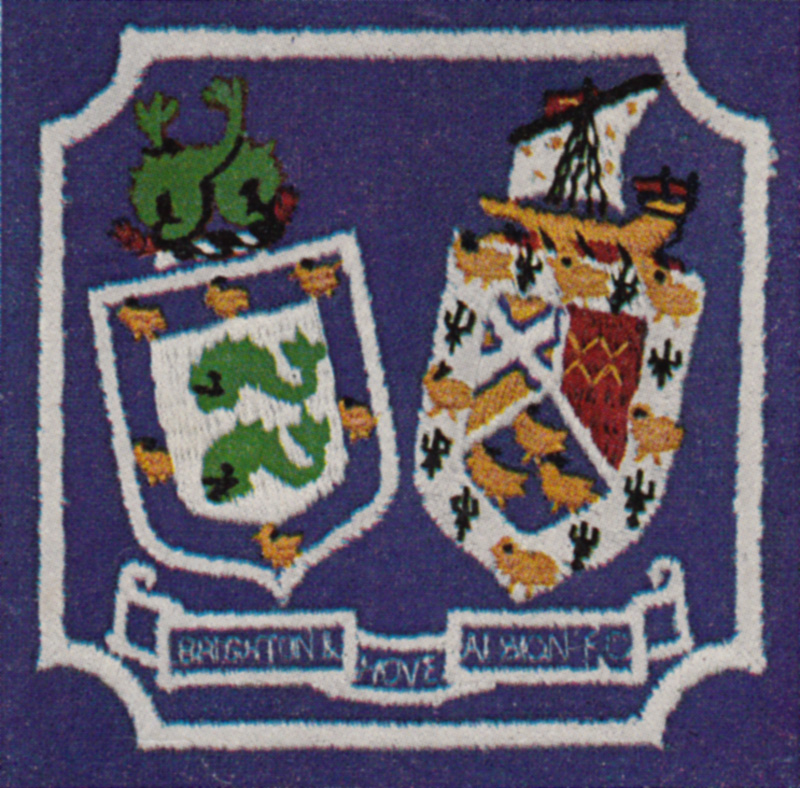
It does, however, include the official badge. Featured most prominently on the ‘blue Arsenal’ kit from 1964 (and indeed, a few jersey designs before), this crest was dropped from the shirts in the Pat Saward era from summer 1970, in favour of B&H AFC calligraphic lettering. Nevertheless, the badge made it onto this unofficial pennant (above) and continued to be used to some extent until about 1974. As Football League Review described:

badge

The club’s official badge features the arms of Brighton and Hove, set against the club colours of blue and white, The Brighton arms feature two dolphins surrounded by the six gold martlets of Sussex. Above the shield, a further pair of dolphins divided by two branches of coral refer to the sea and the South Coast climate. Hove’s arms also feature the County martlets. The ship at the top of the Arms represents a 16th Century French Galley, commemorating French attacks on the Hove coast.

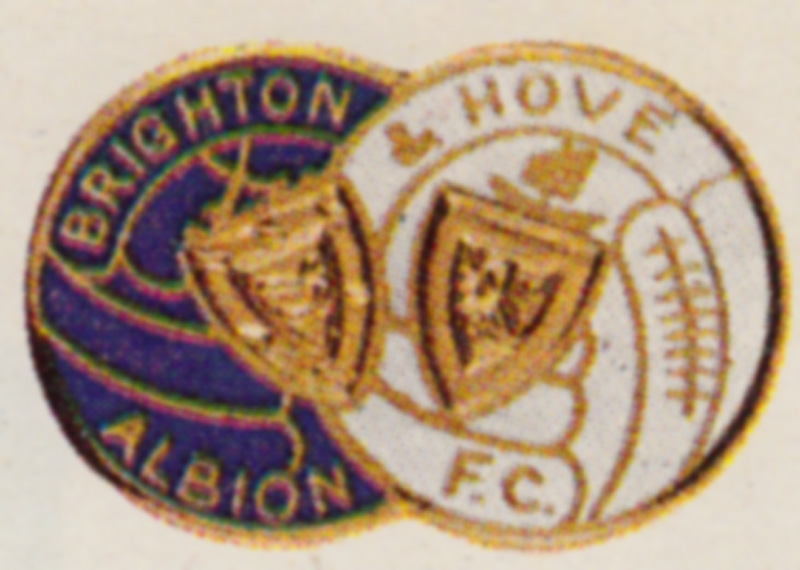
At the time, the club also had this metal lapel badge, on sale to the public, price 3/6:

badgeb

This particular crest was used on the matchday programme throughout the 1970/71 season. It took four more seasons before the club moved beyond the whole ‘coat of arms of the local boroughs’ paradigm and came up with the much simpler, cleaner Dolphin design for the first season under Peter Taylor. However, even this new badge didn’t feature on the club shirt.

Only in 1977/78 did a badge return to the club shirts. By then, we were, unmistakably, the Seagulls.

Tagged

A rush to watch Brian Clough’s first match

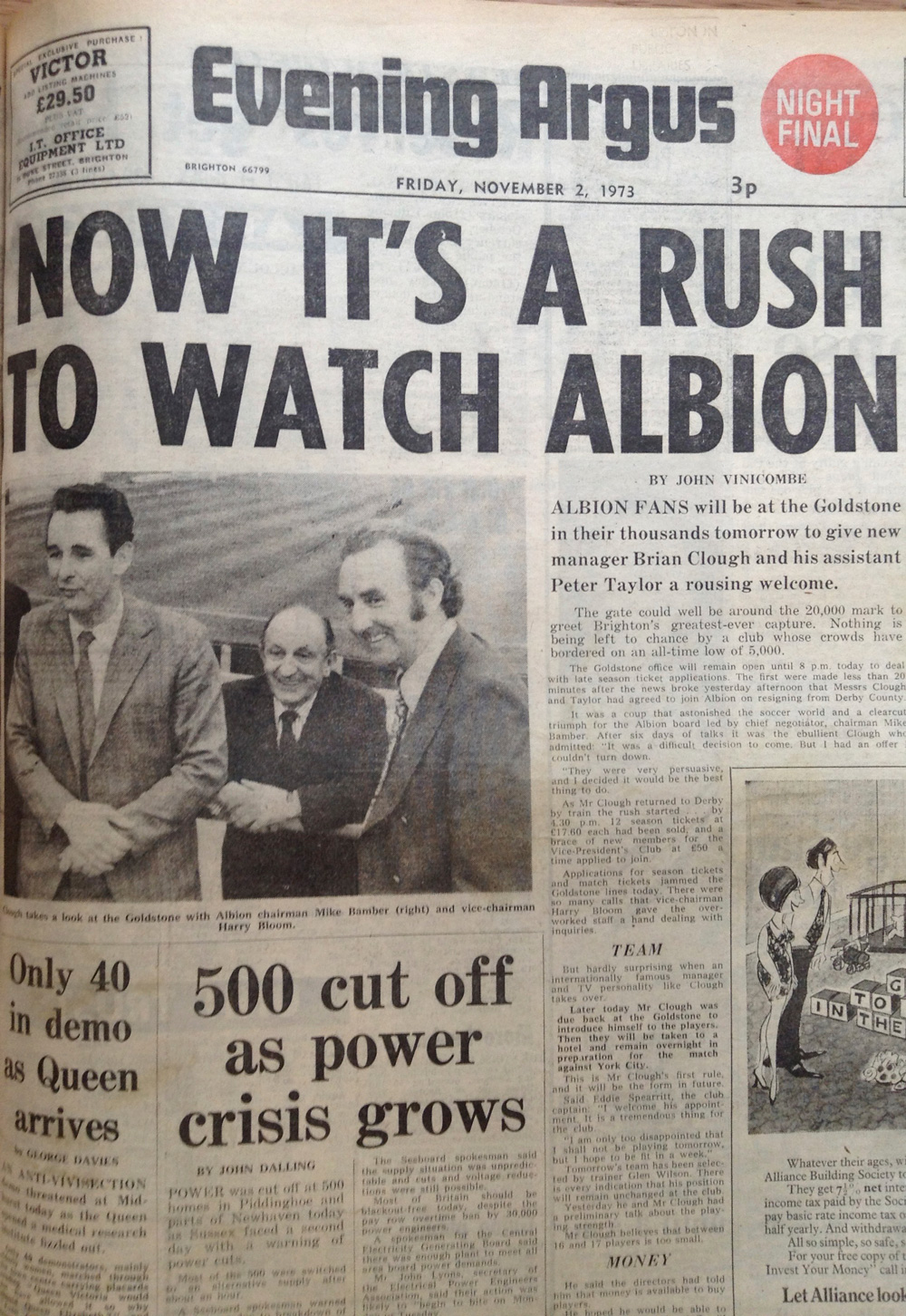
Unsurprisingly, there was a massive media whirlwind around the sensational news that Brian Clough had taken over as the manager of Third Division Brighton. As a result, the story dominated the front page as well as the back page of the Evening Argus over the next few days. From Friday 2nd November 1973:

cloughsigns4

Albion fans will be at the Goldstone in their thousands tomorrow to give new manager Brian Clough and his assistant Peter Taylor a rousing welcome.

The gate could well be around the 20,000 mark to greet Brighton’s greatest-ever capture. Nothing is being left to chance by a club whose crowds have bordered on an all-time low of 5,000.

The Goldstone office will remain open until 8pm today to deal with late season ticket applications. The first were made less than 20 minutes after the news broke yesterday afternoon that Messrs Clough and Taylor had agreed to join Albion on resigning from Derby County.

It was a coup that astonished the soccer world and a clearcut triumph for the Albion board led by chief negotiator, chairman Mike Bamber. After six days of talks it was the ebullient Clough who admitted: “It was a difficult decision to come. But I had an offer I couldn’t turn down. They were very persuasive, and I decided it was the best thing to do.”

As Clough returned to Derby by train, the rush started – by 4.30pm, 12 season tickets at £17.60 had been sold, and a brace of new members for the Vice-President’s Club at £50 a time applied to join.

Applications for season tickets and match tickets jammed the Goldstone lines today. There were so many calls that vice-chairman Harry Bloom gave the over-worked staff a hand dealing with inquiries.

But hardly surprising when an internationally famous manager and TV personality like Clough takes over.

Later today Mr Clough was due back at the Goldstone to introduce himself to the players. They will be taken to a hotel and remain overnight in preparation for the match against York City.

This is Mr Clough’s first rule, and it will be the form in the future.

Said Eddie Spearritt, the club captain: “I welcome his appointment. It is a tremendous thing for the club. I am only disappointed that I shall not be playing tomorrow, but I hope to be fit in a week.”

Tomorrow’s team has been selected by trainer Glen Wilson. There is every indication that his position will remain unchanged at the club.

Yesterday, he and Mr Clough had a preliminary talk about the playing strength. Mr Clough believes that between 16 and 17 players is too small. He said that directors had told him that money is available to buy players.

He hoped he would be able to motivate the present staff: “I have got to get it out of them. We are now in the bottom six of the Third Division. It will take a lot of hard work to get into the Second. Before anyone starts talking about the First, let’s get into the Second. I think I would settle for staying in the Third for a few months…”

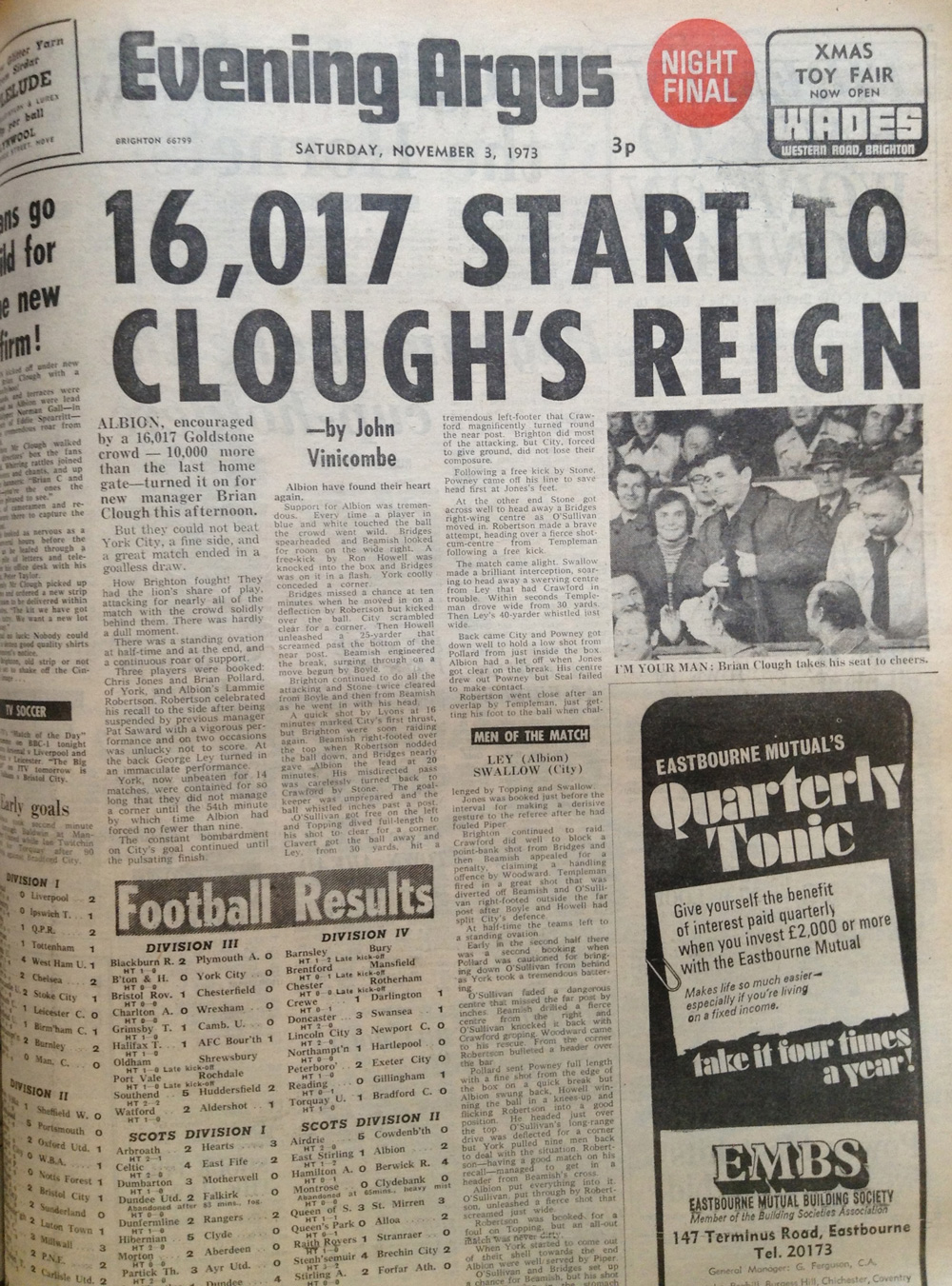
Come Saturday, 16,017 packed into the Goldstone to watch the curious affair of Clough’s debut match as Brighton boss, almost 10,000 more than the previous gate against Southport. From Vinicombe’s report, it seems as if Albion had the lion’s share of the possession:

cloughsigns6

[Lammie] Robertson celebrated his recall to the side after being suspended by previous manager Pat Saward with a vigorous performance and on two occasions was unlucky not to score. At the back George Ley turned in an immaculate performance. York, now unbeaten for 14 matches, were contained for so long that they did not manage a corner until the 54th minute by which time Albion had no fewer than nine.

The constant bombardment on City’s goal continued until the pulsating finish. Albion have found their heart again. Support for Albion was tremendous. Every time a player in blue and white touched the ball the crowd went wild.

The 0-0 draw left Brighton in 19th position, barely above water in the fight against relegation. Clearly, there was a lot of work to do by the new men in charge with players who Taylor later described as ‘a bunch of amateurs and layabouts.’

Tagged ,