Category Archives: Media Coverage

Ryan lords it over Fulham

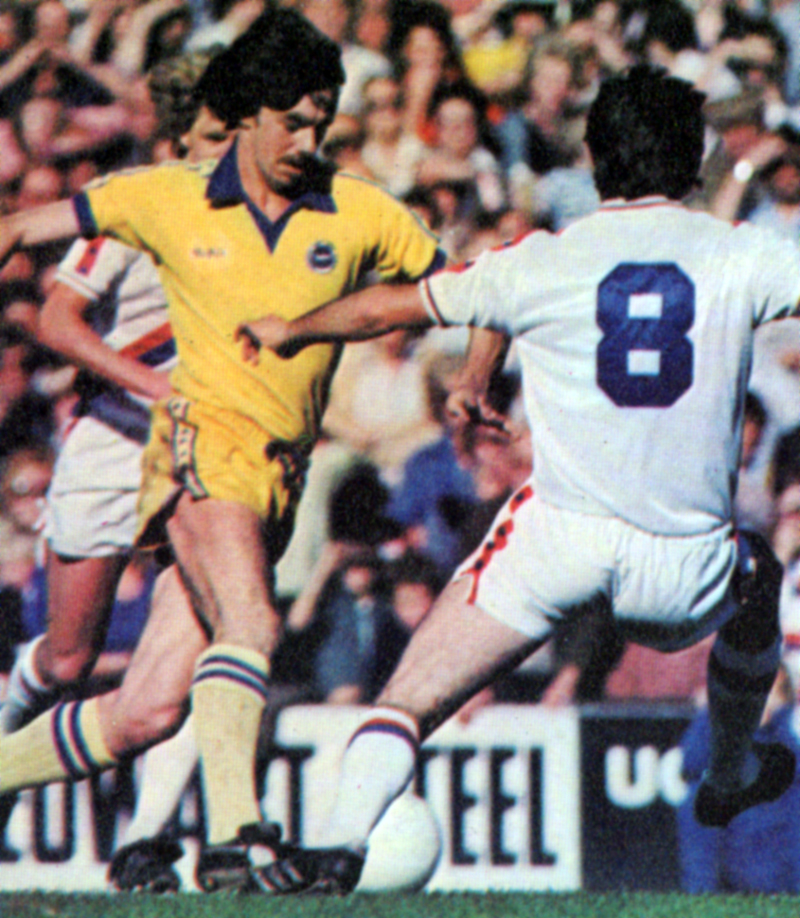
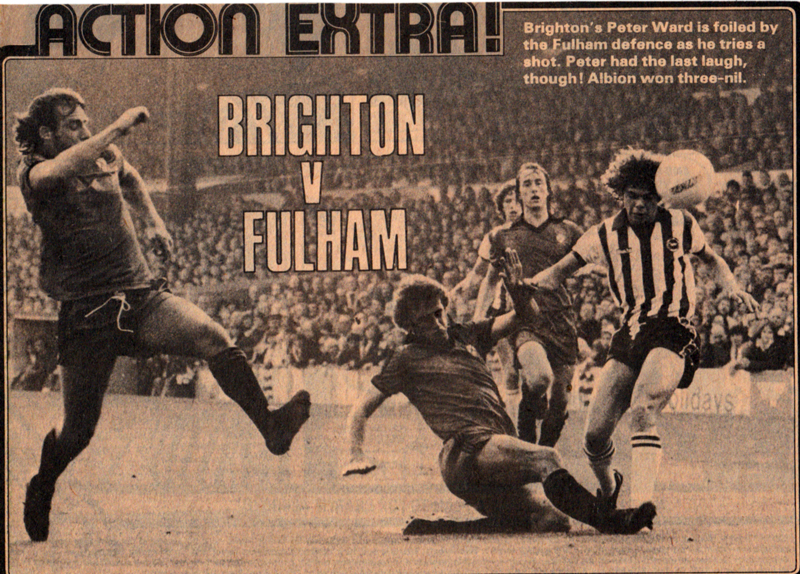
A photo of star-striker Peter Ward against Fulham in 1978/79 was featured in Roy of the Rovers magazine:

wardfulham3-0

However, it was Gerry Ryan that stole the headlines in October 1978 as the Seagulls won 3-0 at the Goldstone. Here is the match report by Tony Roche of the Sunday Mirror:

Brighton’s new winger Gerry Ryan hit two goals and lorded it over Fulham.

Before the destruction, manager Alan Mullery made his Albion men sit through a film of their hammering last week at Crystal Palace.

Fulham, with 12 points from their previous seven games, paraded their new signing £80,000 John Beck from Coventry. But it wasn’t their day.

Mullery said: “I made the lads watch the whole 90 minutes of last week’s match. And they saw their own shortcomings. Fulham suffered as a result and for me and Teddy Maybank, it is always nice to beat your old team.”

The first half riddled with frustrating back-passes, narrowly went to Brighton.

In front of a shirt-sleeved crowd, Brighton weathered Fulham’s early assaults and slowly got a grip in midfield where man-of-the-match Brian Horton dominated.

Fulham seem capable of absorbing the pressure until an 18th minute moment of indecision by Peyton.

Horton’s right-wing throw bounced in the box and as Peyton hesitated, Ryan hooked the ball into the empty net.

Evans (dissent) and Beck (foul) were booked in the space of six minutes, shortly after the goal.

Fulham rallied in the second half and Graham Moseley did well to hold a powerful Gale header at full stretch.

But once again lose concentration cost Fulham dear. Evans fouled Ward and as Rollings curled in the free-kick, Horton burst between Gale and Money to bullet header wide of Peyton.

Fulham had their chances – both falling to Davies. He did well to create space only to shoot wide.

Horton reserved the best for last, whipping through a glorious ball in the 90th minute to release Ryan on the right.

The Irishman sprinted into the area, seemed to take too long as he sidestepped defenders then coolly found Peyton’s bottom right-hand corner.

The day’s big duel was between Rollings and Guthrie. Rollings came out on top to help Brighton reach fourth spot in the Second Division.

Ryan’s goals seemed to give Albion a more immediate return for their £80,000 spending than Fulham had for gaining John Beck for the same figure. The Seagulls signing had scored in the previous month in the 5-1 slaughtering of Preston North End. By the end of the season, the Irish winger and midfielder had amassed 35 League appearances for his new side, scoring nine goals including the final one in the famous fixture at Newcastle.

gerryryan78

From this point on, Gerry Ryan developed a habit of getting notable goals in encounters with the best sides, such as the only goal in the famous victory against Nottingham Forest at the City Ground in November 1979, the winner against Arsenal in September 1983, not to mention those FA Cup goals against Liverpool in February 1983 and January 1984.

Tagged ,

Jimmy Case forgets he’s a Brighton player!

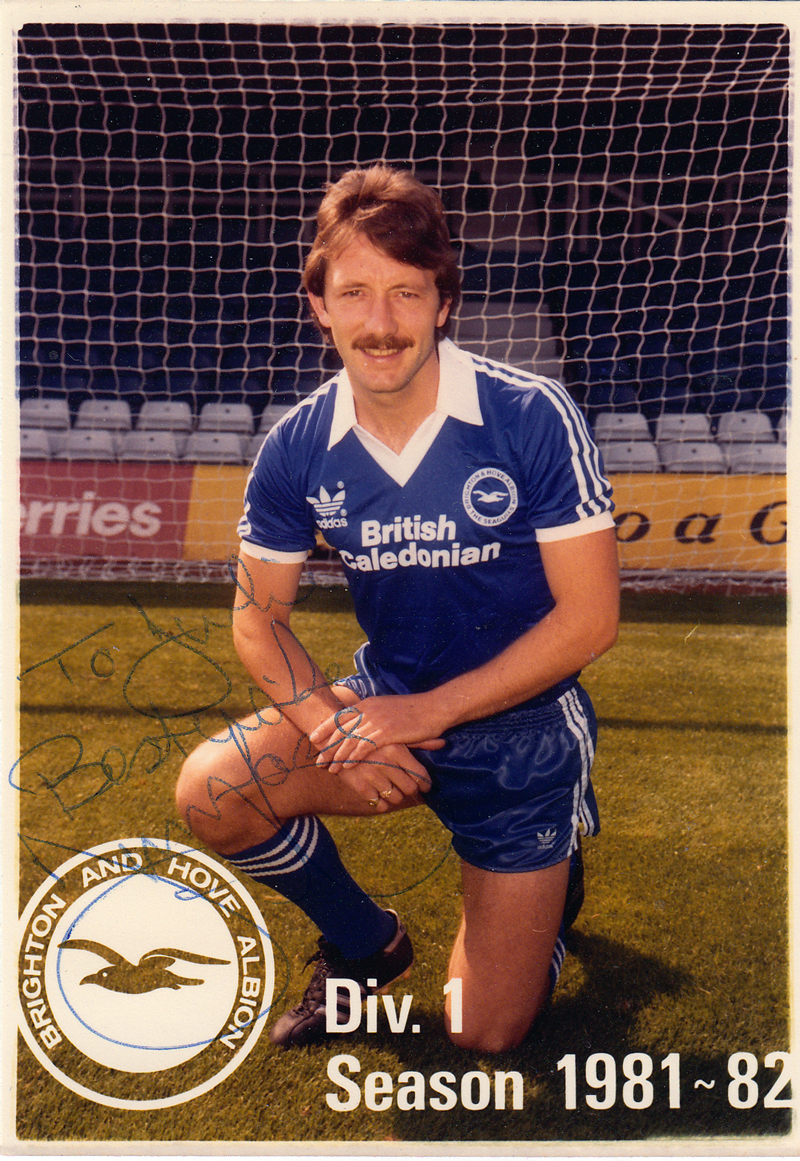
case1981

Yesterday, Brighton faced Blackburn Rovers at Ewood Park. Surprisingly, for a low-scoring Seagulls side, they played out a 3-3 draw, showing enormous reliance to come back from behind. In 1981/82, the club under Mike Bailey had another side built around a tight defence rather than an all-out attacking game. And yet, in October that season, they also sprang a shock by fighting back to draw 3-3 with mighty Liverpool.

Over the summer of 1981, Mark Lawrenson had left Brighton for Anfield. In the opposite direction came Jimmy Case. The match in the pouring rain at the Goldstone attracted a lot of interest, not least as it was the first encounter for each player against their former sides, with Case starting while Lawrenson sat on the Liverpool bench.

And yet it was almost as if the transfer hadn’t happened for Jimmy Case. Receiving the ball from Tony Grealish as the match gets underway, force of habit meant that he played the ball, under very little pressure, to the feet of Kenny Dalglish!

You can watch it all here in the first half highlights:

Later on, Case even plays a short ball straight to Ray Kennedy. Was he still reminiscing about his Liverpool days? However, he must have remembered he was a Seagull by the time he headed the ball goalwards and tried to claim it was over the line!

In a classic encounter, though, things came good in the end. He found his range in the second half, with a bullet header past Bruce Grobbelaar as the Seagulls sent fans home happy with two late goals:

Liverpool finished League champions that season, while Albion, aiming for a UEFA Cup place for much of the campaign, achieved the unthinkable by winning the return game at Anfield 1-0 in March 1982.

Tagged

Brighton Player of the Season 1978/79 is… Mark Lawrenson!

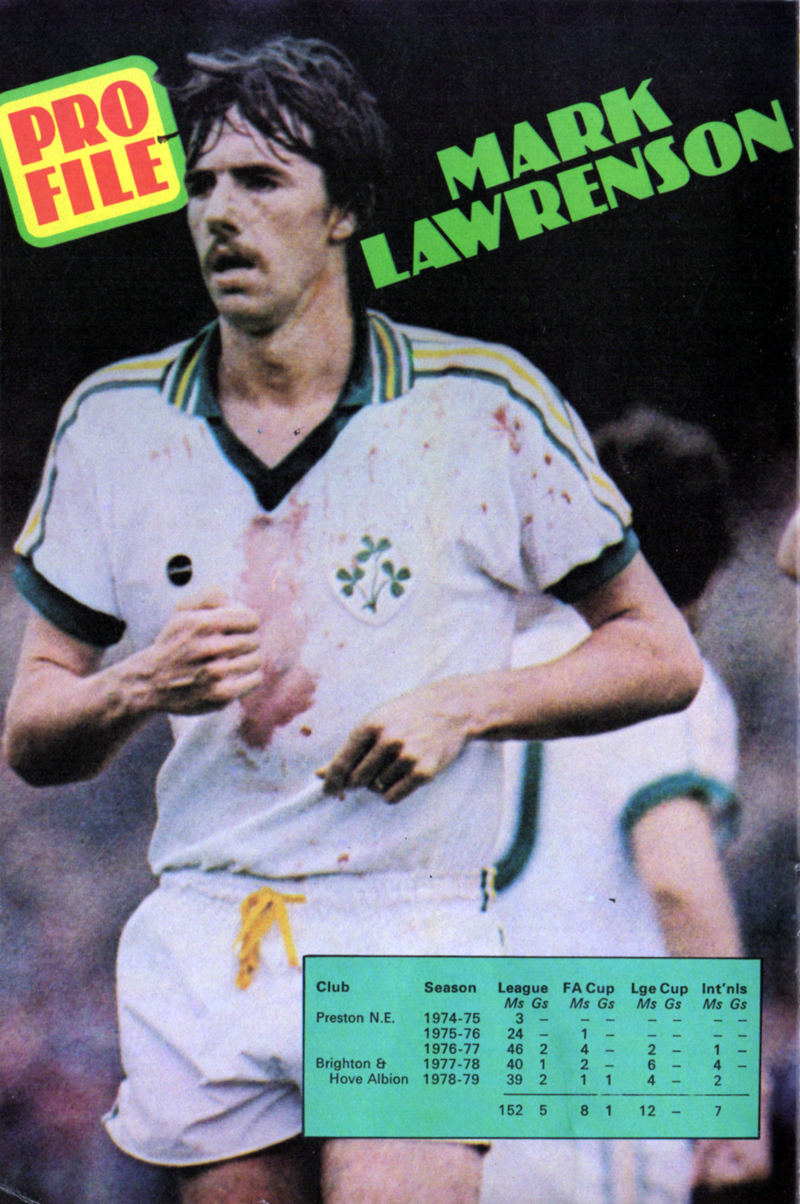
He broke his arm and missing the finale of the momentous 1978/79 season. However, nothing could take away Mark Lawrenson’s winning of the ‘Player of the Season’ ahead. As Brighton headed into the First Division for the first time, the world was certainly his oyster.

Here is fitting tribute in Marshall Cavendish’s superb Football Handbook (Issue 53) publication:
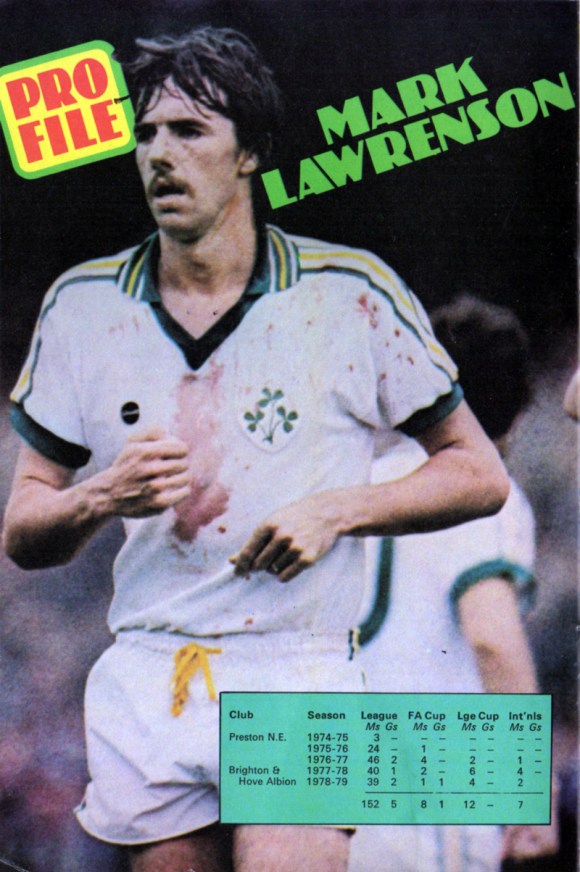
Mark sheds blood for his country in last season's European Championship clash between Eire and neighbours Northern Ireland.

Mark sheds blood for his country in last season’s European Championship clash between Eire and neighbours Northern Ireland.

‘When I came to Brighton I’d only played once for the Republic and the boss said he was going to find out ifI was still eligible for England. It wasn’t on, but I wouldn’t have changed anyway… It was a bit strange in front of the Dublin crowd at first, but now I can’t wait to get that Eire shirt over my head.’

Brighton’s place in the First Division was on the cards for most of last season. And in the cards too, according to Mark Lawrenson.

‘We were destined to go up. Hard work is vital but your name’s got to be on that Cup or League title as well,’ declares the Brighton defender.

‘I said all season that if we went up it would be fate, being the right place at the right time.’

Fate certainly seems to have had a say in Lawrenson’s own short career.

He was 19 and settling in comfortably with Third Division Preston when he suddenly found himself on the move.
‘I never really wanted to leave. The only reason I went was because Preston needed the £2oo,ooo transfer fee.
‘I was on holiday in Spain. They rang me up and said, Look, Brighton have been in for you. You don’t have to go if you don’t want to… but, we’re a bit short of money.

Football or ‘A’ levels
‘Don’t get me wrong. I’m glad I came to Brighton, but if Preston hadn’t been hard up they would never have sold me and I wouldn’t have been pressuring them to leave.

‘They’d offered me a great contract for two seasons and I was quite happy to stay there.’ Affection for the club is in the family.

‘My stepfather’s a director at Preston, my mum’s been a fan for years and I’ve been watching them since I was a nipper.

‘Also, my dad used to play for them, Tommy Lawrenson. I was too young to judge for myself, but people tell me he was a decent player. Trouble was, he was a winger and that was a bit unfortunate because the first choice for that position was Tom Finney.’

Although Mark caught the Preston bug, he was in no hurry to rush into the game… so fate gave him a shove.

‘When I was 17 I was told to choose football or carry on with my ‘A’ levels. I thought: ‘Sod it, I’ll go and play.

‘I could have gone to West Ham or Blackpool, but it had to be Preston. Bobby Charlton had been my hero as a kid and, funnily enough, he signed me for the club.

But the man who had the biggest influence on me turned out to be Nobby Stiles.

‘He was a hard man in training. There were so many Scots at Preston that we used to have an eight-a-side England v Scotland game and all the Scots would hate you for 20 minutes.

‘They used to kick lumps out of Nobby so he’d roll his sleeves up and get stuck back into them. I’m sure in his mind he was back at Wembley or Hampden.

‘He also had a lot of skill. He doesn’t get the recognition he deserves for that, but you look at the way his Preston team plays now.

‘When I signed pro he was just a player at Preston and then he became coach to the reserves and the youth team.

‘He used to have us back in the afternoons to work on certain things. He was great because he let you get on with it in your own way but was always in the background to offer advice.’
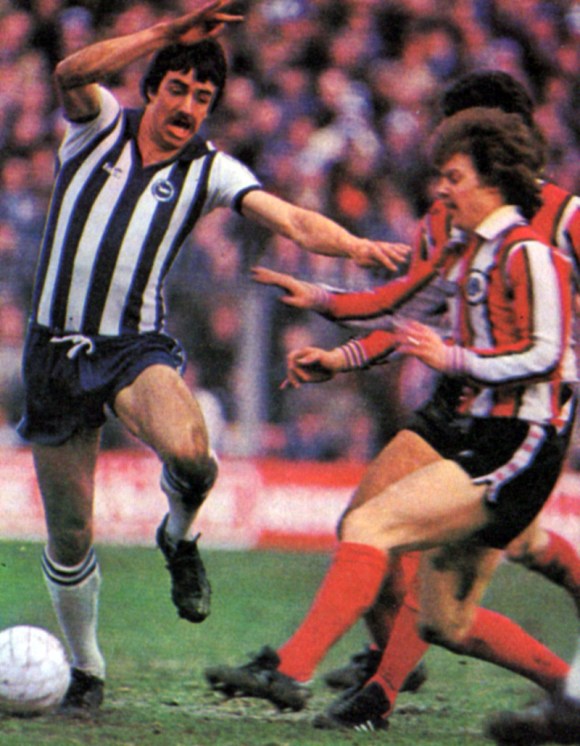
A little jink and Lawrenson evades a tackle.

A little jink and Lawrenson evades a tackle.

Mark followed in his father’s footsteps on Preston’s left wing.

‘I played on the wing in the reserves, then Nobby tried me out at the back and I worked my way across from left-back to the centre of the defence.’

Goldstone idol
His days as a winger probably accounts for his willingness to carry the ball, rather than just always using it long.

He also has the mobility to contain the liveliest strikers.

‘I’d rather mark nippy players. It’s more of a challenge. Against big men it’s all crash, bang, wallop. I prefer to mark a Peter Ward than, say, a Dixie McNeil.’

If anything, Mark replaced Ward as the idol of the Brighton crowd.

Is he aware of it? ‘I suppose I am really.

Sometimes when I get the ball there’s a bit of a roar.’

Crowd response is another thing he’s looking forward to next season. If you ask him what it is about the Second Division he’ll be most glad to leave behind he says simply, ‘Oldham, and grounds like that on a wet February night… hell.

‘Hopefully that’s all in the past now. I’ve played at places like Anfield and Old Trafford, but in the reserves for Preston in front of a couple of hundred. It’ll be a different experience to go back as a First Division player and be surrounded by people instead of empty terracing.

‘In fact, it’s our place down in Brighton which might look a bit grim to some of the visiting sides. It’s not really a First Division ground at the moment, but they’re looking for somewhere else to build a new stadium altogether.’

Mark’s been an international player for the past three years, and surely fate decreed that he’d play for a country he’d never even visited.

Dublin debut Mark explains: ‘Preston’s coach was Alan Kelly, who was also assistant coach of the Eire team.’
Mark’s mother is Irish and the combination of Kelly’s influence and Mrs Lawrenson’s ancestry saw him making his debut for Eire against Poland in Dublin when he was I9.

‘When I came to Brighton I’d only played once for the Republic and the boss said he was going to find out if I was still eligible for England. It wasn’t on, but I wouldn’t have changed over anyway.

‘It was a bit strange in front of the Dublin crowd for the first time, but now it’s like a fever. I can’t wait to get that shirt over my head.’

After narrowly missing out in ’77-78, Brighton made a shaky start last season.

But Mark says: ‘People began to write us off, then we came back with a hell of a run.

‘It’s got to be fate. Even after I broke my arm against Bristol Rovers I only missed the last three games even though it took eight weeks to mend.’

Boss Alan Mullery is in no doubt what life without Lawrenson would have been like.

He says: ‘If he hadn’t been playing for us we would have been at the bottom.’ An exaggeration, perhaps, but an indication of Mullery’s estimation of Mark’s part in a momentous season for the Seagulls.

The fans agreed, making Mark their player of the year.

It was all in the cards, of course!
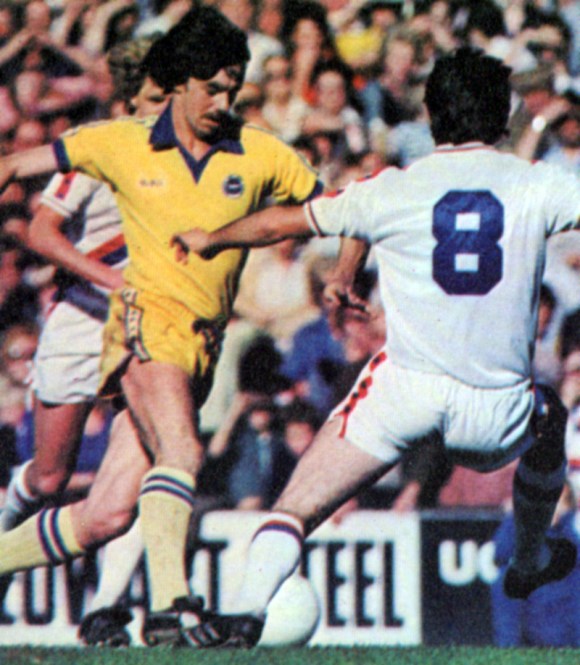
Lawrenson's skill on the ground, aligned to his power in the air, made him one of the best centre-backs in Division 2 last season. Now he's ready to take on the top First Division strikers.

Lawrenson’s skill on the ground, aligned to his power in the air, made him one of the best centre-backs in Division 2 last season. Now he’s ready to take on the top First Division strikers.

Tagged

Brighton rock ‘n’ roll

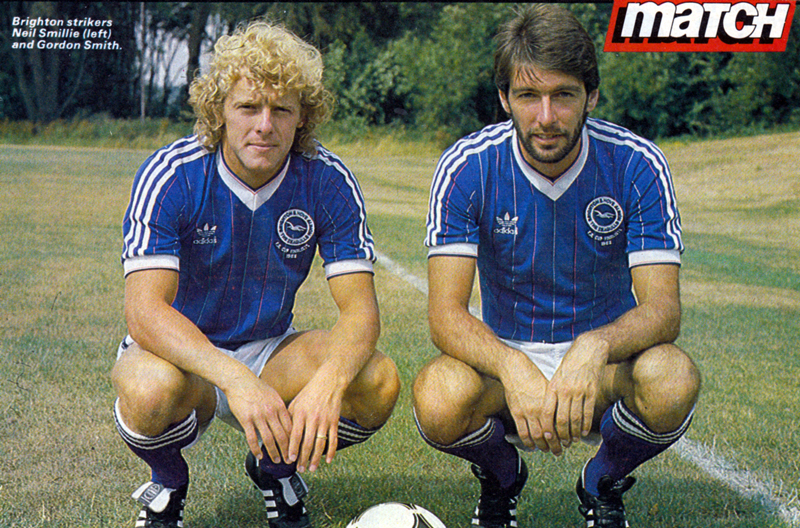
Here are Neil Smillie and Gordon Smith at the start of the 1983/84 season:

smillieandsmith2

Before his Albion days, Smillie (known as ‘Specky’ to his team mates as he wore spectacles) spent eight seasons with Crystal Palace. He also had a loan period with Brentford as well as enjoying a spell in the United States. As he says in the Brighton v Manchester City programme in January 1983:

‘I played over in Memphis and we had a great time there. We lived just around the corner from Elvis Presley’s house, Gracelands. They call that road Elvis Presley Boulevard and across the street from the house you can see camper trucks and trailers from all over the States and Canada.’

Speaking of his partner Penny and himself he adds:

‘It’s strange to think that if Elvis had still been alive, we would probably have met him. He was always keen on sport and supported all the local teams. We’re not really Elvis fans, but you couldn’t help wishing you’d met him. Elvis is one of the biggest stars that ever lived.’

That’s not to say that Smillie didn’t enjoy listening to music. However, it was Dire Straits, Elton John, Christopher Cross and ‘some American West Coast bands’ that were more his bag.

As for Gordon Smith, he is described in the Brighton v Carlisle programme in September 1983 as ‘the music man!’:

“I’ve loved pop music since I was a little lad, back home in Scotland. I can remember hearing ‘Please please me’ by The Beatles on the radio and liking it a lot. When I got my first record player, I bought ‘She loves You’ and played it so many times I nearly wore the grooves.”

Apart from his cup final infamy, Smith also found fame through a friendship with Paul McCartney who he met at a Wings concert in Glasgow. Through this link, the Brighton player got a chance to play acoustic guitar to ‘Blackbird’ while at McCartney’s house near Rye.

With such music credentials, perhaps it is unsurprising that Gordon Smith had rock tastes that were respected by his peers. In his autobiography ‘And Smith Did Score,’ he recounts the time when his Albion days were reaching their end in November 1983:

I had made up my mind. Manchester City was a team I wanted to play for at that stage and I wanted them on my CV. The manager said, if that was the way I felt about it, I’d better go home.

For the bus journey to Derby [sic] for the game the previous Saturday I had brought a cassette tape I had recorded of different songs and the boys had asked me to play it over the bus sound system. As I was going out the door of Chris Cattlin’s office, he said a strange thing to me. ‘See that compilation tape you played on the bus on Saturday? It was good. Any chance you would make one up for me?’ I told him I would give him the tape I had with me on the bus and he said, ‘That would be great.’ Later on that day I got a call at home to go back in to the club.

In Chris Cattlin’s office he told me, ‘The deal’s done. You can go to Manchester City.’

‘What about the £5,000 Brighton owe me in signing-on fees?’ I asked.

‘No, you won’t get that,’ he said.

‘I’m owed that money and I want it before I leave.’ I replied.

He left the room to talk to the chairman about my demand and when he came back he said, ‘We’ll give you £3,000.’ I said, ‘No, I’m owed £5,000 and that’s what I want.’

‘Go away and think about it,’ he said. ‘That’s the most I can offer you.’

As I was going out the door, he asked if I’d brought the compilation cassette tape he had asked me for. I said I had and was about to hand it to him when I pulled it back from his outstretched hand.

‘I’ll give you the tape if I can get the full £5,000 you owe me,’ I said.

‘Alright then,’ he said. ‘You can have your money.’ So I got the other £2,000 they owed me for making up a compilation cassette tape. That must have beenthe dearest piece of music Brighton ever paid for. I suppose you could call it Brighton Rock ‘n’ Roll!

Tagged , ,

Keepin’ in the family

Some shots from the Evening Argus, on 3rd September 1970:

powneyshot1a

powneyshot2a

It was a busman’s bank holiday for Albion goalkeeper Brian Powney, who played an ‘Aunt Sally’ role in the Seaford Donkeyrama on Monday. His four-year-old nephew, Chris Powney (take one) is about to win a prize by poking one past acrobatically-diving Uncle Brian (take two), in one of the sideshows run by Sussex Sunday League club Seaford, which is managed by the long-serving Albion goalkeeper.

Tagged

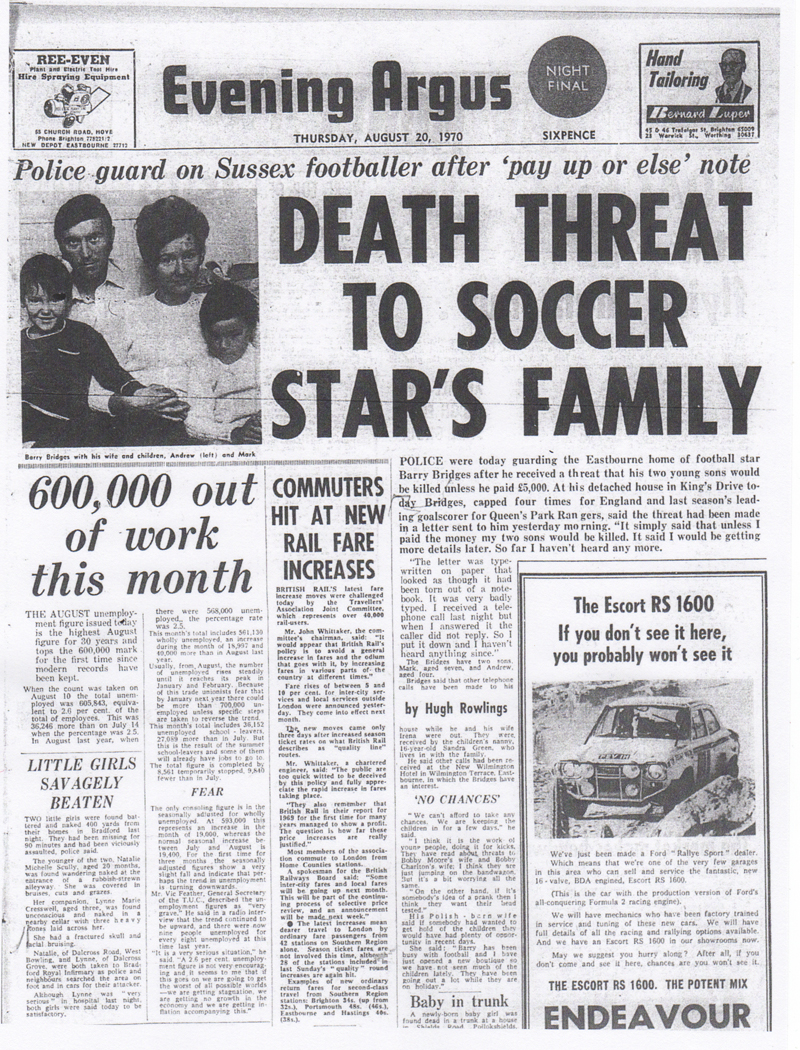
Death threat to soccer star’s family

From the Evening Argus on 30th August 1970:

barrybridgesdeaththreat

Police were today guarding the Easthourne home of football star Barry Bridges after he received a threat that his two young sons would be killed unless he paid £5,000. At his detached house in King’s Drive today Bridges, capped four times for England and last season’s leading goalscorer for Queen’s Park Rangers, said the threat had been made in a letter sent to him yesterday morning. “It simply said that unless I paid the money my two sons would be killed. It said I would be getting more details later. So far I haven’t heard any more.

“The letter was typewritten on paper that looks like it was torn out of a notebook. It was very badly typed. I received a telephone call last night but when I answered it the caller did no reply. So I put it down and haven’t heard anything since.

The Bridges have two sons, Mark, aged seven, and Andrew, aged four.

Bridges said that other telephone calls have been made to his house while he and his wife Irena were out. They were received by the children’s many, 16 year-old Sandra Green, who lives in with the family.

He said other calls had been received at the New Wilmington Hotel in Wilmington Terrace, Eastbourne, in which the Bridges have an interest.

“We can’t afford to take any chances. We are keeping the children in for a few days,” he said.

“I think it is the work of young people doing it for kicks. They have read about death threats to Bobby Moore’s wife and Bobby Charlton’s wife: I think they are jumping on the bandwagon. But it’s a bit worrying all the same.

“On the other hand, if it is someone’s idea of a prank then they want their heads tested.”

His Polish wife Irena said if somebody wanted to get hold of the children they would have had plenty of opportunity in recent few days.

She said: “Barry has been busy with football and I have just opened a new boutique so we have not seen much of the children lately. They have been going out a lot while on holiday.”

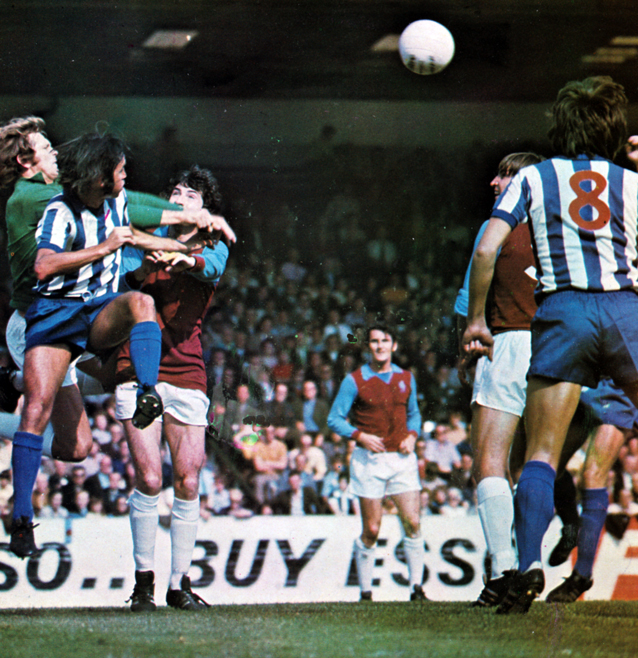
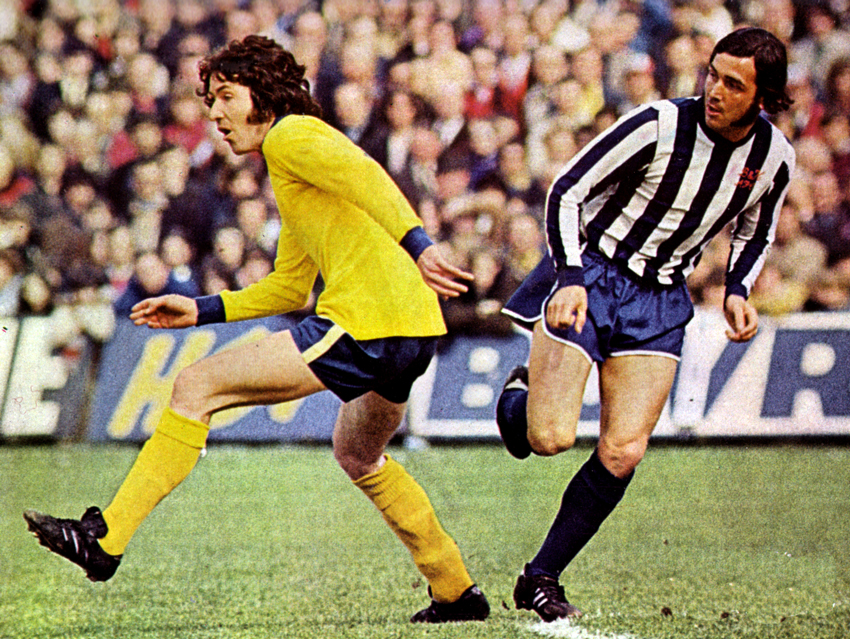
I’m not sure whether it relates to this story. However, a month later, Bridges moved from QPR to Millwall. I’m unsure whether he moved house. Two years on, in September 1972, Pat Saward signed the ex-England striker for Brighton & Hove Albion, in a club record £29,000 deal. Here he is in action against Aston Villa in a creditable draw during his Brighton debut that month:

astonvilla-a-bridges

Unfortunately, the Albion fans did not see the best of Bridges, although he began to show a great run of form towards the end of 1973/74, before he was released. Subsequently, he had a spell playing in South Africa before returning to Sussex to run New Wilmington Hotel in Eastbourne.

Tagged

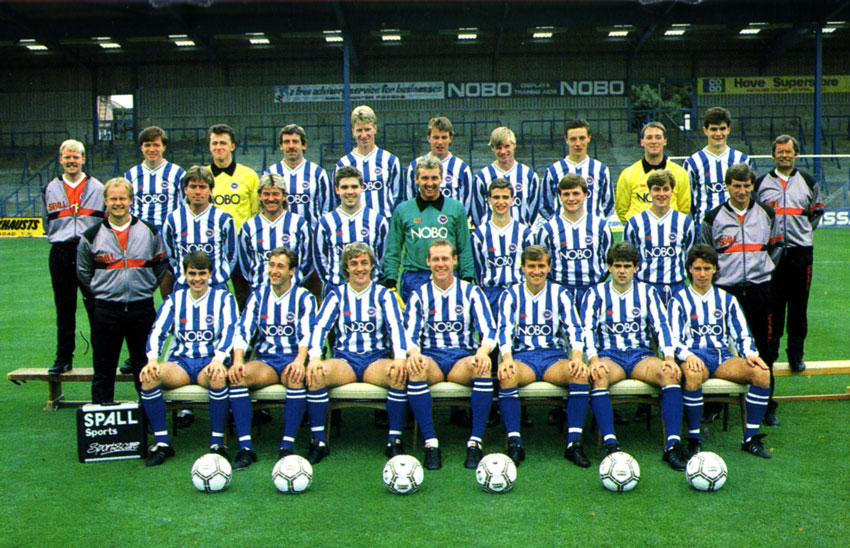
Where are they now? Brighton’s promotion squad of 1987/88

Back row: Mark Leather (physio), Richard Tiltman, Trevor Wood, Gerry Armstrong, Grant Horscroft, Mike Trusson, Garry Nelson, Dale Jasper, John Keeley, Damian Webber, Ted Streeter (youth development officer);  Middle row: Barry Lloyd (manager), Steve Gatting, Chris Hutchings, Robert Isaac, Perry Digweed, David Gipp, Ian Chapman, John Crumplin, Martin Hinshelwood (coach); Front row: Kevan Brown, Darren Hughes, Kevin Bremner, Doug Rougvie, Gary Rowell. Dean Wilkins, Steve Penney.

Back row: Mark Leather (physio), Richard Tiltman, Trevor Wood, Gerry Armstrong, Grant Horscroft, Mike Trusson, Garry Nelson, Dale Jasper, John Keeley, Damian Webber, Ted Streeter (youth development officer);
Middle row: Barry Lloyd (manager), Steve Gatting, Chris Hutchings, Robert Isaac, Perry Digweed, David Gipp, Ian Chapman, John Crumplin, Martin Hinshelwood (coach);
Front row: Kevan Brown, Darren Hughes, Kevin Bremner, Doug Rougvie, Gary Rowell. Dean Wilkins, Steve Penney.

In 2012, The Football League Paper put the spotlight on Brighton’s celebrated 1987/88 squad that unexpectedly won promotion as runners-up in the Third Division. It makes for a fascinating reading although some of the details may have changed:

Back row:
1. Mark Leather (physio) – runs his own practice and is a senior lecturer at Edge Hill University.
2. Richard Tiltman – Runs CTW Financial Services Ltd in Worthing.
3. Trevor Wood – the former Northern Ireland international goalkeeper is now believed to be living in the Eastbourne area.
4. Gerry Armstrong – after managing Worthing and two spells as Northern Ireland assistant manager, he is now a television pundit for Sky Sports and ESPN Star Sports.
5. Grant Horscroft – is now living in Uckfield. Has become a data controller for a fastener distributor.
6. Mike Trusson – became youth team coach and then first team coach at Bournemouth. Is now a coach educator, working for various county football associations.
7. Garry Nelson – based in Essex where he has a number of business interests.
8. Dale Jasper – was last known to be living above a pub in South London and working in the building industry.
9. John Keeley – after six seasons at Brighton as goalkeeping coach and pitman, he left to make the switch to Portsmouth.
10. Damian Webster – he now works in the rail industry and is operations director of a trackside systems company.

Middle row:
11. Ted Streeter (youth development officer) – lives in Horsham, where he ran the Ted Streeter Football Academy.
12. Barry Lloyd – after managing Worthing and working for a BMW dealership, he returned to Brighton as chief scout and now scouts for the development squad and youth set-up.
13. Steve Gatting – the brother of England cricketer Mike has been an academy coach at Arsenal since 2007.
14. Chris Hutchings – he has managed Bradford and Wigan in the Premier League as well as being in charge at Walsall. Is now Paul Jewell’s assistant at Ipswich.
15. Rob Isaac – Became a personal assistant for a well-known racing family.
16. Perry Digweed – lives in London and is a property owner who runs an executive chauffeur service for racehorse owners.
17. David Gipp – lives in Barkingside. Earns a living by buying and selling as an East End trader.
18. Ian Chapman – Managed Whitehawk and coached at Brighton. Is now coaching at Lancing College Prep School in Hove.
19. John Crumplin – He has managed various clubs in Sussex and Surrey and is now working in the building industry.

Front row:
20. Martin Hinshelwood (coach) – is currently the Seagulls’ director of football after holding a series of other posts including caretaker-manager twice and a brief stint as manager.
21. Kevan Brown – he is now director of sport at St Francis School, an independent school based in Pewsey, Wiltshire.
22. Darren Hughes – Lives in Warrington and has been a painter and decorator.
23. Kevin Bremner – worked in the academies of Millwall and Gillingham and works as a subcontractor in the building industry.
24. Doug Rougvie – is now living in the Aberdeen area and works in engineering after running his own design company.
25. Gary Rowell – after working as a financial consultant in Burnley, he worked as a summariser for Real Radio and a columnist for the Sunderland Echo.
26. Dean Wilkins – he held various jobs for Brighton after hanging up his boots before moving on to Southamtpon where he has been assistant manager and now first-team coach.
27. Steve Penney – returned to his native Ballymena in Northern Ireland where he became an optician.

The article also focussed on one of Albion’s main strikers that season:

Kevin Bremner proved he was something of a lucky mascot for the Seagulls when it came to winning promotion from the Third Division.

The Scottish striker had already helped former clubs Millwall and Reading climb out of the division before moving to the south coast. And then for the third time in four years he scored eight goals and was part of a promotion winning side as Brighton finished runners-up to Sunderland.

Sunderland ran away with the title, finishing nine points ahead of Brighton, who themselves were two points ahead of third-placed Walsall.

Promotion was secured in the last game of the season when Bristol Rovers were defeated 21 at the Goldstone Ground thanks to goals from Bremner and Garry Nelson, who netted 22 in the campaign.

Bremner recalled: “Nigel Martyn was in goal for Rovers at the time and they were a very good team, but they weren’t good enough to stop us.”

Despite the champagne corks popping in the changing room, Bremner and fellow Scot Rougvie decided against hitting the town.

“We never went out to celebrate, we just stayed in with our families and ended up in the street playing football with our kids!” he added.

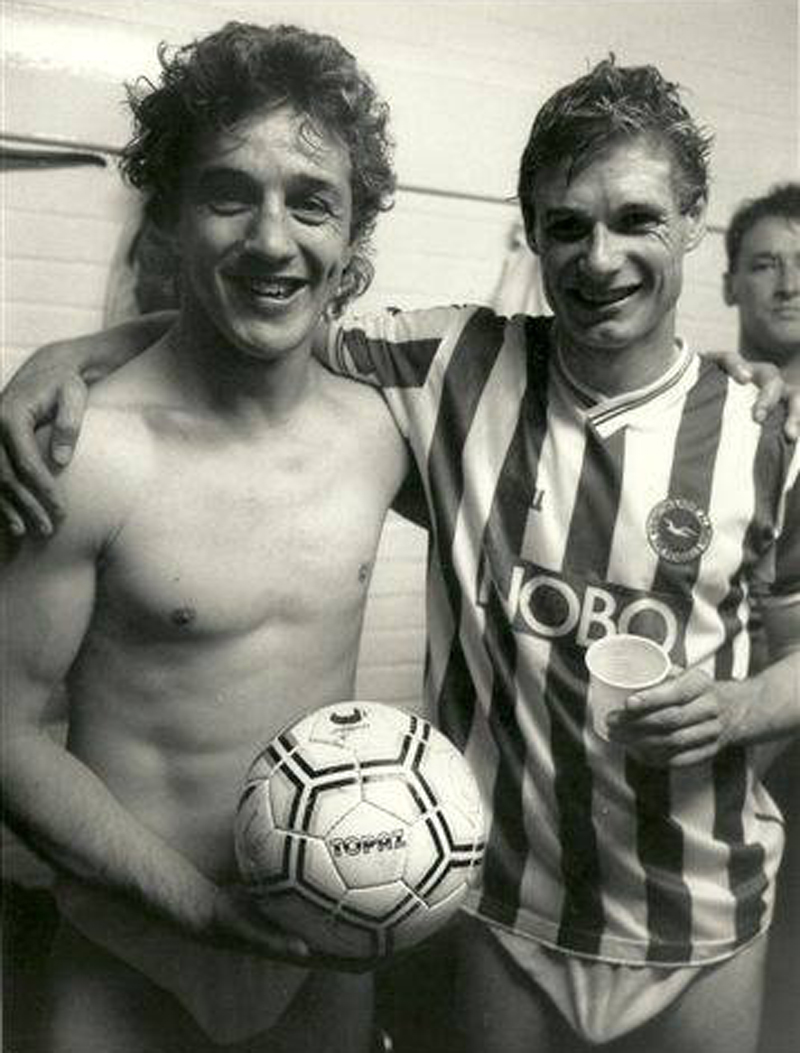
Bremner and Nelson - the Y front men!

Bremner and Nelson – the Y front men!

Tagged ,

Peter Ward’s magic debut at Hereford

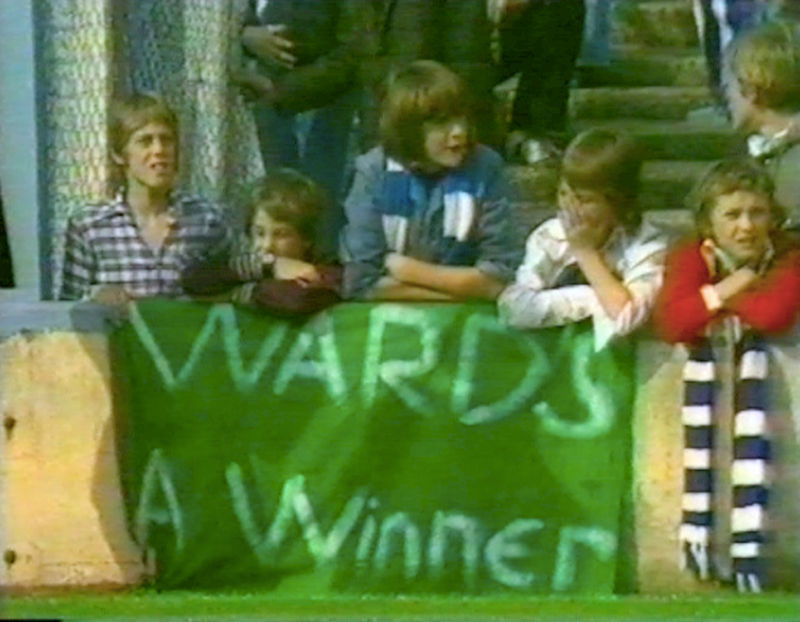
wardsawinner

You have a tough away fixture at the League leaders. What do you do? You drop your top scorer in favour of a slender chap who has not yet kicked a ball in league football. Strangely, it worked.

From the Evening Argus, covering this famous match from 26th March 1976:

Albion improved their promotion hopes with a brave display at Hereford, although the two top scoring sides of Division 3 played nothing like to form.

After three successive away defeats, it was vital that Albion stopped the slide, and they showed enough grit to have warranted both points. Indeed, Dixie McNeill’s 53rd minute equaliser was seen on TV action replay to have been punched in. Had either referee Jim Bent or his linesman been sighted, the goal must have been disallowed.

Nevertheless, the 1-1 draw was a fair result for Albion survived not a few anxious moments after 20-year-old Peter Ward blasted them ahead at 50 secs, and earned himself a place in the record books.

The lightweight striker, who has netted 20 goals for the Reserves, became only the third player to score in the first minute of his League career.

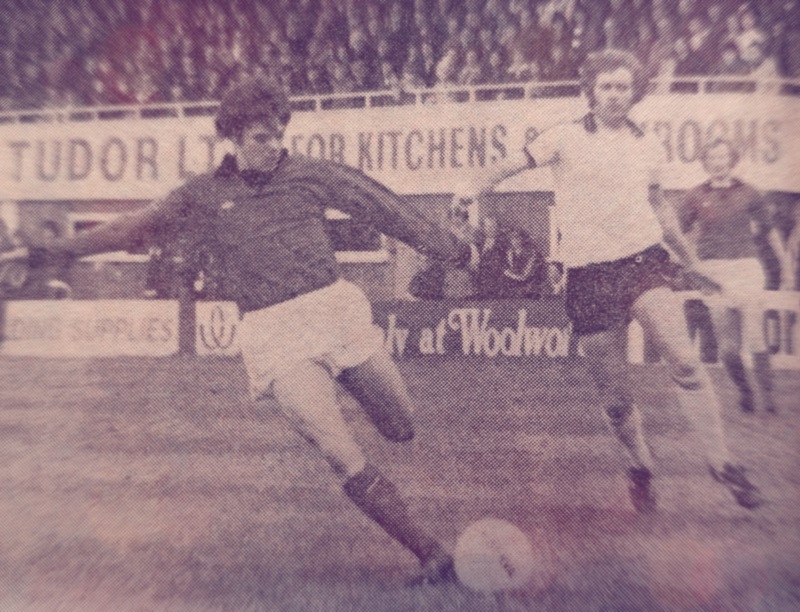
Ward shoots for goal...

Ward shoots for goal…

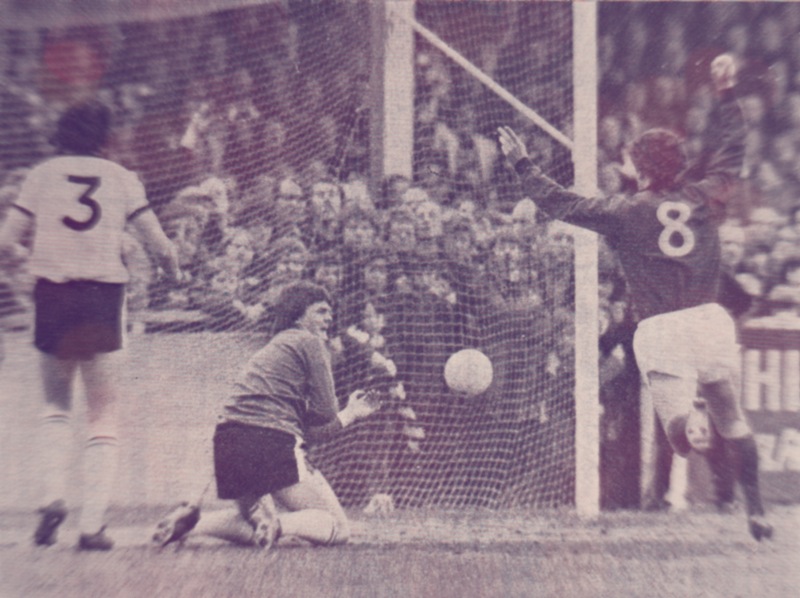
Ward (out of shot) is off the mark as O'Sullivan (no 8) celebrates

Ward (out of shot) is off the mark as O’Sullivan (no 8) celebrates

A £4,000 close-season signing from Burton Albion, Ward has been substitute three times, joined the ranks of illustrious players like Bill Foulkes of Newcastle United who netted with his first kick when debuting for Wales against England at Cardiff 25 years ago.

Those handful of regulars who watch the Reserves cannot have been surprised at Ward’s impressive debut, or the decision of manager Peter Taylor to drop 25-goal Fred Binney.

While Binney scores like clock-work at the Goldstone, his tally of away goals is low – five in the League and two on the FA Cup trail.

No doubt Taylor will come under fire from Binney’s large band of admirers. But it was a courageous decision to omit the league scorer and risk wholesale censure had the move failed.

Before the match, Taylor asked his players for maximum effort. He knows full well that the principal reason why only 12 points have been taken from 19 away games is lack of application.

“They gave what I asked for. They were magnificent,” he said.

I hope the introduction of Ward, who has a great deal to learn, isn’t going to inspire an ‘unfair to Binney’ campaign. I have no reason to believe there was any reason for his dropping or the standing-down of Ian Mellor, other than purely tactical.

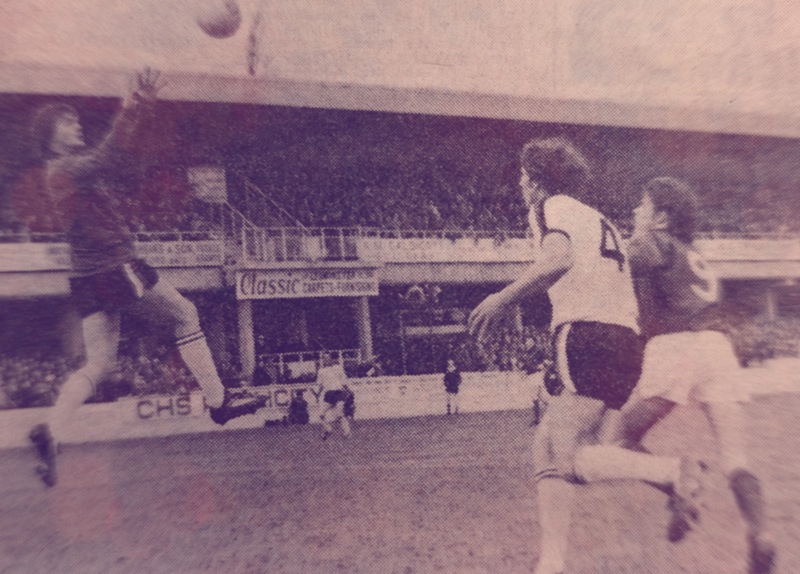
Ward watches a high ball

Ward watches a high ball

Quite apart from his unforgettable goal, Ward made a meaningful contribution to the game. But for a superb fingertip save nine minutes from the end by Kevin Charlton, Ward would have had the winner.

Ward exerts more pressure with his pace and close control

Ward exerts more pressure with his pace and close control

His introduction at this juncture was based on the lack of mobility by Hereford’s central defender, John Galley. Such a nippy player as Ward soon demonstrated his skill and finishing power, attacking chiefly from the left and showing a penchant for knee-high crosses.

It was in this fashion that he scored. But I am sure Ward would be first to admit that Sammy Morgan’s arrival in the six-yard box was a painfully unwelcome distraction for Charlton.

The increased pace was Ward’s abiding impression of it all. He admitted to be tired afterwards and was not the first to complain at the poor state of the pitch, where the uncertain bounce deceived most of the players most of the time.

Match of the Day cameras and commentary did not adequately convey the tension. Neither side overcame nerves, and in consequence much of the game was scrappy.

Once again Brian Horton displayed a wide range of skills and power, while Peter O’Sullivan’s urgency was always in evidence. The return of Andy Rollings after missing three games with a gashed instep, gave much needed height to the defence and he played so strongly as to be outstanding at the back.

Joe Kinnear, however, was far less sure and allowed himself to be distracted on one near-fatal occasion by the tactics of Terry Paine.

The result threw doubt on Hereford’s promotion credentials. The Brighton draw meant the Lilywhites had won just one out of their previous four matches. However, they won five and lost once out of their remaining nine League matches to end the season as Third Division champions. Despite a goal bonanza from new boy Ward towards the end of the season, Brighton secured only one victory out of their remaining fixtures and so promotion proved beyond them.

Tagged

A day with a footballer

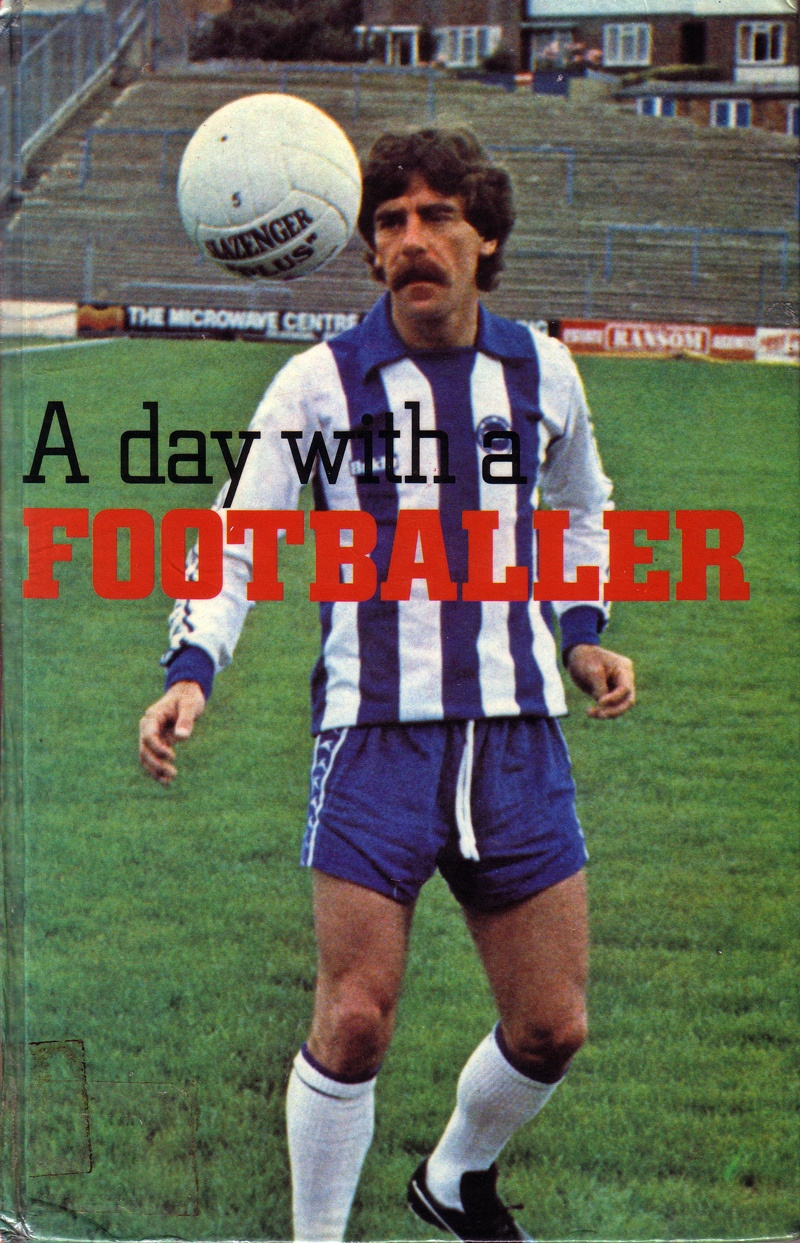
I fondly remember getting this book from Brighton’s Children’s Library on Church Street in the mid-1980s:

A day with a footballer - Peter O'Sullivan

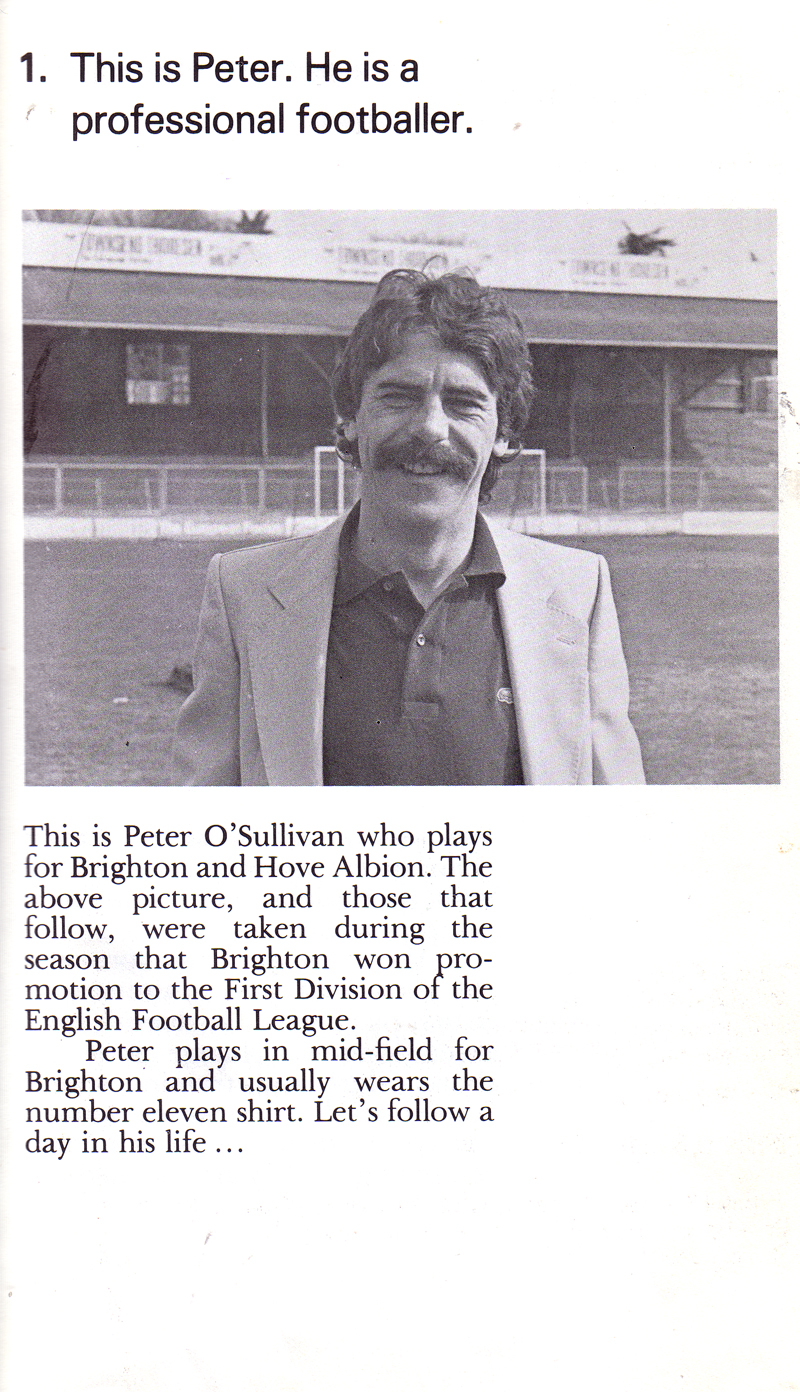
It was an incredible find! A real children’s book with our own local footballer, Peter O’Sullivan, as its subject!

sully1

Needless to say, I was fascinated at the time to find out all about the lifestyles of professional footballers. Little did I know that pros gave each other piggy backs to stay fit:

sully5

…had to put on ties for when seeing the club physio:

sully9

…and had All-Bran for breakfast as part of their carefully chosen diet:

sully21

After a visit to St Peter’s School in Cowfold, our hero was interviewed by Radio Brighton. Then, the climax of the book centred around the Brighton v Leicester City match in February 1979, a match which Albion won 3-1. Now, records show that Sully didn’t score that day. However, artistic licence from the authors Allan and Christine Haddrell ensured that Peter is credited for getting the clinching goal directly from a free-kick.

sullytoday

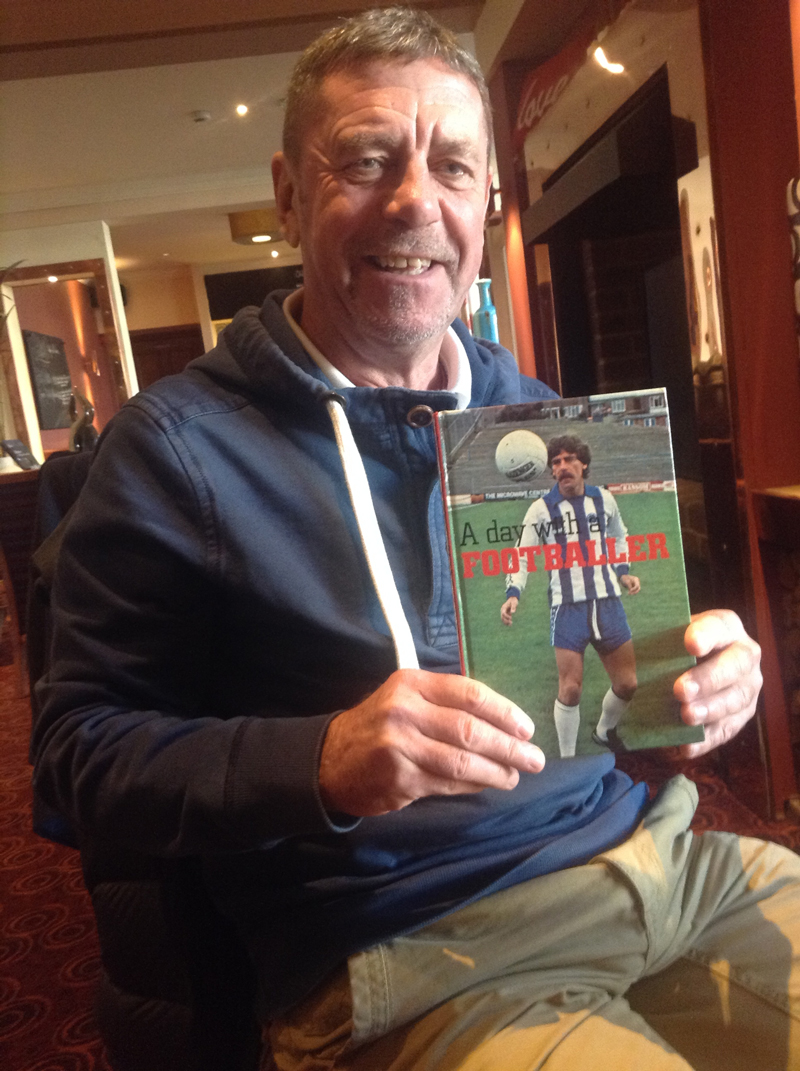
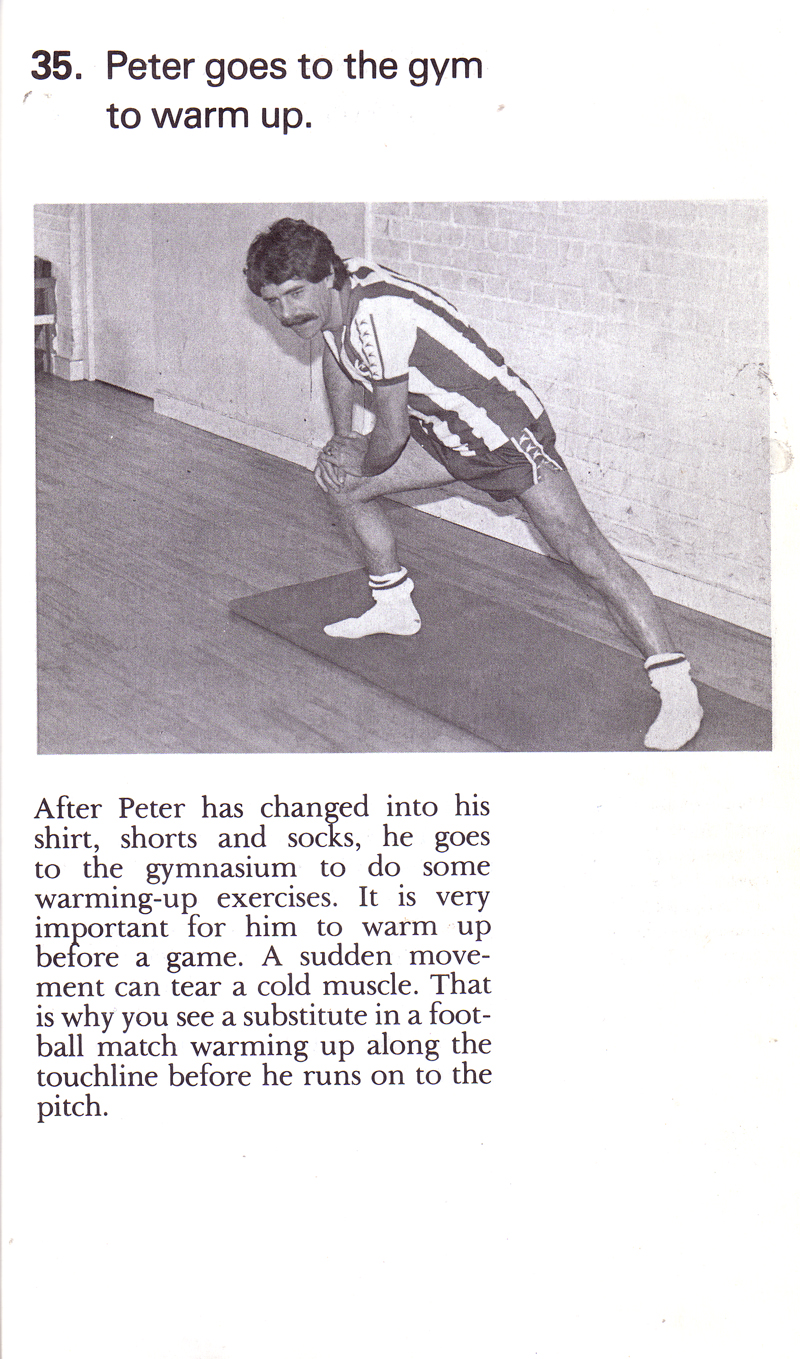
In November last year, I had the pleasure of interviewing Peter O’Sullivan for Viva Brighton magazine (p.57). Towards the end, as well as giving him a spare copy, we got at the truth behind this beautiful book. He said: “Leave me alone! The book’s pretty frightening. I’ve tried to delete it from my memory. If you see here, I never did any warming up and stretching. The authors set me up with that one!

sully35

“And look at that – I didn’t score!”

Well, frankly, it doesn’t even look like Sully’s taking a free-kick, does it?.

sully47

At the end of the book, the players went on a plane to Jersey for a short holiday, which is well-documented in the Peter Ward biography as a disaster with Graham Moseley putting his hand through a glass window and the Albion players getting royally drunk. Good timing that this children’s book ended as the players got onto the British Caledonian plane!

sully53

Peter comments: “That was the worst weekend in history,” before correcting himself: “It was a good week. Sunday lunch – we had ten bottles of red wine, and they were gone in no time at all!”

But how the blazes did he get involved in a children’s book in the first place? Peter reveals all: “The chairman Mike Bamber asked me to do it. He said some guy is doing a children’s book. Will you do it? I said, all right. I don’t mind. He introduces me to this guy. Over a month or two we meet him once a week, sometimes at the ground and he’d take some photos. The players gave me some right stick: ‘Here’s that geezer again!’ It was a tough one! I thought I’d deleted all traces of the book from history, but many people have still got it. Classic! All I can say is the person behind it was a very good story teller, especially as I am still waiting for my money for that book! They truly stitched me up.”

If you wish to read the book in its entirety, you can see it from a desktop computer (with Adobe Flash installed) here, preserved online forever. Sorry, Peter!

Other books in the series include ‘A day with a stable girl’ 😛

Tagged ,

A shock for Villa in the crunch game

Albion's new skipper, Brian Bromley

Albion’s new skipper is the influential midfield man Brian Bromley

Having suffered defeats to Oldham and Bradford in the run up to the clash with Division Three leaders Aston Villa on 25th March 1972, Brighton boss Pat Saward made some brave changes. Out went Stewart Henderson and captain John Napier, and in came Bert Murray and Ian Goodwin. Brian Bromley was installed as the new skipper.

The changes paid dividends, and the promotion push was back up and running thanks to a famous 2-1 victory. Here is how the Sunday Mirror reported it:

Brighton manager Pat Saward bounced to the edge of the pitch at the end of this ding-dong Third Division promotion battle.

And he ordered his Albion troops: “Get back into the middle and take a bow. You deserve it.”

Saward’s tribute to his swashbuckling side was deserved. They fully earned a victory which takes them one step closer to Second Division soccer next season and which dented ambitious Aston Villa’s own title chances.

It was the long, frizzylocks of Kit Napler which nodded bubbling Brighton to victory six minutes from time,

Villa ‘keeper Jim Cumbes should have cut out a left-wing centre from Peter O’Sullivan.

But he missed it, Napier didn’t, and Villa were beaten for only the second time in their last twenty-one League outings.

Villa boss Vic Crowe took defeat with a philosophical shrug of his shoulders. “They plaved out of their skins,” he sald.

“Yet we might well have got a point. Jim Cumbes says the sun got in his eyes when they grabbed that late winner.

“Still, I think we can go top and I don’t care who goes up with us.

“Brighton play Bournemouth next-Saturday, and as far as I’m concerned they can both lose.”

Villa were dodgy at the back. And stodgy up front.

Brighton looked the likelier Championship bet all through.

Said Saward: “Tremendous, tremendous. We tore them apart in the first quarter of an hour of the second-half.”

He was not exaggerating.

In that spell. Villa’s £275,000 centre half Chris Nicholl twice had to scoop what looked like certain scoring-chances off his own goal-line.

The first was from Ken Beamish and that was followed by another from Napier.

But Brighton began tearing Villa apart as early as the sixth minute when Willie Irvine shot them into the lead with as good a goal as anyone will see this Season,

Beamish launched it. John Templeman drove, a magnificent pass with surgical precision diagonally through a floundering Villa defence.

And Irvine finished it off with a searing shot from the edge of the penalty box.

Villa looked like salvaging a point when skipper Bruce Rioch rifled a fifty-fifth minute equaliser which was every bit as good as Brighton’s opener.

Willie Anderson. who looked such a weary Willie until that moment, sent Charlie Aitken sprinting along the left.

The full back’s cross was played back into the middle by Ray Graydon and Rioch met it on the volley to almost burst the Brighton net.

Rioch’s joy was shortlived. He was booked in the the seventy-seventh minute after a clash with rival skipper Brian Bromley.

Referee Norman Burdenshaw had no alternative but to take Rioch’s name.

Others were more fortunate, avoiding a similar fate in this beefy promotion battle.

The Midlands’ moneybags have now taken only one point fronx their last three outings, and the promotion boat is beginning to rock.

But Brighton look if their Second Division intentions are honourable, Seldom has any side have run Villa so ragged.

The Sports Mirror editorial also spotlighted the crucial match:

astonvilla-h-sully-irvine-napier

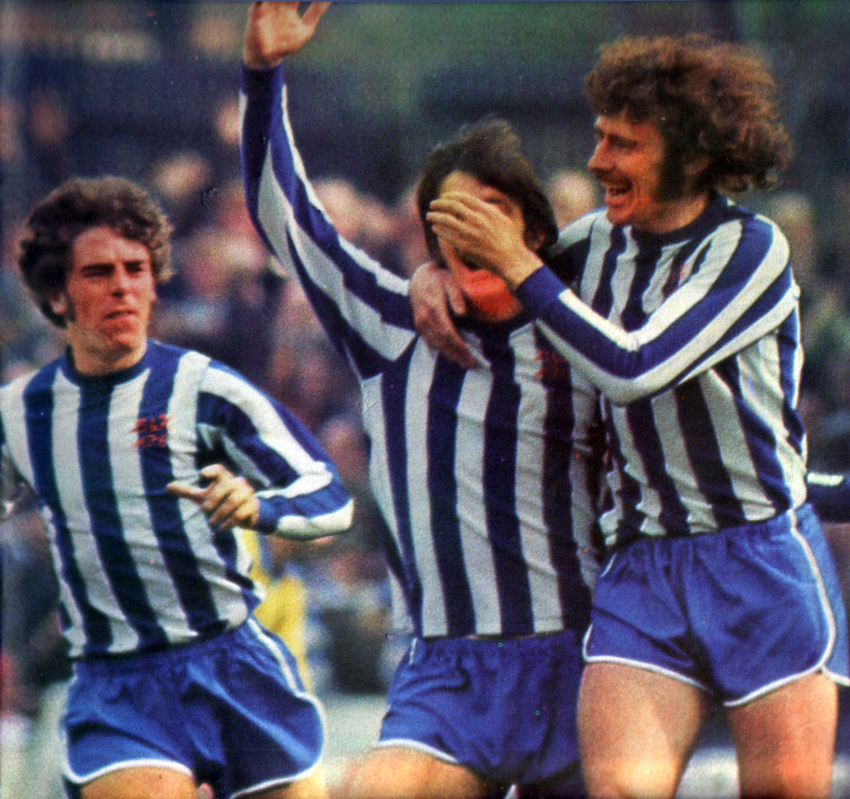
Hands all those who deserve an ice lolly! Brighton’s team will probably get the freedom of the town’s ice cream parlours after licking Aston Villa 2-1. This happy threesome are Peter O’sullivan, Willie Irvine and Kit Napier after Irvine had fired Br!ghton’s first goal in the sixth minute at sunny Hove. And by the look of him he wouldn’t swap that moment for all the pebbles on the Brighton beach.

Cut open any Aston Villa player this morning and it wiil probably say “Brighton” all the way through.

Villa, with tradition a mile high and just as long on optimism about playing in the Second Division next season, found it was too hot by the seaside yesterday.

Brighton and Hove Albion, to name just one side, have never hit the heights. And apart from one stay in the Second Division, have never reached for them.

Yesterday afternoon Brighton took Villa apart. They won 2-1 with goals by Willie Irvine and Kit Napier, Napier leaving the fans biting their fingers until six minutes from the end when he popped in the winner.

It was a shock to Vllta’s sophisticated system.

Irvine cheekily nosed Brighton in front after six minutes. And it was another fifty minutes before Bruce Rioch put the leaders level.

Villa still head the table but they are now only one point ahead of second-placed Bournemouth who dropped a point at Rochdale.

BournemouttL who have played two more games than Villa or third-placed Brighton, had a lucky escape when Gowan missed a penalty for Rochdale,

Our forecast of next week’s hottest soccer spot must be Bournemouth, Brtght0n are the visitors and they want to cut two more points off that four-point gap between them and Villa.

Eddie Spearritt challenges for the ball with Villa's Ray Graydon

Eddie Spearritt challenges for the ball with Villa’s Ray Graydon

Tagged , , ,