Category Archives: Around The Goldstone

Autographs – Brighton & Hove Albion 1970s

Very occasionally on The Goldstone Wrap, I will reblog articles from other blogs that help to celebrate the history of the club. In Jackie Dinnis’ lovely nostalgic blog, she recalls collecting autographs of Brighton players in the Pat Saward era. A very wonderful colour photo of the 1971/72 promotion side is here too. Please click the link above.

Jackie Dinnis's avatarMeeting my family

After collecting signatures from my friends at school in the late 1960s I progressed to the next level – famous sporting stars.  I managed to get some when we were on our family holidays, as visiting sports stars made appearances once a week.  Then I began collecting some from my local football team – Brighton & Hove Albion.  I first went along there in 1972, and I think these autographs came from around that time.  I have very little recollection of obtaining these signatures, it was during the time the players would be ‘warming up’ before the game, when they could be persuaded to come over to the side of the pitch and scribble their name on a programme or in a book.  I managed to get several signatures, but I’m sure this was mainly due to Dad pushing my book in front of the players for me.  I also had a team photograph…

View original post 11 more words

Tagged ,

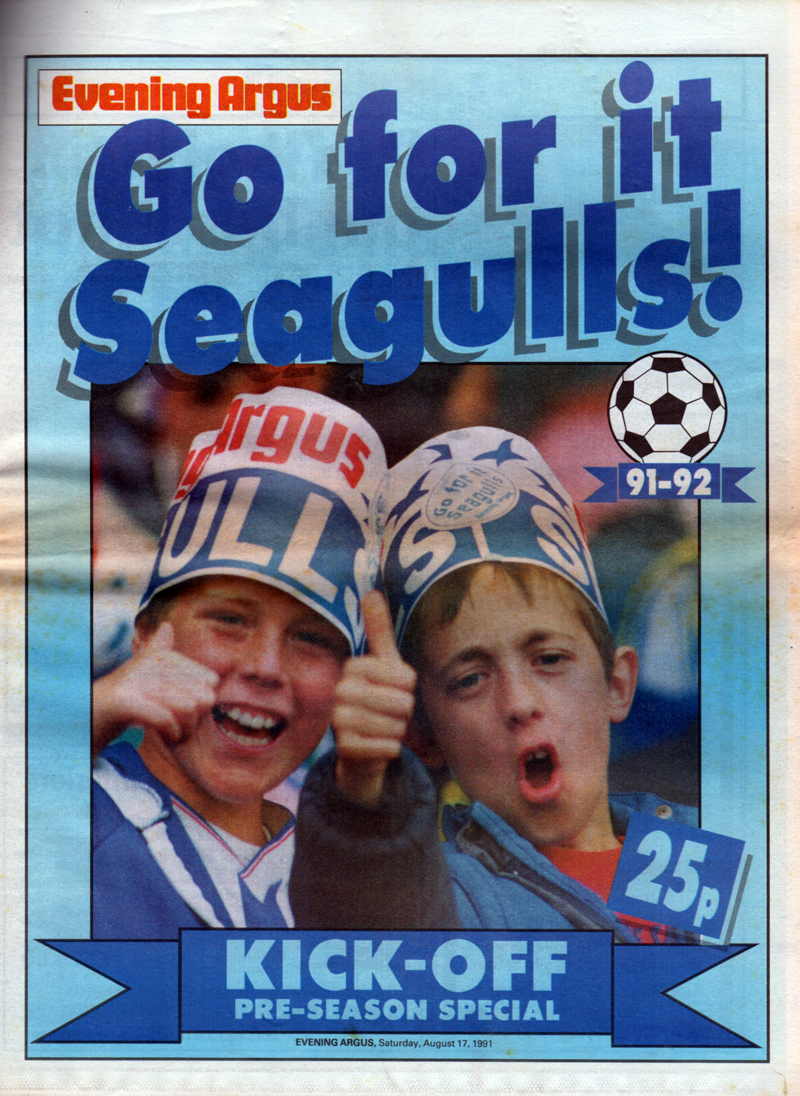
Evening Argus Pre-Season Pull-Out: ‘Go For It Seagulls!’

This blast from the past is a spectacular illustration of how high hopes from pre-season can prove wildly off the mark.

Look at these two daft-looking chaps with Argus banner rolled around their heads. They’re clearly imbued with the kind of elevated expectations that hadn’t yet been ground down by decades of disappointment as a Brighton supporter!

1991-92argus

In the pre-season to 1991/92, manager Barry Lloyd, although hatless, was also very optimistic about the season ahead. As John Vinicombe wrote:

Albion embark on their fourth successive season in the Second Division after going so close to promotion only two months ago.

This campaign, the Seagulls aim to recover the championship place they lost in 1983 by gaining an entry place outright instead of an ordeal by play-off.

“It is more important now than ever before to get into the First Division,” says manager Barry Lloyd.

“I believe that, in the not to distant future, some clubs will not be able to keep going, and will drop out of the Football League through shortage of money. Very few clubs these days have got any cash to spare, and even some of the big ones are having to count their pennies and make cuts. The First Division is the only real place for us and our supporters, and we will be giving it our best shot.”

Brighton certainly didn’t need the Play-Offs this time around – they were relegated! In 1990/91, the final home league match against Ipswich secured Brighton’s Play-Off position. A year later, the final away match against Ipswich secured Brighton’s relegation, and to rub Albion fans’ noses in it, it was also celebration time for Ipswich Town who had achieved the dream that continues to elude the Seagulls – promotion to the Premier League.

How is that a club that had previously reached the Play-offs, now found themselves relegated? On the outset, many supporters point to what a fluke the 1990/91 season really was as Albion conceded more goals than they scored in the League and yet were almost promoted. Even so, a side that gave Liverpool such a run for their money over two FA Cup games must have had something going for it. Yet once star strikers Mike Small (to West Ham) and John Byrne (to Sunderland) departed the Goldstone in 1991, there seemed to be only one direction for Brighton to head, and that was downwards. The less-than-stellar performances of their replacements Mark Farrington and Raphael Meade did little to halt the slide.

Nevertheless, Barry Lloyd still proved himself capable of unearthing a gem of a signing on occasion, such as with Mark Gall, a £45,000 bargain from Maidstone United, who rewarded his manager with his skill and strength, not to mention fourteen goals. However, when Lloyd was appointed to the Board as managing director in December with the task of the day-to-day running of the club, it most certainly took his eye off what was happening on the pitch. It also led to Martin Hinshelwood’s influence on first-team matters increasing. A recipe for disaster?

Tagged ,

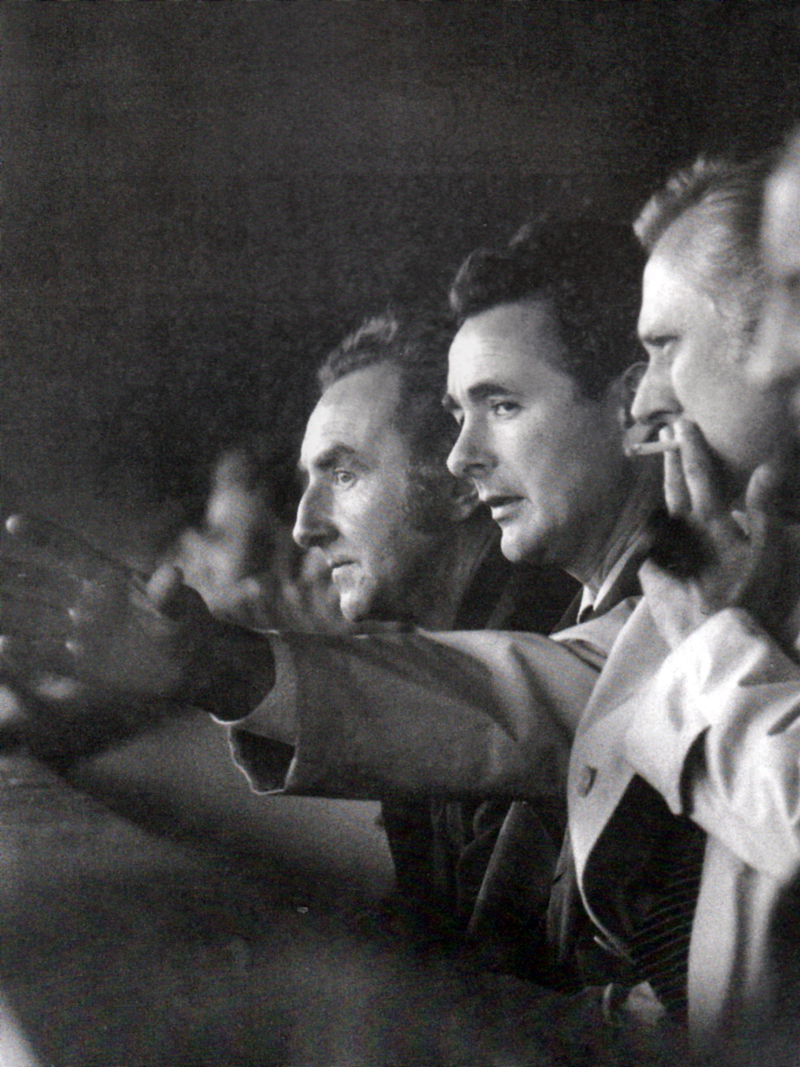
Brian Clough lays down the law

brianclough2

Taken from the Brighton & Hove Albion Supporters Club Handbook 1974/75, Clough’s swaggering words leap off the page:

If I’ve turned Brighton upside-down and inside-out since my arrival from Derby County I don’t apologise.

This club needed a clean sweep and I’ve never been one for wasting valuable time. The work has always been hard, often frustrating but I can, at last, see the light.

I returned from Majorca with the team recently and began to wonder if the full realisation of what I have done here has reached the supporters.

We played one game on that beautiful island and won 8-2.

The score didn’t matter one iota. BUT WE HAD 10 NEW PLAYERS REPRESENTING BRIGHTON ON THAT PITCH. Two had never met their team mates before!

If there’s ever been a new start made in the history of football, then we have made it here at Brighton!

Certain players were not happy to be shown the door at the Goldstone Ground, but Peter Taylor and myself wanted, nay, demanded, new talent and new determination for our big push towards the Second Division.

We think we have reorganised well and are fully aware of the fact that we’ve left ourselves with 16 players.

Don’t be afraid of the drastic measures we have taken. We know what we are doing and we have a fair record at the bottom and top levels in this game of football.

Peter has already told you that we are men of action. Accordingly, we place ourselves at the mercy of the public because we are completely open to everybody’s judgement. We hide no secrets, we make no excuses – we believe our way is the healthy way.

It was Liverpool manager Bill Shankly who said at his team’s FA Cup banquet in London that too many clubs set out for survival rather than victory. I hope he doesn’t list Brighton among the survivors.

I promise that we will have a big, big, go to bring you entertainment and results in the same, successful package deal.

It wouldn’t be fair to ignore the fact I made trips abroad, during the season just passed and came under heavy fire from certain quarters.

I would ask you to bear this in mind… first of all my chairman, Mr Michael Bamber, was aware of all my movements, and secondly, I needed those breaks.

Leaving Derby County, a team we had built so well and so carefully, obviously led to personal difficulties.

I found much-needed comfort and Brighton benefited, too, from my travels. I’m sure my employers understood the turmoils I was facing at the time.

Now, we are looking forward to a great start from a new team. Exciting days, we are convinced, are coming to Brighton.

We will, I promise, give you plenty to shout about and we do look forward to your support.

Reading this, it’s the first and only time I’ve heard Clough justify his mid-season excursions, such as missing the away game at Cambridge in January 1974 to fly to New York to watch the Muhammad Ali boxing match with Joe Frazier. During his nine month spell as Brighton manager, he had also returned to Derby to campaign for Phillip Whitehead, the Labour candidate for Derby North. To cap it all, while Brighton were in the middle of a relegation battle, Brian Clough also travelled to Iran as a guest of the Shah with a view to taking over as manager the national side.

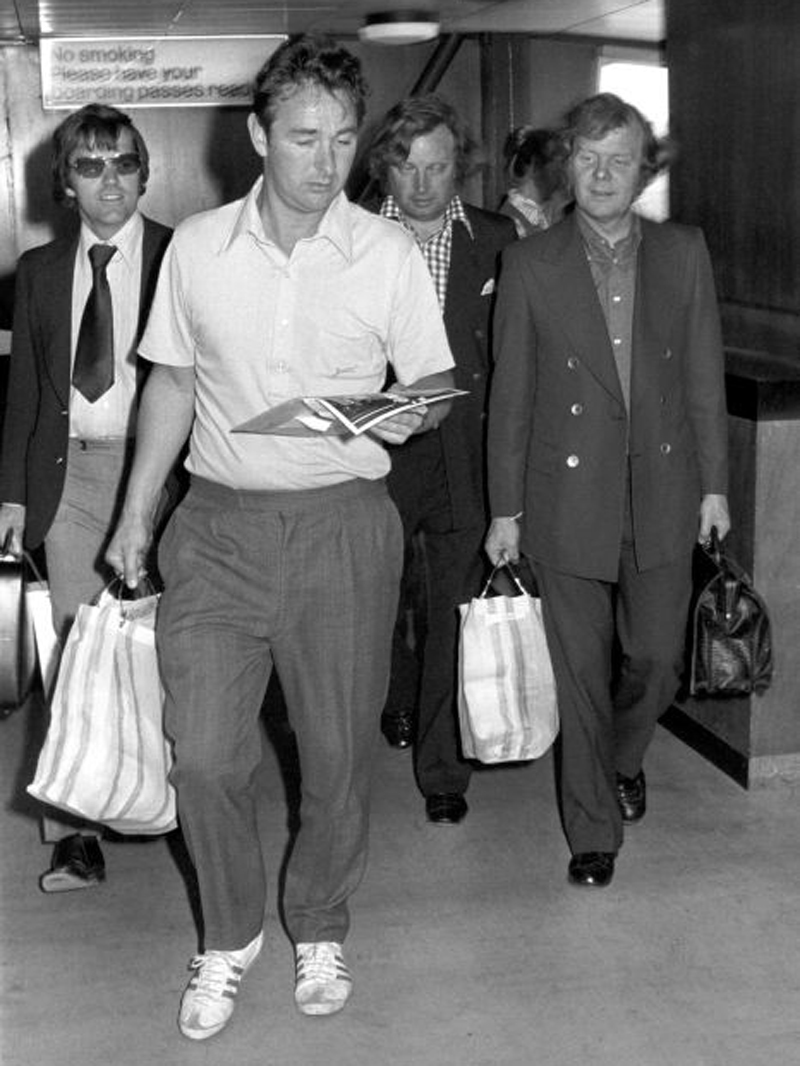
It was hard to escape the impression that Clough lacked commitment to his position at Brighton. Such an unsatisfying perception rang true when the Leeds United vacancy became available. Here is Brian Clough arriving at Heathrow Airport after cutting short his stay in Majorca to open talks with Leeds chairman Manny Cousins:

brianclough3

By the time the Supporters’ Club Handbook had left the printers, and Brighton fans got to read Brian Clough’s rhetoric about ‘looking forward to a great start from a new team’, the manager was already gone.

Tagged ,

Rare video: Summer of ’81- team photo shoot at the Goldstone

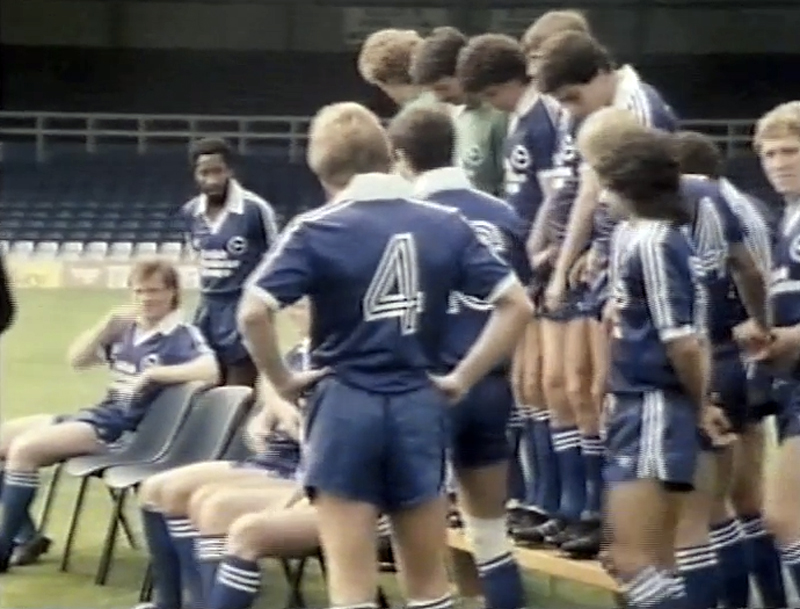
summer81photoshoot

A wonderful glimpse of life at the Goldstone in the summer of 1981, with a shot of Moshe Gariani and co getting it together for the pre-season photo shoot, plus interviews with new Albion men Mike Bailey and Tony Grealish.

And, blimey, Michael Robinson signs a ten year contract! Whatever he was doing in pre-season in 1991, it was certainly not at the Goldstone Ground.

Tagged , , ,

Alan Biley – a Law unto himself

alanbiley

From the Brighton v Leeds programme from April 1985:

It won’t take Alan Biley long to make friends in the Goldstone terraces and stands. There is always a sense of excitement and anticipation when the player in question is a man of proven ability who loves to entertain the fans.

Ask Alan Biley about his own heroes and he’ll talk enthusiastically about two men in particular: Denis Law and rock star Rod Stewart. Both men won fame as excellent showmen. Biley’s mind sees Law score a spectacular goal and wheeling away, arm aloft, to salute the Stretford End. Or Stewart, strutting the stage with style and confidence, oozing that indefinable quality, charisma.

‘I take enjoyment very seriously,’ he says. ‘By that I mean that I know how lucky I am to earn my money playing the game I love. When I was 10, my only ambition was to become a professional footballer and that has never changed. It was the only thing I ever wanted to do. I know there are millions of kids who dream of making the grade. I’m one of the lucky ones. Now I’m there, I love to make the most of every day.’

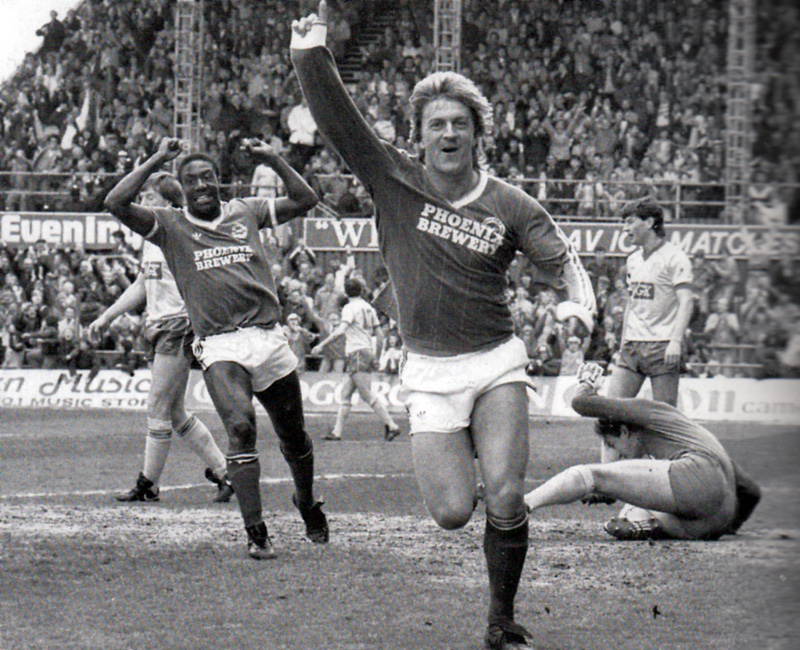
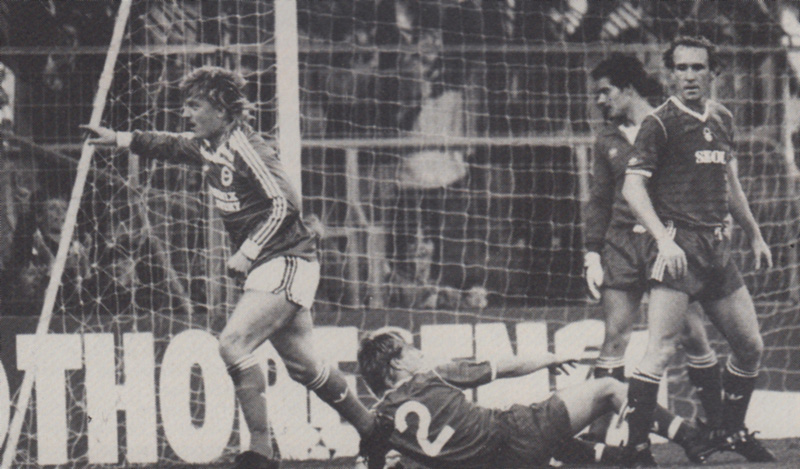
Biley was a small, very mobile striker who made great runs and had a deadly finish. His modelling himself on his idols was not just apparent from his attention-grabbing blonde feather cut hair, but also his Law-like habit of grasping onto the cuffs of his long-sleeved football shirt. A good example is this photo from this Leeds match, as he celebrates triumphantly after scoring in the 1-1 draw (wonderful expression on Terry Connor’s face too!).

alanbiley2

After a prolific spell with Cambridge, Biley had first come to the attention of many Brighton fans when his two goals for relegation-bound Derby County had stuffed the Seagulls 3-0 in the First Division five years previously in April 1980. He had a largely unsuccessful spell with Everton after a big £350,000 move in July 1981. After being loaned to Stoke City, the Leighton Buzzard-born striker rediscovered his goal-scoring touch when he arrived at Portsmouth in August 1982. On the South Coast, he hit 51 goals in 105 League games for Pompey.

When he joined Brighton in March 1985 for £50,000, the hope was that his goals would turbo-charge the Seagulls’ return to Division One. Sadly, it was not to be. Four goals in thirteen appearances in 1984/85 was not enough. Here you can see him back at Fratton Park in action for his new club against Portsmouth, losing his footing before a classy lay-off to set up Chris Hutchings’ chance:

Although not on the scoresheet there, Biley did get the equaliser against Grimsby when Brighton stormed back from 2-0 down late on to win 4-2 in the penultimate match of the campaign. In the end, Brighton missed out on promotion by three measly points.

As the next campaign dawned, Biley proved his goal-scoring credentials with a first half header against Nottingham Forest in a famous 5-1 pre-season win, as part of Warm Up ’85:

alanbiley3

Despite hitting another quite opportunist goal against Grimsby in the League opener in 1985/86, Biley was in and out of the side as Cattlin had Dean Saunders, Mick Ferguson, Terry Connor and Justin Fashanu also competing to play upfront. Biley endured some very rough tackling at times, such as in the Barnsley away defeat in August. In the end, the extrovert with the larger-than-life persona had a goal ratio with the Seagulls that was anything other than larger-than-life. Perhaps he would have scored more with the protection that referees offer attacking players nowadays. Here he is getting chopped down by England defender Mark Wright after coming on as substitute against Southampton in the FA Cup Quarter Final home defeat in March 1986:

Biley amassed just four League goals in 26 League appearances in his second season with the Seagulls, which effectively spelt the end of his Brighton career, and he was loaned to New York Express and Cambridge before going on to play for Twente Enschede (Holland), Brest (France) and Panionios (Greece).

While some spells (such as his first at Cambridge with whom he was recently voted in their Team of the Century) were much more successful than others, Biley is still fondly remembered at most of his clubs, including ours. If you wish to declare your enduring footballing love for the blonde bombshell, you can get an Alan Biley T-shirt from Cult Zeros.

Tagged

Des Lynam’s dream team

As a reader, having outgrown Shoot! and with Match dumbing down to becoming little more than a poster magazine, I became a big fan of 90 Minutes magazine in the 1990s. Irreverent and intelligently written, it’s a weekly magazine that I wish was still going. Here’s a fascinating read from its pages on 28th January 1995. Interview by Kevin Palmer:

deslynam2

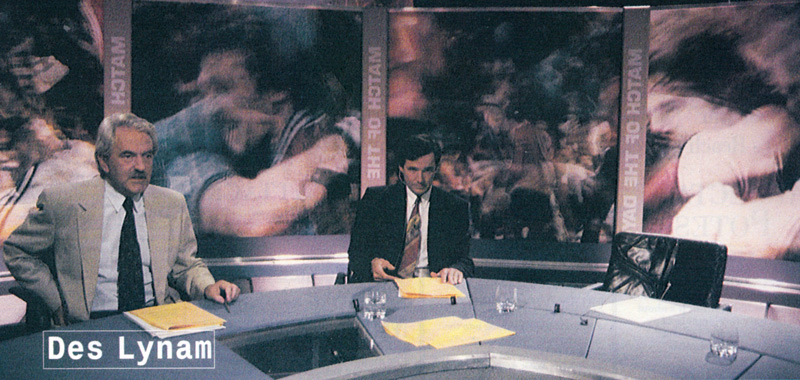
Des Lynam may spend his Saturdays discussing the ins and outs of the Premiership with his Match of the Day colleagues, but what he’d really like to be doing is breathing in the sea air and cheering on his beloved Brighton at the Goldstone Ground. 90 Minutes dons a jacket and tie and asks our Des to spend an imaginary £8million on his Seagulls Dream Team.

Why Brighton?
My family originally come from Ireland, but when we moved over here and into the Brighton area I started going to watch and developed a real interest. I started to go to the Goldstone Ground more and more as time went on, but I did play on Saturdays for school teams which meant I missed some games. Since I’ve been working on TV I’ve become associated with Brighton and have even been offered a place on the board, although I wasn’t mad enough to take it.

First game?
I clearly remember the first game I ever attended at Brighton and it wasn’t especially for the football. It was around 1952 and they still used those big, heavy leather footballs. I went along to the game with a neighbour and his daughter and unfortunately a ball smashed the child in the face and knocked her out cold. We were dragged away from the game while they got treatment. I have always said it was the first time I had ever experienced a woman’s headache getting in the way of a lot of fun! We did manage to see some of the game in the end, but it was an interesting afternoon that was somewhat spoilt by the pre-match ‘entertainment.’

stevefoster6This season?
I don’t get to see the team as often as I like because I have to work every Saturday with Match of the Day, but I follow their fortunes very closely. I also live in the London area now which makes it a little more difficult to go. But a team like Brighton are always going to find it very hard in a modern football environment. Liam Brady is doing a good job, but they’ve had a bad run of late which has pulled them down somewhat. I still feel Brady has a lot to prove as manager, but Brighton is a great place for him to make his mark. There has been talk of him moving in as the new Arsenal manager if George Graham was to leave, but I don’t think Arsenal would want to make such an ambitious appointment with an unproven manager. The main aim for Brighton this season has got to be survival in the Second Division and then we can look to build from there.

An £8 million injection would surely have been enough to stop the club from selling the Goldstone Ground. But if it had to go on players who would Des have chosen?

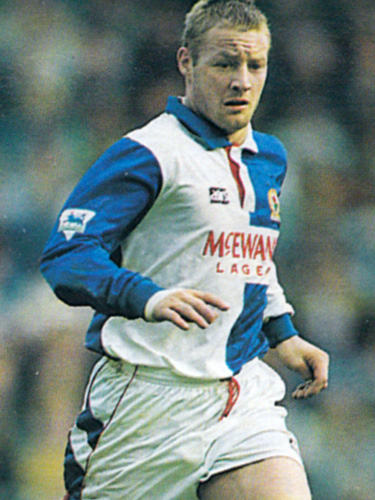
battyDavid Batty
Current club: Blackburn Rovers
Fee: £2.95 million

He’s a great competitor and would give us the extra edge we need in the midfield, although we do have Jimmy Case who’s still a good performer even if he is past his 40th birthday. Batty would win the ball for you and let the others play the football, though he has improved his passing game immensely in recent years.

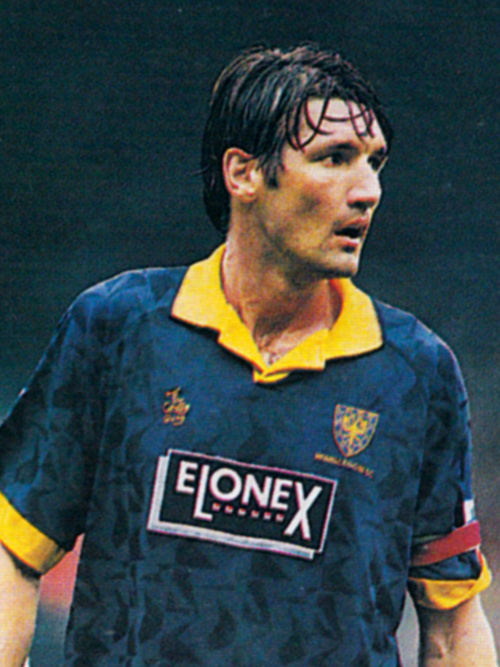
harfordMick Harford
Current club: Wimbledon
Fee: £50,000

This will be a surprise choice for most, but he is perhaps the sort of player we could hope to sign with the financial situation at brighton. Harford would put the fear of God up the defenders in our division and would cause a lot of problems. He’s proved he still has the ability with his recent burst of goals for Wimbledon in the Premiership.

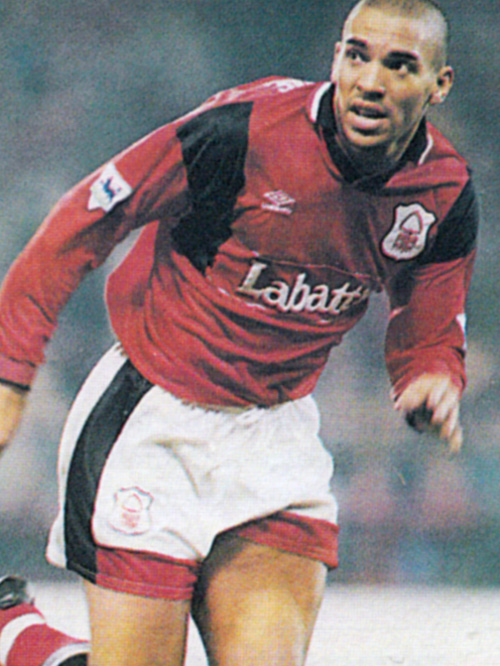
collymoreStan Collymore:
Current club: Nottingham Forest
Fee: £5million

One of the most sought-after players in the Premiership and it’s not surprising. Everything he does makes him look like a class striker. I wouldn’t say he’s the best in the country, though. Alan Shearer’s the best striker around, but with just £8million to spend, I wouldn’t have enough to make a bid for him.

Tagged , ,

Getting to Division One: Alan Mullery’s budget

mullerysignings

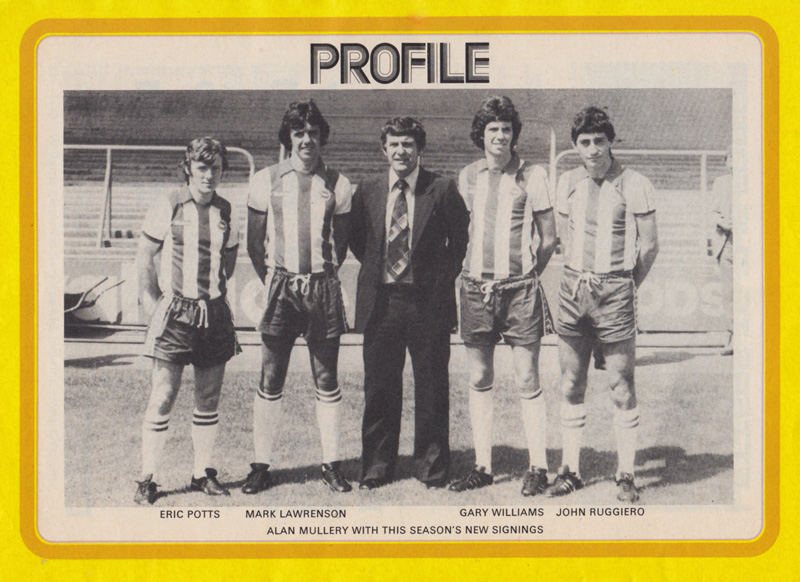
The wheeling and dealing side of being a football manager was something that certainly appealed a lot to Alan Mullery. Luckily for him, he had far more cash to play with than, say, Pat Saward, at the start of the 1970s. It’s often commented that Mullery had a massive transfer budget. Trying to get beyond the opinion, I wanted to see to what extent this was true and have (to the best of my ability) tried to collate all the incomings and outcomings from 1976/77 to the end of 1978/79:

In
Steele £19,000
Lawrenson £112,000
Ruggiero £30,000
Potts £14,000
Williams swop
Clark £30,000
Maybank £238,000
Poskett £60,000
Sayer £100,000
Ryan £80,000
Chivers £15,000

Total: £700,000

Out
Beal free
Kinnear free
Morgan £15,000
Cross Swop
Wilson Swop
Binney Free
Towner £65,000
Ruggiero Free
Potts £37,000
Mellor £30,000
Fell Swop

Total 147,000

To my eyes, despite the over-inflated price for Teddy Maybank, a deficit of £553,000 at late 1970s prices seems a reasonable price to pay for a club going from the Third Division into the top flight. Still, it wasn’t me writing the cheques! Undoubtedly, the Albion boss’ best capture of the time was Preston defender Mark Lawrenson. In this article from Shoot! magazine, the Brighton manager explains how he tried to balance the budget in the summer of 1977 after a big outlay:

Brighton caused a bit of a stir in the close-season when they splashed out a club record £112,000 to buy unknown defender Mark Lawrenson from Preston. It was a bold move from a progressive club who are determined to make a big success of life now they have been promoted to the Second Division.

And manager Alan Mullery is the first to admit they had no intention of spending that sort of cash when they first decided to go into the market. Mullery – who capped his first season as a manager by steering Brighton to the Third Division top two – explains:

“At first all we were going was a standby for Graham Cross – someone to play in the reserves and come into the first team when necessary. “But clubs were asking a ridiculous amount for this type of player. They were demanding £40,000 or £50,000 – and there was no way we were going to pay that for reserves. So then we decided to change our tactics and go in and spend big on a player who could come straight into the first team. I called all the staff together to discuss names of likely prospects. And they all came up with the same one – Mark Lawrenson.

“My chairman, Mike Bamber, and my coaching staff had all seen the lad play and were all impressed. And I thought he was tremendous on the three occasions I had seen him last season – twice against us, once at Crystal Palace. With so many people raving about him, it was obvious he was the man we wanted – so we moved in and did the deal. I know a lot of people have not heard to much about him yet. But they all will – believe me, they will.

“He is only 20, is big and strong and will make his mark in a big way. he settled down as soon as he joined us for pre-season training and seemed to be enjoying life on the South Coast. The thought of spending that sort of money on an unknown does not frighten me. A football manager has got to be prepared to back his judgement and I’m sure Mark will turn out to be a huge success.”

Mullery’s only regret is the enforced change of deal brought Cross’s time at the Goldstone Ground to an end. Soon after Lawrenson arrived, Cross and full-back Harry Wilson moved to Preston as part of a deal that brought another defender, Gary Williams, to Brighton from Deepdale. “Graham had an absolutely tremendous 1976-77 season for us and I can’t speak too highly of him,” said Mullery. “When I started planning for the new term I reckoned on having him in the side for our step up into the Second Division. Then events overtook us as I have explained, and things worked out differently. I wish him well at Preston and can assure their supporters they are getting one of the most honest lads in the game in Graham.”

Tagged , , , , ,

Seagull Line – Brighton 8049

seagullslinelaunch

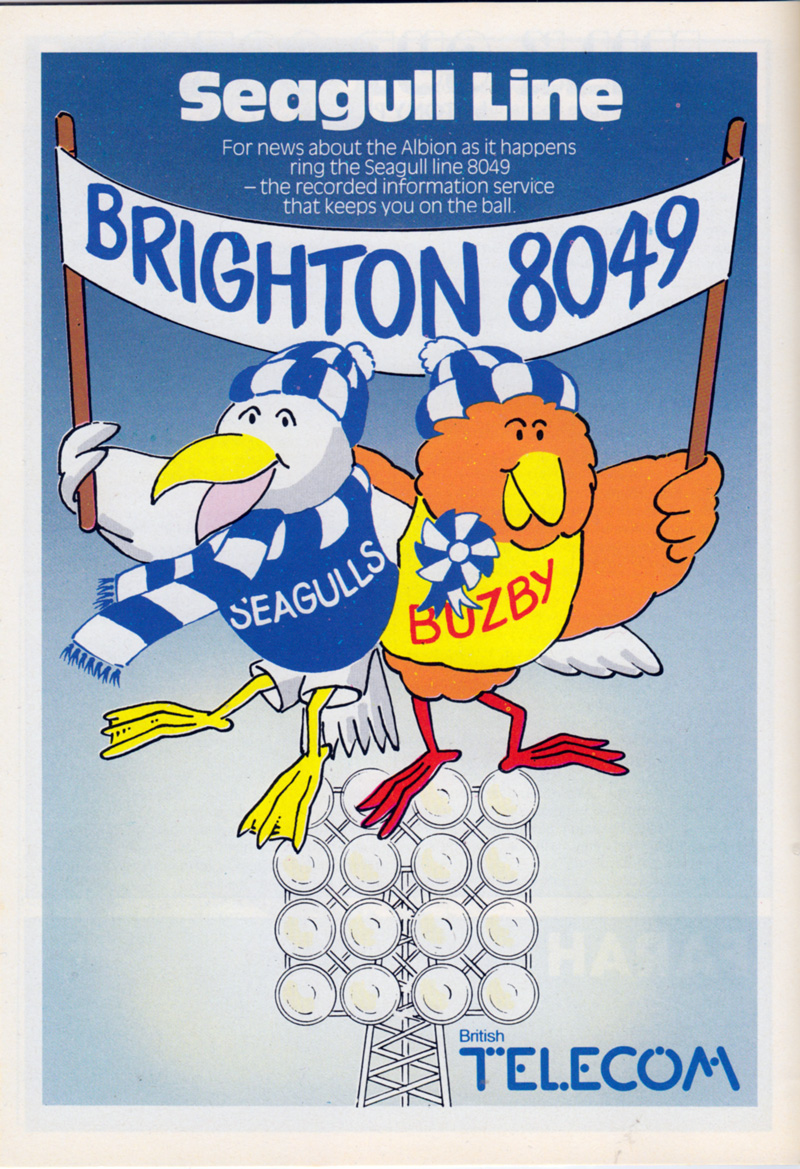
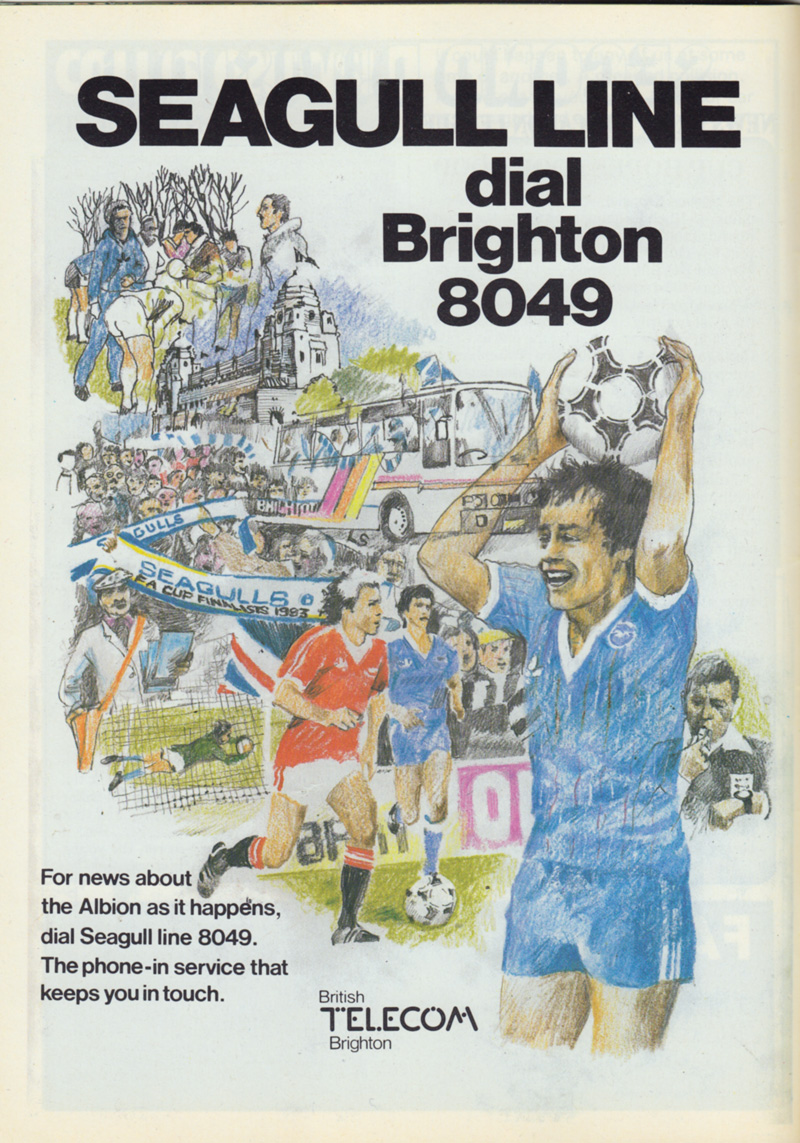
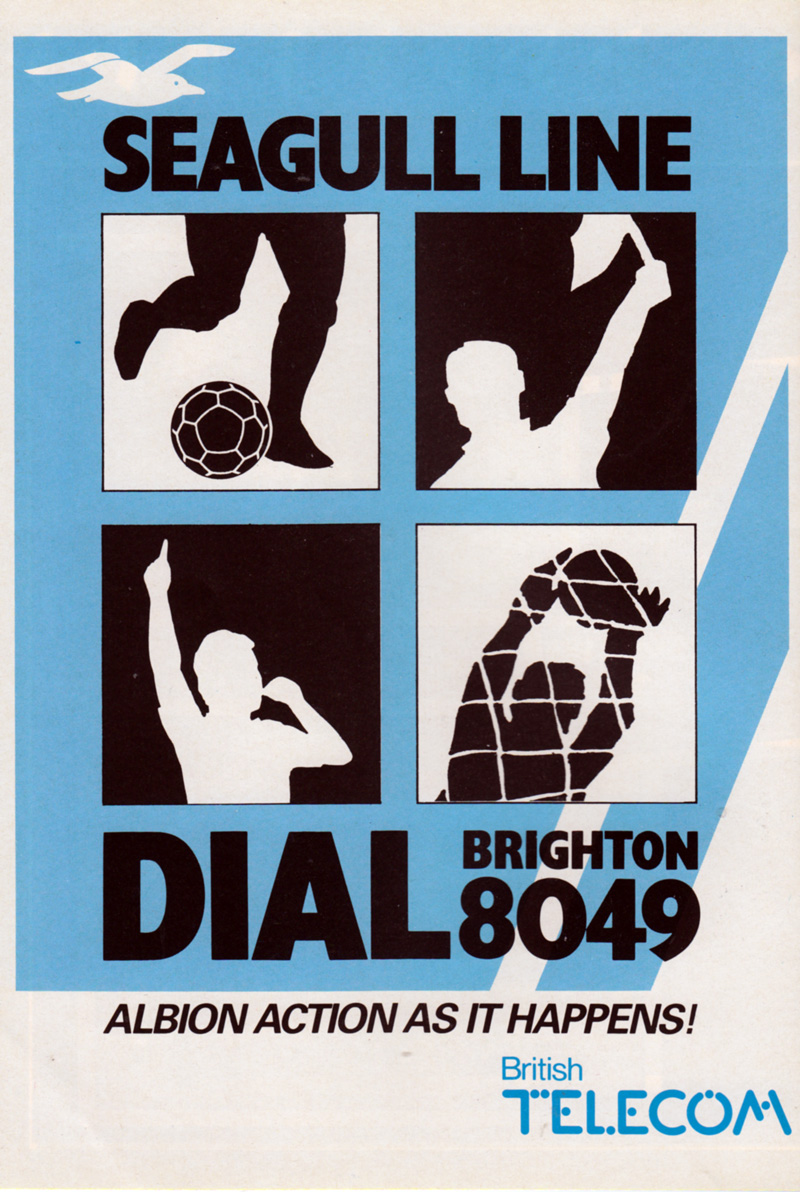
In the days before the internet took hold, finding out the up-to-date news about your club was a lot harder. The Seagull Line, Brighton 8049 was set up by the Post Office on 13 April 1979 and was one of the first of its kind in the country.

In the Brighton v Bristol Rovers programme from that month, it said:

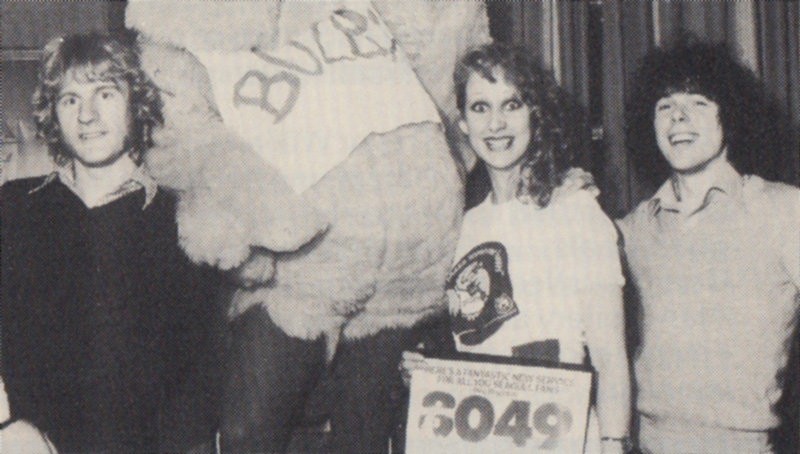
The service started this week and 24 hours a day information may be heard on Brighton & Hove Albion, simply by dialling 8049… remember it rhymes… 8049, the Seagull line. Last Monday at the Adur hotel when our weekly lottery draw was held there was a chance to know just what Buzby is all about and to hear about the Seagull line. Our picture shows Paul Clark and Peter Ward happily accompanied by a young lady who is clearly hoping to ‘Make someone happy.’

Ahem!

With his catchphrase ‘And it’s bad news for the Albion’, often heard when reporting on an away fixture, commentator and programme editor Tony Millard is remembered as the mouthpiece of the premium rate service. He’d begin “You’ve called the Seagull Line on Brighton 8049, that’s the number for Albion information every day… 24 hours a day…” After informing fans of the telephone number that they know about because they’ve just dialled it, he would then precede to waffle on about various matters of little interest, such as how the reserves got on, the groundsman’s opinion on the state of the pitch before next Saturday’s game before… FINALLY!… giving supporters the news they wanted at the end. Devious tactics, Tony!

From the memory of Storer 68 from North Stand Chat:

“You’ve called the Seagull Line on Brighton 8049. The line for Albion information everyday, 24 hours a day. Later we’ll have news from Wembley where the Albion were playing Manchester United in the F.A. Cup final, but first, the results of Seagull Lottery number 762 drawn by assistant physio Mike Yaxley at the Swan pub in Falmer…”

With the high calls costs incurred, there are several stories of young Brighton followers getting into trouble with their parents for running up huge phone bills. Some fans even reminisce about their parents suspecting that they were calling premium rate sex lines! The mums and dads were only persuaded otherwise by calling the number themselves, ‘although Millard did breathe quite heavily if I recall,’ adds Easy 10, another Albion supporter.

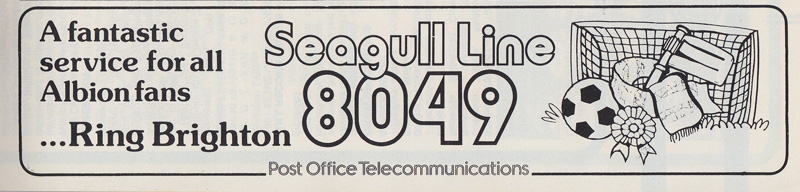
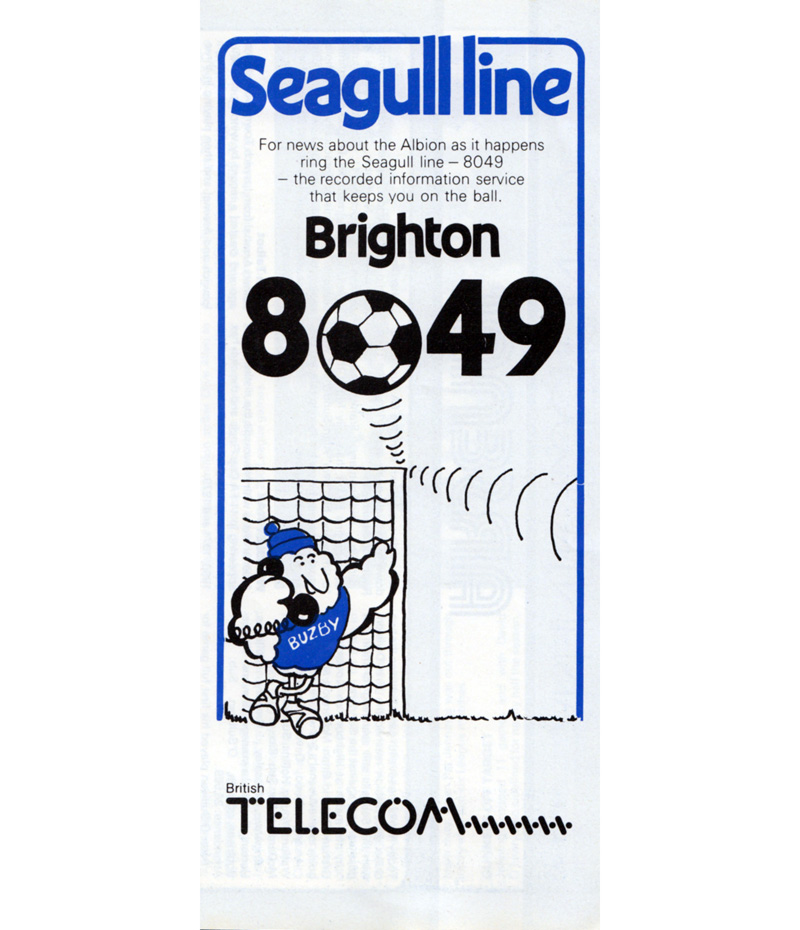
Even though it was a premium rate service, this rather significant detail did not feature in the adverts in the matchday programme. Neverthless, some wonderful artwork appeared advertising the service. Seagull Line was replaced by a more general, premium rate service called Sussex Sportsline in 1987/88 before making a comeback two seasons later on 0898 and 0891 numbers. Anyway, enjoy this stroll down Seagull Line Memory Lane…

1979/80

seagullsline79-80

1980/81

seagullsline80-81x

1981/82 – 1982/83

seagullsline81-83

1983/84 – 1984/85

seagullsline83-85

1985/86 – 1986/87

seagullsline85-87

Tagged , ,

Warm Up ’85

warmup85

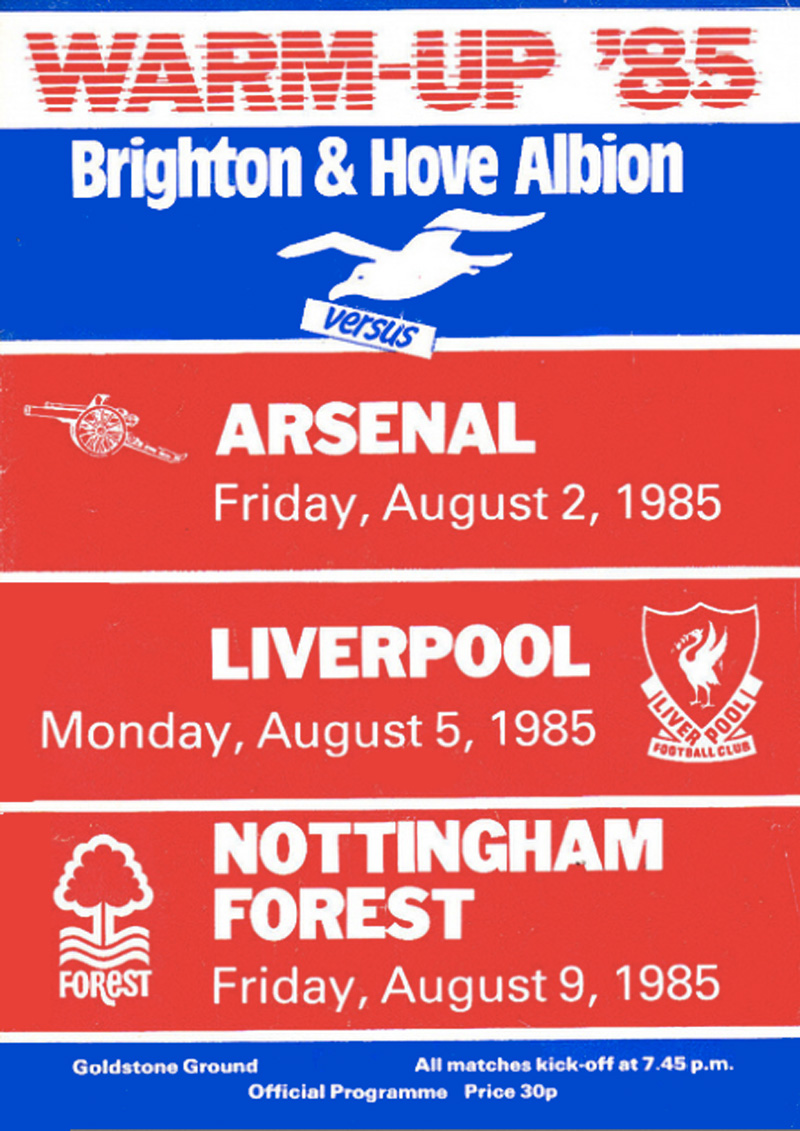
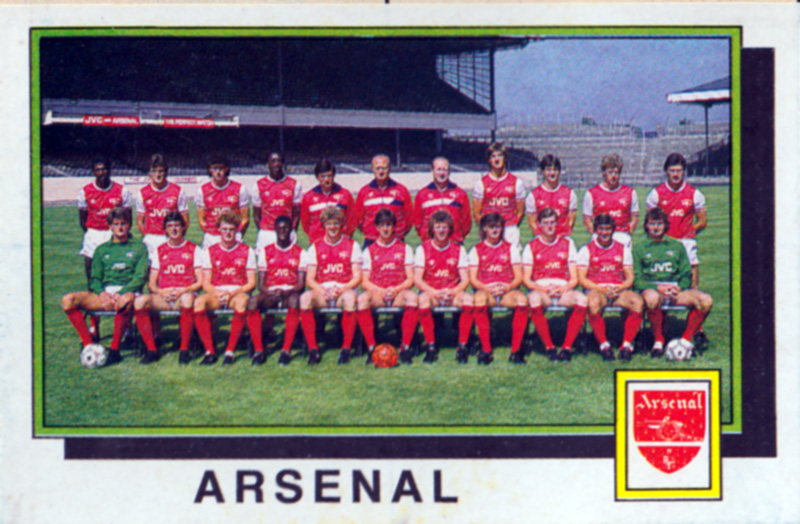
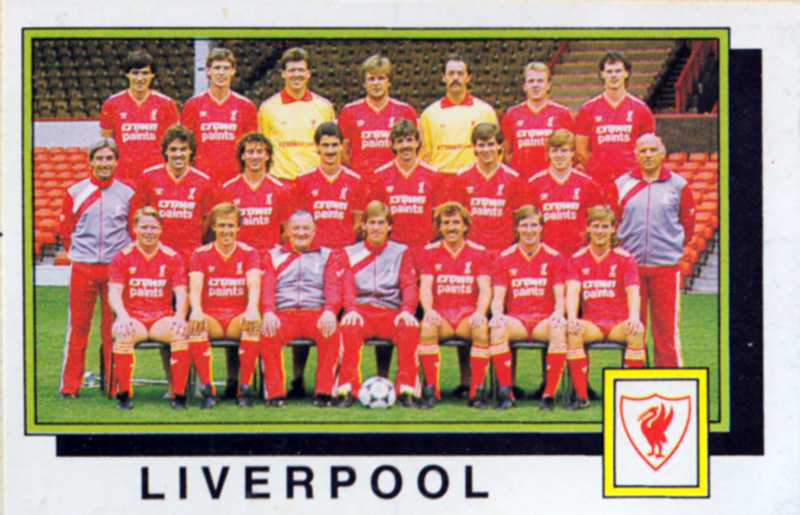
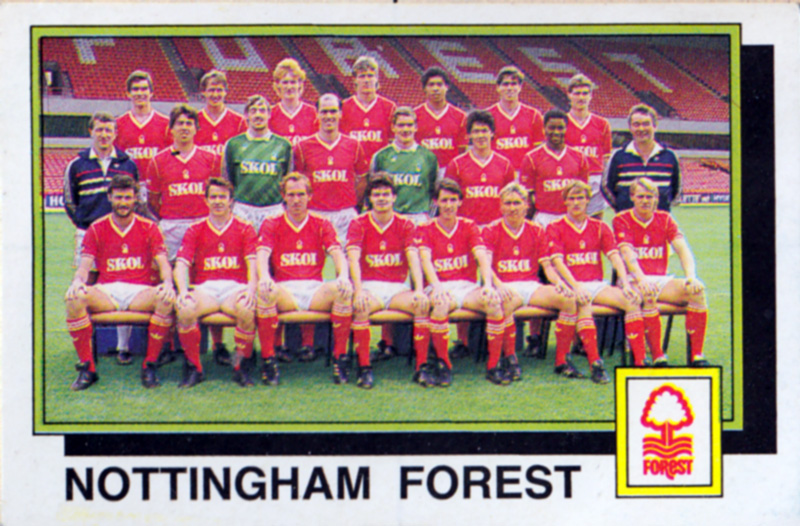
A mouth-watering pre-season programme in the summer of 1985 saw First Division giants Arsenal, Liverpool and Nottingham Forest make the journey to the South Coast.

With the help of some Panini stickers from ‘Football 86’, I will let the words of Tony Millard from the Brighton v Grimsby programme from 1985/86 give you a sense of how Second Division Brighton fared against the big boys:

warmuparsenal

The first home game was against Arsenal on Friday August 2. A full-strength Gunners side came to the Goldstone, and among their substitutes was Martin Keown who is now back at the Goldstone on loan. Albion played with the wind and rain behind them in the first-half, and took the lead with a cracking goal from Dennis Mortimer. The former Villa man certainly looked the part when he gave John Lukic no chance in the Arsenal goal.

A defensive slip that saw Graham Moseley stranded gave Paul Mariner a simple chance to put Arsenal level, and a header from Stewart Robson provided the winner for the Londoners after the interval. They might have netted a third, but Charlie Nicholas missed from the spot after Eric Young had been penalised.

warmupliverpool

The biggest pre-season crowd turned out for the game with Liverpool on Monday, August 5. With new manager Kenny Dalglish also in action as a player, it was a full strength Liverpool side that was looking for revenge against the club that had, twice in three seasons, knocked them out of the FA Cup.

It took Liverpool just seven minutes to take the lead, with Dalglish playing a 1-2 with the Dane Jan Molby, before slotting home from some eight yards. Molby was also involved in the second goal. A precision pass set Steve Nicol away on the right, and he made no mistake. Before the interval it was perhaps predictable that Ian Rush would find the net. Dalglish took advantage of defensive hesitation, Rush showed typical perception and nodded in from only two yards out to score a third for Liverpool.

The fourth too came from Rush, once again Dalglish was the architect, and the Welsh striker found space-a-plenty in the Albion area.

Albion scored a late goal through Steve Jacobs, by now pushing forward in midfield, but by then Liverpool had shown that they will once again be among the best this season.

warmupforest

Albion reserved their best for last Friday at the Goldstone when they walloped First Division Nottingham Forest 5-2. The match was a real thriller for the fans, and no one except perhaps for Brian Clough and his team, went home unhappy.

Justin Fashanu had an outstanding game against his former team mates. Enforced changes had to be made in Albion’s side. Christ Cattlin had signed 22 year-old defender Gavin Oliver on loan from Sheffield Wednesday. He filled the number five shirt.

Albion took the lead when a short corner gave Mortimer the chance to cross from the right and Biley headed in. That provided the only goal of the first-half.

The second 45 minutes was a real thriller. Steve Hodge put Forest level after the Albion defence had been caught napping. Albion were soon back in front when Steve Jacobs crashed the ball in, after Fashanu had nodded on a right-wing corner. The joy was short-lived when an error by Perry Digweed presented Nigel Clough with a ‘sitter’.

The finale from Albion surely left the Goldstone regulars with an appetite for more. First Martin Keown pushed forward. His run produced a corner which Mortimer floated in, Fashanu’s header caused havoc and Dean Saunders provided the finishing touch.

Danny Wilson grabbed the goal he certainly deserve when Fashanu again provided an important touch, not to mention distraction to the visiting defence, and the final goal came from just about the most powerful shot seen at the Goldstone for years. Fashanu connected from 15 years out. Segers could only parry the ball, and O’Reilly tapped it over the line.

While Chris Cattlin gave his team guarded praise in the press room after the match, Brian Clough declined to be interviewed. The praise from Cattlin was well justified, and the performance of his team has surely whetted the appetite of supporters, to kindle that feeling of anticipation of an enjoyable and productive season ahead.

Tagged , ,

Joe Kinnear’s short stay at Brighton

joekinnear

He is now known as the rather opinionated Director of Football at Newcastle United. Back in the 1970s, though, Joe Kinnear was a classy full-back for Tottenham and the Republic of Ireland, winning four major cup competitions in a glittering career lasting over a decade at White Hart Lane.

When the 28 year-old was signed by Peter Taylor for Brighton, part of the deal involved the defender enjoying a benefit match between his old and new club in March 1976. Tottenham won 6-1 at the Goldstone with Kinnear scoring a consolation penalty. While the score was not to their satisfaction, Brighton fans must have rubbed their eyes in disbelief to see Jimmy Greaves, Rodney Marsh and Terry Venables all appearing for their side.

In ‘Still Crazy,’ his biography with Hunter Davies, Kinnear’s account of his time on the south coast rather unintentionally gives an impression of a pampered professional footballer chasing one final pay cheque. When Peter Taylor departed for Nottingham Forest, new boss Alan Mullery was not impressed with his former team-mate. In Joe’s own words:

I signed for Brighton and Hove Albion in August 1975. The transfer fee was officially £40,000. That’s what was announced, a reasonably average sum for the times, but it was agreed that I would get it all. Normally, with a transfer fee at the time, a player only got a small percentage. I think it was really a sort of thank you, for the years of loyal service. I didn’t get it in one lump sum. It was to be spread over several years, as part of my salary. I paid tax on it all, in the normal way.

We kept on our home in London, in Woodside Park, Mill Hill, at least for the time being. I decided I could commute by train each day to Brighton, getting off at Hove, returning in the afternoon after training. On match days, Bonnie would come to watch me. We’d have a meal in Brighton after the match, then come back to London together. That was the plan.

When I arrived at Brighton for the first training sessions, I did still worry if I’d done the right thing. My pride had been hurt by being transferred. I still wondered if I should have stayed, played in the reserves, fought to get my place back. But I couldn’t have faced the reserves any more.

I knew it was a come-down, going to a smaller club, in a lower division, down in the third division, after the glamour of Spurs. Still, Phil (Beal) had told me the club was ambitious and had a good set-up. It turned out to be not quite what I expected.

First of all, Peter Taylor was hardly there. Dunno where he was, what he was doing, but we only saw him on Fridays after training, then on Saturday at the match.

Second, we didn’t have our own training ground. We’d assemble at the Goldstone Ground, the club’s stadium in Hove, which wasn’t bad, but we rarely trained there. Instead, we’d jog for 15 minutes or so through the streets and do our training on a public park. There would be dogs walking over the pitch, mums with prams. There weren’t even any goalposts. We just had cones on the ground or a pile of bibs.

Third, the coaching was mostly a joke, when you consider it was a so-called professional club with paid coaches. I don’t know how one of the coaches got his job. We called him the Spud Man. We were told that he sold potatoes, that was his real job. Apparently he’d been providing Cloughy and Peter Taylor with potatoes. He had a job as a coach. That’s what we heard anyway. I’m sure it was just a joke. But it was clear all the same that he had little idea about coaching.

In the first season I was there, we did quite well. We were on the fringes of promotion to the Second Division. Then in an away match at Port Vale, I got tackled by their left winger. Not a nasty tackle, but I did my cruciate ligaments. My knee got twisted round, ending back to front. I’d snapped the ligaments. That was it, stretched off.

In fact, the match Kinnear refers to was the last-but-one of the 1975/76 season against Gillingham at the Goldstone in April. Here’s a photo of him being stretchered off in the 70th minute with what was reported by the Evening Argus’ John Vinicombe as a ‘locked knee that could mean a cartilage operation’:
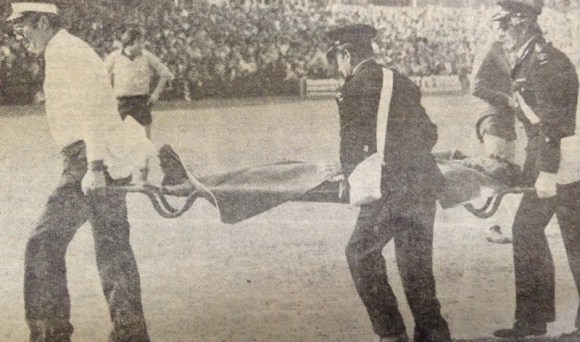
kinnear2

The injury capped a disastrous Easter 1976 for Kinnear. In the game with Millwall, Joe’s calamitous backpass to Peter Grummitt gifted Millwall’s second goal in a 3-1 defeat at The Den. In the match where he got injured, his eighteenth and last for Brighton, Joe had also missed a penalty against Gillingham after Dave Shipperley had handled. He hit the spot-kick to the goalkeeper Phil Owers’ right with insufficient power and the shot turned around the post.

Says Kinnear:

I couldn’t play for six months. I could have had an operation, but I was told the success rate was only 50-50. I did try to come back and started training again. I had my leg all strapped up but I was still limping. Then I had a brace, but it was agony every time and it just swelled up.

I’d begun by then to get on quite well with Peter. He’d call me in to discuss the team, who should be played, the tactics. We chatted generally about ideas, how football should be played, or discussed the opposition, the strengths and weaknesses. I did tell Peter that I fancied going into coaching. He was quite encouraging.

Then he left. I’m not sure if he got the sack or just packed it in. But anyway, that was it, he was gone.

If I’d been stronger at the time, as a person, and more confident, I might have asked what the chances were of me being considered for manager. But I didn’t say anything, I didn’t push myself forward. The chairman, Mike Bamber, did call me in and told me who they were thinking of appointing – Alan Mullery. He asked me what he was like, as I’d played with him at Spurs. I said his pedigree is terrific – Spurs captain, England captain – can’t get a better CV than that.

So he was appointed. I was looking forward to working with him again – I hoped that as I knew him, and had been his team-mate, he’d give me some sort of coaching job. That was my hope. But then when he arrived he’d brought his own coaching staff.

Kinnear never featured in a game under Mullery and instead left Brighton for Woodford Town becoming player-manager. Who knows how things would have turned out if the Eire international has become one of the coaching staff at the Goldstone? Would he have been with a chance of eventually progressing to the manager’s hot-seat at Brighton? Impossible to say. However, if you are puzzled as to why the new boss was not impressed enough to offer Kinnear a coaching job, you can find the answer in Mullery’s ‘An Autobiography’ from 1985:

“A few old pros had heard that under Taylor and Clough there was a few bob about and it was up to me to get rid of the driftwood, keeping the players I wanted and bring in some youngsters. It wasn’t an easy time and a few of the senior stars gave me a rough ride. Kinnear was the worst and, after watching him play in a friendly at Maidstone, I accused him of still behaving as if he was at Tottenham or in Europe and I ordered him to lose a stone in weight. We had a number of rows and so I threatened to end his contract only to discover from secretary Ken Calver that the club owed him £18,000. He continued to rebel and eventually left the club without getting all his money.”

So, that was that. Mullery won his first real test as a manager. Kinnear, for his part, proved to be a very different character as Wimbledon boss to his lackadaisical approach as a player, relying for much of his managerial success on his ability to motivate his players. In terms of priorities, at least this was something he and Mullery could both agree upon!

Tagged , ,