Author Archives: Goldstone Rapper

High-flying Seagulls come down with a bump

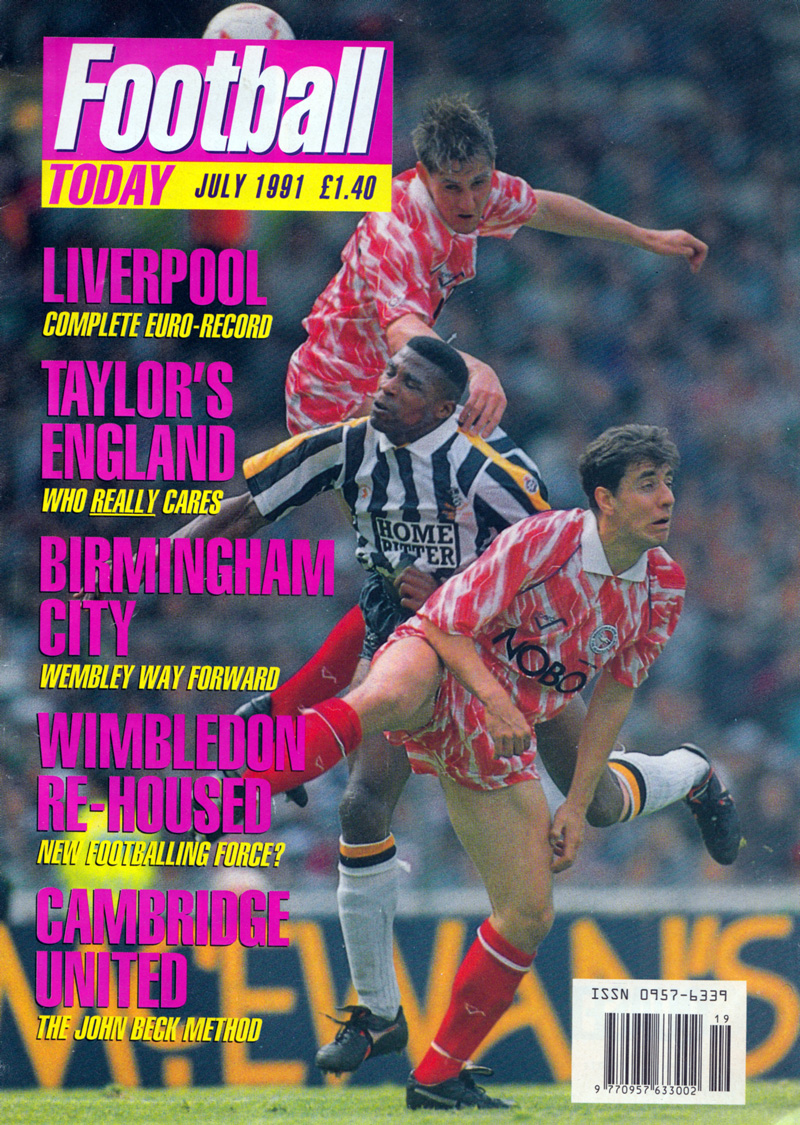
A magnificent cover for Football Today magazine in July 1991:

gary chivers, nicky bissett

High flying action as Nicky Bissett and Gary Chivers battle against Notts County’s Dave Regis in the 1991 Play-Off Final at Wembley.

Inside the magazine, the round-up reports that Mark Lawrenson has started work as a PFA advisor to players on contracts, signing on fees, transfers and pensions ‘proving to players that they don’t need the services of an expensive agent. Their own union will do it for them.’ It also reports that Lawrenson has started playing for Corby in the Beazer Homes League as well as renovating a pub in Oxfordshire.

Tagged , ,

Sammy’s double puts Palace on the rocks

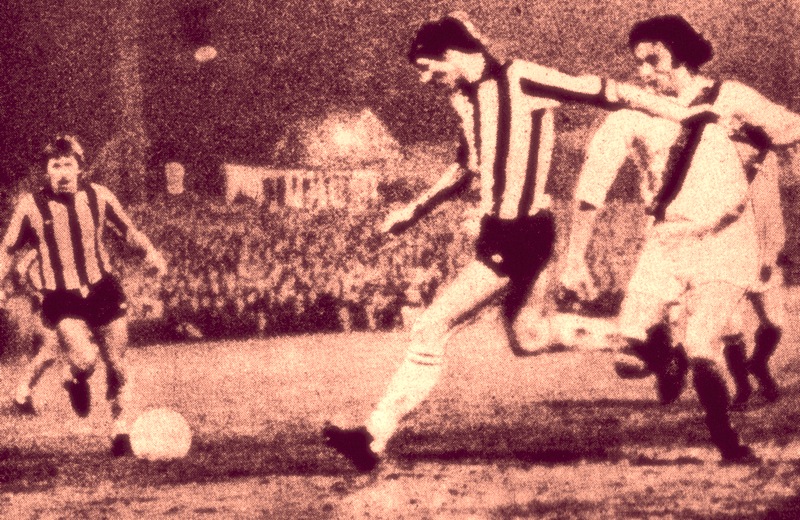
After spells with Port Vale and Aston Villa, the Northern Ireland centre-forward Sammy Morgan joined Brighton in December 1975. Although a regular in the Albion side, it took him under the Goldstone clash with Crystal Palace on 24th February 1976 for him to get on the scoresheet. Here’s how Jack Steggles of the Daily Mirror reported the action the following morning:

sammymorgana

Irish international Sammy Morgan last night repaid a large chunk of his £35,000 transfer by shooting the goals that brought Brighton’s dream of Second Division football a step nearer.

The goals were Morgan’s first since he joined Brighton from Aston Villa eight games ago. And he could not have chosen a better time to score them.

The victory lifted breezy Brighton into second place and proved another League setback for poor Palace who have now notched just one win in their last 12 matches.

Morgan struck his first blow in the 13th minute to set the full house crowd of 33,300 – Brighton’s biggest for four years – roaring.

A long cross from Ernie Machin was headed on by Ian Mellor and Morgan darted in behind a static Palace defence to apply the killer touch.

And in the 55th minute Morgan did it again.

This time Tony Towner set it up with a probing run deep into the heart of the Palace defence.

His final shot was kicked away by Paul Hammond – and Morgan had the rebound in the net in a flash.

Brighton’s delighted manager Peter Taylor said: “In view of the tremendous tension and atmosphere generated by the crowd I thought we gave a magnificent performance.

Palace are still a skilful side and I have no intention of knocking them.

“I am delighted for Morgan. It must have given him a great boost to get a couple of goals like this.”

Palace boss Malcolm Allison put on a customary bold face, and predicted his faltering side would still win promotion.

He said: “It was an excellent match for the third division and I have no doubt that we will still go up.”

Palace have often claimed, with justification, that they were superior to most of the teams who have beaten them during the deplorable League run that has put their prospects of promotion in grave danger.

They could offer no such argument last night. Brighton were worth their victory – for the basic reason that they were prepared to work much harder.

Palace, in patches, showed some of their smooth skills.

But they seemed to turn their noses when the going got rough – and in the Third Division that is tantamount to signing your own death warrant.

Brighton had the game’s outstanding individual in Welsh international Peter O’Sullivan, who turned in a glittering midfield performance.

By comparison Palace’s England Under-23 star Peter Taylor had a disappointing return from a two-match suspension.

Taylr made little impression as Brighton bustled Palace out of their stride and Palace’s frustrations were shared by an unruly section of their fans.

Louts wearing Palace colours hurled smoke bombs and metal objects onto the pitch after Morgan’s goals.

Referee Ron Challis threatened to abandon the game and police moved in with dogs to restore order.

It was only fair to Brighton that the police did win their battle for it would have been criminal if their hard earned victory march had been checked.

The win completed a league and up double over Crystal Palace, with Albion having won 1-0 at Selhurst Park earlier on in the 1975/76 season.

Growing in confidence and sharpness, Morgan went on to hit five goals in five matches in a prolific spell in March as Albion strode confidently towards promotion. However, the debut and form of Peter Ward put the Northern Ireland striker’s starting place in jeopardy. Never Albion nor Palace gained promotion from Division Three in 1975/76, with Brighton undone by their away record and Palace distracted and overstretched by their impressive FA Cup run that took them to the semi-final.

When the new campaign was in sight, Morgan got off to a bad start in the Alan Mullery era, fracturing a cheekbone in a pre-season friendly with Luton in August 1976. When he recovered, he was unable to break the winning Ward-Mellor partnership and, as a consequence, was a perennial substitute. He was sold to Cambridge in August 1977 for a £15,000 fee.

sammymorgan2

Tagged

Thank heaven. Four little goals!

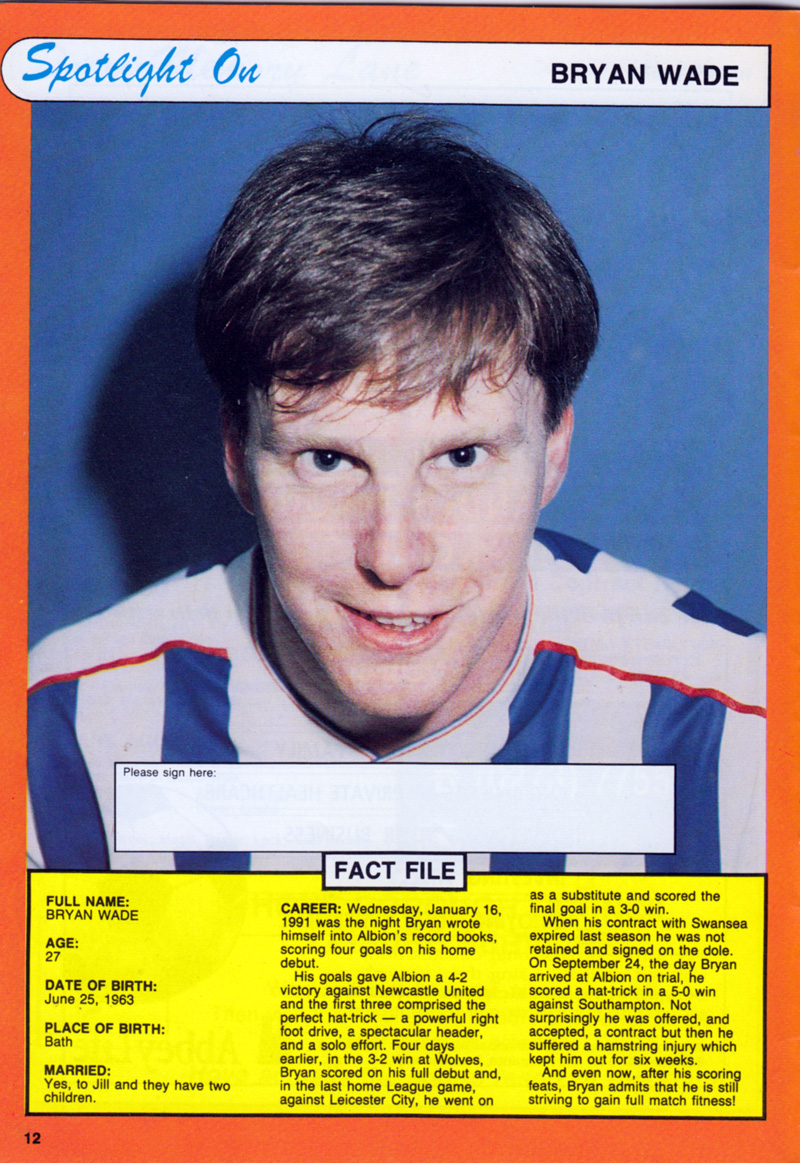
Pint-sized striker Bryan Wade is profiled in the Brighton v Oldham programme from 1990/91:

bryanwade

Legend has it that he scored ‘four goals on his Albion debut’ but ‘was not really used by Barry Lloyd, who preferred the Byrne and Small partnership for the rest of 1990/91’. The reality is rather more complicated.

After playing for his home-town club, Bath City, and a spell with Trowbridge Town, he joined Swindon where he scored ten times when the Robins clinched the Division Four championship in 1985/86. The forward then had a spell with Swansea City before being released at the end of 1989/90. After a stint at Haverfordwest, he was given a trial with the Seagulls at the Goldstone by Barry Lloyd in September 1990. Wade scored a hat-trick in a 5-0 demolition of Southampton in the reserves and was offered a contract the following month.

Wade made it on the first team bench five times in the autumn, eventually coming on for John Crumplin in the 2-3 home defeat to Middlesbrough on 27th October 1990. However, hamstring problems halted his first team involvement but, after a break, he was given a starting place at Wolves on 12th January 1991. He responded with this headed goal:

Sensationally, he then hit all four Brighton goals in a legendary home debut performance against Newcastle four days later, on the day the Gulf War began in earnest:

Unsurprisingly Wade kept his place but his run in the side did not produce any further goals. After a 3-0 win over Watford, he gave this interview:

He appeared in the FA Cup clash at Anfield but was substituted. His contribution in 1990/91 thereafter was mainly from the bench, but he proved to be no supersub. The following season, with Albion battling relegation, Wade started seven League games and scored three goals. Again, this was a pretty impressive goal ratio but following Albion’s relegation, Wade was released. A knee injury marked the end of full-time football for him and he played for Frome Town before returning to Trowbridge.

Tagged

The Mullery effect

You may remember that Football 78 was Panini’s first sticker album covering all the First Division clubs. Strangely, in the coverage of Division Two, Brighton’s team sticker featured the Third Division squad for 1976/77:

panini78

In a piece for Shoot! magazine, Alan Mullery gave some insight into how he re-shaped the Albion in his first season at the Goldstone:

I wasn’t in charge at Brighton when they just missed going up last season. But I could still tell everyone was mighty disappointed from the long faces when I took over.

With eight games left – and I was watching Brighton closely last year without, of course, dreaming I’d be their manager within months – Brighton were second and looked certainties to go up. But then they suddenly lost their form at the vital time and won just one of their last eight games. That decided it and they finished fourth, missing promotion by just three points.

The main thing I wanted to know when I took over was how a side could be so good at home and so terrible away. Three of the teams relegated from Division Three last season had better away records so something was wrong somewhere. Brighton’s home record was the best in the Division so we obviously needed some character instilled into the side.

I suppose I changed six positions.

Peter Ward had only played six games last season but he was a regular right from the start this season.

Ian Mellor only played nine League games while Tony Towner was moved farther forward: Steve Piper moved to midfield from the back and I brought in Graham Cross and Chris Cattlin, two highly experienced professionals, to give us some know-how at the back [both were Taylor signings].

I think it has worked well. We are now averaging about a point a game away which is very acceptable. I’m still looking to make the side a better one – just because we’ve been in the top three all season doesn’t mean we’re world-beaters.

We’re not sitting back and saying everything is fine. And there’s no doubt the best time to bring in new players is when you’re at the top of the table, not struggling at the bottom. I want to improve us all-around as a side but I think we’re well on the way to overcoming some of the problems which cost the club promotion last year.

Players like Cattlin, Cross and Brian Horton have the character and fighting instinct to keep working when things are going against them away from home. That’s what I wanted to get into the side and we have benefited from that. Whether we go up is up to us – no one else. One thing is sure – I feel we have more character and a better set up in those crucial away matches this season. And it’s invariably your away results that decide whether you taste success or disappointment.

Brighton had picked up a meagre 14 points away from home in 1975/76 (W4 D6 L13), but turned things around slightly the following campaign with 20 points (W6 D8 L9). It was still not much to shout about. However, allied to the Albion’s astonishing home record where they attained 41 points (W19 D3 L1), and it was enough to seal promotion. No wonder Mullery (below) was so happy:

mulleryflowers2

Tagged , , , ,

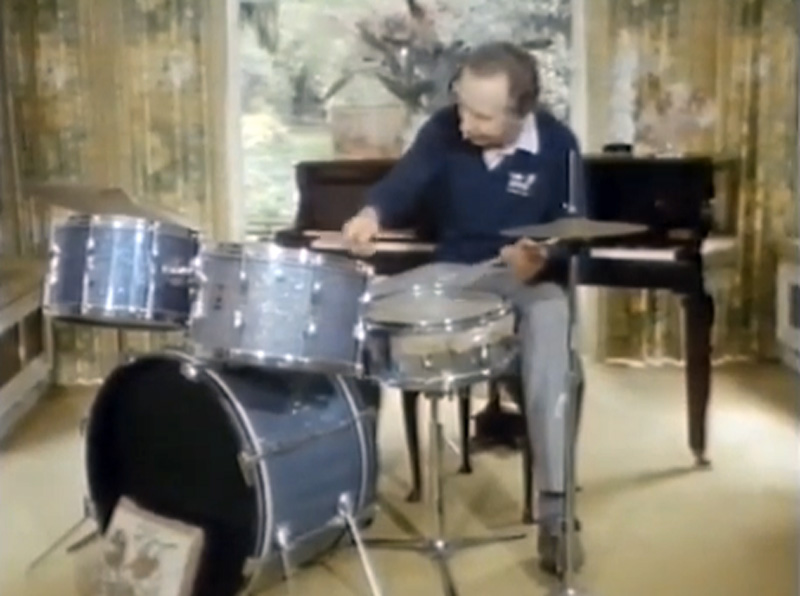
Mike Bamber – jazz drummer

Did you know Mike Bamber, the Brighton chairman of the 1970s and early 1980s, could play the drums?

mikebamberjazz

Me neither, until I saw this video:

Tagged

Seagulls soar over Anfield

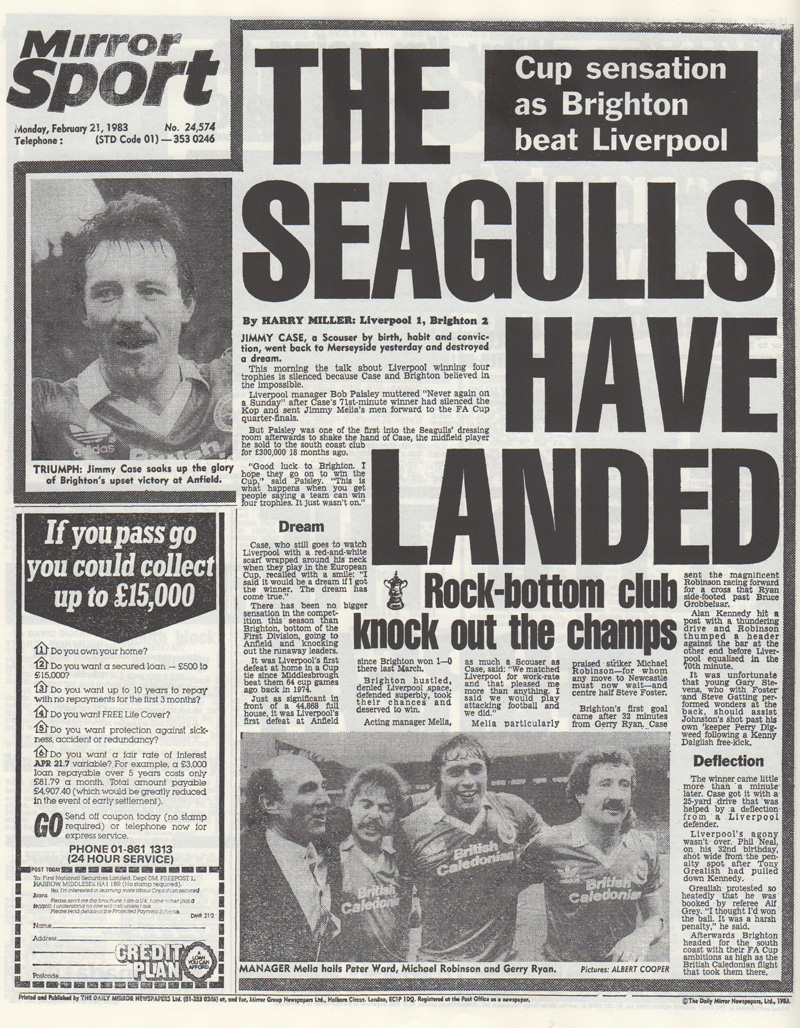
The Daily Mirror’s headline, ‘The Seagulls have landed’, captured the moment that Brighton truly arrived as movers and shakers in the FA Cup by beating Liverpool at Anfield on 20th February 1983:

liverpoolmirror

By HARRY MILLER:
Liverpool 1, Brighton 2

Jimmy Case, a Scouser by birth, habit and conviction; went back to Merseyside yesterday and destroyed a dream. This morning the talk about Liverpool winning four trophies is silenced because Case and Brighton believed the impossible.

Liverpool manager Bob Paisley muttered “Never again on a Sunday” after Case’s 71st-minute winner had silenced the Kop and sent Jimmy Melia’s men forward to the FA Cup quarter-finals.

But Paisley was one of the first into the Seagulls’ dressing room afterwards to shake the hand of Case, the midfield player he sold to the south coast club for £300,000 18 months ago.

“Good luck to Brighton. I hope they go on to win the Cup,” said Paisley. “This is what happens when you get people saying a team can win four trophies. It just wasn’t on.”

Case, who still goes to watch Liverpool with a red-and-white scarf wrapped around his neck when they play in the European Cup, recalled with a smile: “I said it would be a dream if I got the winner. The dream has come true.”

There has been no bigger sensation in the competition this season than Brighton, bottom of the First Division, going to Anfield and knocking out the runaway leaders.

It was Llverpoors first defeat at home in a Cup tie since Mlddlesbrough best them 64 cup games ago back in 1974.

Just as significant in front of a 44,868 full house, it was Liverpool’s first defeat at Anfield since Brighton won 1-0 there last March.

Brighton hustled, denied Liverpool space, defended superbly, took their chances and deserved to win.

Acting manager Melia, as much a Scouser as Case, said: “We matched Liverpool for work-rate and that pleased me more than anything. I said we would play attacking football and we did.”

Mella particularly praised striker Michael Robinson – for whom any move to Newcastle must now walt – and centre half Steve Foster.

Brighton’s first goal came after 32 minutes from Gerry Ryan. Case sent the magnificent Robinson racing forward for a cross that Ryan side-footed past Brace Grobbelaar.

Alan Kennedy hit a post with a thundering drive and Robinson thumped a header against the bar at tne other end before Liverpool equalised in the 70th minute.

It was unfortunate that young Gary Stevens, who with Foster •and Steve Gatting, performed wonders at the back, should assist Johnston’s shot past his own ‘keeper Perry Digweed follov~ng a Kenny Dalglish free-kick.

The winner came little more than a minute later. Case got it with a 25-yard drive that was helped by a deflection from a Liverpoot defender.

Liverpool’s agony wasn’t over. Phil Neal, on his 32rd birthday, shot wide from the penalty spot after Tony Grealish had pulled down Kennedy.

Grealish protested so heatedly that he was booked by referee All Grey. “I thought I’d won the ball. It was a harsh penalty,” he said.

Afterwards Brighton headed for the south coast with their FA Cup ambitions as high as the British Caledonian flight that took them there.

In case you haven’t seen the 46 minutes of highlights on YouTube, here I have spliced it with commentary from Tony Millard and Stephen Rooke of Radio Brighton:

Tagged , ,

Geard for success?

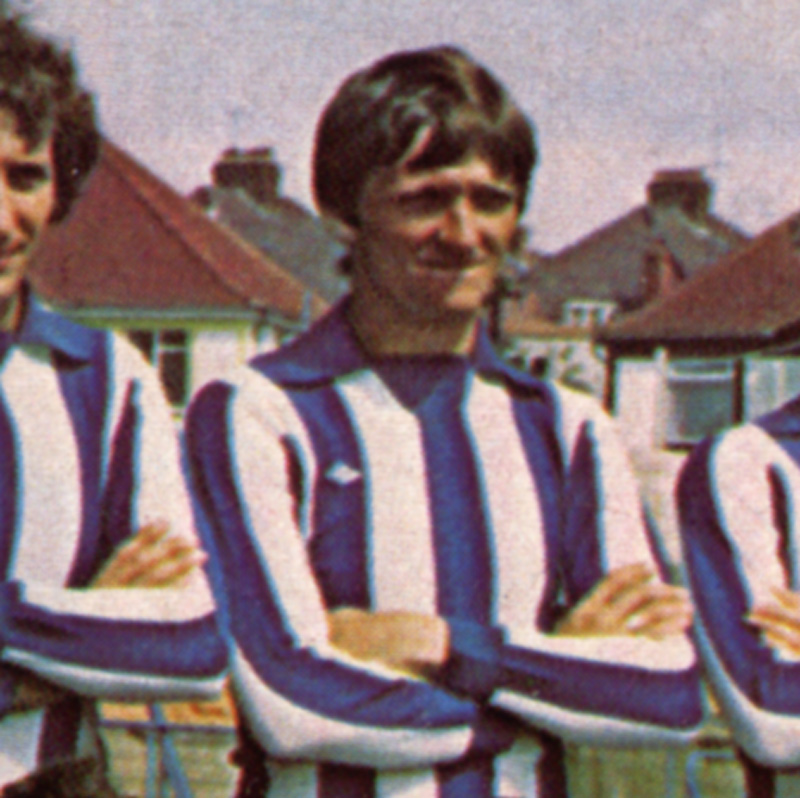
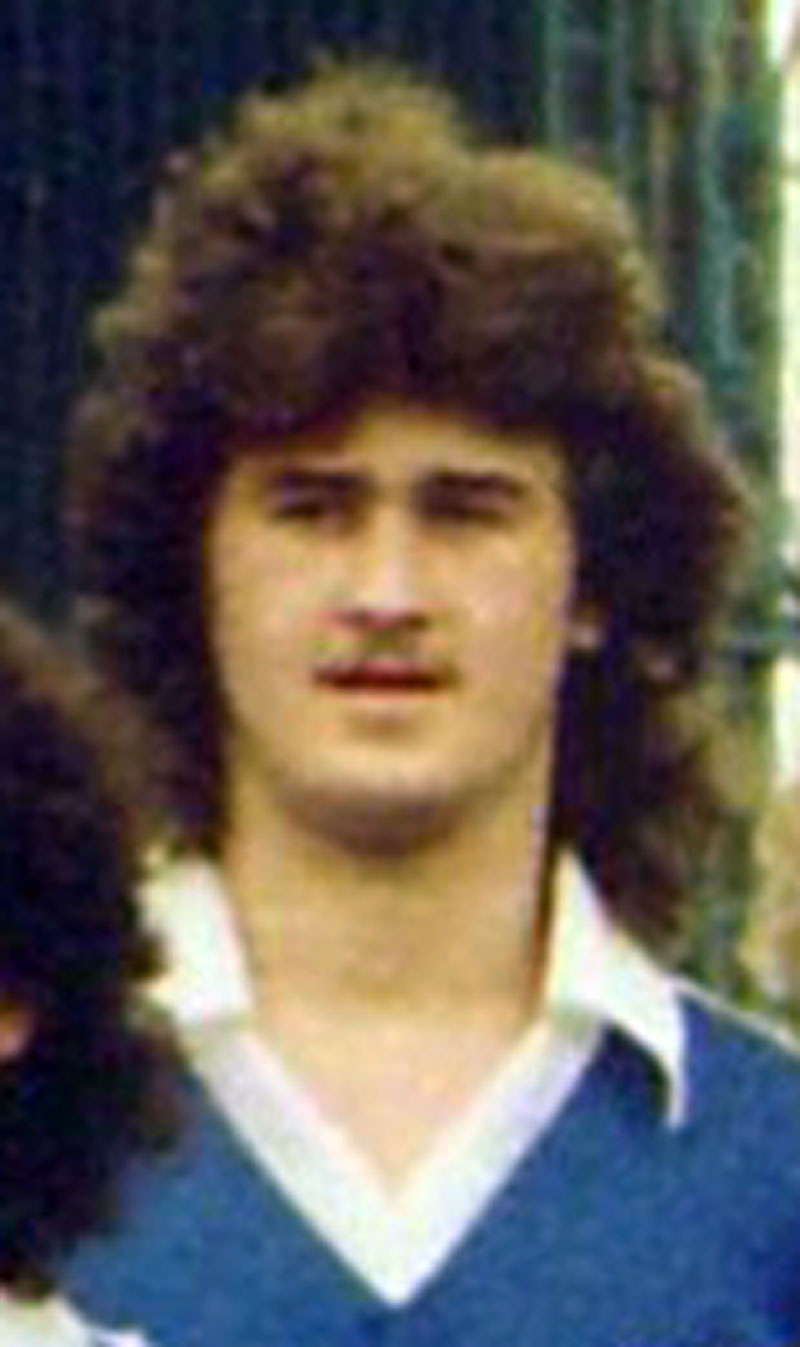
In the 1977/78 season, the Brighton programme featured page profiles of its first team. In the Albion v Burnley edition on 11th February, it spotlighted rising star Glen Geard who had joined Brighton in October 1976 as an apprentice. He turned pro in the same month as this feature, although this bubble perm was to come a little later:

glen geard

Most of the players already featured in this series are regulars in the first team but always at any Football League club there are youngsters waiting in the wings for an opportunity to make their name.

One such young man is Glen Geard who, although not born in Brighton, is very much locally bred. Glen was in fact born in Malta on February 25, 1960, but was educated in Brighton. He spent his junior days at Bevendean School and then went on to Patcham Fawcett, a school very much to the fore in local football.

A single man, Glen lives at home with his parents and sister Julie and he also has a married brother, Damon. At schoolboy level he represented both Brighton and Sussex Boys and went on to trials with the England Boys side although not being lucky enough to receive a cap.

Very much an all-round sportsman, Glen represented his school at rugby, basketball and athletics as well as football. He joined the Albion after a spell with Lewes who at that time were in the Athenian League.

As befits a youngster on the Goldstone staff, his first ambition is to play first team football for the Seagulls and he also hopes that one day he may be good enough to play for England. For a young man not yet 18, he certainly has a promising career in front of him.

Musically, Glen is a fan of Stevie Wonder and the Stylistics and from the world of films Clint Eastwood and Charles Bronson are his favourite stars. Steak and Chicken are his favourite foods and, as yet none too widely travelled, a home loving Glen says England is his pet country.

The next stage in this ambitious young man’s career is first team football and that, says Glen, is a chance he is eagerly awaiting… there are many youngsters in Brighton who would like to have come as far as he has already… here’s one who hopes to go a little further.

Wild hair for a wild child

Wild hair for a wild child

After impressing for the reserves, Geard eventually made his debut, starting in the number 7 shirt in a dreadful 4-0 League Cup 4th Round replay defeat to Arsenal at Highbury on 13th November 1979. He was eventually substituted, with Gerry Ryan coming on.

Seen by many people as a truly gifted midfield player, Geard’s attempt at becoming a hard man proved to be part of his undoing. Alan Mullery once tipped Geard for a full England cap. However, poor discipline led to the wayward pro being handed a free transfer by the Brighton boss in March 1981.
In 1981/82, he joined Horsham, becoming top scorer in the League with nine goals from 40 matches. He also masterminded a famous comeback in the FA Vase, scoring twice as the Hornets came back from 3-0 down against Hastings to force a draw. In the replay, Geard got the winner in a 3-2 victory.

Because of good form, Geard was given a second chance by Albion boss Jimmy Melia in 1983 but he did not make the most of his second chance.

According to
one source on North Stand Chat, Geard’s view of himself is that he ‘wasted his talent.’

As well as Horsham, he hotheaded midfielder played for many local sides in Sussex including Whitehawk, Eastbourne United, Worthing, Southwick, Shoreham, Crawley, Lewes and Littlehampton, before embarking on a managerial career.

When he left as Ringmer boss in 2002, having felt let down by many of the players, he said:

To be honest I’d like to get my boots back on and play against a few of them.

Tagged

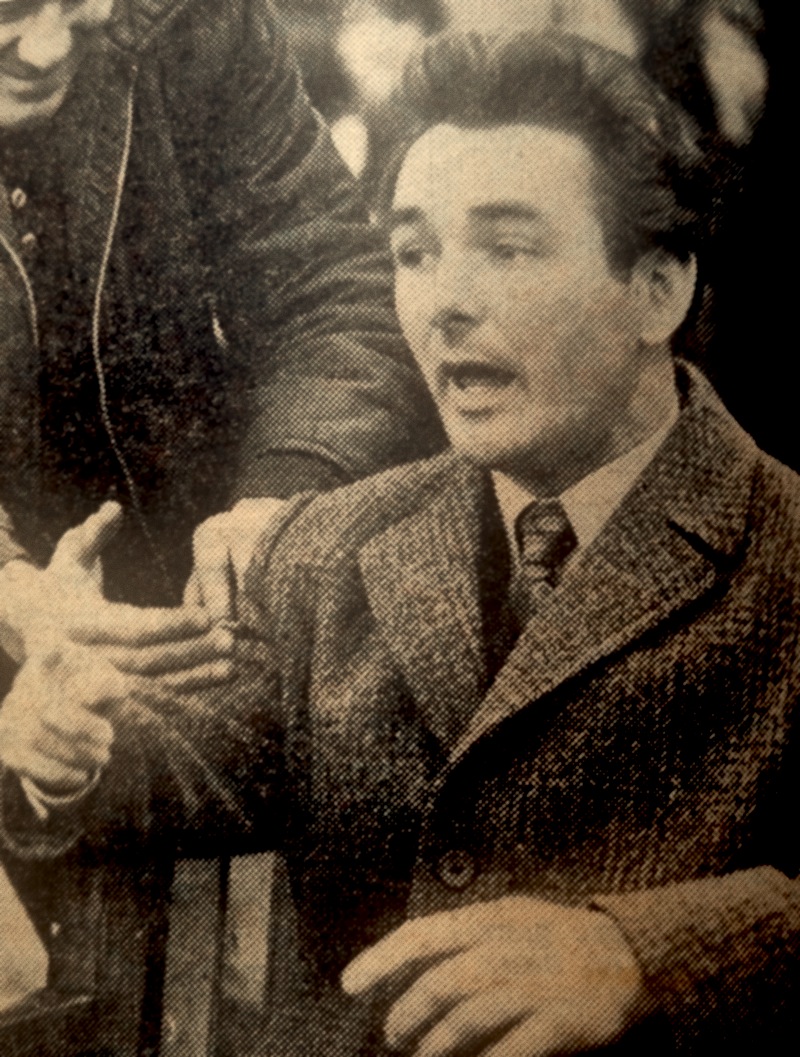
Clough’s wheeling and dealing

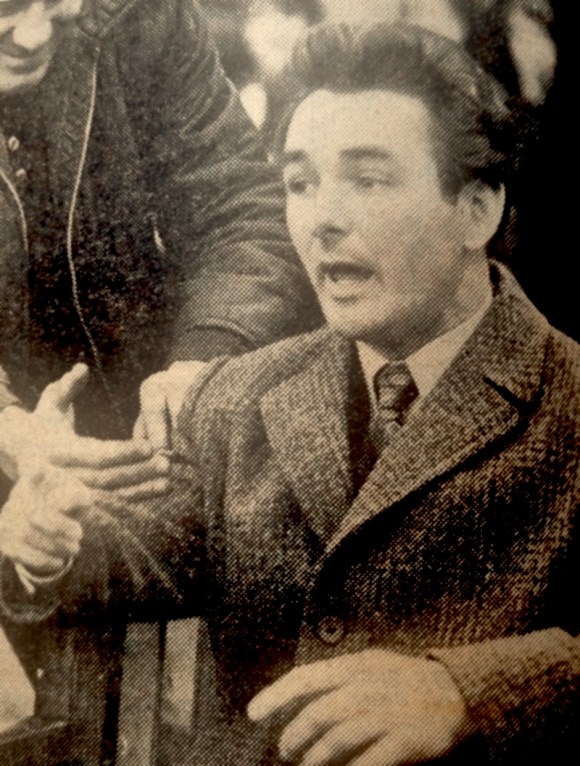
clough73a

After achieving their first Brighton win, a tight 1-0 victory over Walsall in November 1973, Brian Clough and Peter Taylor had to endure two grim 0-0 draws before an atrocious run of five successive defeats including the infamous capitulations against Walton & Hersham (0-4) and Bristol Rovers (2-8). They then watched further defeats to Tranmere (1-4), Watford (0-1) and Aldershot (0-1).

With Albion morale at an all-time low in November and December, Clough and Taylor set about bolstering the squad. After the annihilation by Bristol Rovers, Clough told Brian Moore on The Big Match:

‘No one’s going to panic Peter Taylor and I into doing something we don’t want to do. If we have to sit through 8-2 defeats for the next six weeks before the type of player we requires comes on the market we’ll do just that.’

In the end, they did make signings. The only problem was that the pedigree of their captures was not the kind to set pulses racing. Still, most of them did a sound job as Albion sought to escape the relegation zone.

York keeper Ron Hillyard had already joined the Albion on loan to cover Brian Powney. This was before the accomplished Peter Grummitt, another loanee, arrived to become first choice as keeper after the Rovers debacle, quickly making his debut in a 4-1 pasting at Tranmere.
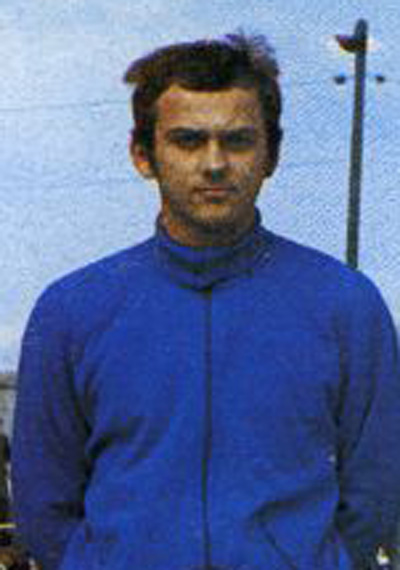
goodeveThen reserve central defender Ken Gooveve, aged 23 (left), was signed for £20,000 from Luton Town. Not completely unsurprisingly, for player who had only played fifteen times for the Hatters in three years, Goodeve’s form was patchy to say the least. As John Vinicombe commented in the Evening Argus:

The chief disappoint so far has been the failure of Ken Goodeve to recapture his Luton form. Goodeve, who started in the back four with Albion at Tranmere, has subsequently appeared in midfield and so far not made his mark.

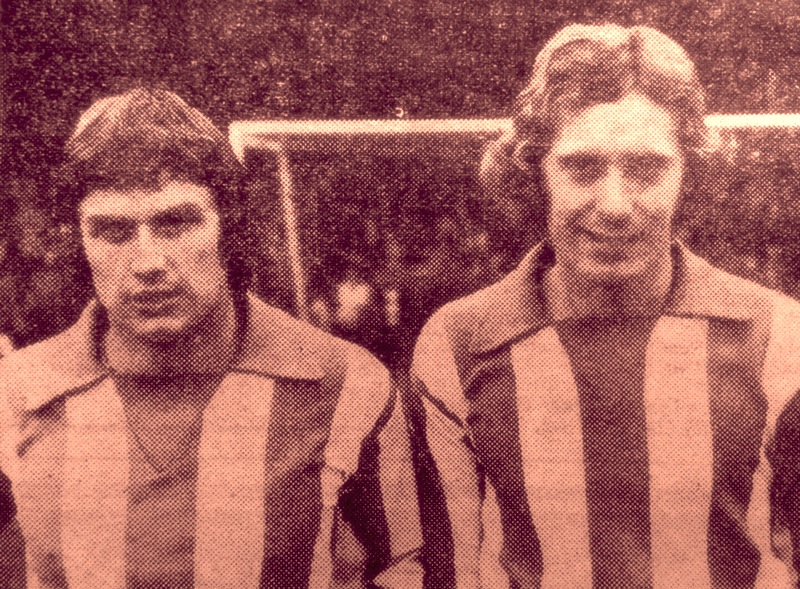
With a lack of proven quality on the market, especially for the money that Brighton could afford, Clough and Taylor had little choice but persist with a policy of signing other teams’ reserves. Before the narrow home defeat to Aldershot on Boxing Day, they also made a double swoop for midfielder Ronnie Welch, 21 (below left), and left back Harry Wilson (below, right), 20, from Burnley, for £70,000:
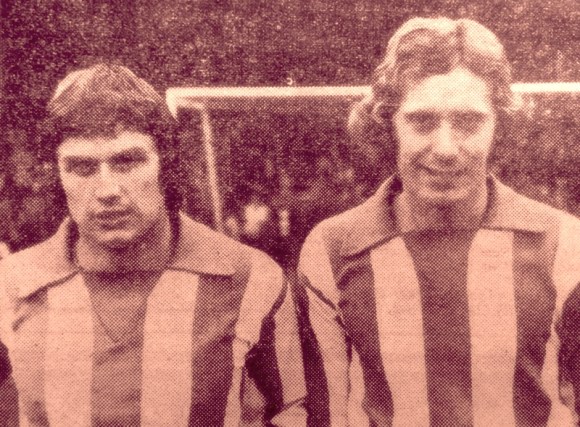
welchandwilsona

Early signs of both ex-Burnley lads were promising. Wilson acquitted himself well in his debut against Aldershot. After a subdued first-half Welch had a storming second half against the Shots, impressing with his energy.

On 29th December 1973, this reshaped Albion side finally arrested their decline with an encouraging 1-0 victory over Plymouth with Ken Beamish’s second half effort deciding the match. It was a result that kept Brighton in 20th position in Division Three, one place above the drop. Argyle’s side featured a young Paul Mariner. As well as seeing one Mariner effort hit the bar, Peter Grummitt showed his quickfire reflexes in turning another effort away from point blank range. In his report, Wilson and Welch also drew enormous praise from Argus writer John Vinicombe for their play:

After two matches Harry Wilson, the 20 year old left-back from Burnley, is looking something of a fire-eater. He has a rare zest for the game and relishes the close, physical contact that is synonymous with his position.

He knows how to destroy and create, and does both in a manner befitting a five year background at the academy of fine footballing arts. His colleague from Turf Moore, Ronnie Welch, is not so completely extrovert, but is no less involved in midfield, and has a fine turn of speed. He made one mistake through trying to play the ball instead of hoofing it away, but this can only be described as a ‘good’ fault.

Wilson was to make the number three shirt his own for the rest of the season. As for Welch, he continued to impress, so much so that when Norman Gall was absent in February and April later on in the season, the captaincy was passed on to the youngster. Unfortunately, the burden of being skipper at such a young age affected his form for the side. For Goodeve, his fortunes did not recover. Dropped to the bench against Plymouth, he was to play just two more matches for the Albion, two defeats at the end of March 1974, before joining Watford in June.

Tagged , , ,

Love the Tiger feat

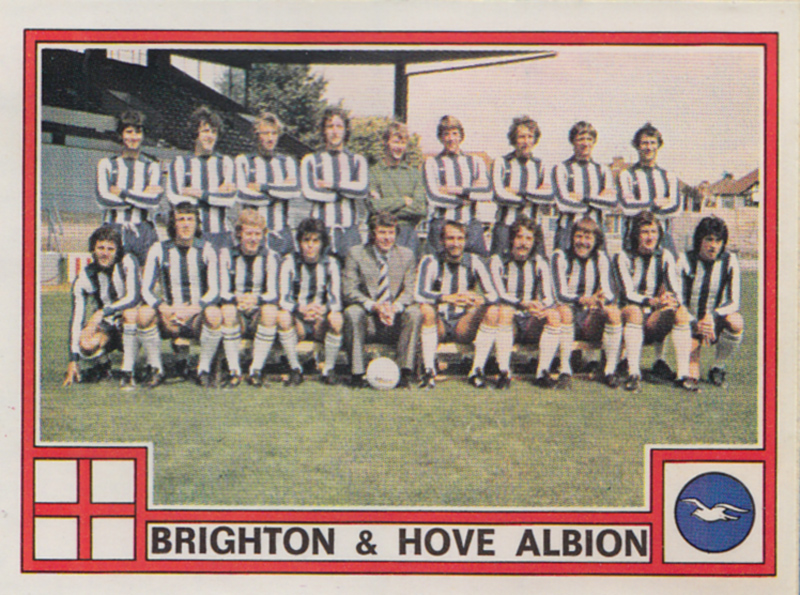
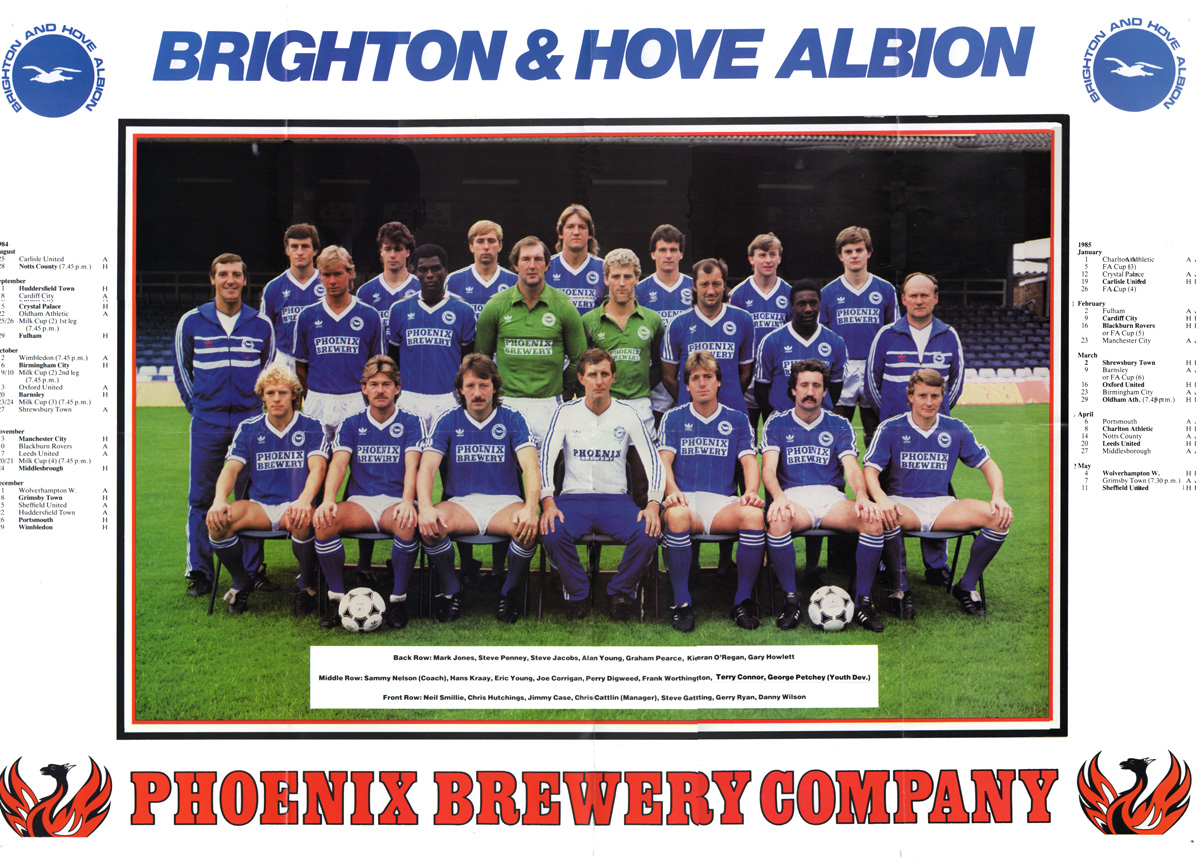
Here’s Chris Cattlin’s formidable Albion squad ahead of the 1984/85 season. Having beaten Liverpool the season before, the Seagulls had cup pedigree and feared no-one in a knockout competition.

1984-85v6

When Brighton drew Hull City in the FA Cup in both 1984/85 and 1985/86, they achieved satisfying victories in both encounters. However, it could not paper over the fact that the Tigers, led by player-boss Brian Horton, were set to surpass the Albion in the League.

As Chris Cattlin wrote in his programme notes before the third round clash of 1984/85:

“I would like to welcome Brian Horton and his team. He and I have many happy memories of our days together with the Albion both on and off the field. I know he will be particularly keen to do well against his old club, but he will certainly remember his happy days at the Goldstone.

I am sure he shares my memories and will want his team to win but I hope I don’t see anything of that bristling beard until around 5 o’clock… then I am sure we’ll have a drink together and the years will go rolling back.”

In the match, played in front of 11,681 in the January frost, ex-Albion striker Michael Ring was also re-united with the Goldstone, playing up front for Hull City:

michaelring

However, it was the Seagulls’ Chris Hutchings who scored the only goal in a second half counter-attack:

By the end of the season, while Albion narrowly missed out on returning to the top flight, Hull City had succeeded in clinching promotion from the Third Division.

When the sides met in the Second Division in 1985/86, goals from Connor, Wilson and Fashanu firmly put the new boys in their place, as Hull crashed 3-1 at the Goldstone in November 1985.

In the FA Cup, in January, in the Fourth Round at Boothferry Park, Albion prevailed again. A Cup Indian sign, perhaps? Or maybe a home jinx, seeing as Hull have not beaten Albion away to this day since 1965. On 25th January 1986, Dean Saunders and Terry Connor (2) scored the goals to take Albion through in a 3-2 victory. The rapidly improving Hull City did get revenge in the League, however, beating Albion on the last day of the season, and pushing up to sixth position, five places above the fading Seagulls, now managed on a temporary basis by assistant George Petchey (below), after Cattlin had been given the sack days before.

georgepetchey

Tagged , , , , , , ,

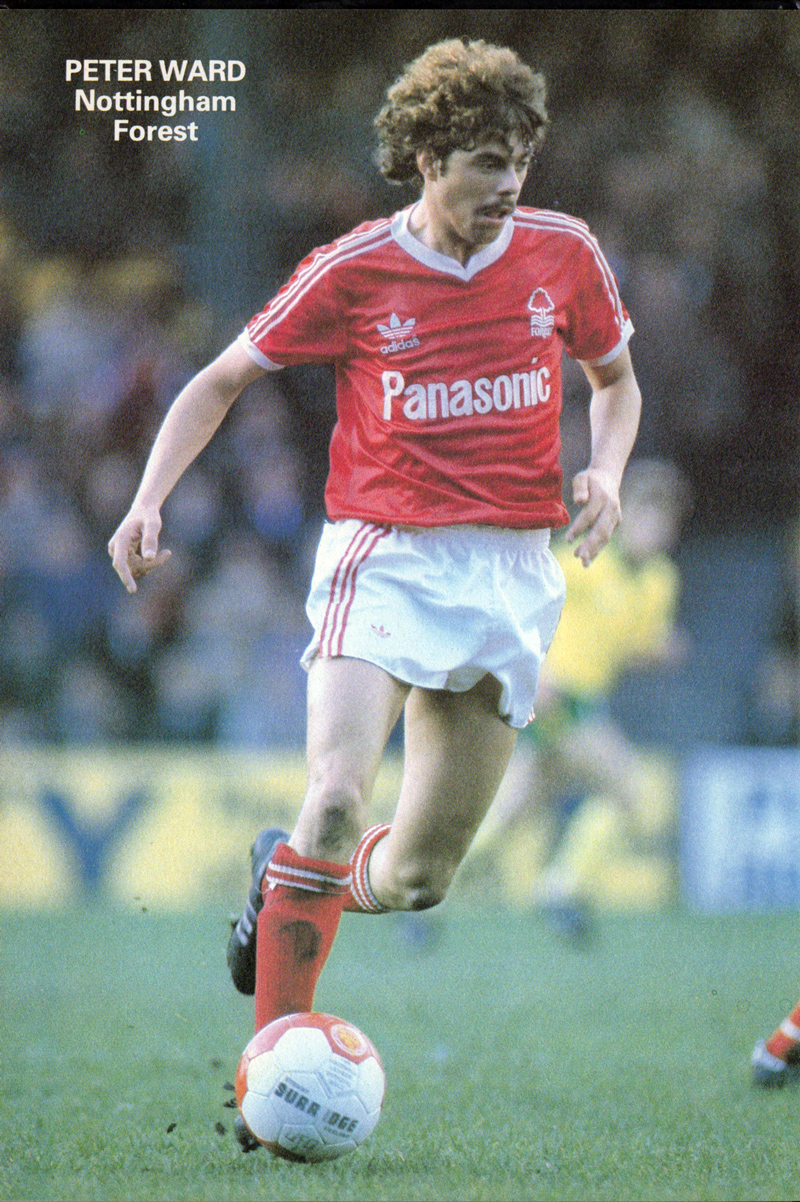
Peter Ward – one of Forest’s tiny terrors

For those heartbroken at his departure, look away now.

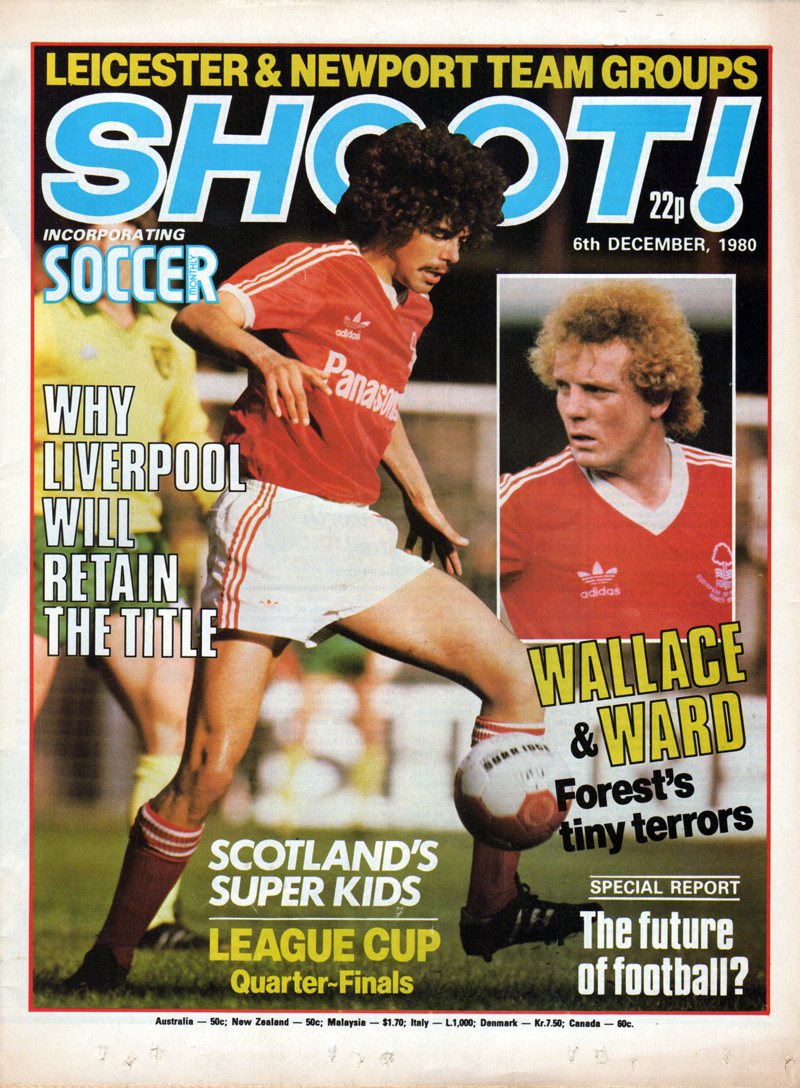
When Peter Ward made the cover of Shoot! magazine on 6th December 1980, it was as a Nottingham Forest striker rather than a Brighton one:

shootwardcover

Inside, was a fascinating feature talking up the Peter Ward – Ian Wallace duo as part of a new trend in smaller, mobile strike partnerships:

At a time when £1 million can just about fetch a player capable of those mystical qualities, ball control and vision, Nottingham Forest threaten to unleash a veritable basement bargain on the unsuspecting First Division.

The sale of Peter Ward from Brighton to Forest for a reported £400,000 came as no surprise to those who became ultimately bored with the on-off transfer saga.

But what will take away a few breaths is the opinion of assistant-manager Peter Taylor who believes that Ward is only one step away from becoming one of the best strikers in the game.

It was Taylor who signed Ward from Burton Albion during his reign as Brighton manager. For a while it seemed that he had unearthed a pot of gold as Ward revealed definite qualities of natural goalscoring instinct.

This season, however, the boy who became the idol of the Sussex Coast fired too many blanks for the liking of Albion manager Alan Mullery, who seemed almost relieved to complete the deal.

Forest unveiled their tiny-tot strike force of Scottish international lan Wallace and the unpredictable Ward against Leeds at the City Ground on October 22, and after goals by Wallace and Ken Burns sealed a 2-1 win, Taylor said: “Ward tore Leeds apart. His speed, skill and eye for openings proved too much for them.

“People ask me why we play with two strikers, neither of whom tops 5′ 8” tall. But if you were to spend your time looking for a really tall striker to complete the target-man and partner combination you could be looking for ever.

“There is a lot of nonsense talked about how tall strikers should be. The important question for any managerial team is… can this lad play? In the case of Peter Ward the answer is definitely “yes’.

“In fact I am convinced that when he moves from Brighton back to his native Midlands and settles down, he will make a lot of people sit up and marvel at his ability.

“We are more interested in the basic ability of our two strikers. And there can be no question that they pose nightmares for big defenders. Players with the qualities of Wallace and Ward will always get goals and always worry defences.

“I don’t think people know just how good a player Ward is. It is just a matter of time before he settles into the Forest way of things, and then we will see him at his best.

“The fact that neither of these players happens to be a giant is neither here nor there. Ability is the key, not stature. And these players have the ability.” Ward scored his first goal for Forest against Southampton on November 1 and looks more at home with every game. But what problems do the Forest mini-duo pose for the First Division’s top defenders?

Arsenal’s giant Scottish centre-half Willie Young believes that the Forest duo are a sign of the times.

Young said: “I probably speak for all central defenders when I say that we generally prefer to play against the bigger strikers, the likes of John Toshack, Derek Dougan and Joe Jordan. But times are changing and so is football.

“If you look around the League you will find less of the big target players than, say, five years ago.

The modern striker has to be sharp, mobile and capable of pulling a defence out of position.
The days of the big man standing in the box waiting for a high ball to knock down are fast fading.

“Down the road at Tottenham they use Garth Crooks and Steve Archibald.

“Andy Gray and John Richards at Wolves are very sharp and mobile, Kenny Dalglish and Dave Johnson at Liverpool move all over the place. These sides don’t use a battering ram player down the middle.

“Ward and Wallace will make it difficult for big defenders because they are quick and skilful and can turn you if you lose concentration. But teams will still knock in the high balls and put you under pressure. I would play against them the same way I would play against any forwards. Perhaps light-weight players like them find it difficult to break down a tight defence, but give them room and they will create problems.”

Winter pitches and tight marking may combine to upset Forest’s plans now that the running power and height of Garry Birtles no longer provides alternatives. But knowing Clough and Taylor it is more likely that Ward and Wallace will buzz and sting more often than they are swatted.

peterwardforest

In his first season at the City Ground, Peter Ward came off the bench for the last eight minutes of Forest’s 4-1 victory over Brighton in March 1981. However, his impact on the match was minimal. It was the clash the following season, at the Goldstone on 20th February 1982, when he truly showed his class against his former team mates. In and out of the Midlands side at the time, Ward capped a fine performance by scoring Nottingham Forest’s winner in a 1-0 away win. As John Vinicombe wrote:

Before any side can beat Forest, they have to get past Shilton, and this proved beyond Albion’s capabilities. Not that Shilton alone stood between them and victory; on the contrary. But he was always there when required and in the meantime it was Ward, often quite scintillating, who plotted the downfall of his old club. Once he had settled down he led them a merry dance and impudently settled the issue with a header, which has never been his strong department.

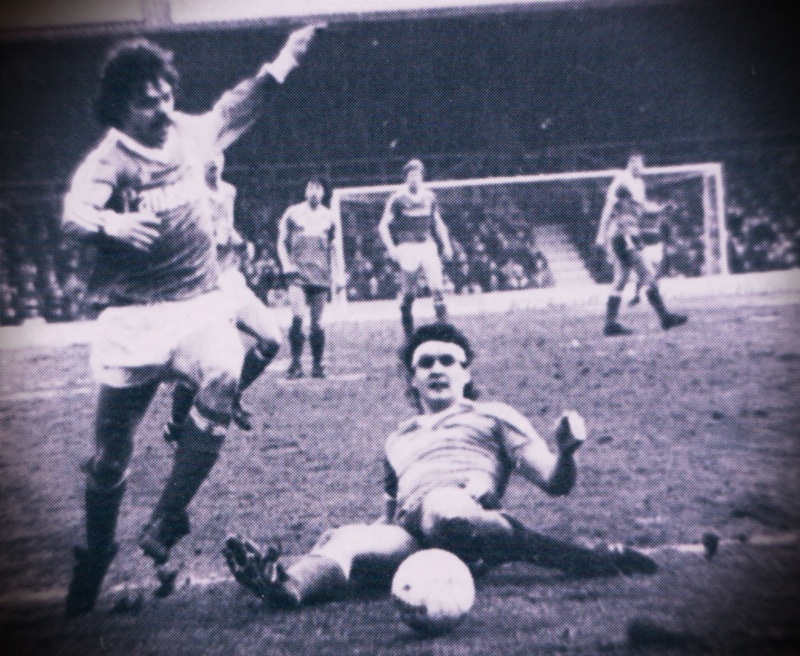
Ward’s goal followed a Bryn Gunn cross after John Robertson’s corner. That he scored it with his head rubbed salt into the wounds for Steve Foster, often so dominant in the air. Foster did show he could match Ward’s pace in the second half, recovering well after Ward had stole the ball from him. However, in front of England manager Ron Greenwood, Ward’s artistry and aggression appeared to damage Foster’s World Cup chances.

wardfoster2

Tagged ,